Ever felt like you’re doing everything right, but the scale won’t move? You’re not alone. Many people hit a weight loss plateau, where their weight stays the same, even with hard work.
The Mayo Clinic says a weight loss plateau happens when you stop losing weight, even when you keep trying. This can be because your body gets used to your new diet and exercise.
Knowing when to change your diet is key to getting past the plateau and keeping your weight loss going.
Key Takeaways
- Understand the concept of a weight loss plateau and its causes.
- Recognize the signs that indicate it’s time to adjust your diet strategy.
- Learn how to overcome a weight loss plateau.
- Discover actionable strategies to continue your weight loss journey.
- Understand the importance of metabolic adaptation in weight loss.
Understanding Weight Loss Plateaus
When your weight loss stops, it’s key to know why and how to keep going. A weight loss plateau is when you don’t lose weight even though you’re eating fewer calories and exercising regularly.
What Defines a True Plateau vs. Normal Weight Fluctuations
A true weight loss plateau is different from normal weight changes. It lasts longer and doesn’t change even with hard work. Normal weight changes can happen due to water, hormones, or eating at different times.
The Science Behind Why Progress Stalls
Your body’s changes are a big reason for weight loss plateaus. Two main factors are adaptive thermogenesis and homeostatic mechanisms.
Adaptive Thermogenesis Explained
Adaptive thermogenesis is how your body changes its energy use when you eat less. When you eat fewer calories, your body uses less energy at rest. This makes it harder to lose weight.
Homeostatic Mechanisms
Homeostatic mechanisms help keep your body’s energy balance. When you lose weight, your body makes hormones that stop you from losing more. This makes it hard to keep losing weight.
Knowing about these mechanisms helps you find ways to beat the weight loss plateau.
- Identify the causes of your weight loss plateau.
- Adjust your calorie intake and macronutrient balance.
- Incorporate strength training to build muscle mass.
Signs Your Body Has Hit a Weight Loss Plateau
You’ve been dieting and exercising, but the scale hasn’t budged in weeks. It’s time to look for signs of a weight loss plateau. Recognizing these signs is crucial for taking corrective action and getting back on track with your weight loss goals.
No Change in Scale Weight for 3+ Weeks
One of the most obvious signs of a weight loss plateau is when your weight on the scale remains unchanged for three or more weeks. This stagnation indicates that your current diet and exercise routine are no longer effective for weight loss.
Body Measurements Remain Static
Another sign is when your body measurements, such as waist circumference or body fat percentage, remain static despite continued efforts. This suggests that your body has adapted to your current regimen.
Energy Levels and Performance Indicators
Changes in energy levels and performance during workouts can also signal a plateau. If you’re feeling unusually fatigued or noticing a decline in your exercise performance, it may be a sign that your body is under too much stress or that your diet needs adjustment.
Hunger Signals and Cravings
Increased hunger and cravings can be a sign that your body is adapting to your diet strategy. When you experience heightened hunger, it may be time to reassess your caloric intake and macronutrient balance.
| Signs of a Weight Loss Plateau | Description |
|---|---|
| No Change in Scale Weight | Weight remains the same for 3+ weeks |
| Static Body Measurements | No change in body fat percentage or measurements |
| Changes in Energy Levels | Feeling fatigued or decreased performance |
| Increased Hunger Signals | Heightened hunger and cravings |
The Role of Metabolic Adaptation in Weight Loss Challenges
Weight loss challenges often come from metabolic adaptation. This is when your body adjusts to eating fewer calories. At first, your metabolism uses stored fat for energy. But over time, it slows down to use less energy, making it harder to lose weight.
How Your Metabolism Adjusts to Caloric Restriction
When you eat fewer calories, your body first uses stored energy. As this goes on, your metabolism slows down to save energy. This is called metabolic adaptation. Your body then needs fewer calories to maintain the same weight, making it harder to lose more weight.
Hormonal Changes That Protect Against Further Weight Loss
Hormonal changes are key in metabolic adaptation. Your body changes hormone levels to stop further weight loss. Two critical hormones are leptin and ghrelin.
Leptin and Ghrelin Imbalances
Leptin, the “satiety hormone,” and ghrelin, the “hunger hormone,” control your energy balance. When you eat fewer calories, leptin goes down and ghrelin goes up. This makes you feel hungrier and might lead to eating more.
The Body’s Defense Mechanisms Against Fat Loss
Your body works to maintain fat to keep energy levels stable. When you lose weight, it sees this as a threat. It then works to restore energy balance, making it challenging to keep losing weight.
Timing Is Everything: When to Make Diet Changes
Timing is key when adjusting your diet to beat a weight loss plateau. Knowing when to switch can make all the difference.
The Optimal Waiting Period Before Switching Strategies
The best time to change your diet plan varies for everyone. If you haven’t seen progress in 3-4 weeks, it might be time to rethink your diet. This wait lets your body adjust and helps figure out if you’re stuck or not.
Warning Signs That Demand Immediate Adjustments
Some signs mean you need to change your diet right away. These include:
- Increased hunger that lasts
- Less energy
- Poor health signs
- Loss of muscle mass
If you notice these, it’s time to look at your diet again.
Creating a Strategic Timeline for Diet Modifications
Having a plan for diet changes can keep you on track. Here’s how to do it:
- Check your current diet and progress
- Find what needs changing
- Make changes and watch how you do
- Change again if needed
Knowing when to change your diet and having a plan can help you get past a weight loss plateau. You’ll be on your way to reaching your goals.
Caloric Adjustments: Fine-Tuning Your Energy Balance
Caloric adjustments are key to beating a weight loss plateau. As you lose weight, your body needs less energy. You must adjust your calorie intake to keep losing weight.
Calculating Your New Maintenance Calories
After losing a lot of weight, your calorie needs change. To find your new calorie needs, consider your weight, activity level, and more. Use a calorie calculator or talk to a nutritionist for a precise estimate.
Strategic Calorie Cycling Techniques
Calorie cycling means changing your daily calorie intake to boost fat loss. It works well with other weight loss plans.
High/Low Day Implementation
One way to cycle calories is with high and low days. Eat more on workout days (high days) and less on rest days (low days). This keeps your metabolism active and aids in weight loss.
- High-calorie days: Increase calories on days you exercise to support energy needs.
- Low-calorie days: Reduce calories on rest days to maintain a calorie deficit.
The Danger of Excessive Caloric Restriction
Reducing calories is key to weight loss, but too much can harm. It’s essential to find a balance between calories and nutrients. Make sure you get enough protein and other nutrients for health and weight loss.
Macronutrient Manipulation Strategies to Overcome Plateaus
Hit a weight loss plateau? Try changing your macronutrient intake. This means adjusting carbs, proteins, and fats to maintain weight loss.
Carbohydrate Cycling and Carb Timing
Carb cycling alternates between high and low carb days. It boosts energy and fat loss. Timing carbs right is key, especially around workouts and meals.
Strategic Carb Sources and Quantities
Pick whole foods like veggies, fruits, and grains for carbs. Adjust how much you eat based on your activity and weight loss goals.
Protein Adjustments for Preserving Muscle Mass
Changing protein intake helps keep muscle mass while losing weight. Enough protein is key for muscle and metabolism.
Strategic Fat Intake Modifications
Changing fat intake can aid in weight loss. Use fats like MCT oil for quick energy and fat loss support.
MCT and Other Specialized Fat Sources
MCT oil and other fats boost fat loss. They’re high in energy and good for metabolic health.
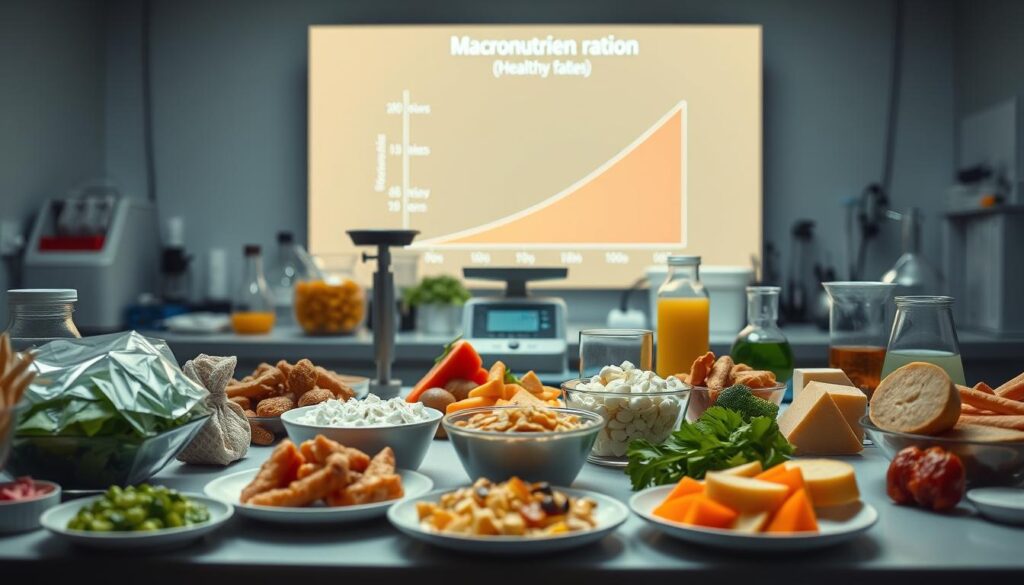
These strategies can help you get past a weight loss plateau and reach your goals.
Breaking Through Weight Loss Plateaus With Diet Style Switches
Changing your diet might be the answer to breaking through a weight loss plateau. If you’ve stuck to the same diet for too long, your body might stop losing weight. Switching to a new diet style can help you reach your weight loss goals.
Transitioning Between Low-Carb and Moderate-Carb Approaches
Try switching between low-carb and moderate-carb diets. A low-carb diet can kickstart weight loss. But it might not work forever. Moving to a moderate-carb approach can give your metabolism a boost and help with fat loss.
Incorporating Carb Refeed Days
Adding carb refeed days to your diet can also help. These days, it’s recommended to eat more carbs to boost your metabolism. It helps keep muscle mass and can help you get past the plateau.
Exploring Ketogenic Diet as a Plateau Breaker
The ketogenic diet is a high-fat, low-carb diet. It can be a great way to break through a plateau. By eating fewer carbs and more fat, your body goes into ketosis and burns fat for energy.
Plant-Based Diet Modifications for Renewed Progress
Changing your plant-based diet can also help. You might try new protein sources, healthy fats, or complex carbs. These changes can help you lose weight again and get past the plateau.
Switching your diet can challenge your body and help you overcome a weight loss plateau. You could try different carb approaches, add refeed days, go ketogenic, or tweak your plant-based diet. The important thing is to find what works best for you.
Meal Timing Adjustments to Boost Fat Loss
Changing when and how often you eat can help you lose fat. It helps your body burn fat more effectively and boosts your metabolism.
Modifying Intermittent Fasting Windows
Intermittent fasting is known for helping with weight loss. Changing your fasting times can make it even more effective.
16:8 vs. 18:6 vs. 20:4 Protocols
There are different ways to do intermittent fasting, each with its own benefits. For example:
- The 16:8 method means fasting for 16 hours and eating in an 8-hour window. It’s suitable for beginners.
- The 18:6 protocol has a tighter eating window, which might help you lose more fat.
- The 20:4 method, or “warrior diet,” lets you eat only in a 4-hour window. It’s tough, but it can be very effective for those who are advanced.
Meal Frequency: When to Increase or Decrease
Changing how often you eat can also affect your weight loss. Some people do better with fewer, bigger meals. Others prefer eating more often with smaller portions.
More meals can speed up your metabolism and keep hunger away. But you have to be careful not to overeat.
Fewer meals can make eating more straightforward and help with autophagy. But it might not work for everyone, especially those with health issues.
Strategic Pre and Post-Workout Nutrition
What you eat before and after working out is key to performance and recovery. Eating the right foods at the right time can help you lose fat and maintain your muscle mass.
“Proper nutrition before and after workouts is essential for maximizing the effectiveness of your exercise routine and supporting overall fitness goals.”

By adjusting your meal times, you can improve your fat loss efforts. This can help you get leaner and healthier.
Tracking Progress After Making Diet Changes
After changing your diet, it’s key to track your progress. This helps you see if the changes are working. While the scale is standard, other signs are also crucial for a complete view of your progress.
Effective Metrics Beyond the Scale
Looking beyond the scale is crucial. Two critical metrics are body composition and performance markers.
Body Composition Measurements
Body composition measurements show changes in fat and muscle. Tools like DXA scans give detailed body composition info.
Performance Markers
Performance markers show fitness improvements. For example, running longer or lifting more are signs of progress.
| Metric | Description | Example |
|---|---|---|
| Body Fat Percentage | Percentage of body weight that is fat | Reduced from 25% to 20% |
| Lean Mass | Weight of muscle and bone | Increased by 5 pounds |
| Endurance | Ability to sustain activity over time | Able to run 1 mile further |
How Long to Test a New Strategy
Give your new diet strategy time to show results. Aim for at least 4-6 weeks before checking your progress.
When to Make Additional Adjustments
If progress stalls after testing, it’s time to adjust your diet. You might need to change your calorie intake or macronutrient ratios.
“The key to successful weight loss is not just about cutting calories, but about making sustainable lifestyle changes that you can maintain in the long term.”
Conclusion: Creating a Sustainable Approach to Breaking Plateaus
To break through a weight loss plateau, you need to understand the reasons behind it. You also need to use effective strategies. Recognizing the signs of a plateau and adjusting your diet and exercise can help. Tracking your progress is key to overcoming these challenges.
A sustainable weight loss plan focuses on long-term changes, not quick fixes. Making smart caloric adjustments and changing your macronutrient intake can help. Also, switching up your eating schedule can boost fat loss. These steps help you create a plan that works for you.
To keep up a sustainable approach, focus on healthy habits. Pay attention to your energy balance and drink plenty of water. Getting enough sleep is also essential. These habits help you stay on track and avoid future plateaus.