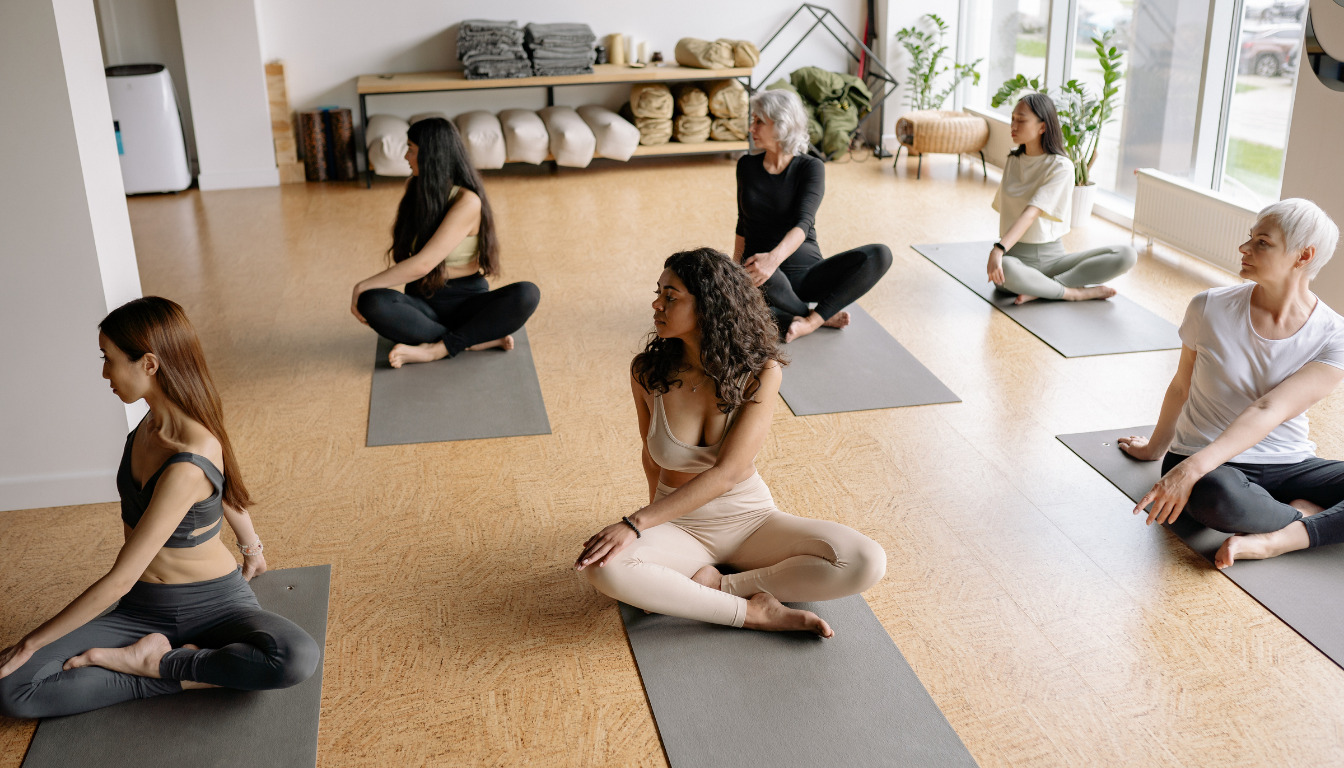
As you get older, staying independent is more important. Adding mobility exercises to your daily routine is key. These exercises help improve your movement, reduce stiffness, and prevent you from getting stuck in one place.
Daily mobility drills keep you agile and lower the chance of falls or injuries. These exercises focus on your hips, shoulders, and spine. They help you move easily. By adding these drills to your daily routine, you can keep your joints and overall health in top shape.
Key Takeaways
- Improve range of motion with daily mobility drills
- Reduce stiffness and prevent immobility
- Enhance overall joint health and well-being
- Reduce the risk of falls and injuries
- Maintain independence as you age
The Connection Between Mobility Exercises, Joint Health, and Longevity Fitness
Mobility exercises are key to keeping your joints healthy and improving your fitness for a long life. Adding these exercises to your daily routine boosts your joint health and flexibility.
What Is Mobility and Why Does It Matter
Mobility lets your joints move freely, making your movements smooth and effective. It boosts your fitness and reduces your injury risk. Mobility exercises, like end-range joint conditioning and self-myofascial release, enhance flexibility and joint health.
The Science Behind Joint Preservation
Keeping your joints healthy is vital for a long life. Studies show that regular mobility exercises help reduce inflammation and improve joint lubrication. This leads to better flexibility and less joint pain.
Long-term Benefits of Consistent Practice
Regular mobility practice offers many long-term advantages, including:
- Improved flexibility and range of motion
- Enhanced joint health and reduced joint pain
- Better overall fitness and athletic performance
- Reduced risk of injury and improved recovery
By incorporating mobility exercises into your daily routine, you can enjoy these benefits. It’s a great way to improve your fitness for a long life.
Understanding Your Body’s Mobility Needs
Knowing what your body needs for mobility is crucial for better fitness and injury prevention. Mobility isn’t just about being flexible. It’s about having the right amount of joint movement for daily activities and exercises.
Common Areas of Restriction
Many people face mobility issues in specific body parts. The most common spots include:
- Hips: Tight hip flexors and limited hip rotation can affect your posture and lower back health.
- Shoulders: Restricted shoulder mobility can impact your ability to perform overhead movements and daily tasks.
- Spine: Limited spinal mobility can lead to back stiffness and discomfort.
Assessing Your Current Mobility Status
To understand your body’s mobility needs, start by assessing your current status. Simple tests like standing, bending, or reaching can reveal a lot about your mobility. For a more detailed look, consider the following:
- Use a mobility chart to identify restricted areas.
- Get feedback from a healthcare professional or fitness expert.
Identifying Your Personal Priorities
After assessing your mobility, identify what’s most important to you. Think about your lifestyle, fitness goals, and any discomfort areas. By focusing on your needs, you can create a targeted mobility practice that boosts your joint health and overall well-being.
Essential Equipment for Your Mobility Practice
To get the most out of your mobility exercises, you need the right equipment. The right tools can significantly improve your range of motion and joint health.
Foam Rollers: Types and Recommendations
Foam rollers are great for self-myofascial release. They help reduce muscle tension and improve blood flow. There are different types of foam rollers, including:
- Standard Foam Rollers: Perfect for beginners, these rollers offer a gentle start to self-myofascial release.
- Textured Foam Rollers: With various textures and patterns, these rollers give a more intense massage.
- High-Density Foam Rollers: These rollers are firmer and better for those who want a deeper release.
When picking a foam roller, consider the texture and density you prefer. This will help you get the most out of your mobility practice.
Additional Tools to Enhance Your Practice
Other tools can also improve your mobility practice, such as:
- Resistance Bands: Great for strengthening and mobilizing certain muscle groups.
- Trigger Point Balls: Effective for releasing tension in hard-to-reach spots.
- Mobility Sticks: Useful for targeting specific joints and improving range of motion.
No-Equipment Alternatives
If you don’t want to use equipment or are looking for other options, there are many no-equipment exercises you can do. For example:
- Bodyweight Exercises: Use your own body weight to improve strength and mobility.
- Dynamic Stretching: Do dynamic movements to increase flexibility and range of motion.
By adding these tools and techniques to your mobility practice, you can enhance your range of motion. You’ll also enjoy the foam rolling benefits that come with regular practice.
Preparing Your Body: Warm-Up Fundamentals
Before starting your mobility practice, it’s key to warm up properly. A good warm-up improves circulation and prepares your muscles and joints. This makes your mobility practice more effective.
Dynamic Movement Preparation
Dynamic movement preparation uses active movements to get blood flowing and warm muscles. Leg swings, arm circles, and torso twists are examples. These movements boost your range of motion and lower injury risk during mobility exercises.
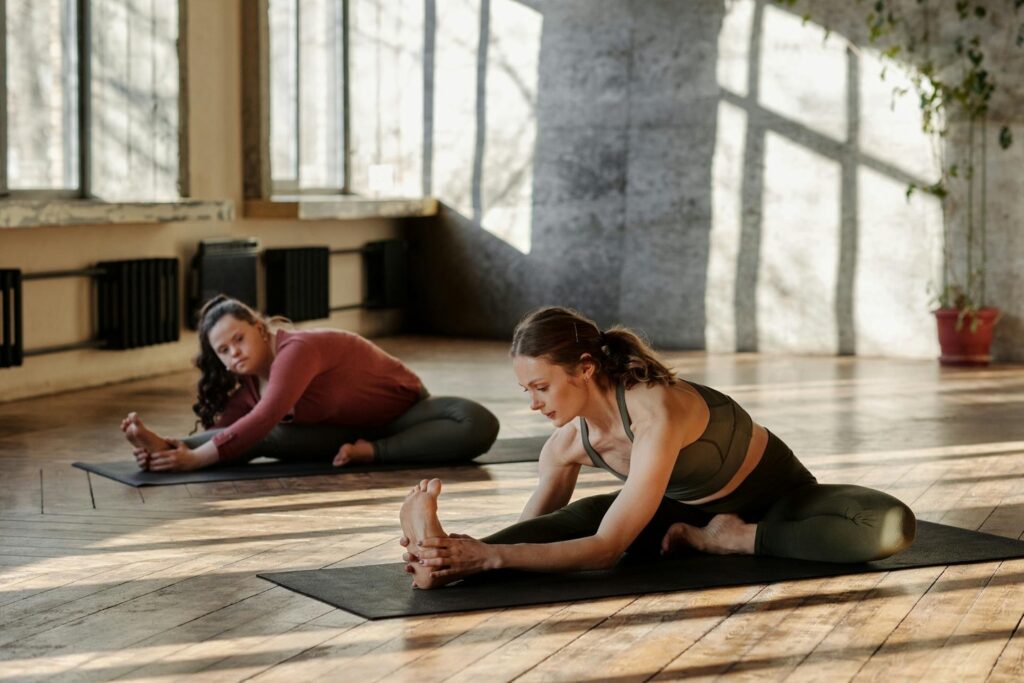
Breathing Techniques for Optimal Mobility
Breathing techniques are crucial for better mobility. Deep, controlled breathing relaxes muscles and boosts flexibility. Try diaphragmatic breathing to help your body move more freely and efficiently.
Activation Before Mobilization
Activating muscles before mobilization is essential for effective mobility practice. This means engaging the muscles you’ll be working on. It ensures your muscles are prepared for the exercises, leading to better results and less strain.
Adding dynamic movement, breathing techniques, and muscle activation to your warm-up can greatly improve your mobility practice. It’s a step towards better long-term wellness.
Drill #1: Hip Mobility Sequence for Lower Body Freedom
Hip mobility is key to a free lower body and longevity fitness. Adding special drills to your routine boosts hip mobility and joint health.
90/90 Hip Rotations
The 90/90 hip rotation is great for better hip mobility. Here’s how to do it:
- Sit on the floor with one leg in front and the other behind, both at 90-degree angles.
- Rotate your hips, keeping your spine straight and core tight.
- Do the same on the other side.
Hip Flexor Release Techniques
It’s essential to loosen tight hip flexors for better hip mobility. You can use:
- A foam roller to roll out the front of your hip.
- Static stretches for the hip flexors.
Common Mistakes to Avoid
Avoid these mistakes when doing hip flexor releases:
- Don’t roll too hard, as it can hurt.
- Keep your core tight for good form.
Progression Options
To make your hip flexor release better:
- Stretch deeper over time.
- Try lacrosse balls for a more precise release.
Connecting Hip Health to Overall Movement
Healthy hips are essential for good movement and longevity fitness. Flexible and strong hips help with posture, lower injury risk, and boost mobility.
| Exercise | Benefits | Tips |
|---|---|---|
| 90/90 Hip Rotations | Improves hip mobility, reduces stiffness | Keep spine straight, engage core |
| Hip Flexor Release | Reduces tension, improves flexibility | Use a foam roller or a lacrosse ball, breathe deeply |
Drill #2: Shoulder Mobility Protocol for Upper Body Vitality
To boost your upper body’s health, adding a shoulder mobility routine is key. Exercises such as scapular activation and thoracic spine integration can improve flexibility and help ward off shoulder problems.
Scapular Activation Exercises
Keeping your shoulders healthy starts with scapular activation. Scapular push-ups and wall slides are great for strengthening the scapula muscles. This improves shoulder mobility. To do a scapular push-up, start in a plank and lower until your chest almost touches the ground. Then push back up, squeezing your scapula.
Thoracic Spine Integration
Thoracic spine mobility is vital for shoulder health. Adding thoracic spine exercises to your routine boosts your upper body’s range of motion. Try the thoracic spine rotation: sit with legs crossed, twist your torso to one side, and hold for a few seconds, then switch sides.
Modifications for Different Fitness Levels
Beginners can use a resistance band for thoracic spine rotation to get more support. For a bigger challenge, add a dynamic twist while holding a lightweight.
Advanced Variations
For a more challenging workout, use a foam roller or stability ball. For example, lying on one and arching your back increases thoracic spine flexibility.
Preventing Common Shoulder Issues
Regular shoulder mobility exercises can help reduce the risk of shoulder problems such as impingement and rotator cuff strains. By improving flexibility and strengthening shoulder muscles, you keep your shoulders healthy and avoid injuries. A sports medicine expert notes, “A well-maintained shoulder is crucial for upper body health and function.”

Adding these exercises to your daily routine helps prevent injuries and boosts your upper body’s vitality.
“The key to maintaining healthy shoulders is consistent mobility and strength exercises,” says Dr. John Smith, a renowned orthopedic specialist. “By focusing on scapular activation and thoracic spine integration, individuals can significantly reduce their risk of shoulder injuries.”
Drill #3: Spine Mobility Sequence for Core Strength
To strengthen your core and improve your spine, a spine mobility sequence is key. This sequence boosts your range of motion and joint mobility. It’s a must-have for your fitness routine.
Segmental Rolling Patterns
Start with segmental rolling patterns for your spine. This targets specific spine segments, enhancing flexibility and reducing stiffness. Lie on your back with knees bent and feet flat. Roll your spine from the lower back up, releasing tension in each segment.
Cat-Cow Progressions
Cat-cow progressions are also great for spine mobility. Start on your hands and knees. Inhale and arch your back, lifting your tailbone and looking up (the “cat” position). Exhale and round your back, tucking your chin and pulling your belly in (the “cow” position). Repeat, moving slowly and smoothly.
Safety Considerations
Be careful with spine mobility exercises. Avoid jerky movements and don’t push past pain. If you feel discomfort, stop right away.
Targeting Problem Areas
Focus on tense or stiff areas in your spine. Use segmental rolling patterns and cat-cow progressions to target these spots. This improves your overall spinal health.
Maintaining Spinal Longevity
Consistency is crucial for spinal health. Regularly doing spine mobility exercises can prevent degeneration and keep you flexible as you age. Remember to listen to your body and adjust as needed.
Drill #4: Foam Rolling Benefits for Tissue Health
Foam rolling is a simple yet effective technique for enhancing tissue health and overall mobility. By incorporating foam rolling into your routine, you can experience significant improvements in your muscle health and overall well-being.
Full-Body Rolling Sequence
A full-body rolling sequence is essential for maintaining overall tissue health. Start with your major muscle groups —calves, hamstrings, and back. Use slow, controlled movements to roll out these areas, focusing on any tension or soreness.
Key areas to focus on:
- Calves
- Hamstrings
- Lower back
- IT band
Trigger Point Techniques
Trigger point techniques involve applying pressure to specific areas of tension. This can help release knots and improve circulation. To use trigger point techniques effectively, hold the foam roller on the affected area for 20-30 seconds, breathing deeply to help relax the muscle.
Duration and Pressure Guidelines
When using a foam roller, it’s essential to apply the right amount of pressure. Start with lighter pressure and gradually increase as needed. In most areas, a rolling rate of 1-2 inches per second is effective.
Pre vs. Post-Workout Rolling
Foam rolling can be beneficial both before and after a workout. Pre-workout rolling can help prepare your muscles for exercise, while post-workout rolling aids in recovery. Consider incorporating both into your routine for optimal benefits.
Improving Circulation and Recovery
Foam rolling can significantly improve circulation, a crucial factor in recovery. By enhancing blood flow to your muscles, you can reduce soreness and improve overall tissue health.
| Benefit | Description |
|---|---|
| Improved Circulation | Enhances blood flow to muscles, reducing soreness |
| Reduced Muscle Tension | Releases knots and tension in the muscles |
| Enhanced Recovery | Aids in recovery post-workout, improving overall tissue health |
Drill #5: Joint Circulation Enhancement Protocol
To keep your joints healthy, it’s key to incorporate a joint-circulation protocol into your daily routine. This routine boosts blood flow around your joints. It helps keep them flexible and less stiff.
Controlled Articular Rotations
Controlled articular rotations are a big part of this protocol. They involve gently moving your joints to improve blood flow and reduce stiffness. To do this, pick a joint you want to work on. Then, slowly move it in both directions.
Rhythmic Movement Patterns
Rhythmic movements enhance the protocol by promoting blood flow and joint lubrication. These should be smooth and controlled, without any sudden stops. Try leg swings, arm circles, and torso twists.
Frequency Recommendations
For the best results, do the protocol 3-4 times a week. But doing it every day can bring even more benefits, especially if you’re very active.
Combining with Other Exercise Modalities
You can mix this protocol with strength training and cardio. Adding it to your workout routine can boost your performance and lower injury risk.
Adapting for Different Age Groups
The protocol’s intensity and frequency can change with age and health. Older folks should start slow and get more intense as they get more mobile.
| Age Group | Recommended Frequency | Intensity Level |
|---|---|---|
| 20-40 | 4-5 times a week | Moderate to High |
| 40-60 | 3-4 times a week | Moderate |
| 60+ | 2-3 times a week | Low to Moderate |
Creating Your Personalized Mobility Routine
Making a mobility routine that fits you is key to better flexibility and health. Think about your lifestyle, goals, and current mobility when creating it.
Sample Weekly Schedule
Having a weekly schedule helps keep your mobility practice on track. Set aside days for different drills to cover all parts of your body. For example, use Mondays and Thursdays for the lower body, and Tuesdays and Fridays for the upper body.
| Day | Mobility Drill | Target Area |
|---|---|---|
| Monday | Hip Mobility Sequence | Lower Body |
| Tuesday | Shoulder Mobility Protocol | Upper Body |
| Wednesday | Rest or Active Recovery | – |
| Thursday | Spine Mobility Sequence | Core |
| Friday | Joint Circulation Enhancement Protocol | Full Body |
Tracking Progress and Making Adjustments
It’s essential to track how well your routine is working. Use a journal or app to log your exercises and note any changes. Adjust your routine as needed based on your progress.
“Consistency is key when it comes to mobility training. Regular practice, even if it’s just a few minutes a day, can lead to significant improvements in flexibility and overall joint health.”
Overcoming Common Obstacles to Consistency
Staying consistent with your routine can be tough. Identify what gets in your way, like a lack of time or motivation. Then, find ways to overcome these, like scheduling your practice or finding a workout buddy.
By establishing a routine that works for you, tracking your progress, and staying consistent, you can significantly improve your flexibility. This will help you stay healthy for longer.
Conclusion: Your Path to Lifelong Joint Health
Exploring daily mobility drills and understanding joint preservation is key. It shows how important it is to keep your joints healthy for life. By adding these exercises to your routine, you boost your joint mobility and take a big step towards a healthier life.
Being consistent is crucial for the long-term benefits of these exercises. Every small step you take matters. The more you do these drills, the better your overall health will be. Taking care of your joints means you can stay active and independent for years to come.
Your journey to better joint health begins today. By focusing on mobility, you’re in charge of your health. Keep up with your practice, and you’ll see the benefits of better joint mobility and less injury risk.