You might know the ketogenic diet helps with weight loss. But it does more than that. It can cause significant metabolic changes that boost your health.
Looking into the health benefits of ketosis reveals more. It can make you think clearly and digest better. The paleo diet also offers health perks, such as reduced inflammation.
Trying these diets can lead to non-scale victories. These are wins that make you feel better overall.
Key Takeaways
- A ketogenic diet leads to significant metabolic changes.
- Improved mental clarity is a potential benefit.
- Better digestion is associated with ketosis.
- The paleo diet may reduce inflammation.
- Non-scale victories can enhance overall well-being.
The Fundamental Differences: Ketosis vs. Paleo Approaches
Ketosis and paleo are two different diets that have become popular lately. They both aim to improve health but work in different ways. Each diet has its own effects on the body.
The Metabolic Science Behind Ketosis
The ketogenic diet is low in carbs and high in fat. It’s been used for years to help with specific health issues. By cutting down on carbs, the body enters ketosis and starts burning fat for energy.
This change has many benefits. It can help with weight loss, improved blood sugar control, and increased energy. The main benefits of ketosis are:
- Enhanced fat metabolism
- Reduced insulin levels
- Increased production of ketone bodies
The Evolutionary Foundation of Paleo
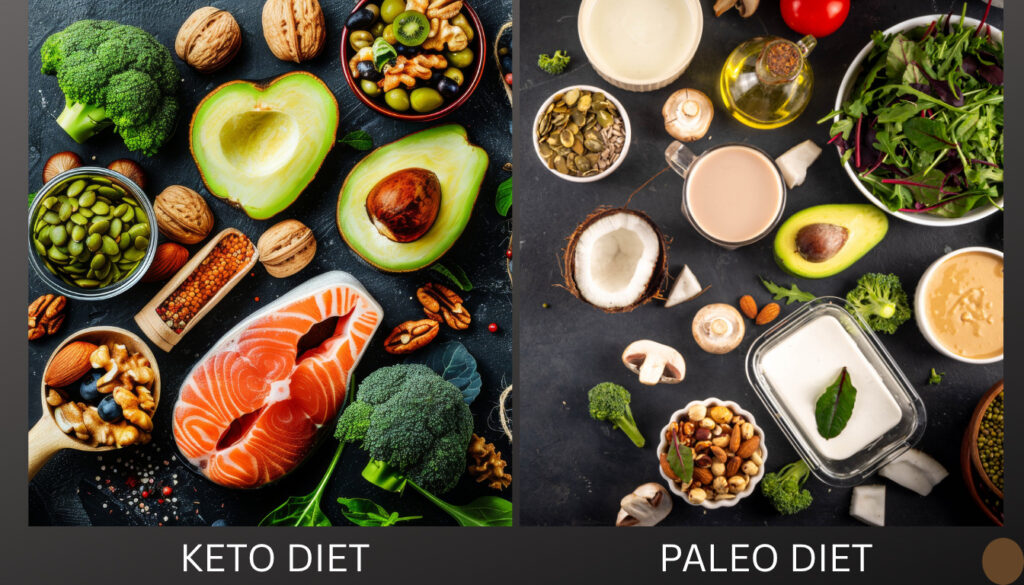
The paleo diet is all about eating like our ancestors did. It excludes foods with preservatives, added sugars, and processing. It focuses on whole foods like meats, fish, fruits, veggies, nuts, and seeds.
This diet aims to reduce inflammation and improve health. It does this by removing foods deemed harmful. The main benefits of the paleo diet are:
- Reduced inflammation
- Improved digestion
- Increased intake of essential nutrients
Understanding the differences between ketosis and paleo helps you choose the diet that best supports your health goals.
Ketosis Benefits: The Brain-Boosting Power of Fat Adaptation
Ketosis offers many cognitive benefits, such as improved mental sharpness and possible brain protection. When you start a ketogenic diet, your brain changes in ways that boost your thinking skills.
Enhanced Mental Clarity and Focus
Improved mental clarity and focus are common benefits of ketosis. Switching to ketones as your brain’s primary fuel makes it work better. Many people find they can concentrate and think more clearly, making complex tasks more manageable.
Potential Neuroprotective Effects
Studies show that ketosis might protect the brain, helping those with neurological issues. Ketones give neurons a new energy source, which helps when glucose use is low.
Comparing Cognitive Benefits to Paleo
Ketosis and Paleo diets both improve thinking, but in different ways. Ketosis gives the brain a direct energy source, while Paleo removes foods that might harm the brain and focuses on healthy eating.
“The ketogenic diet has been shown to improve cognitive function in various studies, offering a promising avenue for those seeking to enhance mental performance.”
Choosing between ketosis and Paleo depends on what you prefer and your health goals.
Energy Transformation: Escaping the Carb Roller Coaster
Changing your diet can lead to big wins, like feeling more energetic. Switching to whole foods or a ketogenic diet can change how you think. You might notice a significant boost in your energy levels.
Ketosis and Metabolic Efficiency
The ketogenic diet helps your body burn fat better. This makes your energy more stable. Fat is a longer-lasting energy source than glucose.
As you get better at burning fat, you might feel more energetic. This is great for people who are active or have demanding jobs.
Paleo’s Approach to Sustained Energy
The Paleo diet cuts out processed foods and sugars. These can make you feel tired. Eating whole, nutrient-rich foods helps keep your energy up.
This diet is suitable for those who get tired easily. It helps keep your energy steady all day.
Which Diet Provides Better Energy Stability?
Both diets can help with energy, but results vary. The ketogenic diet emphasizes fat, which can provide steady energy.
The Paleo diet offers a balanced mix of nutrients. It supports energy production. The best diet is one you can stick to and that meets your health goals.
Paleo Inflammation Benefits vs. Ketosis Anti-Inflammatory Effects
Inflammation is a significant health issue. Two diets, ketosis and paleo, fight it in different ways. Knowing how they work can help you choose the best diet for you.
How Ketosis Reduces Inflammatory Markers
The ketogenic diet can lower inflammation in some people. This happens because it changes how the body uses energy, from glucose to ketones.
Research on Ketones and Inflammation
Research shows ketones might fight inflammation. Studies suggest that lower inflammation is associated with fewer reactive oxygen species.
Real-World Inflammation Reduction Stories
Many people say their inflammation went down on a ketogenic diet. Their experiences match clinical evidence of lower inflammation markers.
Paleo’s Elimination Approach to Fighting Inflammation
The paleo diet fights inflammation by cutting out certain foods. It removes grains, dairy, and processed foods. This aims to lessen inflammation overall.
| Dietary Approach | Key Anti-Inflammatory Mechanisms |
|---|---|
| Ketogenic | Metabolic shift to ketones, reduction in reactive oxygen species |
| Paleo | Elimination of grains, dairy, and processed foods |
Which Diet Works Better for Inflammatory Conditions
Digestive Health Revolution: Gut Benefits of Both Approaches
Improving your digestive health is a big win, whether you follow a ketogenic or paleolithic diet. It’s essential to know how these diets affect your gut.
Ketosis Effects on Gut Microbiome
The ketogenic diet changes your gut microbiome, which can be good for your health. Studies show that its high-fat, low-carb nature can change the types and amounts of gut bacteria.
Paleo’s Impact on Digestive Wellness
The paleo diet, which avoids grains, dairy, and processed foods, can also help your digestion. Many people say they feel better when they eat paleo.
Comparing Digestive Outcomes
Both diets benefit your digestion, but they work in different ways. Ketosis might change your gut bacteria, while paleo diets remove foods that can upset your stomach. Your choice depends on what’s best for your digestive health.
In the end, both diets can bring big wins for your gut health and digestion.
Clear Skin Diet Benefits: How These Diets Transform Your Complexion
Changing your skin from the inside is achievable with the proper diet. Both ketosis and paleo diets can help. They improve skin conditions like acne by tackling the root causes.
Ketosis and Skin Condition Improvements
The ketogenic diet can improve your skin. It works by cutting carbs and increasing fat intake. This leads to less inflammation and clearer skin.
Acne and Ketosis
Acne often comes from eating too many carbs and insulin resistance. Ketosis lowers insulin and boosts anti-inflammatory cytokines. This can help fight acne.
Other Skin Conditions
Ketosis might also help with psoriasis and eczema. It reduces inflammation and boosts skin health.
Paleo’s Effect on Skin Health
The paleo diet removes grains, dairy, and processed foods. This can be good for your skin. It may lead to clearer skin and fewer acne breakouts.
Which Diet Might Be Better for Your Skin Type
Both diets can improve your skin, but the best one for you depends on your skin and health goals. Always talk to a healthcare professional before changing your diet to improve your skin.
Hormonal Balance: Endocrine Benefits Beyond Weight Loss
Maintaining hormonal balance is key to good health—both the keto and paleo diets support this. Hormonal imbalances can cause many health problems, like thyroid issues and adrenal fatigue. Knowing how these diets affect hormones can help you choose the proper diet for you.
Ketosis and Hormone Regulation
The ketogenic diet can positively affect hormone levels in some people. It does this by cutting down on carbs and increasing fat intake. This helps control blood sugar and improves insulin sensitivity.
These changes can lead to more balanced hormone production, including thyroid hormones and cortisol. Studies also show that ketosis supports adiponectin production. This hormone helps regulate glucose.
Paleo’s Impact on Hormonal Health
The paleo diet, which avoids grains, dairy, and processed foods, can also improve hormonal health. It focuses on whole, nutrient-rich foods. This can reduce inflammation and positively affect hormone balance.
The paleo diet’s emphasis on healthy fats and protein also supports hormone production. For example, it helps produce leptin, which controls energy balance.
Comparative Effects on Common Hormonal Issues
It’s essential to compare the effects of these diets on common hormonal problems. Both diets can help balance hormones, but the ketogenic diet might be better for some health conditions. For example, it’s good for epilepsy or type 2 diabetes.
The paleo diet, with its focus on whole foods, might be better for overall hormonal health. It supports a balanced diet without the need for strict calorie counting.
Sleep Quality and Mood: The Hidden Mental Health Advantages
Both the keto and paleo diets can help your mental health. They improve sleep and emotional well-being. It’s key to see how they affect sleep and mood.
Ketosis Effects on Sleep Architecture and Mood
The ketogenic diet can change sleep patterns. It might increase neurotransmitters that promote better sleep. People on this diet often say they sleep better.
This is because the diet keeps blood sugar stable. It also helps us sleep at the same time every day. Plus, it boosts GABA, a calming neurotransmitter that helps regulate mood.

| Dietary Approach | Impact on Sleep Quality | Effect on Mood |
|---|---|---|
| Ketogenic Diet | Improved sleep architecture, increased GABA production | Enhanced mood stability, reduced anxiety |
| Paleo Diet | Elimination of processed foods, potentially leading to better sleep | Stabilized blood sugar, reduced inflammation, contributing to improved mood |
How Paleo Influences Sleep Patterns and Emotional Well-being
The paleo diet focuses on whole foods and avoids processed ones. This can lead to better sleep. It also cuts out grains and dairy, which may reduce inflammation and improve gut health.
With more omega-3 fatty acids and antioxidants, the paleo diet supports brain health. This can lead to a more stable mood.
Understanding how ketosis and paleo diets affect sleep and mood helps us choose the best diet for our mental health.
Non-Scale Victories: Tracking Progress Beyond Weight Loss
Looking only at weight loss misses the significant benefits of a ketogenic or Paleo diet. It’s key to monitor your health and wellness as you follow these diets.
Biomarkers to Monitor Ketosis
Tracking biomarkers on a ketogenic diet gives you health insights. Important ones include blood sugar, cholesterol, and ketone levels. These help you see how your body reacts to the diet.
| Biomarker | Target Range |
|---|---|
| Blood Sugar | 70-100 mg/dL |
| Cholesterol | <200 mg/dL |
| Ketones | 0.5-3.0 mmol/L |
Wellness Indicators for Paleo Success
On a Paleo diet, watch energy levels, digestive health, and mental clarity. Seeing better in these areas means you’re doing well, even if you haven’t lost much weight.
Creating Your Personal Non-Scale Victory Checklist
Make a checklist of non-scale victories to track your progress. Include improved blood work, increased energy, better sleep, or enhanced mental clarity. Update it often to stay motivated and see your health journey fully.
- Monitor your biomarkers regularly.
- Track changes in energy and mental clarity
- Note improvements in digestive health
Conclusion: Personalizing Your Approach for Optimal Health
Exploring ketosis and paleo diets reveals that both offer significant health benefits. Think about what you need, your health goals, and your lifestyle. This will help you get the most out of these diets.
Ketosis can improve your mental focus and energy levels. The paleo diet, with its emphasis on whole foods, can boost your digestion and reduce inflammation.
Listening to your body and adjusting your diet is crucial for optimal health. Knowing your nutritional needs and health goals helps you choose the diet that’s right for you.
Personalizing your nutrition approach is the key to unlocking the full benefits of these diets. This leads to long-term health gains.