It’s essential to know the difference between simple and complex carbohydrates for sustainable weight loss. Carbs are a key nutrient that gives your body energy for daily tasks.
But how do you tell simple carbs from complex ones? Simple carbs, like sugars, are fast to digest. They make blood sugar levels rise quickly. In contrast, complex carbohydrates, such as whole grains, fruits, and veggies, are full of fiber and nutrients. They give you energy that lasts longer.
Choosing the right carbs is crucial to your weight-loss journey. Focus on healthy carbohydrates to boost your health and reach your weight goals.
Key Takeaways
- Distinguish between simple and complex carbohydrates to better manage weight.
- Complex carbohydrates provide sustained energy and support overall health.
- Prioritizing healthy carbohydrates is key to effective weight loss.
- Understanding the role of fiber and nutrients in carbohydrates can help you make informed dietary choices.
- Making the right carbohydrate choices supports a healthier, more sustainable weight loss journey.
The Carbohydrate Conundrum
Carbohydrates are often misunderstood, leading to confusion about their role in weight loss and overall health. The truth is, not all carbs are created equal.
Why Carbs Get a Bad Reputation
Refined and simple carbohydrates, often found in processed foods, can hinder weight loss efforts. They cause a spike in blood sugar levels, leading to insulin resistance and weight gain.
The Truth About Carbohydrates and Weight Loss
Complex carbohydrates, rich in fiber and nutrients, support a healthy weight loss journey. Understanding the glycemic index and the role of fiber for weight loss can help you make better choices.
| Carb Type | Examples | Effect on Weight Loss |
|---|---|---|
| Simple Carbs | White bread, sugary snacks | Negative |
| Complex Carbs | Whole grains, vegetables | Positive |
Choosing low-glycemic foods and limiting processed sugar can significantly impact your weight-loss journey.
Understanding Carbohydrates: The Basics
Carbohydrates are key to a healthy diet. They give our bodies energy. They come in simple sugars, complex starches, and fibers.
What Are Carbohydrates?
Carbohydrates are divided into simple and complex types. Simple carbs, or sugars, are in fruits, dairy, and sweet drinks. Complex carbs, like those in whole grains, veggies, and legumes, are better for you.
Complex carbohydrates from whole grains and high fiber diets are healthy carbohydrates. They are full of nutrients and good for your digestion.
How Your Body Processes Carbs
Your body converts carbs into glucose, which enters your blood. This makes insulin release, helping cells use glucose for energy or storage. How fast this happens depends on the carb type.
Simple carbs raise blood sugar quickly. But complex carbs, especially those with fiber, increase it more slowly.
The Role of Carbs in Your Diet
Carbs are essential for energy and health. Eating whole grains, fruits, and veggies gives you carbs and essential nutrients. Choosing complex carbohydrates and healthy carbohydrates helps you stay healthy and manage your weight.
Simple vs. Complex Carbohydrates: What’s the Difference?
Knowing the difference between simple and complex carbohydrates is key to good diet choices. Carbs are a primary energy source for our bodies. Their health impact varies significantly depending on their type.
Simple Carbohydrates Explained
Simple carbs, or sugars, are quickly broken down by our bodies. This leads to fast rises in blood sugar. You can find them in sweets, baked goods, and sugary drinks. Overeating can cause weight gain, diabetes risk, and tooth problems.
But simple carbs do offer quick energy. Just remember to eat them in small amounts.
Complex Carbohydrates: The Building Blocks
Complex carbs, on the other hand, are full of fiber and nutrients. They give us steady energy and support health. You can find them in whole grains, veggies, and legumes. They’re digested slowly, which means blood sugar levels rise more gradually.
This slow digestion helps you feel full longer. It’s great for those trying to control their weight.
How Processing Affects Carbohydrate Quality
How carbs are processed can really change their quality. Whole, unprocessed foods usually have more nutrients. Processing can remove fiber and nutrients, leaving behind calories that aren’t good for you.
For example, whole wheat bread is a complex carb with fiber and nutrients. But white bread, made from refined flour, lacks these benefits. It acts more like a simple carb in our bodies.
The Glycemic Index: Your Guide to Good Carbs
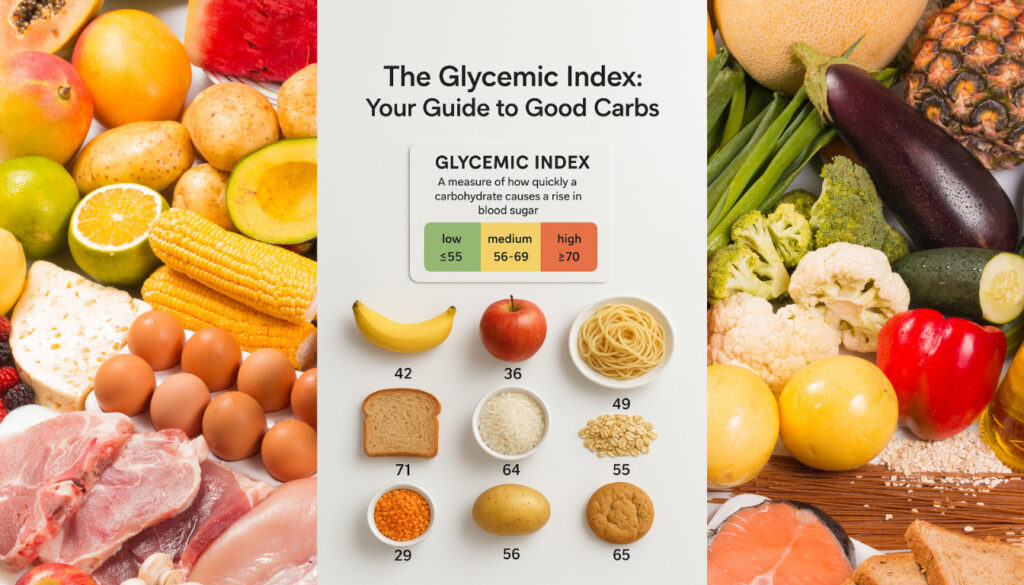
Understanding carbohydrates can be more straightforward with the glycemic index. It ranks foods by how fast they raise blood sugar.
What Is the Glycemic Index?
The glycemic index (GI) rates foods on a scale from 0 to 100. It shows how quickly a food raises blood sugar. Foods with a high GI are digested rapidly, causing blood sugar to spike fast.
Low vs. High Glycemic Foods
Foods fall into three GI groups: low (55 or less), medium (56-69), and high (70 and above). Low GI foods, like whole grains and non-starchy veggies, digest slowly. They give you energy for longer.
Using the Glycemic Index for Weight Management
Choosing low-GIfoods helps with weight management. These foods keep you full for longer, helping control hunger.
| Food | Glycemic Index |
|---|---|
| White Bread | 70-80 |
| Brown Rice | 50 |
| Apple | 38 |
Knowing and using the glycemic index can significantly help with weight loss. It guides you to choose better carbs.
Fiber: The Secret Weapon for Weight Loss
Fiber is a key player in weight loss. It helps with digestion, lowers cholesterol, and keeps you full. Understanding how fiber works can change your weight-loss game.
Types of Dietary Fiber
Dietary fiber has two main types: soluble and insoluble. Soluble fiber is in oats, barley, and fruits. It forms a gel that slows digestion, making you feel full longer. Insoluble fiber is in whole grains and veggies. It makes your stool bulkier and helps food move through your system.
Both types are essential for a healthy diet and weight management. Mixing both in your meals can boost your weight loss and improve digestion.
How Fiber Promotes Satiety and Weight Loss
Fiber makes you feel full, which is excellent for weight loss. High-fiber foods are more filling, reducing the risk of overeating. They also require more chewing, slowing down eating, and helping you feel full sooner.
Also, fiber slows down digestion, keeping you full longer. This can lower your calorie intake by reducing your snacking. Adding more fiber to your diet helps you lose weight by making you feel satisfied, not just by cutting calories.
Recommended Fiber Intake for Optimal Results
The daily fiber intake varies by age and sex. Aim for 25-30 grams a day for the best weight loss. Gradually increase your fiber to meet or exceed this goal.
| Food | Fiber Content (grams) | Serving Size |
|---|---|---|
| Oats | 4 | 1 cup cooked |
| Broccoli | 5 | 1 cup cooked |
| Almonds | 3.5 | 1 ounce |
To boost your fiber, try simple changes. Switch to whole grains, eat more fruits and veggies, and add legumes to your meals. This way, you can use fiber to help you lose weight and keep your diet balanced.
Good Carbs: The Foundation of Sustainable Weight Loss
Good carbs are key to lasting weight loss. They give us essential nutrients, fiber, and energy. Choosing the right carbs helps you lose weight and stay healthy.
Whole Grains: Nature’s Perfect Package
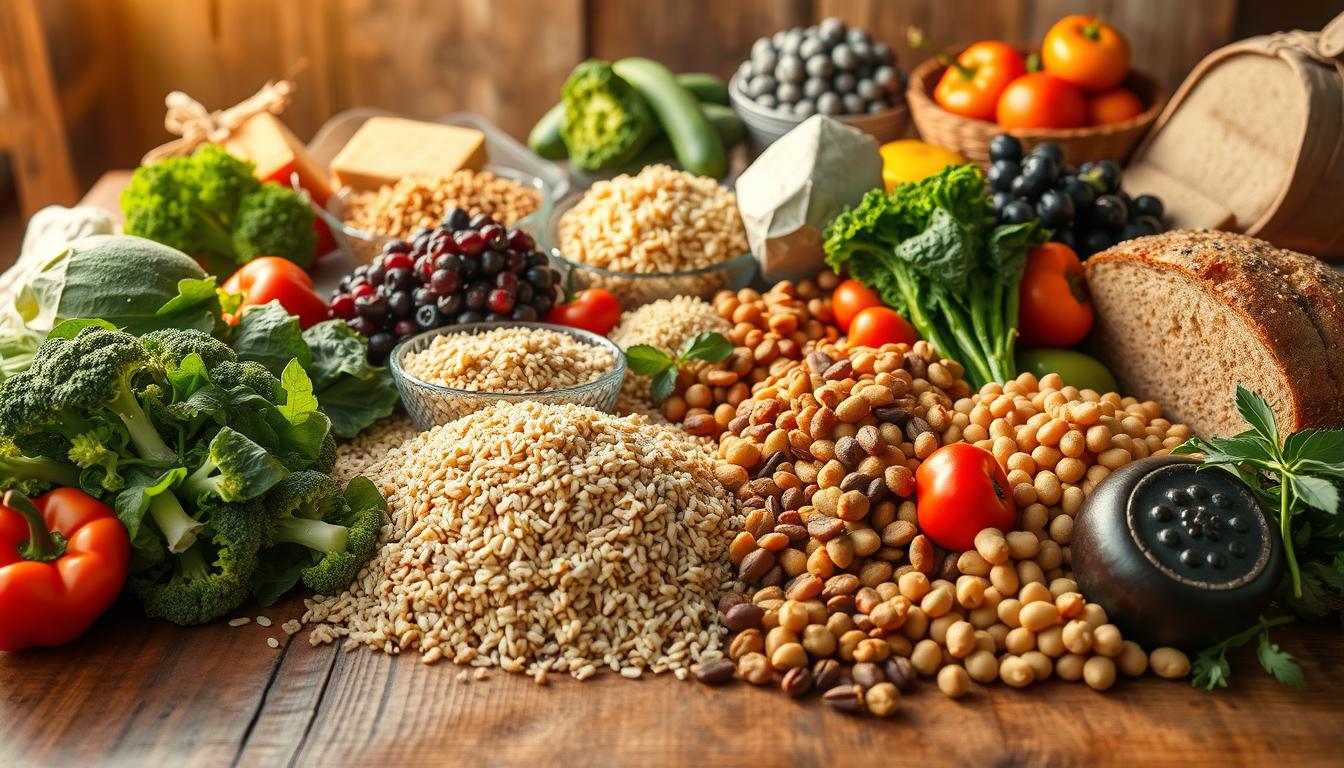
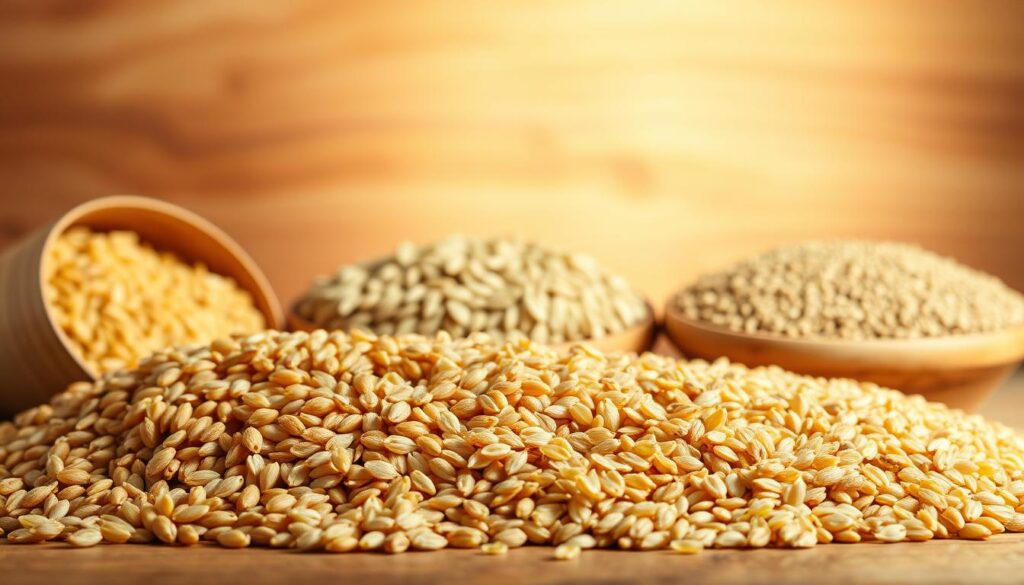
Whole grains are full of healthy carbs. Think brown rice, quinoa, and whole wheat bread. They’re packed with fiber, vitamins, and minerals. Eating whole grains keeps you full and helps you avoid overeating.
Fruits and Vegetables: Nutrient-Dense Carbs
Fruits and vegetables are low in calories but high in nutrients. They’re low glycemic foods that don’t raise blood sugar. Eating a variety of them supports your weight loss and gives you the nutrients you need.
Legumes and Beans: Protein-Packed Carbohydrates
Legumes and beans
They are full of protein and fiber. They include lentils, chickpeas, and black beans. These foods are nutritious and versatile, helping you feel full and reducing calorie intake.
Preparation Methods That Preserve Nutritional Value
To get the most from these carbs, prepare them well. Steaming, roasting, and grilling help retain nutrients. Avoid deep-frying or overcooking, as they reduce nutritional value.
By adding whole grains, fruits, vegetables, and legumes to your diet, you’ll have a balanced plan. Focus on healthy carbohydrates and low glycemic foods for better health and weight loss.
Bad Carbs: What to Limit for Effective Weight Management
Not all carbs are the same when it comes to weight management. Knowing which carbs to cut back on is key to losing weight. Some carbs, called ‘bad carbs,’ can slow down your weight loss and harm your health.
Refined Grains and White Flour Products
Refined grains like white bread and pasta lose fiber and nutrients in processing. This makes them raise blood sugar quickly, leading to weight gain and health risks. Choose whole grains instead of refined grains.
Added Sugars and Sweetened Beverages
Added sugars and sweet drinks are ‘bad carbs’ that can block weight loss. They add lots of calories without nutrients. Drinks like soda and sweetened teas are terrible because they’re full of sugar and empty calories.
Ultra-Processed Carbohydrates
Ultra-processed carbs are foods that have been heavily processed from their natural state. They mix refined grains, added sugars, and unhealthy fats. Examples include many packaged snacks and processed foods.
Hidden Sources of Problematic Carbs
Knowing where ‘bad carbs’ hide is crucial for managing weight. Many foods, even some health products, have refined grains or added sugars. Always read labels to spot these carbs in your diet.
| Food Category | Examples of Bad Carbs | Healthier Alternatives |
|---|---|---|
| Grains | White bread, refined pasta | Whole-grain bread, whole wheat pasta |
| Beverages | Soda, sweetened teas | Unsweetened tea, water |
| Snacks | Packaged chips, processed crackers | Vegetable sticks with hummus, nuts |
By cutting back on ‘bad carbs,’ you can reach your weight loss goals and boost your health. It’s not about removing carbs from your diet. It’s about choosing whole, nutrient-rich foods over processed ones.
Creating Your Sustainable Carb Strategy
Creating a sustainable carb strategy is key to losing weight and staying healthy. It’s about knowing what you need, balancing carbs, and choosing the right foods.
Determining Your Optimal Carb Intake
To find your best carb intake, consider your age, how active you are, and your weight-loss goals. A balanced carb intake with whole, nutrient-rich foods helps with lasting weight loss.
- Look at your daily activity and adjust your carb intake.
- Think about your weight-loss goals and whether you need to adjust your carb intake.
- Notice how your body reacts to different carb levels, and adjust your diet accordingly.
Balancing Carbs Throughout the Day
It’s crucial to balance carbs throughout the day to keep your energy up and help with weight loss. Try to spread your carb intake over three main meals and one or two snacks, based on what you need.
- Begin your day with a balanced breakfast that has complex carbs like whole grains or fruits.
- Spread out your carb intake to keep your energy steady.
- Choose complex carbohydrates like veggies and whole grains for lasting nutrition.
Meal Planning with Good Carbs
Good meal planning is crucial for a successful carb strategy. Make sure to include a variety of healthy carbs in your meals, such as whole grains, fruits, and veggies.
Sample Meal Plans for Different Calorie Needs
Here are some meal plans for different calorie needs:
| Calorie Level | Breakfast | Lunch | Dinner |
|---|---|---|---|
| 1500 calories | Oatmeal with fruits | Grilled chicken with quinoa and vegetables | Baked salmon with brown rice and steamed broccoli |
| 2000 calories | Whole-grain toast with avocado and eggs | Turkey and avocado wrap with mixed greens | Grilled chicken breast with roasted vegetables and quinoa |
Transitioning from Low-Carb to Balanced Carb Intake
Switching from a low-carb diet to a balanced carb intake can be tough, but it is worth it. Slowly add more carbs to your diet, focusing on whole, nutrient-rich foods.
- Begin by adding a serving of complex carbs to one meal a day.
- Increase your carb intake gradually, watching how your body reacts.
- Focus on whole grains, fruits, and vegetables for nutrient-dense carbs.
Conclusion: Embracing Good Carbs for Long-Term Success
Understanding and embracing good carbs is key to long-term weight loss success. By focusing on whole, nutrient-dense carbs, you create a sustainable eating plan. This plan supports your health and weight loss goals.
Good carbs, like whole grains, fruits, and vegetables, are full of fiber, vitamins, and minerals. They help you feel full and satisfied. This makes them an excellent choice for your diet.
Incorporating healthy carbs into your diet can significantly improve your fitness and health. Being mindful of the glycemic index and fiber content helps you make better choices. This approach supports your sustainable weight loss journey.
It’s not just about losing weight; it’s about adopting a healthier lifestyle. This lifestyle can be maintained over time.
As you continue on your path to sustainable weight loss, remember that good carbs are the foundation of a balanced diet. By making informed choices and focusing on whole, nutrient-dense foods, you’ll be well on your way to achieving your health and fitness goals.