


Have you thought about how when you eat matters as much as what you eat? Aligning your eating habits with your body’s natural rhythm can greatly improve your health.
Eating big meals during daylight hours and skipping late-night snacks can help your body better use insulin. This makes it easier to keep a healthy weight and sleep well.
By doing this, you can match your metabolic processes with your body’s natural clock. This leads to better health overall.
Key Takeaways
- Eating in sync with your body’s natural rhythm can improve insulin sensitivity.
- Avoiding late-night eating can support weight management.
- Aligning your meal times with daylight hours can enhance sleep quality.
- Synchronizing your eating habits with your body’s natural rhythm can improve overall health.
- Adopting this approach can improve metabolic health.
The Science Behind Your Body’s Internal Clock
Your body has a 24-hour clock that controls things like metabolism and energy. This clock is called the circadian rhythm. It’s key to how your body works.
Understanding Circadian Rhythms
The circadian rhythm is set by light and dark. It helps your body keep pace with the day-night cycle. This rhythm affects your metabolism, hormone levels, and energy all day.
How Your Metabolism Changes Throughout the Day
Your metabolism changes with your circadian rhythm. Knowing this can help you eat better to boost your metabolism.
Peak Hours for Calorie Burning
Studies show your metabolism is highest in late morning and early afternoon. This is when you burn the most calories.
Nighttime Metabolic Slowdown
At night, your metabolism slows down for rest. Eating big meals before bed can mess with this. It might even lead to weight gain.
| Time of Day | Metabolic Activity | Recommended Action |
|---|---|---|
| Morning | Increasing | Eat a nutritious breakfast |
| Afternoon | Peak | Consume your largest meal |
| Evening | Decreasing | Avoid heavy meals |
Eating when your body’s clock says it’s time is good for your metabolism and energy levels. This is the basis of chrono-nutrition. We’ll look into it more in the next section.
Chrono-Nutrition: Eating in Harmony with Your Biological Clock
Eating at the right time can boost your metabolic health. This is thanks to chrono-nutrition. It focuses on meal timing and your body’s internal clock.
Definition and Core Principles
Chrono-nutrition says when you eat affects your health. It’s about eating when your body is most active. This means eating during the day and less at night.
- Eating during the day when your body is most active
- Reducing calorie intake in the evening as your body prepares for rest
- Aligning meal times with natural daylight patterns
Historical Context and Modern Research
Early studies noticed how metabolism changes throughout the day. Today, we understand why this happens.
Breakthrough Studies on Meal Timing
Recent research shows that meal timing affects insulin and glucose levels. Eating big meals during the day is better for your health.
This research highlights the benefits of chrono-nutrition for better health.
The Connection Between Meal Timing and Metabolic Health
Meal timing is key to metabolic health, as it affects how your body handles insulin and glucose. Your body’s internal clock controls metabolic processes. Eating at the right times can greatly improve your health.
Insulin Sensitivity Patterns Throughout the Day
Insulin sensitivity changes throughout the day. It’s highest in the morning and lowest at night. Eating when your body is most sensitive can boost how you use nutrients.
How Timing Affects Nutrient Absorption
Meal timing affects not just insulin sensitivity but also nutrient absorption. Nutrient absorption is best when meals match your body’s natural rhythms.
Morning vs. Evening Carbohydrate Processing
The body handles carbs better in the morning than at night. This is because insulin sensitivity is higher in the morning. Eating complex carbs for breakfast helps keep blood sugar stable all day.
On the other hand, eating a lot of carbs at night can cause blood sugar issues and fat gain.
Knowing these patterns helps you make better meal choices for your metabolic health.
Benefits of Aligning Your Diet with Natural Daylight
Eating with natural daylight can boost your health in many ways. It can improve your metabolism, enhancing your quality of life.
Improved Weight Management
Eating during the day and fasting at night helps with weight control. Eating most calories when it’s light supports your body’s natural rhythms.
Enhanced Energy Levels
Meals timed to daylight hours can give you steady energy throughout the day. Your body’s energy needs match your natural rhythms.
Better Sleep Quality
Eating with daylight can also improve your sleep. It reduces digestive problems at night.
Reduced Nighttime Digestive Disruption
Finishing meals early lets you fast longer at night. This can reduce digestive issues during sleep.
| Benefits | Description |
|---|---|
| Improved Weight Management | Eating during the day supports natural metabolic rhythms. |
| Enhanced Energy Levels | Meals aligned with daylight hours lead to consistent energy. |
| Better Sleep Quality | Reduced nighttime digestive disruption improves sleep. |
Adopting a diet that matches natural daylight can bring these benefits. It can greatly improve your health and well-being.
Why Late-Night Eating Disrupts Your Metabolism
The timing of your meals is key to your metabolic health. Late-night eating is especially bad. It’s not just about extra calories; it messes with your body’s natural rhythm.
The Science Behind Nighttime Insulin Resistance
Eating close to bedtime can cause insulin resistance. This is when your body’s cells don’t respond well to insulin. It leads to poor glucose metabolism and high blood sugar.
Impact on Sleep Quality and Recovery
Late-night snacking hurts your sleep. Eating before bed can cause poor digestion and discomfort. It disrupts your sleep, making it hard for your body to recover.
Connection to Weight Gain and Metabolic Disorders
Regular night-time snacking can lead to weight gain. It also raises the risk of metabolic disorders like type 2 diabetes. Avoiding late-night eating helps keep your metabolism in check and supports your health.
Optimal Eating Windows Based on Your Body’s Natural Rhythm
By matching your eating times with your body’s internal clock, you can boost your metabolic health. Your body has its own natural rhythm for the best eating times. Knowing and following these rhythms can greatly improve your health and metabolism.
Morning Metabolism Boost
Eating between 6 and 10 AM can kickstart your metabolism. This is the best time for nutrient-dense foods to energize your body for the day. A balanced breakfast should include proteins, complex carbs, and healthy fats.
Midday Fuel
Having your main meal between 12 and 2 PM gives you sustained energy. It aligns with your body’s natural rhythm, keeping you fueled for the rest of the day.
Evening Wind-Down
A light dinner between 5-7 PM helps your body wind down for the night. It supports better digestion and improves sleep quality.
Creating Your Personal Eating Schedule
To make a personalized eating schedule, listen to your body’s hunger and energy cues. Consider your lifestyle, activity levels, and sleep patterns when planning meals.
| Meal Time | Optimal Window | Recommended Foods |
|---|---|---|
| Breakfast | 6-10 AM | Proteins, Complex Carbs, Healthy Fats |
| Lunch | 12-2 PM | Balanced Meal with Proteins, Carbs, Vegetables |
| Dinner | 5-7 PM | Light Meal, Avoid Heavy Proteins and Carbs |
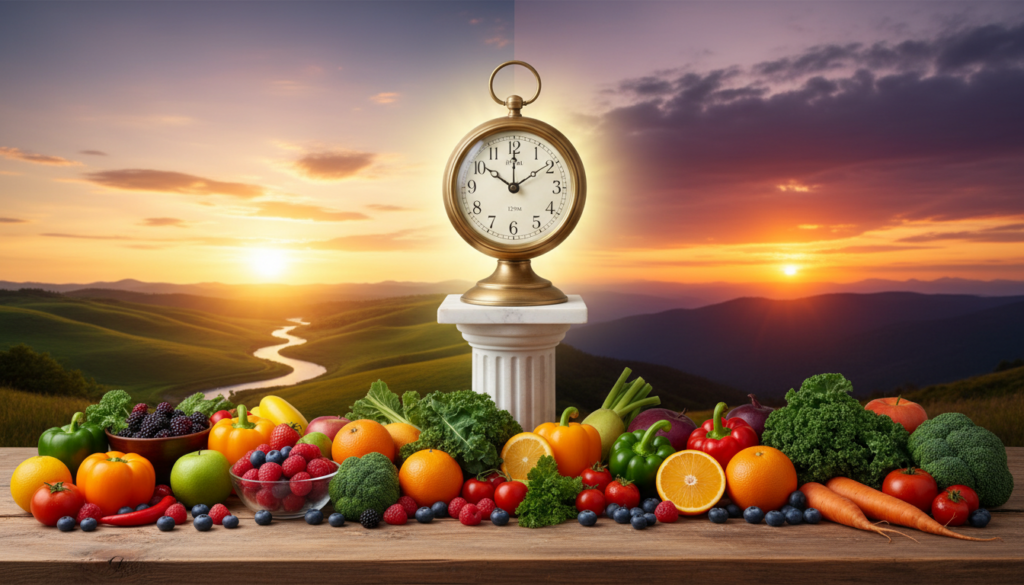
Aligning your meals with your body’s natural rhythm can boost your metabolic health. It improves energy levels and supports overall well-being. It’s about finding a balance that works for you and sticking to it.
Step-by-Step Guide to Implementing Chrono-Nutrition
Chrono-nutrition helps you time your meals for better metabolic health. It’s not just about what you eat. It’s about eating in sync with your body’s natural rhythm.
Step 1: Assess Your Current Eating Schedule
Start by tracking your meals and snacks for a week. Use a food diary or app to log them. This will show you patterns and where you can improve.
Step 2: Gradually Shift Meal Timing
After understanding your eating habits, adjust your meal times. If you eat dinner late, try eating 15 minutes earlier each day. Keep moving until you reach your ideal time.
Step 3: Prioritize Protein and Complex Carbs at Optimal Times
Eat protein-rich foods at breakfast and lunch. Choose complex carbs like whole grains and veggies for meals when you need energy.
Step 4: Establish a Cutoff Time for Evening Eating
Set a time to stop eating in the evening. Try to finish eating 2-3 hours before bed. This helps with digestion and sleep.
Tracking Tools and Apps for Meal Timing
By following these steps and staying consistent, you can improve your metabolism with chrono-nutrition.
Creating a Chrono-Nutrition Meal Plan
To get the most from chrono-nutrition, you need a meal plan that matches your body’s natural rhythm. Choose nutrient-rich foods at the best times to boost your metabolism.
Breakfast Options That Support Morning Metabolism
Begin your day with a balanced breakfast to wake up your metabolism. Go for foods with complex carbs, proteins, and healthy fats. Try oatmeal with nuts and fruits or scrambled eggs with whole-grain toast.
Lunch Choices for Sustained Energy
For lunch, pick foods that give you steady energy. Include lean proteins, whole grains, and veggies. A great choice is a salad with grilled chicken, quinoa, and mixed veggies.
Light Dinner Recommendations for Better Sleep
In the evening, eat light, easy-to-digest meals. Stay away from heavy proteins and rich sauces, as they can mess with your sleep. Opt for vegetable soup or a small fish dish with steamed veggies.
Sample 7-Day Meal Timing Schedule
| Day | Breakfast | Lunch | Dinner |
|---|---|---|---|
| Monday | 7:00 AM – Oatmeal with fruits | 12:30 PM – Grilled chicken salad | 6:00 PM – Baked salmon with vegetables |
| Tuesday | 7:15 AM – Scrambled eggs with spinach | 1:00 PM – Quinoa and black bean bowl | 6:30 PM – Vegetable soup |
| Wednesday | 7:00 AM – Greek yogurt with berries | 12:45 PM – Turkey and avocado wrap | 6:15 PM – Grilled turkey breast with roasted vegetables |
| Thursday | 7:30 AM – Smoothie bowl | 1:15 PM – Chicken Caesar salad | 6:45 PM – Steamed fish with quinoa |
| Friday | 7:15 AM – Whole-grain toast with almond butter | 12:30 PM – Lentil soup with whole-grain bread | 6:30 PM – Grilled shrimp with roasted sweet potatoes |
| Saturday | 8:00 AM – Pancakes with fresh fruits | 1:00 PM – Grilled chicken breast with mixed greens | 7:00 PM – Vegetable stir-fry |
| Sunday | 7:45 AM – Breakfast burrito | 1:15 PM – Turkey and cheese sandwich | 6:45 PM – Baked chicken with steamed broccoli |
Strategies to Overcome Nighttime Snacking Habits
To beat nighttime snacking, first figure out what makes you do it. It might be hunger, boredom, or stress.
Understanding Your Late-Night Hunger Triggers
It’s key to know why you snack at night. Is it hunger, habit, or stress? A food diary can show you patterns and triggers.
Healthy Evening Routines to Replace Eating
Healthy routines can keep you from snacking. Try reading, meditation, or a warm bath. They tell your body it’s time to relax, not eat.
Emergency Options for When You Must Eat Late
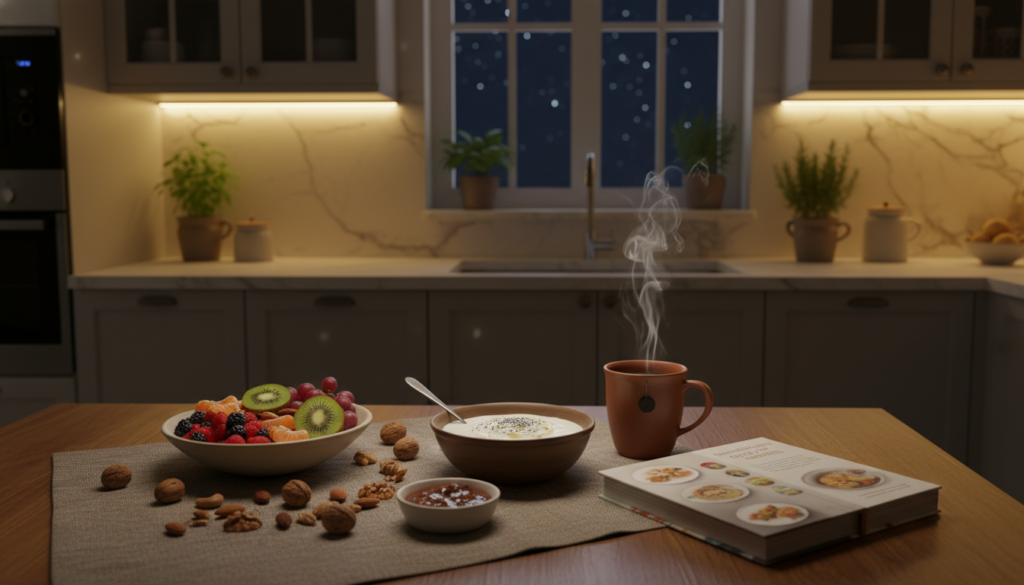
If you have to snack late, pick something good for you. Go for protein and fiber, like Greek yogurt or nuts.
| Healthy Late-Night Snack Options | Nutritional Benefits |
|---|---|
| Greek Yogurt | High in Protein, Supports Muscle Recovery |
| Nuts and Seeds | Rich in Healthy Fats and Fiber |
| Herbal Tea | Promotes Relaxation, Calming Effects |
Special Considerations for Different Lifestyles
Chrono-nutrition isn’t a one-size-fits-all solution; it needs to be adapted to your lifestyle. Different lifestyles, such as shift work or athletic training, require special considerations when implementing chrono-nutrition principles.
Shift Workers and Disrupted Schedules
If you work irregular hours or night shifts, your body’s natural circadian rhythm is disrupted. To adapt, try maintaining a consistent eating schedule that aligns with your work cycle. This might mean eating your “breakfast” soon after waking up, regardless of the time of day.
Athletes and Active Individuals
For athletes, timing meals around training sessions is crucial. Consuming complex carbohydrates and protein before exercise can enhance performance, while post-workout nutrition aids in recovery. You should also consider your overall energy needs and adjust your meal frequency and composition accordingly.
Parents and Busy Professionals
For those with demanding schedules, planning is key. You can prepare meals in advance and keep healthy snacks on hand to avoid relying on convenience foods. Even small adjustments, like having your largest meal earlier in the day, can make a significant difference.
Adapting Chrono-Nutrition to Your Reality
The key to successful chrono-nutrition is flexibility. Listen to your body and adjust your eating schedule as needed. By making informed choices and being mindful of your lifestyle, you can optimize your metabolic rate and improve your overall health.
Combining Chrono-Nutrition with Other Eating Approaches
By mixing chrono-nutrition with other diets, you might boost your metabolic health. This blend can lead to better overall health.
Intermittent Fasting Synergies
Pairing chrono-nutrition with intermittent fasting can increase benefits. Improved insulin sensitivity and better autophagy are possible. A study in the Journal of the American Medical Association showed it can help with weight loss and better health.
Mediterranean Diet Timing
The Mediterranean diet, rich in fruits, veggies, and healthy fats, aligns better with chrononutrition. Eating in sync with your body’s rhythms can make it even more effective.
Plant-Based Chrono-Nutrition Strategies
Plant-based diets can also benefit from chrono-nutrition timing. Here’s a table with sample meal times for a plant-based diet:
| Meal | Time | Food |
|---|---|---|
| Breakfast | 7:00 AM | Oatmeal with fruits |
| Lunch | 12:00 PM | Quinoa salad with vegetables |
| Dinner | 5:00 PM | Vegetable stir-fry with tofu |
Conclusion: Syncing Your Plate with Your Body’s Natural Rhythm
You now know how matching your meal timing with your body’s clock can boost your health. Chrono-nutrition helps you do this, improving your energy, weight, and sleep. It’s all about understanding your body’s rhythms and eating when it’s best.
To start with chrono-nutrition, check your current eating times. Then, slowly move them to match your natural rhythm. Eat protein and complex carbs when it’s best, and stop eating in the evening for better sleep. These changes will help you live a healthier, more balanced life.
Remember, being consistent and patient is important. Your body will appreciate the effort you put into aligning your meals with its natural rhythm. This will lead to better health and a better relationship with food.
i enjoy reading this great article, i have shared it many times on my website and started following you, Do you post more often ?? i am the owner of https://toplinkbuildingagenturen.de/ a webdesign agency in Germany, webdesign agentur bayreuth, you can link up if you are interested. Thank you
as a professional seo expert in hamburg, i can tell your article is professionally written, i enjoy reading it, keep up the good work, do you post more often ? i am now a follower, you can take a look at my site as the best seo expert in hamburg https://seoexpertehamburg.de/ Thank you
this is an interesting article, i enjoy reading it, keep up the good work, do you post often, i want to start following you. my site is https://webdesignfreelancermunchen.de/ it is the top webdesign freelancer platform in Germany.