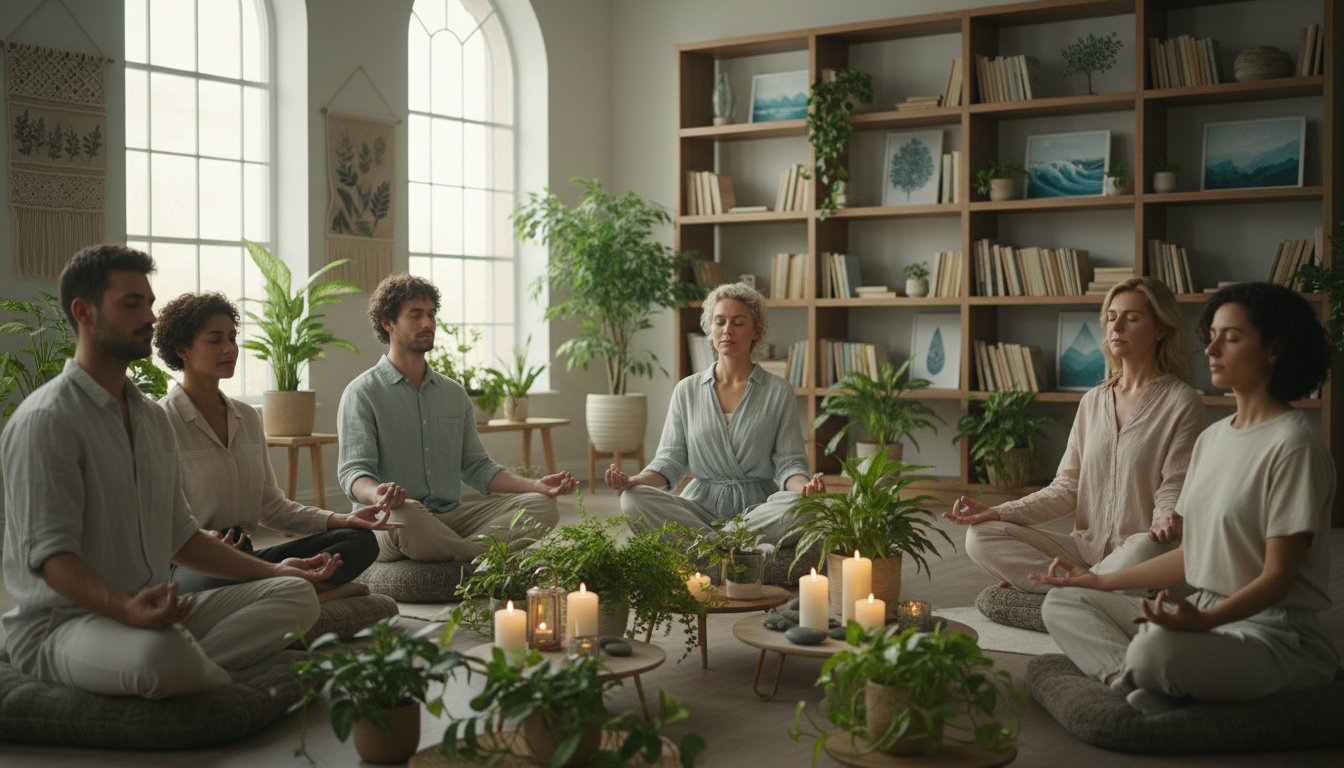
You can find a deeper sense of calm and awareness in your daily life with mindful meditation. This practice helps you stay in the present moment. It helps you set aside distractions and find inner peace.
Adding meditation to your daily routine brings many benefits. You’ll feel less stressed and have better memory and focus. It also helps you sleep better, lowers blood pressure, and boosts your overall well-being.
Key Takeaways
- Reduce stress and anxiety through regular meditation practice
- Improve your focus and concentration
- Enhance your overall well-being
- Develop a greater sense of self-awareness
- Cultivate a more positive outlook on life
What Is Mindful Meditation?
Mindful meditation is a powerful practice that can change your life. It brings you into the present moment. This type of meditation focuses on being present, often through breathing or observing thoughts and emotions without judgment.
It encourages you to be aware of your thoughts, feelings, and bodily sensations. But it doesn’t let you get caught up in them.
The Essence of Present-Moment Awareness
The core of mindful meditation is present-moment awareness. It’s about focusing on the present. This helps reduce stress and anxiety.
Some key aspects of present-moment awareness include:
- Focusing on your breath or bodily sensations
- Observing your thoughts without judgment
- Cultivating a sense of curiosity and openness
How Mindfulness Differs from Traditional Meditation
Mindful meditation is different from traditional meditation. While traditional meditation focuses on a specific object, mantra, or visualization, mindful meditation observes the present moment as it is. This makes it more flexible and adaptable.
Key differences include:
- Flexibility: Mindful meditation can be practiced anywhere, at any time.
- Non-judgmental awareness: The practice encourages observing experiences without judgment.
By incorporating mindful meditation into your daily routine, you can experience many benefits. These include reduced stress and anxiety, and improved focus and clarity. As you continue on your mindfulness journey, you’ll see the power of being present in the moment.
The Science-Backed Mindfulness Meditation Benefits
Many studies show that mindful meditation is good for you. It can make you feel better both mentally and physically.
Neurological Changes from Regular Practice
Research shows that meditation can change your brain. It can reduce stress and anxiety. It also improves focus and helps you manage emotions.
Research Evidence on Effectiveness
Many studies have looked into how well mindful meditation works. They found it can really help your mental health. It can:
- Lessen anxiety and depression
- Help you manage your emotions better
- Make you more focused
Long-Term vs. Short-Term Benefits
Both short-term and long-term meditation have benefits. But the long-term benefits are more lasting. Short-term meditation can quickly reduce stress and boost your mood.
To get the most from mindfulness meditation’s mental health benefits, be consistent. Even a few minutes a day can make a big difference in your well-being.
Mental Wellness Through Daily Mindfulness
Integrating mindfulness into your daily life can improve your mental health. Just a few minutes each day can make a big difference. It can lead to better mental health.
Reducing Anxiety and Depression
Mindfulness meditation can help with anxiety and depression. It helps you stay in the present and stop negative thoughts. Regular mindfulness practice can greatly reduce these feelings, making you feel better.
Building Resilience Against Stress
Daily mindfulness helps you manage stress more effectively. It makes you more aware of your thoughts and feelings. Mindfulness meditation helps you stay calm and clear when facing challenges.
Enhancing Focus and Concentration
Mindfulness improves your ability to focus. It trains your mind to stay present. This can make you more productive and efficient in your daily tasks.
| Mindfulness Benefit | Description | Impact on Mental Health |
|---|---|---|
| Reduces Anxiety and Depression | Breaks the cycle of negative thoughts | Improves overall mental well-being |
| Builds Resilience Against Stress | Enhances ability to manage stressful situations | Reduces stress-related mental health issues |
| Enhances Focus and Concentration | Improves cognitive function | Increases productivity and efficiency |
By making mindfulness a part of your daily routine, you can see these benefits. It can lead to a more balanced and healthy mental state.
Physical Health Improvements from Mindful Practice
Mindful meditation does more than just calm your mind. It also boosts your physical health. Regular practice can lead to many positive changes in your body.

Impact on Blood Pressure and Heart Health
Mindful meditation can lower blood pressure. This helps prevent heart disease. Adding meditation to your daily routine can make your heart healthier.
Strengthening Your Immune System
Research shows that meditation can boost immune function. This means your body can fight off infections better. It’s especially good for people with weak immune systems.
Improving Sleep Quality and Energy Levels
Mindfulness also improves sleep quality and energy. Meditation reduces stress and helps you relax. This makes for a better night’s sleep.
By making mindful meditation a part of your day, you can see these physical health benefits. This can greatly improve your overall well-being.
Emotional Intelligence: Mindfulness in Relationships
Mindfulness in daily life enhances your emotional intelligence, improving relationships. It helps you notice your thoughts, feelings, and body signals. This way, you can think before acting, avoiding quick reactions.
Developing Greater Empathy and Compassion
Mindfulness meditation increases empathy and compassion. It lets you see your emotions without judgment. This self-awareness helps you understand others better, making your relationships more caring.
Jon Kabat-Zinn, a famous mindfulness expert, once said,
We don’t see the world as it is; we see it as we are.
“
Communicating More Effectively
Good communication is key in any relationship. Mindfulness makes you a better listener and thinker. You can talk more clearly and avoid mistakes, building stronger bonds with others.
Managing Conflict with Awareness
Conflicts happen in any relationship. However, mindfulness helps you handle them more effectively. By staying calm and focused, you can solve problems without letting emotions interfere. This way, your relationships can last longer and be stronger.
Adding mindfulness to your daily life boosts your emotional smarts. This leads to more caring, effective, and lasting relationships.
Beginner’s Guide: 3 Essential Mindful Meditation Techniques
Starting your mindful meditation journey can be exciting. You’ll find many techniques to increase awareness. Mindful meditation reduces stress and boosts well-being. Beginners should start with simple, effective methods that fit into daily life.
Breath Awareness Meditation
Breath awareness meditation is a key technique. It focuses on your breath to increase mindfulness. This practice calms the mind and keeps you in the present.
Step-by-Step Instructions
- Find a quiet, comfy spot to sit.
- Close your eyes and breathe deeply a few times.
- Pay attention to your breath, feeling air in and out of your nostrils.
- If your mind drifts, gently return to your breath without judgment.
Common Challenges and Solutions
One common issue is a wandering mind. To address this, try counting your breaths or using a mantra to stay focused.
Body Scan Meditation
Body scan meditation focuses on your body, releasing tension and promoting relaxation.
Step-by-Step Instructions
- Lie down or sit comfortably with your eyes closed.
- Take deep breaths and start with your toes.
- Scan up your body, noticing any tension or discomfort.
- As you exhale, imagine letting go of any tension.
Benefits of Physical Tension
Regular body scan meditation can reduce physical tension. It also improves sleep and overall well-being.
Loving-Kindness Meditation
Loving-kindness meditation aims to build love, compassion, and kindness. It’s for yourself and others.
Step-by-Step Instructions
- Start by sitting comfortably with your eyes closed.
- Focus on your heart and repeat phrases like “May I be happy, may I be healthy, may I be at peace.”
- Expand these wishes to others, including friends, family, and those you may find challenging.
Cultivating Positive Emotions
This practice fosters positive emotions, empathy, and understanding. It leads to better relationships and inner peace.
Mindfulness Beyond Meditation: Informal Daily Practices
Mindfulness isn’t just for meditation. It can be part of your daily life. By adding mindfulness to everyday tasks, you can boost your well-being. It turns simple routines into special moments.
Mindful Eating: Transforming Your Relationship with Food
Mindful eating means focusing on your food. Notice the colors, smells, and tastes. Chew slowly and enjoy each bite. This can improve your health and digestion.
Walking Meditation: Finding Presence in Movement
Walking meditation is another mindfulness practice. It’s about paying attention to your walk. Notice your feet, legs, and breath. It brings calm and clarity, even on busy days.
Mindful Communication: Listening and Speaking with Awareness
Mindful communication is being fully present with others. Listen well, speak clearly, and be mindful of your tone and body language. It improves relationships and helps you share ideas more effectively.
Integrating these mindfulness practices into your daily routine delivers lasting benefits. It makes mindfulness a natural part of your routine.
Creating Your Sustainable Mindfulness Routine
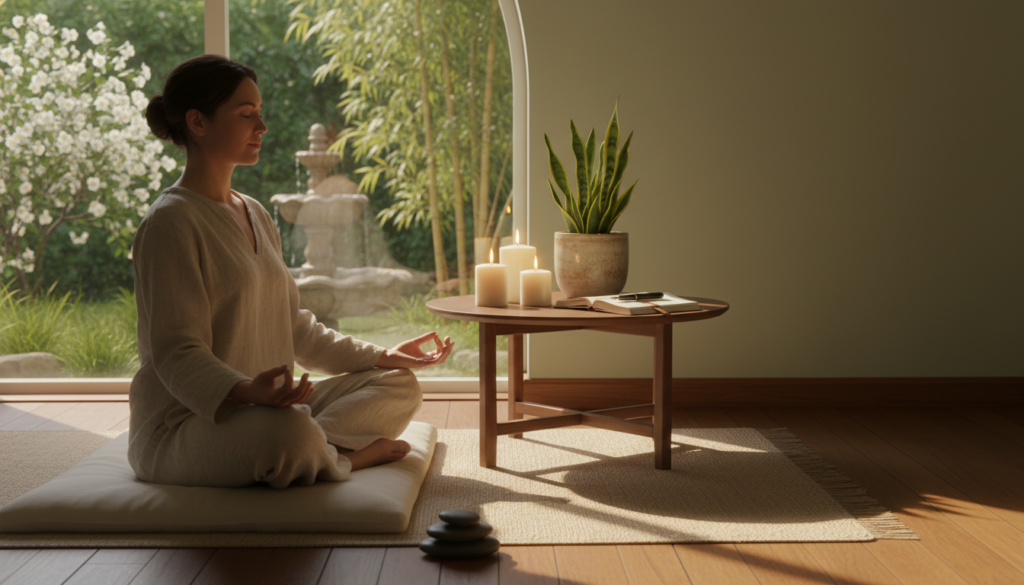
To practice mindfulness, you need a routine that works for you. A daily mindful meditation practice can greatly improve your mental and emotional health.
Finding Your Optimal Practice Time
Finding the right time for mindfulness is key. Try different times to see what works for you. It could be early morning, lunchtime, or before bed. The goal is to find a time when you can focus without distractions.
Setting Realistic Goals for Consistency
Setting goals is important for staying consistent. Begin with a small goal, like 5-10 minutes a day. As you get more comfortable, you can increase the time. The aim is to make mindfulness a regular part of your day.
Using Apps and Technology to Support Your Practice
Technology can help with your mindfulness journey. There are many apps that offer guided meditations and track your progress. Look for the app that fits your needs and keeps you consistent.
By using these tips, you can make mindfulness a lasting part of your life. This will lead to a more mindful and rewarding existence.
Overcoming Common Mindfulness Obstacles
Starting your mindfulness journey can face several challenges. This practice needs patience, dedication, and understanding. By addressing and resolving these common issues, you can strengthen and make your practice more rewarding.
Dealing with a Wandering Mind
A wandering mind is a big obstacle in mindfulness. It’s normal for thoughts to wander, but it’s important to notice and refocus. Regular practice helps improve your ability to stay focused. Guided meditations can also help keep you on track.
Making Time When You’re “Too Busy”
Many find it hard to fit mindfulness into their busy lives. But even a few minutes each day can be beneficial. You can incorporate mindfulness into everyday activities like eating or walking, making it easier to fit it into your schedule.
Maintaining Motivation for Long-Term Practice
Keeping motivated for long-term mindfulness is key. Setting achievable goals and tracking your progress helps. Finding a mindfulness community or buddy can also boost your motivation.
By understanding and tackling these common challenges, you can build a more consistent and fulfilling mindfulness practice.
Mindfulness for Specific Life Challenges
Mindfulness is more than a practice; it’s a way of life. It helps you face life’s challenges with clarity and calm. By being mindful, you gain a deeper understanding of yourself and the world. This understanding helps you overcome obstacles more effectively.
Mindful Approaches to Work Stress
Work stress is a common issue. Mindfulness for work stress means being present and observing your thoughts and feelings. It’s about managing your workload with deliberate actions. Techniques like deep breathing, meditation breaks, and mindful movement can reduce stress and boost productivity.
Navigating Difficult Emotions with Awareness
Navigating difficult emotions needs a mindful approach. It’s about acknowledging your feelings without getting overwhelmed. With mindfulness, you can better regulate your emotions. This lets you respond to tough situations more thoughtfully.
It’s about recognizing what triggers your emotions and using mindfulness to calm down. This way, you can handle challenging situations more effectively.
Mindfulness for Better Decision-Making
Decisions can be tough, especially when they’re complex. Mindfulness for decision-making helps you stay focused and clear. It helps you weigh your options more effectively. By being mindful, you tap into your intuition and make choices that reflect your values and goals.
Using mindfulness for life’s challenges boosts your resilience and emotional well-being. It helps you make better decisions. As you continue on your mindfulness path, these practices become key tools for dealing with life’s complexities.
Conclusion: Your Journey to a More Mindful Life
Exploring mindful meditation has shown you its many benefits. It can improve your daily life. By adding mindfulness to your routine, you can live more intentionally and feel better overall.
Practicing mindfulness daily helps you find inner peace and strength. This makes facing life’s challenges easier and clearer. Meditation is a journey that can bring big positive changes to your life.
As you keep going, you’ll see how mindful meditation improves your life. You’ll notice your thoughts, feelings, and actions more. This helps you make better decisions and respond more thoughtfully.
Now, start your journey to a more mindful life. Begin with small steps and be kind to yourself as you learn. With regular practice, you’ll enjoy the many benefits of mindful meditation. This will make your life more fulfilling and meaningful.