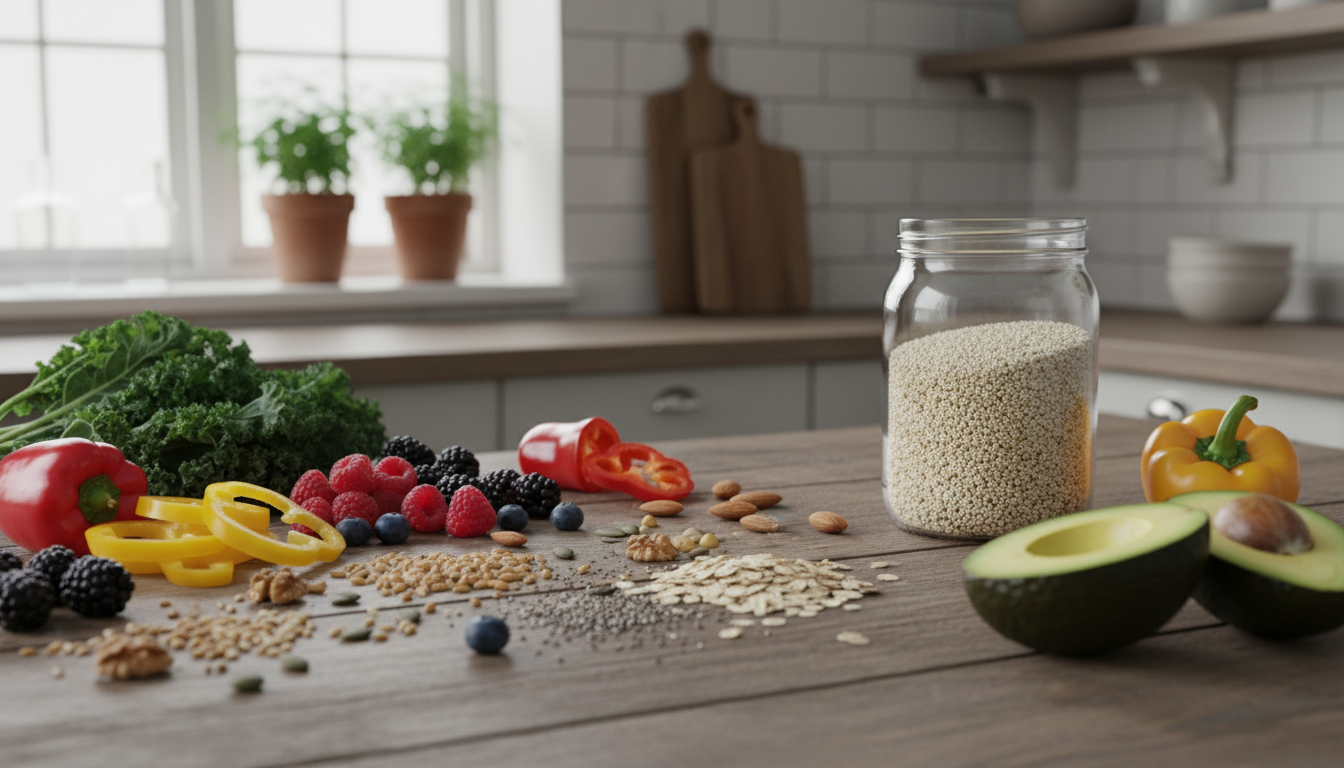
Finding the right food for your body can feel overwhelming. With so many diets out there, it’s hard to know what to choose. Our guide is all about balanced nutrition to help you stay healthy every day.
True clean eating means choosing foods that are as close to nature as possible. These nutrient-dense foods provide vitamins without added salt or additives. By picking these high-quality options, you get the most from every meal.
We’ve picked 15 foods backed by science to boost your energy and health. Each one offers a special benefit and a quick tip for your busy life. Start using these superfoods to feel better from the inside out.
Key Takeaways
- Prioritize whole ingredients over processed alternatives.
- Focus on items low in saturated fats and sodium.
- Look for options rich in natural vitamins and minerals.
- Use quick tips to simplify your daily meal prep.
- Understand the functional benefits of every ingredient.
- Aim for a diverse plate to ensure a full nutrient profile.
Why Whole Foods Is Your Best Nutritional Investment
Choosing whole foods is a smart move for your health. Foods like fruits, veggies, whole grains, lean proteins, and healthy fats are packed with nutrients. They are better for you than processed foods, which often have unhealthy additives.
Whole foods give your body the nutrients it needs. Whole grains, for instance, are full of good carbs, vitamins, and fiber. They help keep your energy up and support your health.
By focusing on whole food choices, you’re not just eating better. You’re investing in your health for the long run. A clean-eating grocery list should include plenty of wholesome ingredients. This helps you reach your health goals and live a balanced life.
Switching to whole foods might seem hard, but it’s worth it. Start by adding more wholesome ingredients to your meals. Slowly cut down on processed foods. This simple change can make a big difference in your health.
Understanding What Makes These 15 Foods Superior
To get the most from your diet, it’s key to know why these 15 foods are special. They are packed with vitamins, minerals, and antioxidants. This makes them stand out.
These foods are more than just what you eat. They are superfoods that offer big health benefits. Knowing their nutritional secrets helps you make better choices.
The Science Behind Nutrient-Dense Foods
Nutrient-dense foods have lots of good stuff but not too many calories. They are rich in macronutrients, such as protein. This helps your muscles and keeps you full. They also contain micronutrients, such as vitamins and minerals, that your body needs.
The table below shows some important nutrients in these foods and their benefits:
| Nutrient | Benefit | Food Examples |
|---|---|---|
| Protein | Supports muscle health and satiety | Eggs, Salmon, Nuts |
| Vitamin A | Boosts immunity and eye health | Sweet Potatoes, Leafy Greens |
| Omega-3 Fatty Acids | Supports heart and brain health | Salmon, Nuts |
How These Foods Deliver Maximum Health Benefits
These 15 foods give you big health benefits because of their nutrients. For example, blueberries fight aging and stress. Broccoli helps your digestion and immune system.
Adding these foods to your diet can boost your health and may lower your disease risk. The trick is to know how to mix them for the best results.
Top Healthy Foods: Powerhouse Fruits and Vegetables for Daily Vitality
Powerhouse fruits and vegetables are key to keeping you energized and healthy. They’re packed with vitamins, minerals, and antioxidants. These nutrients help your body work right, from making energy to fighting off sickness.
Leafy Greens: Building Iron-Rich Blood Health
Leafy greens like spinach and kale are full of nutrients. They have iron, which is important for healthy blood. Iron deficiency is a common condition that can make you feel tired and weak.
Key Benefits and Nutritional Profile
These greens are also rich in calcium and vitamins A, C, and K. They’re good for your eyes and bones, too.
| Nutrient | Benefit |
|---|---|
| Iron | Supports healthy red blood cells |
| Calcium | Essential for bone health |
| Vitamin A | Important for vision and immune function |
Quick Tip: Add to Smoothies for Easy Absorption
Adding leafy greens to smoothies boosts your nutrient intake. Blending them makes their nutrients easier for your body to use.
“A diet rich in leafy greens can significantly reduce the risk of chronic diseases, including heart disease and diabetes.”
Blueberries: Fighting Aging with Antioxidants
Blueberries are famous for their antioxidants. These help fight stress and inflammation in the body.
Key Benefits and Nutritional Profile
Blueberries are full of vitamin C, vitamin K, and manganese. They help keep your brain healthy and may prevent age-related memory loss.
Quick Tip: Fresh vs. Frozen Options
Frozen and fresh blueberries are both healthy. Frozen ones are convenient and just as nutritious as fresh ones.
Broccoli: Supporting Your Liver’s Detox Process
Broccoli has compounds that help your liver and the detoxification process.
Key Benefits and Nutritional Profile
Broccoli is packed with vitamins C and K, and fiber. It also has sulforaphane, which fights cancer.
Quick Tip: Roasting for Maximum Flavor
Roasting broccoli makes it sweeter and tastier. It’s a great way to enjoy it in meals.
Sweet Potatoes: Boosting Immunity with Vitamin A
Sweet potatoes are full of vitamin A. This vitamin is key to a strong immune system.
Key Benefits and Nutritional Profile
Sweet potatoes are also rich in vitamin C and fiber. They boost your immune system and fight off infections.
Quick Tip: Preparing for Optimal Nutrient Retention
Baking or boiling sweet potatoes keeps their nutrients. Avoid overcooking to keep vitamins in.
Protein and Healthy Fats: Foods That Keep You Satisfied
Keeping a healthy diet means balancing protein and healthy fats. These nutrients help your body in many ways. They help build tissues, repair them, and make enzymes and hormones.
Protein-rich foods are key to muscle health. Healthy fats are important for your brain and hormone production. They also help your body absorb vitamins.
Salmon: Feeding Your Brain with Omega-3s
Salmon is packed with protein and omega-3s. These are great for your brain and heart. Omega-3s can reduce inflammation and boost brain function.
Key Benefits and Nutritional Profile
Salmon is full of protein, vitamin D, and selenium. A 3-ounce serving has about 20 grams of protein and lots of omega-3s.
Quick Tip: Wild-Caught vs. Farmed Choices
Choose wild-caught salmon for more omega-3s and fewer contaminants than farmed salmon.
“The benefits of omega-3 fatty acids in salmon extend beyond heart health to include improved brain function and a reduced risk of chronic diseases.”
Eggs: Harnessing the Power of Perfect Protein
Eggs are a great food, full of protein and vitamins. They’re perfect for a healthy diet.
Key Benefits and Nutritional Profile
Eggs have all nine essential amino acids. They’re also rich in vitamin D, choline, and antioxidants.
Quick Tip: Why You Should Eat the Yolk
The yolk is the most nutritious part of the egg. It has most of the vitamins, minerals, and antioxidants. Eating the yolk can offer many health benefits.
Avocado: Loading Up on Potassium and Healthy Fats
Avocados are full of healthy fats, fiber, and nutrients. They’re good for your heart and can help with weight management.
Key Benefits and Nutritional Profile
Avocados have monounsaturated fats, potassium, and fiber. They also have vitamins C, E, and folate.
Quick Tip: Ripeness and Storage Secrets
To check if an avocado is ripe, gently squeeze it. A ripe avocado will be slightly soft. Store avocados at room temperature until ripe, then refrigerate to keep them fresh.
Nuts: Protecting Your Heart Health
Nuts are a healthy snack, full of fats, protein, and fiber. They’re good for your heart and can lower cholesterol.
Key Benefits and Nutritional Profile
Nuts have monounsaturated and polyunsaturated fats, protein, and fiber. They also have vitamins E, magnesium, and potassium.
Quick Tip: Portion Control Strategies
While nuts are healthy, they’re high in calories. Limit your intake to a small handful (about 1 ounce) per serving.
Energy-Sustaining Grains and Legumes for Balanced Blood Sugar
Whole grains and legumes are key to a healthy diet. They give you lasting energy and help your body stay well. These foods are full of fiber, vitamins, and minerals. They help keep your blood sugar balanced and keep you feeling full and energized all day.
Quinoa: Getting Complete Protein from Plants
Quinoa is special because it has all nine essential amino acids your body needs. This makes it great for vegetarians and vegans who want to increase their protein intake.
Key Benefits and Nutritional Profile
Quinoa is not just a complete protein. It’s also full of fiber, iron, magnesium, and potassium. You can use it in salads, as a side dish, or even for breakfast.
- High in protein and fiber
- Rich in essential minerals like iron and magnesium
- Gluten-free, making it suitable for those with gluten intolerance
Quick Tip: Proper Cooking Methods
To cook quinoa, rinse it well and use a 2:1 water-to-quinoa ratio. Boil, then lower the heat, cover, and simmer for 15-20 minutes. The water should be absorbed, and the quinoa should be tender.
Experts say adding quinoa to your diet boosts your nutrition.
Lentils: Stabilizing Your Blood Sugar Naturally
Lentils are a nutritional powerhouse. They’re high in fiber and protein, which help keep your blood sugar stable. They’re also very versatile and can be used in many dishes, like soups and curries.
Key Benefits and Nutritional Profile
Lentils are packed with fiber, protein, and complex carbs. They’re also rich in folate, iron, and potassium. This makes them perfect for keeping your energy up.
- High in fiber and protein
- Rich in essential nutrients like folate and iron
- Supports heart health by lowering cholesterol levels
Quick Tip: Quick-Cooking Varieties
For a quick meal, try quick-cooking lentils. They can be ready in 20-25 minutes. Just sauté onions, garlic, and spices, then add lentils and broth for a nutritious meal.
“Lentils are a nutritional gem, providing a boost of protein, fiber, and minerals that support overall health and well-being.” –
Oats: Lowering Cholesterol with Every Bowl
Oats are famous for lowering cholesterol. They’re full of soluble fiber. Starting your day with oatmeal can keep you full and support your heart.
Key Benefits and Nutritional Profile
Oats are rich in fiber, especially beta-glucan, which lowers LDL cholesterol. They also have vitamins and minerals.
- High in soluble fiber, which helps lower cholesterol
- Rich in antioxidants and various minerals
- Supports healthy blood sugar levels
Quick Tip: Steel-Cut vs. Rolled Options
Steel-cut oats are less processed and have a nuttier flavor. Rolled oats cook faster, making them great for busy mornings.
Adding quinoa, lentils, and oats to your diet boosts your energy and health.
Probiotics and Flavor Boosters: Supporting Gut and Immune Health
To keep your gut and immune system healthy, add probiotic-rich foods and flavor boosters to your meals. These foods improve digestion and boost your immune system.
Greek Yogurt: Cultivating Your Gut Microbiome
Greek yogurt is packed with probiotics from its live cultures. These good bacteria are key for a healthy gut microbiome. This is important for digestion and overall health.
Key Benefits and Nutritional Profile
Greek yogurt is full of protein, calcium, and probiotics. The probiotics support gut health, and the protein helps repair muscles.
| Nutrient | Amount per 6-oz serving |
|---|---|
| Protein | 15-20 grams |
| Calcium | 15-20% of the Daily Value (DV) |
| Probiotics | Live and active cultures |
Quick Tip: Avoiding Sugar-Laden Varieties
Choose plain, unflavored Greek yogurt to avoid added sugars. Add your own flavor with fresh fruits or a drizzle of honey.
Garlic: Activating Your Immune System
Garlic boosts your immune system. It contains compounds that enhance immune function and reduce the severity of colds and flus.
Key Benefits and Nutritional Profile
Garlic is rich in vitamins C and B6, as well as minerals like selenium. Its active compound, allicin, boosts the immune system.
| Nutrient | Amount per 3 cloves |
|---|---|
| Vitamin C | 1-2% of the DV |
| Vitamin B6 | 10-15% of the DV |
| Selenium | 5-10% of the DV |
Quick Tip: Raw vs. Cooked Preparation
To get the most health benefits from garlic, eat it raw or lightly cooked. Raw garlic has more allicin, which boosts the immune system.
Ginger: Aiding Digestion and Reducing Inflammation
Ginger aids digestion and reduces nausea. It’s a great addition to your diet.
Key Benefits and Nutritional Profile
Ginger is full of antioxidants and has anti-inflammatory properties. It’s also a good source of vitamin C and magnesium.
| Nutrient | Amount per 1-inch piece |
|---|---|
| Vitamin C | 5-10% of the DV |
| Magnesium | 5-10% of the DV |
| Antioxidants | High amount |
Quick Tip: Fresh, Dried, and Powdered Uses
Ginger can be used fresh, dried, or as a powder. Fresh ginger is great in teas and stir-fries. Dried or powdered ginger is good for baking and cooking.
Dark Chocolate: Enjoying Magnesium and Antioxidants
Dark chocolate is a treat for your taste buds and your health. It’s rich in magnesium and antioxidants, supporting heart health.
Key Benefits and Nutritional Profile
Dark chocolate contains flavonoids, which are antioxidants that improve heart health. It’s also a good source of magnesium, important for muscle and nerve function.
| Nutrient | Amount per 1 oz serving |
|---|---|
| Magnesium | 15-20% of the DV |
| Antioxidants | High amount |
| Flavonoids | Significant amount |
Quick Tip: Choosing the Right Cacao Percentage
For the best health benefits, choose dark chocolate with at least 70% cocoa content. This ensures you get a good amount of antioxidants and flavonoids.

How to Build Nutrient-Dense Meals Using These Foods
Building nutrient-dense meals is easy with the right tips. A balanced diet is key to getting all the nutrients your body needs. Since no single food has everything, mixing different whole foods is essential.
Start by adding a variety of colors to your plate. Different colors mean different nutrients. Leafy greens are full of iron, while fruits and veggies are packed with vitamins and antioxidants.
Creating Balanced Plates with Multiple Superfoods
A balanced plate has protein, healthy fats, and complex carbs. Here’s how to get it right:
- Begin with a base of leafy greens or other veggies.
- Add protein like salmon, eggs, or lentils.
- Include healthy fats from avocado or nuts.
- Finish with complex carbs like quinoa, sweet potatoes, or oats.
Combining Foods to Maximize Nutrient Absorption
Some foods boost nutrient absorption from others. For example:
- Vitamin C foods, such as citrus or bell peppers, help increase iron absorption when eaten with iron-rich foods.
- Healthy fats in nuts and avocado improve the absorption of vitamins A, D, E, and K.
By carefully mixing these superfoods, you make meals that taste great and boost nutrient absorption. This supports your health and well-being.
Your Clean Eating Grocery Shopping Strategy
Starting a clean eating lifestyle means planning your grocery shopping. At the store, you face many choices that can help or hurt your health goals. Having a clear plan is key to a successful shopping trip.
Prioritizing Organic vs. Conventional Choices
Deciding between organic and conventional produce is a big choice. Organic produce is grown without harmful chemicals, but it costs more. For items like strawberries and spinach, which are high in pesticides, choose organic.
For items like avocados and onions, which have lower pesticide levels, conventional might be cheaper.
- Choose Organic: For produce with high pesticide residue levels.
- Consider Conventional: For produce with lower pesticide residue levels.
Budget-Friendly Shopping Tips for Whole Foods
Eating whole foods doesn’t have to be expensive. Here are some tips to save money:
- Buy in bulk: Grains, nuts, and dried fruits are cheaper when purchased in bulk.
- Shop seasonally: In-season produce is usually less expensive.
- Plan your meals: This helps avoid buying things you don’t need.
Reading Labels and Selecting Quality Products
When buying packaged foods, reading labels is important. Look for products with fewer ingredients and less sugar. For example, when buying bread, choose the one with more fiber and less sugar.
Some important things to look for on labels include:
- Added Sugars: Choose products with less added sugar.
- Whole Grains: Opt for products made with whole grains for more fiber.
- Artificial Ingredients: Avoid products with artificial preservatives and flavorings.
Meal Prep and Storage Techniques for These Superfoods
Keeping a healthy diet with superfoods is easier with good meal prep and storage. These methods help you enjoy your superfoods at their best. This way, you get the most nutritional benefits.
Meal prep saves time and ensures healthy meals. It’s about planning and preparing meals ahead. This way, you always have a healthy option ready.
Weekly Batch Preparation Methods
Batch preparation is a smart way to save time. It involves cooking a lot of food at once and then portioning it out for the week. This is great for foods like lentils, quinoa, and roasted veggies.
- Cook a big batch of quinoa or brown rice on the weekend. Use it in different meals all week.
- Roast many vegetables at once. Store them in airtight containers for easy access.
- Make a week’s worth of overnight oats or breakfast burritos. They’re quick and healthy.
A nutrition expert says, “Batch cooking is a game-changer for busy people who want to eat healthy. It saves time and ensures you eat nutrient-dense meals.”
“Batch cooking lets you prepare healthy meals ahead. It makes sticking to your diet goals easier.”
Proper Storage for Maximum Freshness and Nutrition
Properly storing superfoods is key to keeping them fresh and nutritious. Each food needs a specific storage method to stay good.
| Food | Storage Method | Benefits |
|---|---|---|
| Leafy Greens | Store in airtight containers with paper towels to absorb moisture. | Maintains freshness and prevents spoilage. |
| Nuts and Seeds | Store in the refrigerator or freezer to prevent rancidity. | Preserves healthy fats and nutrients. |
| Berries | Store in a container lined with paper towels to absorb moisture. | Keeps berries fresh for a longer period. |
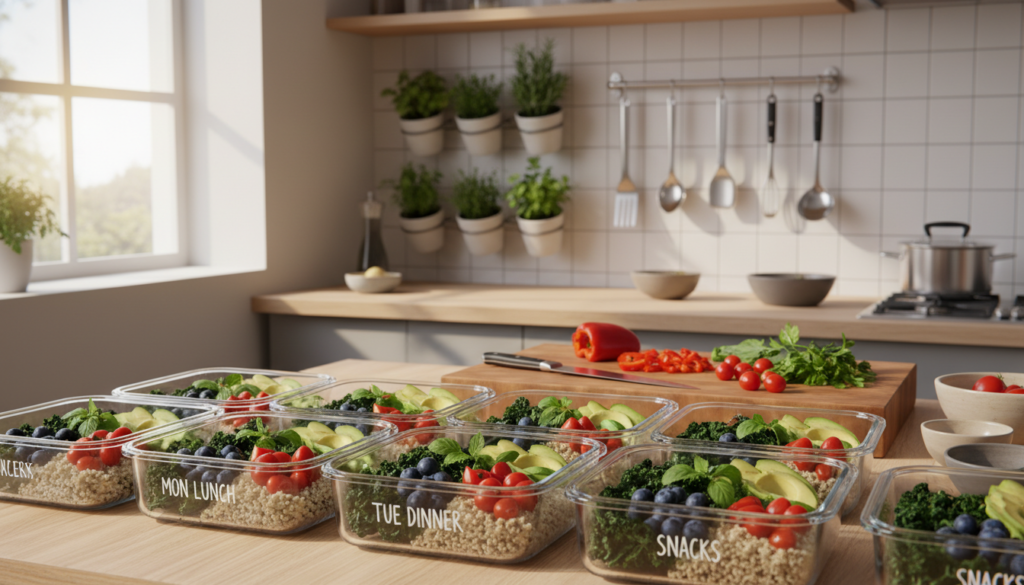
Learning meal-prep and storage tricks can make healthy meals easier. It saves time and reduces food waste. Add these tips to your routine to get the most from your superfoods.
Common Pitfalls to Avoid When Eating for Optimal Health
When you aim for optimal health, knowing common dietary mistakes is key. Eating right is a journey of balance and awareness. It’s about avoiding pitfalls that can set you back.
It’s easy to get lost in the sea of nutritional advice. But knowing the common mistakes helps you stay on track. This knowledge is crucial for achieving and keeping optimal health.
Trying to Incorporate All 15 Foods at Once
One big mistake is trying to add all 15 recommended foods at once. While it’s good to be eager, adding too many new foods at once can be too much. This can make you give up on your healthy eating plans.
Instead, start slow. Add one or two new foods each week. This lets your taste buds and body adjust. It makes sticking to your new diet easier. Here’s how to add new foods gradually:
- Start with foods that fit easily into your meals.
- Try different ways of preparing food to find what you like.
- Watch how your body reacts to new foods and adjust as needed.
Overlooking Portion Sizes with Healthy Fats
Another mistake is ignoring portion sizes, especially when it comes to healthy fats. Foods like avocados, nuts, and olive oil are good for you. But, they’re also high in calories, so portion control is key.
For instance, eating too much avocado can add too many calories. A serving size is about one-third to one-half of the fruit. Knowing these sizes helps you enjoy healthy fats without overeating.
To avoid this mistake, learn the right serving sizes for healthy fats and other nutrient-rich foods. This knowledge helps you maintain a balanced diet and supports your health goals.
Your Step-by-Step Action Plan for This Week
Starting your journey to better health is exciting. Here’s a simple plan for this week. It breaks down into easy steps to add the top 15 healthy foods to your diet. You’ll soon see the benefits of your improved nutrition.
Selecting Your First 2-3 Foods to Add
Start by picking 2-3 foods from the list that you like. Think about your diet, allergies, and favorite recipes. For example, add blueberries to your breakfast bowls for antioxidants or oats for energy.
Here’s a guide to help you choose:
- Foods you already enjoy and can easily add more of
- Foods with many health benefits
- Foods easy to find in your local stores
Simple Recipes to Get Started
After picking your food, it’s time to cook. Here are simple recipes to start with:
- Blueberry Oatmeal Bowl: Mix cooked oats with blueberries, honey, and nuts.
- Avocado Toast: Toast bread, mash avocado, and add an egg or salt and pepper.
- Salmon Salad: Mix salmon with veggies, lemon, and herbs.
Tracking Your Progress and Energy Levels
Notice how your body reacts to these new foods. Keep a log of your energy, digestion, and mood. This helps you see which foods are best for you and adjust as needed.
Track these important things:
- Your energy levels all day
- Any changes in digestion or bowel movements
- Any mood or well-being improvements
By following this plan, you’ll add the top 15 healthy foods to your diet. You’ll enjoy the benefits of better nutrition.
Conclusion
You now know how important it is to eat the best foods for your health. A balanced diet rich in whole foods is key to feeling good. The top 15 healthy foods from this article are a great start to eating well.
When you choose healthy foods, you’re taking charge of your health. Start by adding a few of these foods to your meals. Then, aim to have a variety of superfoods on your plate. Soon, you’ll feel more energetic and healthy.
Starting your health journey is all about small steps. Use the advice from this article to make big changes in your life. Remember, it’s about making progress, not being perfect. Enjoy every small win on your path to better health.