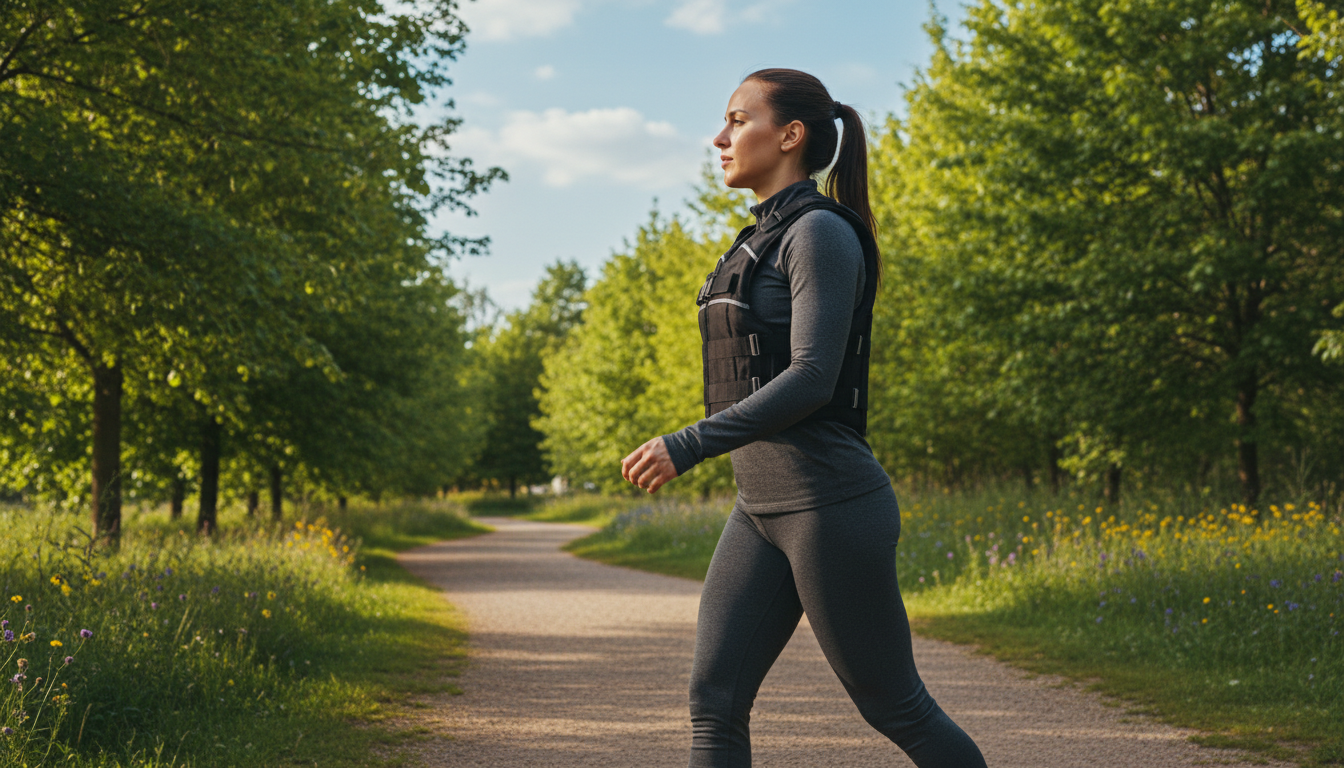
You might think wearing a weighted vest just makes your workouts tougher. But a 2025 study reveals it does more than just burn calories. It helps keep your body balanced even after you stop exercising.
A 2024 study found that wearing heavy gear while walking boosts your metabolism. Experts at Wake Forest University think the gravitostat theory explains this effect. It helps protect your resting energy levels.
These devices mimic your body’s natural weight, tricking your brain into burning more calories. This can prevent the usual slowdowns in your fitness journey. It’s important to start with the right weight for the best results.
Key Takeaways
- New 2025 studies show long-term metabolic benefits for users.
- Loading the body helps preserve your resting energy levels during dieting.
- Walking with extra gear increases calorie burn in a unique, nonlinear way.
- Internal body sensors may help lock in your slimming progress over time.
- Choosing the correct equipment is vital for safety and maximum results.
- Research suggests these tools help prevent common metabolic slowdowns.
The 2025 Wake Forest University Study: A Weight Loss Breakthrough
The INVEST Study at Wake Forest University found something significant about weight-loss maintenance. They used weighted vests to see how they affect weight loss and resting metabolic rate (RMR).
What they found was amazing. People who wore weighted vests while dieting kept their resting metabolism the same. They lost an average of 11.2 kg (24.7 lbs) at first and kept it off for two years. On the other hand, those who just dieted saw their RMR drop, making it harder to keep weight off.
This study shows that weighted vests can help with weight-loss maintenance. They help maintain a steady resting metabolic rate. This is key to beating the biggest challenge in keeping weight off: metabolic adaptation.
| Group | Initial Weight Loss (kg) | Weight Loss Maintenance at 2 Years (kg) | Change in Resting Metabolic Rate |
|---|---|---|---|
| Diet Alone | 10.5 | 5.2 | Significant decrease |
| Diet + Weighted Vest | 11.2 | 10.8 | Preserved |
This study backs up the gravitostat hypothesis. It shows that weighted vests can help keep weight off by affecting how the body regulates weight. Knowing this science can help you make better choices for your weight loss plan.
Understanding the Gravitostat Hypothesis: How Your Bones Talk to Your Brain
Recent research has uncovered a fascinating aspect of human biology: the gravitostat hypothesis. It shows that our bodies have a way to control weight based on the gravity on our bones. This means that cells in our bones can detect weight changes and send signals to our brains. These signals can change how hungry we feel and how fast we burn calories.
This discovery opens new ways to understand how we maintain stable weight. By wearing a weighted vest, you can trick your body into thinking it’s heavier. This can alter your metabolism and support weight control.
What the Gravitostat Theory Reveals About Weight Regulation
The gravitostat theory sheds light on how we regulate our weight. It says that the gravity on our bones is key. When you wear a weighted vest, you increase this gravity. This can change your metabolic rate and how hungry you feel.
Research shows that this can boost metabolism and aid weight loss. Knowing how the gravitostat works helps us see the benefits of using weighted vests for weight loss.
| Mechanism | Effect on Weight Regulation | Impact on Metabolism |
|---|---|---|
| Gravitational Load on Bones | Influences appetite and weight | Can boost metabolic rate |
| Bone Cells Sensing Weight Changes | Sends signals to the brain | Affects metabolic processes |
| External Weight (e.g., Weighted Vest) | Can “trick” the body into weight regulation | Enhances metabolism |
The Bone-Loading Signal That Controls Your Metabolism
The bone-loading signal is a key part of the gravitostat hypothesis. It’s how the gravity on our bones affects our metabolism. Adding weight, like with a weighted vest, boosts this signal.
This stronger signal can make your body burn more calories even when you’re not moving. This is an exciting area of research for weight loss strategies.
Understanding the gravitostat hypothesis and its effect on metabolism helps us make smart choices. Using weighted vests in our fitness routines can boost metabolism and help with weight loss.
Why Weighted Vest Weight Loss Works Differently Than Traditional Dieting
Using a weighted vest for weight loss is not like traditional dieting. It doesn’t just cut calories. It also sends signals to your body to keep your metabolism high.
The secret to why weighted vest weight loss works is its effect on your metabolism. Traditional diets can slow down your metabolism as your body adjusts to fewer calories. But wearing a weighted vest can help prevent this slowdown.
The Metabolism Preservation Effect Explained
Research shows that people who use weighted vests while dieting keep their metabolism higher. For example, the INVEST Study found that those wearing vests maintained their resting metabolic rate. Meanwhile, those dieting without vests saw a drop of ~237 calories/day in their metabolism. Keeping your metabolism steady is key for lasting weight loss.
Key benefits of metabolism preservation include:
- Enhanced fat loss
- Improved weight loss maintenance
- Better overall metabolic health
With a higher metabolic rate, your body burns calories more efficiently, even when you’re not moving. This makes losing weight and keeping it off easier.
Comparing Long-Term Results: Weighted Vest Users vs Diet-Only Groups
Looking at long-term results, the benefits of using a weighted vest are clear. People who use vests tend to keep weight off better because their metabolism stays high.
Here are some key differences:
| Group | Metabolic Rate Change | Weight Loss Maintenance |
|---|---|---|
| Weighted Vest Users | Preserved metabolic rate | Better maintenance |
| Diet-Only Group | Metabolic slowdown | Poorer maintenance |
Understanding these differences helps you choose the best weight loss method. Adding a weighted vest to your routine can be a smart way to reach and maintain your weight-loss goals.
How Weighted Vests Boost Metabolism Beyond Immediate Calorie Burning
Research shows that weighted vests can boost your metabolism in many ways. It’s not just about burning calories during exercise. This extra boost is key to managing weight and staying healthy.
Adding a weighted vest to your workouts does more than just make them harder. It also triggers metabolic responses that support long-term weight loss and help keep it off.
Resting Metabolic Rate Protection During Weight Loss
One big plus of using a weighted vest is that it helps protect your resting metabolic rate (RMR) when you’re losing weight. RMR is the number of calories your body burns when you’re not moving. It’s very important for your metabolic health.
Studies show that dieting alone can lower your RMR, making it harder to keep weight off. But using a weighted vest might help keep your RMR stable.
“Resistance training with weighted vests can help preserve resting metabolic rate during weight loss, which is essential for maintaining weight loss over time.”
The Adaptive Thermogenesis Factor
Adaptive thermogenesis is your body’s way of adjusting its energy use as conditions change. When you’re dieting, your body might use less energy, making it harder to lose weight.
Wearing a weighted vest can help keep your metabolic rate high, even when you’re not moving. This is especially good when you’re eating fewer calories.
- Increased muscle mass due to resistance training
- Enhanced bone density
- Improved metabolic health markers
Impact on Body Composition and Lean Mass
Weighted vests can also improve your body composition by helping you maintain or increase lean mass while you lose weight. Having more lean mass means a higher resting metabolic rate.
By keeping lean mass, you lose more weight from fat, not muscle. This improves your health and makes it easier to keep weight off.
To get the most from a weighted vest, pair it with a healthy diet and regular exercise. This creates a solid plan for managing weight, focusing on both calorie intake and burning.
Choosing the Right Weighted Vest for Your Weight Loss Goals
Starting your weight loss journey with a weighted vest is exciting. But first, you need to pick the right one. The right vest can improve your workouts, boost your metabolism, and help you lose weight faster.
Determining Your Optimal Starting Weight
Finding the perfect starting weight for your vest is key. Studies show that a vest weighing 10% to 15% of your body weight is best for weight loss.
Body Weight Percentage Guidelines
If you weigh 150 pounds, your vest should be 15 to 22.5 pounds. This weight is heavy enough to challenge you but still lets you perform the exercises correctly.
Progressive Load Planning
Remember to plan for adding more weight as you get stronger. An adjustable weighted vest lets you increase the weight as you progress. This keeps your weight loss journey moving forward.
Essential Fitness Gear Features for Weight Management
When picking a weighted vest, look for certain features. These include a good fit, comfort, even weight distribution, and adjustability.
Fit, Comfort, and Weight Distribution
Your vest should fit well but not be too tight. It should let you move freely. The weight should be evenly distributed to avoid putting too much pressure on a single spot.
Adjustable vs Fixed Weight Systems
Consider whether you want an adjustable or a fixed-weight system. Adjustable vests are great for changing weights as you get fitter. Fixed-weight vests are simpler and more consistent.
| Feature | Adjustable Weight Vest | Fixed Weight Vest |
|---|---|---|
| Flexibility | Allows for weight adjustments | Weight is fixed and cannot be changed |
| Cost | Generally more expensive | Often less expensive |
| Progressive Overload | Easier to implement progressive overload | Limited ability to adjust weight |
Getting Started Safely: Your Step-by-Step First Two Weeks
Starting your weighted vest journey requires a safe and effective approach. It’s important to progress gradually and watch how your body reacts.
Week 1: Acclimation and Form Assessment
In the first week, focus on getting used to the vest and learning the right form.
Days 1-3: Short Duration Sessions
Start with 10-15 minute sessions. Use a weighted vest for walking or simple exercises. This helps your body adjust to the extra weight.
Days 4-7: Extending Your Time
Slowly increase your workout time by 5-10 minutes each day. By week’s end, aim for at least 30 minutes with the vest on.
Week 2: Building Consistency and Intensity
Week two builds on week one. You’ll add tougher exercises and make your workouts more intense.
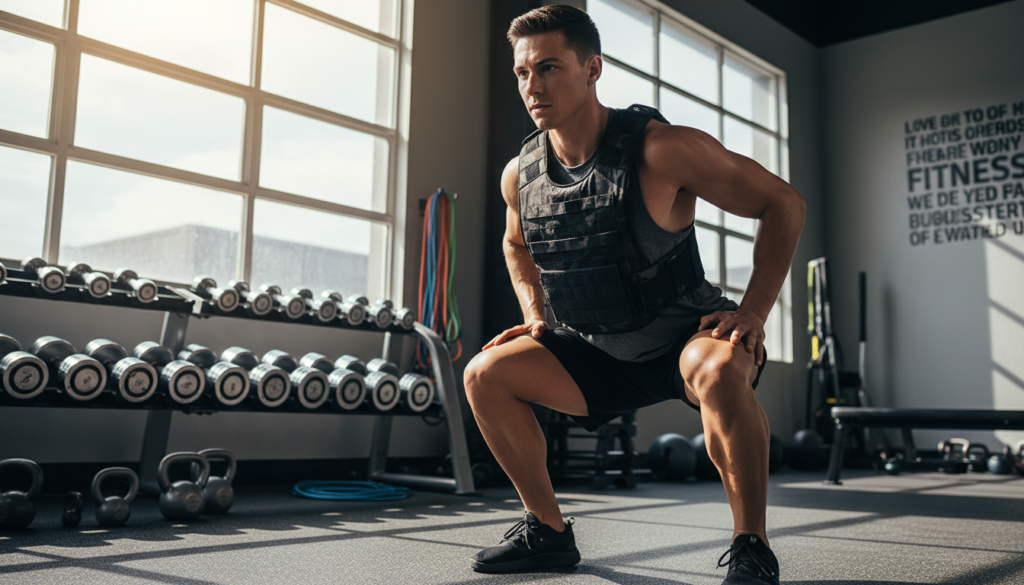
Try adding resistance training like squats, lunges, or push-ups with the vest on.
Monitoring Your Body’s Response
Listen to your body over the next two weeks. If you feel pain or discomfort, change your vest weight or workout plan.
| Week | Duration | Intensity |
|---|---|---|
| 1 | 10-30 minutes | Low |
| 2 | 30-45 minutes | Moderate |
Weighted Vest Walking: The Most Accessible Fat Loss Method
Walking with a weighted vest is a simple yet powerful way to increase the intensity of your workouts. Adding weight to your body can enhance your calorie burn and boost your metabolism. This makes it an effective method for fat loss.
Optimal Walking Duration and Weekly Frequency
To get the most out of weighted vest walking, it’s essential to determine the optimal walking duration and frequency. Research suggests that walking for at least 30 minutes per session, 3-4 times a week, can be effective for weight loss.
You can adjust the duration and frequency based on your individual goals and fitness level. For example, if you’re just starting out, you may want to begin with shorter walks (20-30 minutes). Gradually increase the duration as you build endurance.
Calculating Your Enhanced Caloric Burn
Adding a weighted vest to your walking routine can increase your caloric burn by approximately 12-13%. To calculate your enhanced caloric burn, you can use a simple formula:
| Weight (lbs) | Caloric Burn per Hour (without vest) | Caloric Burn per Hour (with vest) |
|---|---|---|
| 150 | 240 | 270 |
| 180 | 280 | 315 |
| 220 | 320 | 360 |
This table illustrates how wearing a weighted vest can increase caloric burn during walking. The exact calorie burn will depend on several factors, including your weight, walking speed, and the vest’s weight.
Progressive Walking Protocols
To continue making progress and challenging your body, it’s essential to implement progressive walking protocols. This can be achieved by:
- Increasing the weight of the vest
- Adding more walking days per week
- Increasing the duration or intensity of your walks
By incorporating these progressive protocols into your weighted vest walking routine, you can continue challenging your body and achieving your fat-loss goals.
Rucking for Fat Loss: Advanced Outdoor Weighted Vest Training
Ready to boost your weight loss? Try rucking with a weighted vest. It’s walking with a vest on different terrains. This method is tough and effective for losing weight.
What Makes Rucking Effective for Weight Management
Rucking burns more calories and works your muscles harder. Walking on different terrains with a vest makes your body work harder. This burns calories and boosts your metabolism.
Key Benefits of Rucking:
- Increased caloric burn due to varied terrain and added weight
- Enhanced muscle engagement for improved strength and endurance
- Potential for improved bone density through weight-bearing exercise
Terrain Selection and Route Planning
The right terrain and route planning are key to rucking’s weight loss benefits. Choose varied terrain, such as hills and trails. This keeps your workouts interesting and prevents plateaus.
Tips for Terrain Selection:
- Start with gentle slopes and gradually increase the incline as you build endurance.
- Mix terrain types, such as trails, roads, and stairs, to vary the challenge.
- Incorporate uneven terrain to improve balance and stability.
Rucking Workout Progressions
To keep improving, increase your workout intensity. Add more weight, walk longer, or tackle tougher terrains. This will help you see better results.
Progressive Overload Techniques:
- Gradually increase the weight in your vest over time.
- Extend the distance or duration of your rucking sessions.
- Incorporate more challenging terrain or obstacles.
By adding rucking to your routine and pushing yourself harder, you’ll see big improvements in weight management and fitness.
Incorporating Weighted Vests Into Resistance Training Workouts
Adding weighted vests to your workouts does more than build strength. It also boosts your metabolism, helping with weight loss. This is because it challenges your muscles and increases how much energy you use.
Weighted vests make your workouts more versatile. You can use them with many exercises, like bodyweight movements, HIIT, and circuit training.
Bodyweight Exercises Enhanced With Added Load
Bodyweight exercises are key in many workout plans. Adding a weighted vest makes them harder and more effective.
Push-ups, Squats, and Lunges
Push-ups, squats, and lunges are great for bodyweight exercises. Wearing a weighted vest makes them tougher. For example, it makes push-ups work your chest, shoulders, and triceps harder. Squats and lunges also get more challenging, focusing on your legs and glutes.
- Push-ups: Targets chest, shoulders, and triceps
- Squats: Work quadriceps, hamstrings, and glutes
- Lunges: Targets legs, glutes, and improves balance
Pull-ups and Dips Progression
To increase upper-body strength, pull-ups and dips can be made harder with a weighted vest. This is great for those who have mastered the basics and want to get stronger.
To use weighted vests in your pull-up and dip routine, start with a small weight. Then, add more as you get stronger. This helps you keep improving and build your muscles.

HIIT and Circuit Training With Weighted Vests
HIIT and circuit training are great for burning calories and improving your heart health. Adding a weighted vest makes them even more effective.
For example, wear a weighted vest during HIIT with burpees, jump squats, or mountain climbers. The extra weight makes it harder, pushing your muscles and heart more than usual.
Circuit training with a weighted vest involves doing exercises one after another with little rest. It boosts your muscle endurance and keeps your heart rate up. This helps burn more calories and aids in weight loss.
Common Mistakes to Avoid for Safe and Effective Weight Loss
Using weighted vests for weight loss can be tricky. Many people make mistakes that slow down their progress or even hurt themselves. Knowing these mistakes helps you stay safe and reach your goals.
Weighted vest training is great for weight loss, but it requires careful planning. Knowing the common mistakes helps you get the most out of your workouts without getting hurt.
Starting With Excessive Weight
Starting with too much weight is a big mistake. It can hurt your joints and muscles. Start with a weight that’s challenging but not too hard – about 5-10% of your body weight. Then, slowly add more weight as you get stronger.
- Begin with a lower weight percentage (5%) if you’re new to weighted training.
- Progressively increase the weight as your strength and endurance improve.
- Listen to your body and adjust the weight as you feel.
Compromising Form and Posture Under Load
Keeping good form and posture is key when wearing a weighted vest. The extra weight can make bad movements worse, leading to injury. Keep your core engaged, shoulders back, and movements controlled. If your form starts to slip, lower the weight or take breaks.
Wearing Your Vest All Day Long
It might seem like a good idea to wear your weighted vest all day to burn more calories. But it can cause excessive strain and fatigue. Use your weighted vest only for structured workout sessions and avoid wearing it for long periods of sitting.
Neglecting Recovery and Rest Days
Rest is a big part of any weight loss plan. Skipping rest days can slow down your weight loss and increase injury risk. Make sure to rest well between workouts and include rest days in your plan.
Avoiding these mistakes helps you use weighted vests safely and effectively for weight loss. Remember, successful weight loss comes from a mix of regular exercise, healthy eating, and enough rest.
Weight Loss Maintenance: Sustaining Your Results Long-Term
Reaching your weight loss goal is just the start. The real challenge is keeping the weight off. To do this, you need a plan that understands the changes your body goes through when you lose weight.
Understanding the Challenges
When you lose weight, your body changes to save energy. Hormones, metabolism, and even how your bones talk to your brain through the gravitostat hypothesis all play a part. To keep the weight off, it’s key to keep sending signals to your gravitostat and avoid metabolic changes.
Maintaining Gravitostat Signaling After Reaching Your Goal
The gravitostat hypothesis states that your bones help regulate your weight by sending signals to your brain. To keep this signaling after you’ve lost weight, use a weighted vest in your workouts. This keeps the bone-loading signal that helped you lose weight.
Preventing Metabolic Adaptation Over Months and Years
Metabolic adaptation occurs when your body becomes more efficient at using energy, making it harder to keep weight off. To avoid this, mix up your workouts with resistance training and high-intensity interval training (HIIT). This keeps your resting metabolic rate (RMR) up and prevents excessive lean mass loss.
- Incorporate strength training to build and maintain muscle mass.
- Include HIIT workouts to boost your metabolism.
- Monitor your progress and adjust your exercise routine as needed.
Adjusting Your Weighted Vest Protocol as You Progress
As you get better at losing weight, you need to change your weighted vest plan. You might add more weight, try different exercises, or add activities like rucking or weighted vest walking.
By keeping your body challenged and maintaining gravitostat signaling, you can keep your weight loss results for a long time.
Conclusion
Using a weighted vest can change your weight loss journey. Studies, such as the 2025 Wake Forest University Study, show that it boosts metabolism. It also keeps your resting metabolic rate steady.
Understanding how weighted vests work can help you lose weight. They increase calorie burn during workouts. This also helps keep your metabolism healthy over time.
To keep boosting your metabolism and losing weight, keep using weighted vests in your workouts. With regular use and increasing the weight, you’ll see lasting results. You’ll also enjoy better health overall.