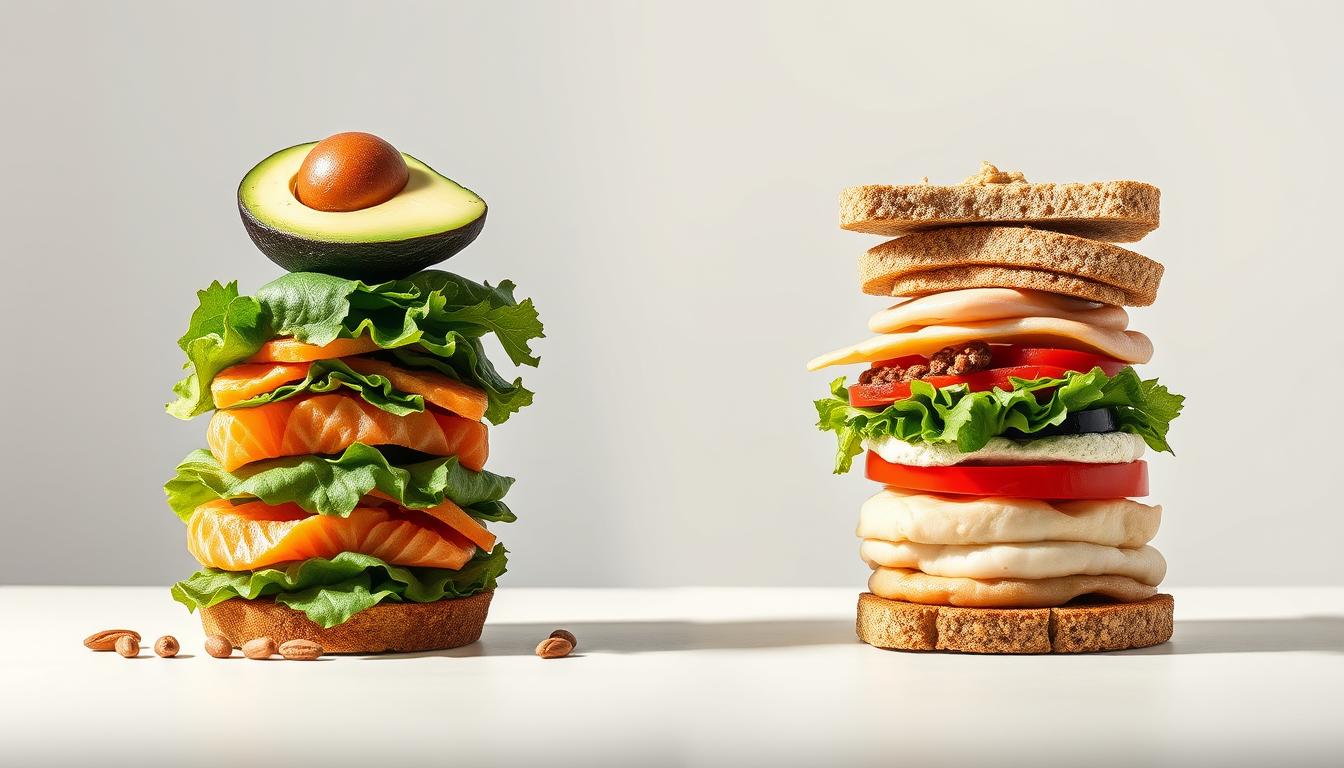
Are you tired of strict diets that make you miss your favorite foods? Many struggle with diets that are too low in carbs or fats. It’s time to rethink the power of roughage.
The F-Factor Diet, by Tanya Zuckerbrot, is a game-changer. It focuses on high-volume, plant-based nutrients. This way, you can lose weight without giving up your favorite drinks or meals.
Knowing the importance of fiber is key to body transformation. This simple change keeps you full longer and boosts your metabolism. Once you see the benefits of fiber, losing weight will feel natural and lasting.
Key Takeaways
- The F-Factor approach emphasizes adding nutrients rather than just subtracting calories.
- You can enjoy a balanced lifestyle without strict deprivation of your favorite foods.
- Roughage helps manage hunger throughout your busy day.
- Tanya Zuckerbrot’s method highlights the role of lean proteins alongside plant-based roughage.
- Sustainable results come from consistent habits rather than temporary dietary trends.
Understanding the Science of Fiber for Weight Loss
Fiber’s role in weight loss stems from its impact on our body’s processes. Studies have shown that eating more fiber can help you lose weight. It also helps prevent obesity and chronic diseases.
Fiber affects how we feel hungry and full. It also changes how our body burns energy.
Why Fiber Outperforms Low-Carb and Low-Fat Diets
Fiber is better than many diets because it tackles the root causes of weight gain. Unlike low-carb or low-fat diets, a high-fiber diet is easier to stick to. Fiber helps you feel full and reduces hunger, making it great for managing weight.
Fiber’s benefits include improved digestion and a feeling of fullness. Foods rich in fiber are more filling, helping you eat fewer calories. This is a big plus compared to diets that make you feel deprived.
| Diet Type | Effect on Satiety | Sustainability |
|---|---|---|
| High-Fiber Diet | Promotes long-lasting satiety | Highly sustainable due to balanced nutrient intake |
| Low-Carb Diet | Initial satiety, potential for increased hunger later | Often difficult to maintain long-term |
| Low-Fat Diet | May not be as filling, potential for overeating | Can be challenging to follow, may lead to nutrient deficiencies |
The Mechanics of Satiety and Hunger Hormones
Fiber’s effect on feelings of fullness is linked to hunger hormones. Foods high in fiber slow digestion, making you feel full longer. This is because of hormones like cholecystokinin (CCK) and peptide YY (PYY), which signal to your brain that you’re full.
By affecting these hormones, fiber reduces hunger and boosts feelings of fullness. This is why fiber is so effective for losing weight.
How Fiber Acts as a Physical Barrier to Glucose Absorption
Fiber plays a big role in weight loss, especially by blocking glucose absorption. This is key for keeping blood sugar stable and avoiding insulin spikes. These spikes can lead to fat storage and energy crashes.
“A high-fiber diet is associated with improved glucose regulation and a reduced risk of developing type 2 diabetes,” shows how important fiber is in controlling glucose.
The Gel-Forming Process of Soluble Fiber
Soluble fiber, found in oats, barley, and fruits, turns into a gel in water. This gel slows down glucose absorption into the blood. It prevents sudden blood sugar spikes.
The gel acts as a physical barrier, trapping glucose. This slows its release into the blood. It helps glucose be released more slowly, easing the body’s insulin response.
Preventing Insulin Spikes and Fat Storage
Fiber slows glucose absorption, preventing insulin spikes. Quick glucose absorption leads to rapid increases in blood sugar. This triggers an insulin response, leading to fat storage, especially around the belly.
Fiber helps stabilize blood sugar, reducing insulin resistance and fat storage. This is crucial for those at risk of type 2 diabetes or trying to manage their weight.
Avoiding Energy Crashes Through Steady Blood Sugar Stability
Fiber’s role in glucose absorption also helps maintain steady energy levels. Slow glucose absorption means a steady energy source. This reduces energy crashes from low blood sugar.
So, a high-fiber diet helps keep blood sugar stable. It supports energy levels and reduces the need for quick energy fixes like sugary snacks or caffeine.
Optimizing Your Gut Health with Prebiotic Fiber
Prebiotic fiber is a game-changer for gut health and metabolism. Adding prebiotic-rich foods to your diet boosts your wellness.
Prebiotic fiber feeds good bacteria in your gut, helping your microbiome stay healthy. This supports digestion, immune function, and even mental health.
The Connection Between Microbiome Diversity and Metabolism
A diverse gut microbiome is key to a healthy metabolism. Studies show people with diverse gut bacteria have better metabolic health. This includes better glucose control and weight management.
Key benefits of a diverse gut microbiome include:
- Enhanced metabolic function
- Improved immune response
- Better nutrient absorption
- Reduced inflammation
How Prebiotic Foods Fuel Beneficial Bacteria
Prebiotic foods are full of fibers that good bacteria in your gut love. Eating these foods helps these microbes grow and work better.
Some examples of prebiotic foods include:
- Asparagus
- Onions
- Garlic
- Whole wheat bread
- Bananas
Eating these foods helps create a good home for beneficial bacteria. This leads to better gut health and overall wellness.
Identifying the Best Fiber Sources for Your Daily Routine
To make fiber a part of your daily life, it’s key to know where to find it. The F-Factor Diet focuses on whole, unprocessed foods. These include whole grains, beans, legumes, nuts, seeds, lean proteins, and fiber-rich fruits and vegetables.
Distinguishing Between Soluble and Insoluble Fiber Benefits
Fiber is split into two types: soluble and insoluble. Soluble fiber dissolves in water, creating a gel that slows down digestion. It’s found in oats, barley, fruits, and veggies. In contrast, insoluble fiber doesn’t dissolve in water and helps keep stool regular. It’s found in whole grains, nuts, and seeds.
Both soluble and insoluble fiber are vital for a healthy gut. Soluble fiber can lower cholesterol and control blood sugar. Insoluble fiber prevents constipation and supports good gut bacteria.
Top Whole Food Choices for Maximum Nutrient Density
Eating a variety of whole foods is the best way to get enough fiber. Here are some top choices:
- Legumes like lentils, chickpeas, and black beans
- Whole grains like quinoa, brown rice, and whole wheat bread
- Nuts and seeds like almonds, chia seeds, and flaxseeds
- Fruits like berries, apples, and bananas
- Vegetables like broccoli, carrots, and Brussels sprouts
These foods are not just high in fiber. They’re also packed with vitamins, minerals, and antioxidants. Adding them to your diet supports your overall health and well-being.
Step-by-Step Guide to Increasing Fiber Intake Safely
To get the most health benefits from fiber, it’s key to know how to incorporate it into your diet. Boosting your fiber intake can be good for you, but too much can cause stomach problems.
Gradual Integration to Prevent Digestive Discomfort
Too much fiber at once can cause bloating, cramps, gas, and diarrhea. To dodge these problems, it’s important to slowly increase your fiber intake. Start with a bit of high-fiber foods in your meals and slowly add more over the weeks. This lets your gut get used to the new fiber.
For instance, if you’re eating about 10 grams of fiber daily, try increasing to 15 grams for a week. Then, to 20 grams the next week, and so on, until you hit your goal.
| Week | Daily Fiber Intake Goal | Example Foods |
|---|---|---|
| 1 | 15g | Oatmeal with fruit |
| 2 | 20g | Add almonds and avocado |
| 3 | 25g | Include more legumes |
Hydration Strategies for Effective Fiber Digestion
Drinking enough water is crucial when you’re increasing your fiber intake. Fiber soaks up water in your gut. Without enough water, fiber can cause constipation. Make sure to drink plenty of water throughout the day to help fiber move smoothly.
It’s good to aim for 8-10 glasses of water a day. But how much you need can change based on your activity, climate, and more.
Strategic Meal Planning for a High Fiber Diet
To make a high fiber diet a part of your life, planning meals is key. Choose foods that boost your fiber intake and provide all the nutrients you need.
A high-fiber diet offers many benefits. It helps you feel full, supports healthy blood sugar levels, and improves gut health. Adding fiber-rich foods to your meals makes them tasty and fulfilling.
Building Balanced Plates with Fiber-Rich Foods
Creating balanced plates is crucial for a high-fiber diet. Start with half your plate full of veggies. They’re rich in fiber and vitamins. Add protein and a whole grain or legume to make it a complete meal.
For example, try roasted veggies like broccoli or Brussels sprouts. Pair them with quinoa or brown rice and lean protein, such as chicken or tofu. Don’t forget to add healthy fats like avocado or nuts for extra flavor and nutrition.

Smart Swaps for Common Refined Carbohydrates
Smart swaps can also boost your fiber intake. Swap refined carbs like white bread for whole grains. Choose whole-grain bread or wraps, and snack on fruits, nuts, or veggies with hummus.
When eating out, skip extra dressings and oils. Avoid fried foods and choose high-fiber sides. These changes can greatly improve your fiber intake and keep your diet balanced.
By using these meal planning tips, you can enjoy the benefits of a fiber-rich diet. You’ll get to enjoy a variety of tasty, nutritious meals.
Evaluating the Role of Fiber Supplements
Many people wonder if fiber supplements can help their diet. Fiber is key for weight control, feeling full, and a healthy gut. While foods are best, supplements can be helpful sometimes.
Fiber supplements can fill the gap if you don’t get enough fiber. They’re great for those with busy lives or who don’t eat many fiber-rich foods. But remember, they should add to your diet, not replace it.
When to Consider Supplementation
You might need fiber supplements if:
- You find it hard to get enough fiber from foods.
- You often have constipation or irregular bowel movements.
- You’re starting a diet with more fiber and need help.
Some health issues or dietary needs may also require supplements. Talking to a doctor can help you decide.
Choosing Quality Sources and Avoiding Additives
When picking a fiber supplement, look for:
- A mix of soluble and insoluble fiber for the best benefits.
- Natural sources like psyllium, chia seeds, or flaxseeds.
- Products without extra additives, artificial flavors, or too much sugar.
The F-Factor Diet offers powders and bars with protein and fiber. Always check the label to make sure it fits your diet.
Monitoring Your Progress and Adjusting Your Approach
To get the most out of fiber benefits, it’s key to watch your progress and tweak as you go. As you add more weight-loss fiber, your body will change in many ways. Paying close attention to these changes is very important.
Seeing your blood sugar levels even out and feeling more energetic are signs you’re on the right track. This is because fiber helps a lot with fiber and metabolism. It affects how your body handles sugar and uses energy.
Tracking Blood Sugar Stability and Energy Levels
Watching your blood sugar and energy can tell you a lot about how fiber is working for you. Here’s how to track your progress:
- Keep a food diary to note your daily fiber and any changes in energy or blood sugar.
- Use a continuous glucose monitor to check your blood sugar all day.
- Notice how you feel after eating, looking for better energy or fewer cravings for junk.

Listening to Your Body for Long-Term Success
For lasting success on a high-fiber diet, listen to your body and adjust as needed. Tanya Zuckerbrot advises focusing on eating plenty of food rather than cutting back. This approach keeps you in a good relationship with food and ensures you get enough weight-loss fiber without feeling left out.
By tuning into how your body reacts to the diet and making changes, you can maximize your fiber benefits. This leads to a healthier, more balanced life.
Conclusion
Adding fiber to your daily routine can change your weight-loss journey and your health. It helps you maintain a healthy weight, supports gut health, and helps keep blood sugar stable.
A diet rich in fiber makes you feel full longer, reduces hunger, and lowers the risk of disease. Choosing whole, nutrient-rich foods lets you use fiber’s power to improve your health.
By following the tips in this article, you can make a balanced eating plan. This plan supports your long-term health goals. Start using fiber’s benefits today and find a healthier, more balanced you.