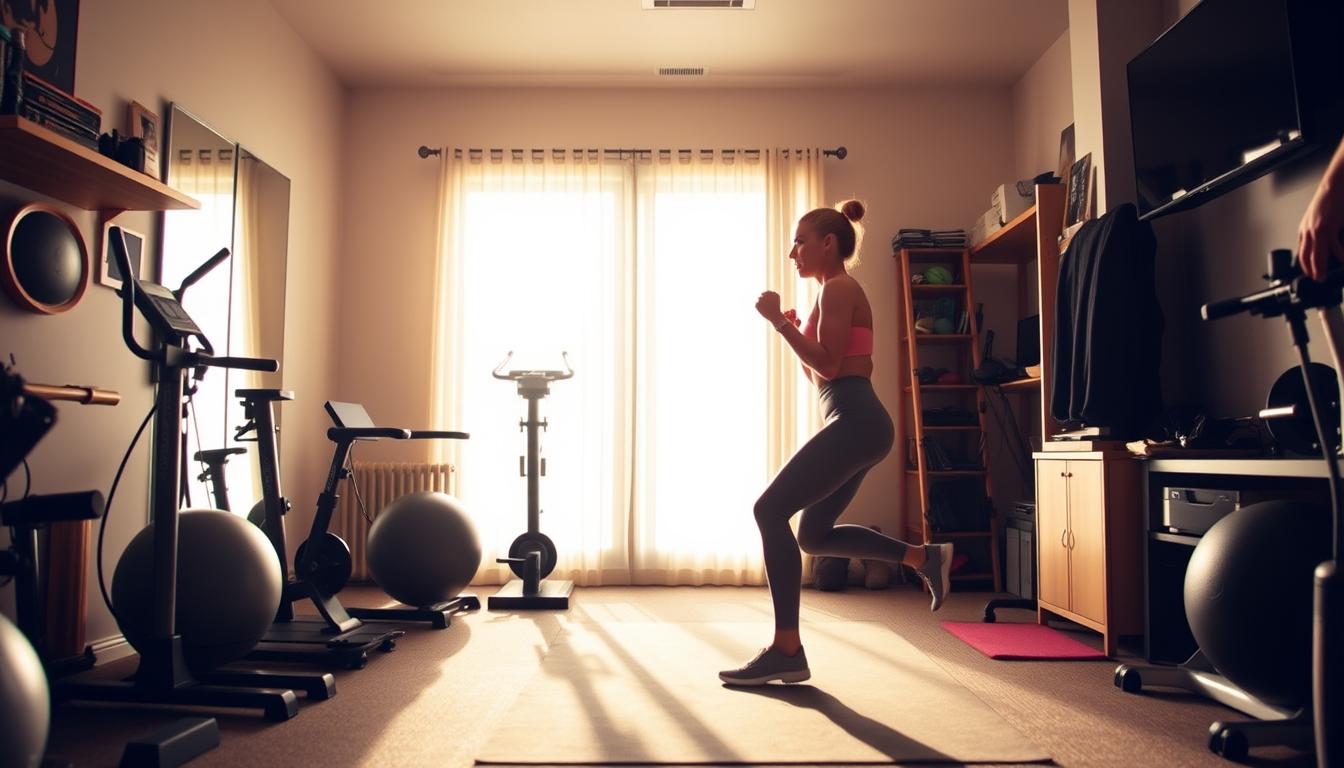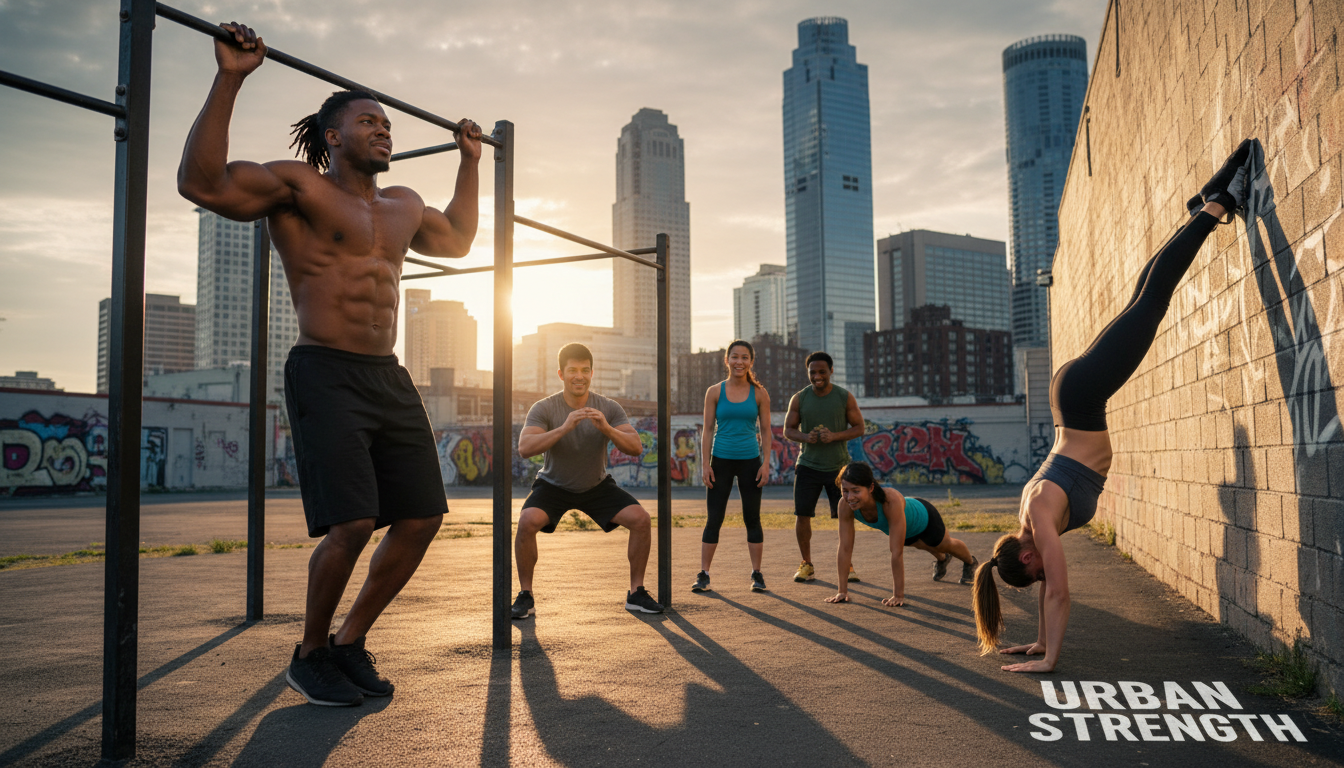
Stop wasting your hard-earned money on expensive gym memberships and complicated machines. You don’t need a rack of iron to see real results. Science shows that building size is determined by progressive mechanical tension, not by the specific equipment you use.
When comparing calisthenics to weights, many people overlook the raw power of gravity. Mastering bodyweight exercises can help you build significant strength and definition. This guide explores how to achieve bodyweight hypertrophy using simple, effective movements.
We will break down 7 brutal routines that push your limits. These methods will change your home workout for mass and help you reach your goals. It is time to master calisthenics for muscle growth and challenge the status quo of fitness.
Key Takeaways
- Progressive tension is the primary driver of physical development.
- You can achieve elite results without expensive gym equipment.
- Bodyweight training builds functional strength and lean mass.
- Consistency and intensity are more important than fancy machines.
- Mastering your own weight is the ultimate test of fitness.
The Science of Progressive Mechanical Tension for Hypertrophy
You don’t need heavy weights to build muscle. The body responds to progressive mechanical tension on muscle fibers. This can come from weights or your own body. Learning this can help you grow muscles with bodyweight workouts.
Why Equipment Isn’t the Limiting Factor
Many think gym machines are key to muscle growth. But, bodyweight exercises for muscle gain work well with the right intensity. Your muscles don’t know the difference between metal plates and gravity’s pull.
To get stronger, change how hard each movement is. Calisthenics training for hypertrophy focuses on constant, challenging tension. Focusing on the quality of your contraction opens up new growth possibilities.
Understanding Mechanical Tension vs. Metabolic Stress
To get the most out of your workouts, know the difference between the two main muscle builders. Mechanical tension occurs when lifting heavy objects or performing strenuous movements. This is key for bodyweight hypertrophy training.
Metabolic stress, or the “pump,” comes from doing lots of reps. It builds up metabolites. While both are important, mechanical tension is more crucial for strength gains. Finding the right balance between these two helps your muscles grow.
How to Apply Progressive Overload Without Adding Weight
To keep growing with bodyweight exercises, challenge your nervous system. Since you can’t add weights, change your workout. Try different angles, slower movements, or less rest time. This will make your muscles work harder.
| Variable | Method | Impact on Growth |
|---|---|---|
| Leverage | Change body angles | Increases bodyweight muscle growth |
| Tempo | Slow down the eccentric | Enhances bodyweight training for muscle gain |
| Rest | Shorten intervals | Boosts metabolic demand |
Mastering Calisthenics for Muscle Growth, Bodyweight Hypertrophy, and Home Workout for Mass
Learning to use your body weight is key to building a strong, functional body. Calisthenics for muscle growth lets you achieve top results without gym memberships. Your home becomes a top-notch training spot, making it easy to keep up with your home workout routine.
The Physiological Advantages of Bodyweight Training
Bodyweight training works many muscles at once. This bodyweight hypertrophy boosts your body’s ability to move and stay stable. By doing home exercises for muscle growth, you get better at controlling your body.
Unlike machines, bodyweight exercises keep your core active. This superior stimulus for growth makes your body work as one unit. You’re not just getting bigger; you’re getting stronger and more stable.
Why Calisthenics Outperforms Traditional Weightlifting for Functional Size
Traditional weightlifting can lead to muscle imbalances. Functional strength training focuses on natural movements for everyday life. This at-home calisthenics for mass way makes sure your muscles are useful and athletic.
Training with your body builds functional fitness for real-life strength. You learn to control your body better, which barbells can’t teach. This results in a strong, capable body that looks great too.
Setting Up Your Home Environment for Maximum Intensity
To get the most from a home workout for mass, create a focused space. Pick a spot in your home for training to link hard work with that area. A consistent home workout program for muscle growth needs a dedicated area for focus.
You don’t need a huge area to see results, but you do need enough room to move. Make sure your floor is solid, and you have basic tools like a pull-up bar. With the right setup, you can train like a pro athlete.
Pike Push-ups for Sculpting V-Taper Shoulders
The pike push-up is a top choice for building muscle. It targets your front, middle, and rear deltoids. This helps you achieve a V-taper look. By changing your body position, you can turn a regular push-up into a powerful upper chest calisthenics exercise.
Proper Form and Execution
To do the pike push-up, start in a push-up position. Move your feet towards your hands until your hips are high. Your body should form an inverted “V” shape.
Lower your head towards the floor in front of your hands. Then, push back up to the starting position. Keep your core tight to focus the effort on your shoulders.
Regular practice of these muscle-building calisthenics exercises will help you see gains in shoulder mass.
Common Mistakes to Avoid
Even the best bodyweight shoulder exercises can fail if your form is off. Make sure your body is aligned correctly to avoid injury and maximize muscle growth.
Avoiding Lower Back Arching
Don’t let your lower back arch too much during the move. This often happens if your core isn’t tight or your hamstrings are too tight. Keep your spine neutral to focus the tension on your deltoids.
Correct Hand Placement for Shoulder Engagement
Where you place your hands affects the stress on your joints. Place your hands wider than shoulder-width apart for stability. If your hands are too close or too far, you might lose the mechanical advantage needed for effective bodyweight exercises for muscle building.
Progression Strategies for Increased Difficulty
Once you get the hang of the basic pike push-up, it’s time to add more challenge. Elevate your feet on a sturdy surface like a chair or bench. This increases the weight on your shoulders, making them work harder.
- Elevated Pike Push-ups: Place your feet on a box to increase the angle of the push-up.
- Tempo Training: Slow down the descent to three seconds to increase time under tension.
- Deficit Pike Push-ups: Use parallettes or blocks to increase your range of motion.
Inverted Rows for Building a Massive Back
Mastering the inverted row is key to a big back without weights. It’s a must for anyone wanting to build a big back without weights. This exercise helps balance your body and keeps your shoulders healthy.
Setting Up Your Inverted Row Station at Home
You don’t need a fancy gym for this exercise. A sturdy table, a low pull-up bar, or two chairs with a broomstick work great. Make sure your equipment is stable to avoid injury.
Technique for Maximum Lat and Rhomboid Activation
To maximize these bodyweight exercises for mass gain, focus on pulling your shoulder blades together. As you pull your elbows up, squeeze your back muscles at the top. This ensures you’re working your muscles effectively.
Variations to Increase Mechanical Tension
For calisthenics workouts for mass, keep challenging yourself. Change the difficulty by adjusting your body position or the speed of your reps. This constant challenge is crucial for muscle growth.
Adjusting Body Angle for Resistance
The angle of your body affects the weight you lift. A horizontal position works your lats harder, while an upright position is easier. Start with a higher angle and gradually move to a parallel position as you get stronger.
Utilizing Pause Reps for Hypertrophy
Pausing at the top of the movement makes your muscles work harder. Hold for two seconds to stop momentum and increase tension. This simple trick is great for bodyweight workouts for mass gain.
| Variation | Difficulty Level | Primary Focus |
|---|---|---|
| High Incline Row | Beginner | Form and Stability |
| Parallel Row | Intermediate | Lat Hypertrophy |
| Feet-Elevated Row | Advanced | Mechanical Tension |
Unilateral Leg Training with Step Ups and Knee Raises
Training one leg at a time at home is a great way to work out without heavy weights. It makes your body work harder to balance, which helps build functional size and keeps you athletic for longer.
The Importance of Unilateral Movements for Glute Activation
Training one leg at a time makes your core and stabilizers work harder. This leads to better glute activation than regular squats. Your glutes and hamstrings work deeper to keep you balanced.
This method is a big change for those looking to grow muscle with bodyweight exercises for size. Without the support of two feet, your working leg gets more stress. This helps grow muscle even without weights.
Step-by-Step Execution of the Step Up with Knee Raise
Start by finding a sturdy bench or box at about knee height. Step up with your right foot, making sure your whole sole touches the platform. Push through your right heel to lift up, keeping your body straight.
At the top, quickly lift your left knee to your chest. Hold for a second to get the most out of bodyweight exercises for gains. Then, slowly lower your left foot back down, keeping tension in your right leg.
Safety Tips for Knee Health and Stability
Focus on your form more than how fast you do the reps. If your knee feels like it’s caving, lower the platform right away. Keeping your body aligned is key to bodyweight training for size and avoiding joint stress.
Keep your core muscles tight to protect your back when lifting your knee. If you’re new, start on a lower surface to get used to it. Regular, controlled practice keeps your joints safe while you challenge yourself.
Copenhagen Planks for Adductor Strength and Injury Prevention
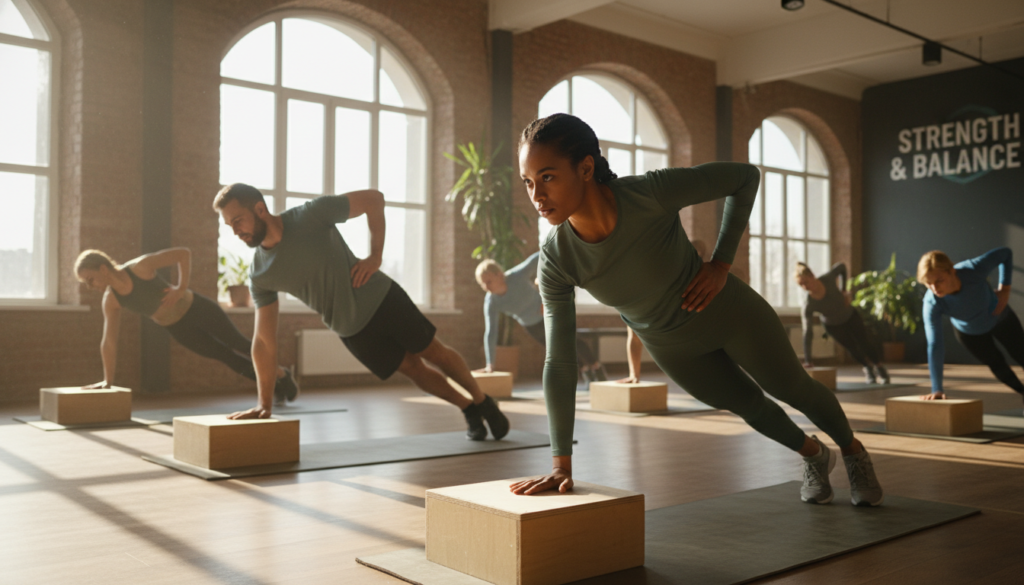
The Copenhagen plank is key to strengthening your hips and groin. Many focus on quads or glutes but ignore adductors. Adding this move to your workout can greatly help prevent injuries.
The Science Behind Copenhagen Plank Benefits
The Copenhagen plank benefits go beyond just muscle growth. Studies show it boosts the strength of the adductor muscles. It also helps stabilize the pelvis, lowering the risk of groin strains.
“True functional strength is built at the joints, where stability meets power. The Copenhagen plank is the gold standard for protecting the hip complex.”
How to Perform the Movement Correctly
Start by finding a sturdy bench or chair. Lie on your side and put your top leg on the bench. Keep your bottom leg tucked or held up.
Then, lift your hips until your body is straight from head to heel. Keep your core tight and your elbow under your shoulder. Hold for as long as you can, squeezing your inner thigh against the bench.
Scaling the Intensity for Beginners and Athletes
Adjust the difficulty based on your fitness level. Beginners should start with shorter holds and more support. As you get stronger, increase the hold time and challenge your stability.
Short-Lever vs. Long-Lever Variations
Choose between short-lever and long-lever variations based on your experience. A short-lever variation places your knee on the bench, reducing hip torque. A long-lever variation places your ankle on the bench, increasing adductor demand.
| Variation | Difficulty | Primary Focus |
|---|---|---|
| Short-Lever | Beginner | Adductor Activation |
| Long-Lever | Advanced | Maximal Stability |
| Dynamic Hold | Elite | Functional Power |
Mastering these variations ensures steady progress. Always focus on perfect form to get the most benefits while protecting your joints.
Advanced Bodyweight Movements for Total Body Transformation
Mastering complex bodyweight moves can lead to a total body transformation. These advanced strategies are key for serious calisthenics enthusiasts. They help your body adapt and grow.
Integrating Explosive Movements for Muscle Fiber Recruitment
Explosive movements are great for your central nervous system. Try jump squats or explosive push-ups. They make your muscles work fast, using fast-twitch muscle fibers for size and power.
Adding these to your calisthenics routines for muscle building boosts your athletic look. It’s a must for any serious bodyweight workout.
The Role of Time Under Tension in Bodyweight Training
Time under tension is crucial without heavy weights. Slow down your movements to stress your muscles more. This deliberate control helps your muscles grow.
For a bodyweight hypertrophy workout plan, focus on tempo. Use a three-second descent for each rep. This makes your workout more effective for a calisthenics routine for muscle gain.
Structuring Your Weekly Routine for Optimal Recovery
Recovery is when your body builds new tissue. Training too hard every day can lead to burnout. A good calisthenics routine for muscle gain includes rest days.
Plan your workouts to rest different muscle groups. Switch between upper and lower body to keep your routine balanced. This ensures steady progress without burnout.
Common Mistakes to Avoid During Your Calisthenics Journey
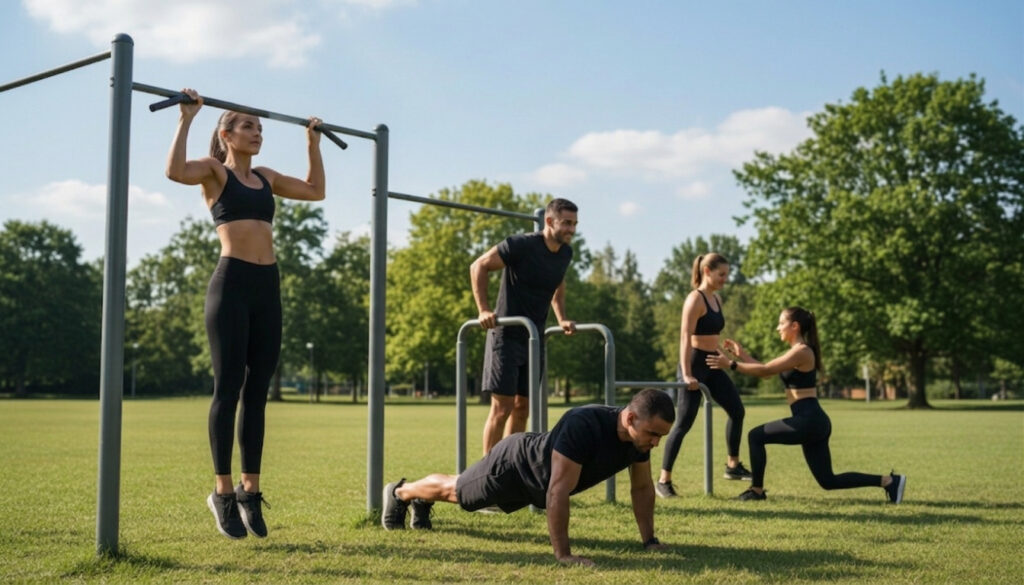
Getting the body you want takes more than just hard work. It needs a smart plan to avoid common mistakes. When you follow a Calisthenics muscle building program, staying focused is key. Small mistakes can add up, causing you to stall or get hurt.
Neglecting Range of Motion
One big mistake is doing fewer reps to make exercises easier. To really build muscle with home muscle-building calisthenics, do every rep fully. This is crucial for building muscle.
The Trap of Ego Lifting and Poor Form
It’s easy to try harder exercises too soon. But Calisthenics for muscle building requires proper form to work properly. Focus on doing exercises correctly, not just how many you can do.
Failing to Track Progress and Volume
Not keeping a workout log means you’re training in the dark. A good calisthenics mass-gaining program tracks your sets, reps, and rest. This helps you keep getting stronger every week.
Ignoring Nutrition and Recovery Protocols
Muscles grow when you’re resting, not just when you’re working out. Not eating enough protein or not sleeping well can stop your muscle-building calisthenics progress. Treat rest and nutrition as part of your workout plan for the best results.
| Common Mistake | Negative Impact | Corrective Action |
|---|---|---|
| Partial Reps | Reduced muscle fiber recruitment | Focus on full extension |
| Ego Lifting | High risk of joint injury | Master basics before advancing |
| No Tracking | Stagnant growth plateaus | Use a dedicated training log |
| Poor Nutrition | Slow recovery and fatigue | Prioritize protein and sleep |
Being aware of these common mistakes can help you improve your muscle-building calisthenics routine. Consistency and careful attention are the secrets to a strong, fit body.
Conclusion
Building a strong body is simple. You just need your body weight and a lot of effort. Now, you know how to do the Pike Push-up and the Copenhagen Plank to grow stronger.
Real strength isn’t about fancy gym memberships. It’s about using your body’s power. Focus on doing each exercise right and with full effort.
Your success depends on tracking your workouts and resting well. Keep trying new bodyweight exercises to see real changes.
Begin your workout today to reach your athletic peak. Share your progress with others and stay committed to getting stronger.