Choosing a lifestyle without animal products is a big step. It’s driven by ethics, the environment, or health. This vegan diet guide will help you make the change smoothly.
First, learn about the plant-based benefits. Eating whole foods is key to good vegan nutrition. It also means you can enjoy a wide range of tastes.
Starting a vegan diet needs careful planning. This vegan diet for beginners gives you the tools to succeed. With the right plan, becoming a vegan beginner can lead to a healthier life.
Key Takeaways
- Focus on whole, unprocessed foods to maximize your health outcomes.
- Prioritize balanced meals to ensure you meet all your daily requirements.
- Understand that ethical and environmental motivations often drive long-term commitment.
- Start with small, manageable changes to make the process sustainable.
- Consult with a professional if you have specific health concerns or goals.
Understanding the Science Behind Plant-Based Benefits
Knowing how your diet affects your body is key to holistic vegan health. Switching to whole foods gives your body the nutrients it needs. These plant-based benefits do more than help with weight. They affect your body at a deep level.
How Plants Influence Systemic Inflammation
Chronic inflammation can lead to many health problems. Eating foods like veggies, fruits, and legumes can help. These foods contain antioxidants and phytonutrients that help fight harmful free radicals.
High fiber is also important. It helps control your immune system and keeps your gut healthy. A healthy gut means less inflammation and better health overall.
Managing Blood Sugar and Insulin Sensitivity
Vegan diets can greatly help with blood sugar control. Studies show they can lower blood sugar levels more than traditional diets. This makes insulin sensitivity and plants a great team for stable energy.
Choosing a vegan diet for weight loss can lead to lasting results. Eating complex carbs and fiber helps your body better handle sugar. This approach to vegan weight loss improves your metabolic health, not just your weight.
The benefits of a plant-based diet come from the quality of food you eat. Whole, unprocessed plants help your body manage blood sugar and weight. Making these changes is a step towards better vegan health benefits.
The Vegan Diet Guide: Cardiovascular Health and Cholesterol
Your heart and arteries do best on a diet rich in plant nutrients. A vegan diet guide helps you eat foods that are good for your heart. For those new to a vegan diet for beginners, it can lead to better blood pressure and cholesterol levels.
Lowering LDL Cholesterol Naturally
Improving your holistic vegan health starts with lowering LDL cholesterol naturally. Eating nuts, seeds, and avocados instead of animal fats helps a lot. Legumes and whole grains also help lower cholesterol in your blood.
Adding insulin sensitivity and plants to your life is key to a healthy heart. Eating complex carbs helps keep your blood sugar stable. This reduces inflammation and is a major part of the health benefits of a vegan diet.
The 42 Percent Reduction in Heart Disease Risk
Studies show a plant-based diet can lower heart disease risk by 42%. This is a great reason to try a vegan lifestyle. Eating whole plants provides antioxidants and nutrients that help protect your heart.
The table below shows how plant-based foods are better for your heart than regular foods:
| Food Category | Heart-Healthy Benefit | Impact on Cholesterol |
|---|---|---|
| Oats and Barley | High soluble fiber | Reduces LDL absorption |
| Walnuts and Flax | Omega-3 fatty acids | Lowers inflammation |
| Legumes | Plant-based protein | Improves insulin sensitivity |
| Leafy Greens | Nitrates and vitamins | Supports blood pressure |
Choosing these vegan health benefits is a smart way to keep your heart healthy. Whether you’re starting or improving your diet, these foods will help your heart stay strong.
Environmental Impact and Sustainable Eating
Choosing a meat-free diet does more than just help you. It’s a step toward sustainable eating that saves our planet for the future. These plant-based benefits are good for you and the planet.
Reducing Dietary Greenhouse Gas Emissions
What you eat affects your carbon footprint. Animal-heavy diets produce more dietary greenhouse gas emissions than plant-based ones. Switching to legumes, grains, and veggies cuts down your environmental impact.
This change helps fight climate change by reducing methane and nitrous oxide emissions from livestock. Every meal you make is a vote for a cooler planet.
The Broader Impact of Animal Agriculture
Animal agriculture affects our water and land. It requires extensive land for grazing and feed, leading to deforestation. Choosing plant-based proteins eases the pressure on these ecosystems.
Water conservation is another area where you can make a difference. Plant-based proteins use much less water than animal products. Here’s how your choices can save resources:
| Resource Type | Beef (per kg) | Lentils (per kg) | Environmental Gain |
|---|---|---|---|
| Water Usage | 15,000 Liters | 1,250 Liters | 92% Reduction |
| Land Use | 250 Square Meters | 2.5 Square Meters | 99% Reduction |
| CO2 Emissions | 60 kg | 0.9 kg | 98% Reduction |
The benefits of a plant-based diet lead to a greener lifestyle. You can change the planet with your daily choices. Making these changes shows you care about the earth.
Transitioning to Veganism: A Step-by-Step Approach
Starting a plant-based diet is a great choice for your health and the planet. If you’re going vegan for beginners, having a clear plan helps a lot. This vegan diet guide gives you the tools to live sustainably without stress.
Gradual Changes Versus Cold Turkey
Choosing how to go vegan depends on your preference. You can switch one meal at a time or remove all animal products at once. Both ways work if you stick with it.
Starting slow, like replacing dairy with plant-based milk, is a good idea. Then, try new recipes with lentils, beans, or tofu. This way, your taste buds slowly get used to new flavors and textures.
On the other hand, going “cold turkey” is for those who like clear rules. This means getting rid of non-vegan foods right away. It’s intense but can help you adapt quickly if you’re motivated by health or ethics.
Building Your Vegan Pantry Essentials
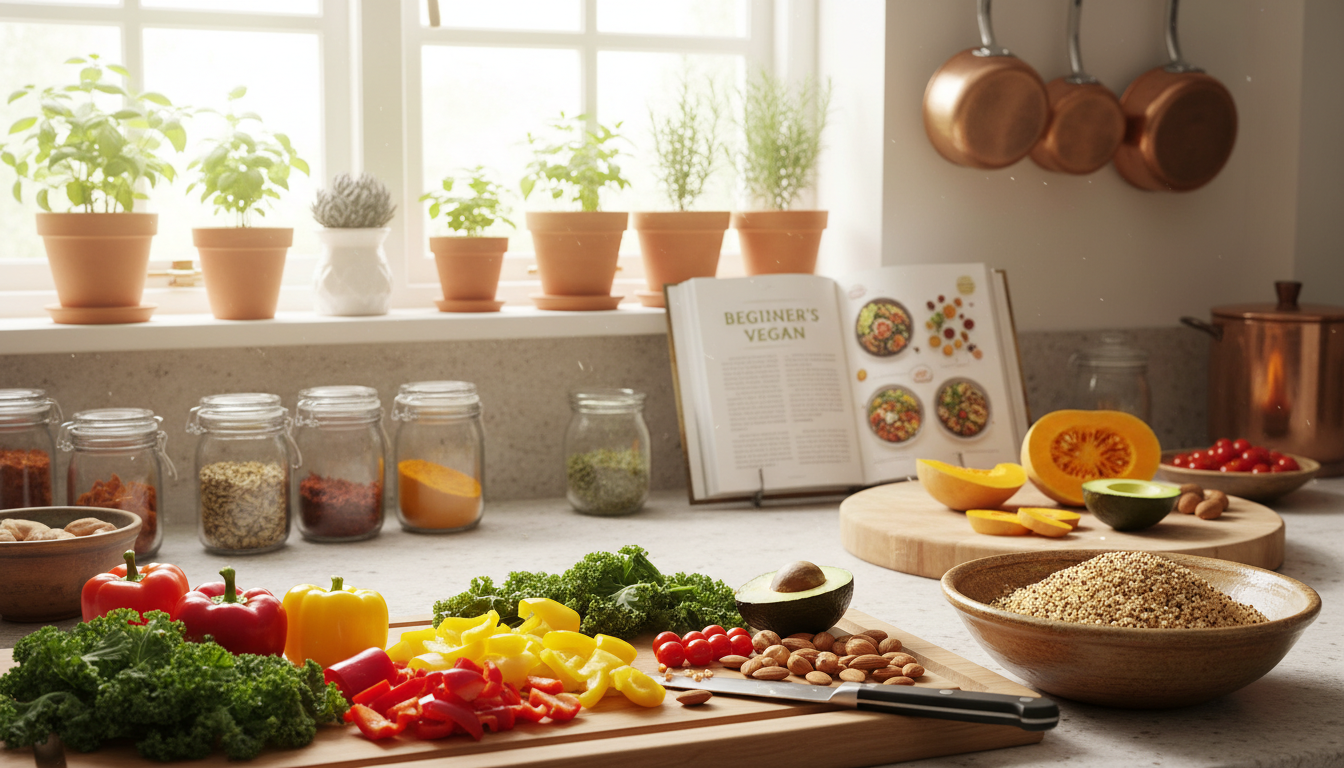
To start a vegan diet well, stock up on the right foods. A good vegan shopping list ensures you have healthy, whole foods for quick meals. Focus on staples that are good for you every day.
Your vegan pantry essentials should include legumes, whole grains, nuts, and seeds. These are good for a long time and give you protein and fiber. Having these items ready helps you avoid processed foods when you’re busy.
| Category | Staple Item | Primary Benefit |
|---|---|---|
| Proteins | Lentils and Chickpeas | High fiber and plant protein |
| Grains | Quinoa and Brown Rice | Complex carbohydrates for energy |
| Healthy Fats | Chia Seeds and Walnuts | Essential Omega-3 fatty acids |
| Flavor | Nutritional Yeast | Savory, cheesy flavor profile |
Using a reliable vegan shopping guide makes shopping easier. Look for fortified foods like plant milks and cereals. Preparing your kitchen helps you stay on track with a plant-based diet.
Mastering Vegan Nutrition and Protein Efficiency
Getting good at vegan nutrition is easier than you think. It’s all about mixing the right foods. This way, you get what your body needs to grow and repair itself. You’ll stay full and have lots of energy all day long.
Identifying High-Quality Vegan Protein Sources
To get the most out of plant-based protein efficiency, choose whole foods. Look for foods with all the amino acids your body needs. Mixing different foods ensures you get all the nutrients you need to stay healthy.
Here are some great vegan protein sources to add to your meals:
- Tofu and Tempeh: These soy-based foods are super versatile and soak up flavors well.
- Seitan: Known as “wheat meat,” it’s high in protein and has a meaty texture.
- Legumes: Lentils, chickpeas, and black beans are packed with protein and fiber.
- Whole Grains: Quinoa and farro have more protein than regular grains.
Balancing Macronutrients for Optimal Energy
Your energy levels depend on the right mix of carbs, fats, and proteins. Using smart vegan nutrition tips keeps your blood sugar steady. This prevents you from feeling tired in the afternoon.
Learning how to cook vegan foods well is key. Steaming veggies keeps their vitamins, while roasting chickpeas adds crunch to salads. Eating whole, unprocessed foods is the best way to stay healthy and full of energy.
Essential Micronutrients and Supplementing Vitamin B12
Getting the right vitamins and minerals is key to a healthy vegan diet. A plant-based diet is full of fiber and antioxidants. But some nutrients need extra care to keep your body working well. By focusing on these areas, you can stay healthy and energized.
Why B12 is Non-Negotiable
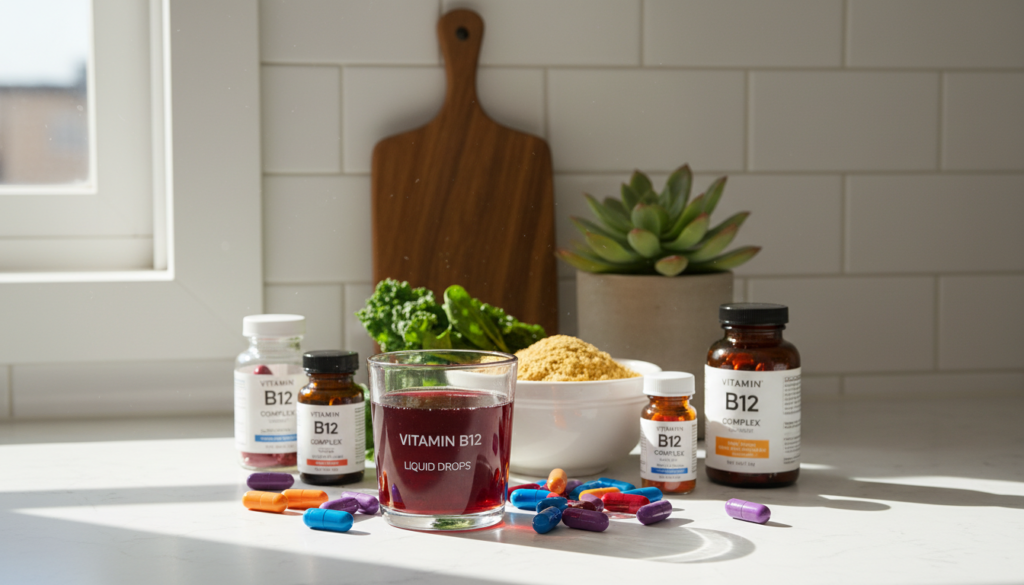
Vitamin B12 is vital for your nerves and the production of red blood cells. Since it’s mainly in animal products, supplementing vitamin B12 is a must for vegans. Without fortified plant foods, you can’t get enough to avoid deficiency.
The best form for most is cyanocobalamin. It’s stable, affordable, and supports healthy blood. You can take a daily supplement or eat fortified foods like nutritional yeast and plant milks. The important thing is to be consistent.
Optimizing Vegan Iron Sources and Absorption
Plant foods have iron, but it’s non-heme iron, which is absorbed differently from meat iron. To boost your vegan iron sources, eat iron-rich foods with Vitamin C. For example, lemon juice with spinach or bell peppers with lentils can make a big difference.
Also, think about what you eat with your meals. Drinks like tea or coffee can lower iron absorption. So, try to drink them before or after meals. These vegan nutrition tips will keep your energy up and iron levels healthy.
| Nutrient | Best Plant Sources | Absorption Strategy |
|---|---|---|
| Vitamin B12 | Fortified cereals, nutritional yeast | Use cyanocobalamin supplements |
| Iron | Lentils, tofu, pumpkin seeds | Pair with Vitamin C-rich foods |
| Zinc | Chickpeas, hemp seeds, oats | Soak or sprout grains and legumes |
| Omega-3 | Flaxseeds, chia seeds, walnuts | Grind seeds for better digestion |
Practical Vegan Meal Planning Tips
Starting your day with good nutrition is easier with vegan meal planning tips. Organizing your meals saves time and helps you make healthy choices. Sticking to a plan is key for a successful vegan lifestyle.
Creating Balanced Weekly Vegan Meal Plans
A solid vegan meal plan keeps you on track and saves time. Begin by making a detailed vegan shopping list. This list helps you avoid impulse buys and keeps your budget in check.
- Spend one hour each weekend looking for vegan recipe ideas.
- Batch-cook items like quinoa, lentils, or roasted veggies for different vegan meals.
- Use apps like HappyCow to find vegan food options when cooking at home isn’t an option.
Organizing your vegan meal plans ensures balanced nutrition. Mix colors and textures to keep your meals interesting. This makes vegan cooking ideas a fun hobby, not a chore.
Utilizing Dairy-Free Alternatives and Food Swaps
Learning vegan cooking techniques lets you make your favorite dishes without animal products. Swapping traditional ingredients for plant-based ones makes the transition easier and more fun.
Keep your pantry stocked with vegan essentials like nutritional yeast and plant-based milks. These items are the base for many tasty vegan recipes. Knowing how to use them boosts your confidence in vegan cooking tips.
“The secret to a sustainable diet is finding joy in the preparation of simple, whole-food ingredients.”
Trying out different vegan food ideas opens up new flavors. Replacing butter with avocado or using cashew cream in sauces are just a few examples. With the right approach, your vegan journey will be both sustainable and delicious.
Navigating Social Situations and Ethical Living
Starting a vegan lifestyle can lead to new social experiences. You might face questions or challenges when eating with friends and family. Being well-informed and prepared helps you handle these moments with ease and confidence.

Dining Out and Socializing with Confidence
Before going to a restaurant, check the menu online. Many places now highlight vegan food options. This makes planning your meal easier. If unsure about a dish, ask your server for help.
Using digital tools is a great vegan lifestyle tip. Apps like HappyCow help find vegan-friendly places anywhere. Your goal is to enjoy time with friends while staying on track with your diet.
Aligning Your Lifestyle with Ethical Food Choices
Your ethical food choices help reduce your environmental impact. Knowing the impact of animal agriculture on the planet motivates you. Staying consistent with your values is important.
It’s important to talk openly about your diet. Share your reasons in a friendly way. This helps others understand you while keeping the conversation positive.
| Social Scenario | Proactive Strategy | Outcome |
|---|---|---|
| Restaurant Dining | Check the menu online | Reduced anxiety |
| Family Gatherings | Bring a dish to share | Guaranteed vegan food options |
| Casual Socializing | Communicate values clearly | Stronger connections |
| Travel Planning | Use digital resources | Consistent ethical food choices |
Common Challenges and How to Overcome Them
Starting a plant-based diet can be tough. It’s a big change, especially if you’re trying to lose weight or get healthier. Knowing what challenges you might face helps you stay on track.
Managing Cravings and Social Pressure
Cravings are common when you start eating differently. Focus on foods that are full of nutrients and keep you full longer. Remember, your food choices are your own and should be respected.
It’s a good idea to talk about your dietary needs before social events. Bringing a tasty vegan dish can make you feel more at ease. Being prepared helps you stick to your vegan diet in any situation.
Troubleshooting Digestive Adjustments
Your body might take time to get used to more fiber. You might feel bloated or notice changes in digestion at first. Slowly adding more fiber and drinking plenty of water can help.
It’s important to watch your health closely. Vegans might not get enough vitamin B12, vitamin D, or iron. Eating foods like lentils, spinach, and fortified cereals can help.
If you’re tired or worried about getting enough nutrients, talk to a doctor. Being proactive about your health is key. Knowing what you need helps you succeed on your vegan journey.
Conclusion
Choosing a meat-free diet is a great way to improve your health and help the planet. You now know how to make the most of plant-based proteins and lower bad cholesterol. These actions also reduce inflammation and cut daily greenhouse gas emissions.
Success comes from planning your vegan meals well and taking vitamin B12 supplements. Try new vegan foods and alternatives to keep your meals interesting. Using good vegan resources helps you meet your nutritional needs.
Whether you want easy vegan recipes or detailed meal plans, your effort matters. Focus on eating high-quality vegan proteins to support your active life. Adding meatless meals to your diet is easy with the right planning tips.
Learning to be vegan is rewarding and good for your health in the long run. Start your vegan journey with confidence today. You have everything you need to live a sustainable lifestyle that fits your values.