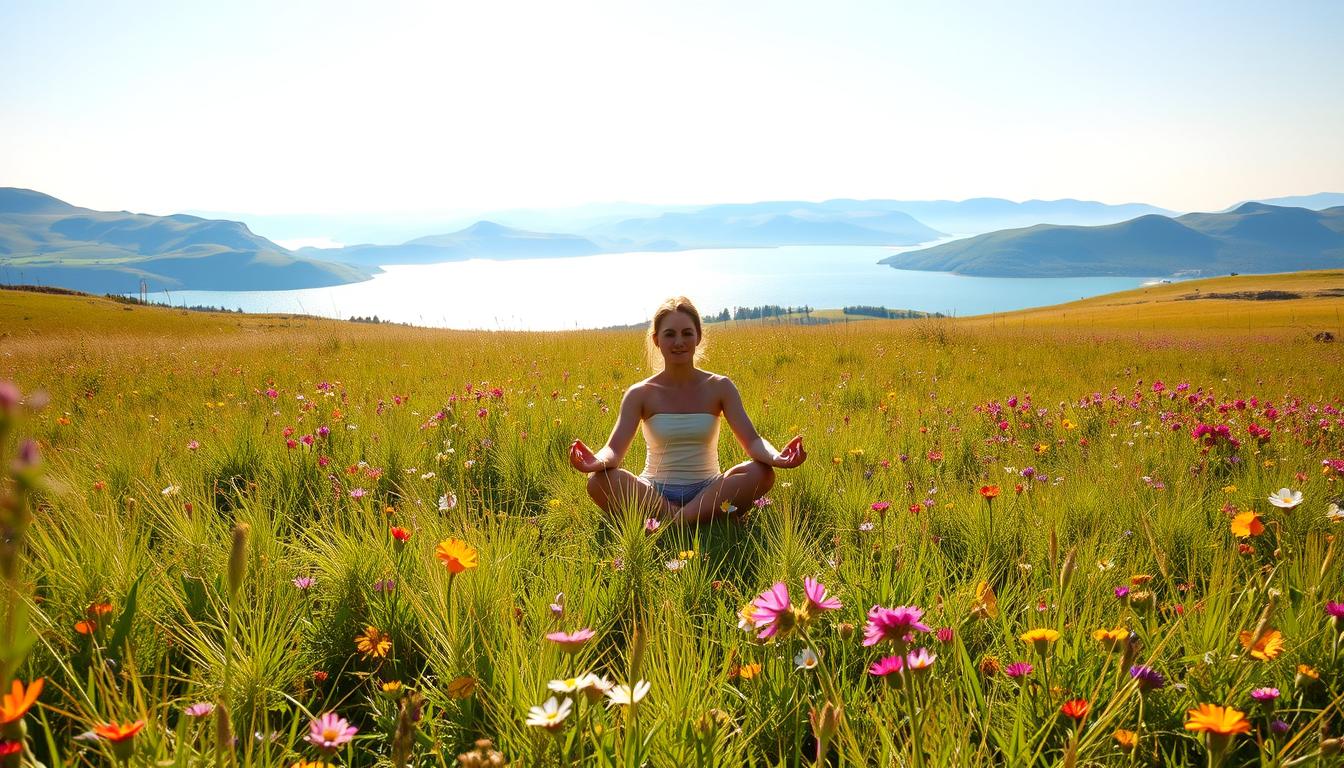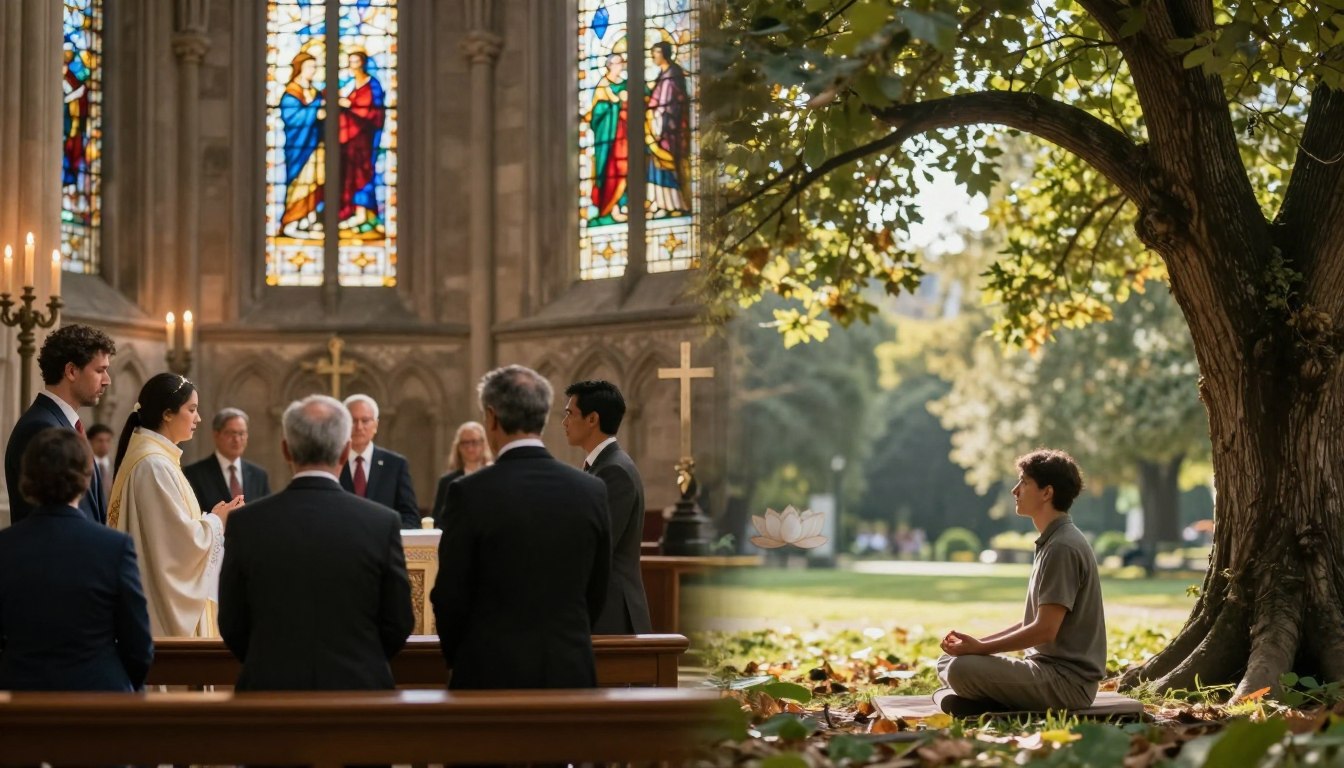
Ever thought about how your beliefs guide you through life? Many people wander through the world of religion vs. spirituality, seeking deeper meaning. These two ideas often blend, yet they each offer distinct ways to explore life’s mysteries.
Organized faith is about shared rituals, set teachings, and traditions tied to a higher power. On the other hand, spirituality is about personal growth, mindfulness, and a direct bond with the sacred. Understanding the differences in spirituality and religion helps you better understand your own values.
Today, many people see themselves as seekers. They value the religion and spirituality connection but don’t follow strict rules. This piece delves into how both paths offer purpose, peace, and answers to life’s biggest questions. By looking into these frameworks, you can grasp your own path to fulfillment.
Key Takeaways
- Religion provides a structured community and a shared set of traditions.
- Spirituality emphasizes a personal, internal quest for meaning and self-discovery.
- Both paths aim to provide comfort and guidance during life’s challenges.
- Many modern individuals blend these concepts to create a unique belief system.
- Exploring these ideas helps you align your daily actions with your core values.
Defining the Core Concepts
Understanding faith and spirit is key to finding yourself. By knowing these terms, you can shape your worldview and live by your values.
What is Religion?
Religion is about believing in a higher power, like a God. It’s a structured system of faith with rituals and doctrines. These traditions guide people’s beliefs and actions.
They give a sense of community and a clear path for those seeking guidance. Here are the main points of organized religion:
- Following specific dogmas or creeds.
- Joining in communal worship and rituals.
- Accepting an external authority or sacred text.
What is Spirituality?
Spirituality is about the human spirit or soul. It’s a personal search for meaning beyond the physical world. Unlike religion, it’s a journey within.
Seeking spiritual meaning means looking beyond material things. Understanding spirituality is about connecting with the universe or a higher power. It’s a unique journey for each person.
The meaning of spirituality isn’t in books or buildings. It’s in quiet moments of reflection. It’s about finding peace and purpose that feels true to you. Spirituality encourages exploring your soul freely, without strict rules.
Religion vs Spirituality: A Comparative Analysis
Understanding your journey starts with comparing religion and spirituality. Both aim to answer life’s biggest questions, but they differ in approach. Seeing the contrast between religion and spirituality helps you better understand your worldview.
Key Distinctions in Belief Systems
Looking at the differences between spirituality and religion, religion is a structured system. It has doctrines, sacred texts, and traditions passed down through generations. This structure gives a sense of belonging and a clear path for those seeking answers.
On the other hand, spirituality focuses on personal experience. It’s about connecting with the sacred on your own terms. This makes it a flexible and subjective journey.
External Authority vs Inner Guidance
The religion spirituality debate often revolves around truth sources. In many religions, you rely on external authorities like clergy or scriptures. These guides help interpret teachings and maintain a consistent practice.
But spirituality encourages trusting your intuition and spiritual guidance. You become the main architect of your faith, relying on your inner voice. This empowers you to find meaning in life without needing others.
| Feature | Religious Path | Spiritual Path |
|---|---|---|
| Primary Focus | Institutional Doctrine | Personal Experience |
| Source of Truth | External Authority | Inner Intuition |
| Community | Formal Congregation | Individual or Informal |
| Identity | Religious vs Spiritual | Spiritual vs Religious |
Choosing between these paths is a personal decision. You might find comfort in tradition or prefer exploring on your own. Both offer valid ways to find purpose and peace.
The Structure of Organized Religion
Looking at history, we see how belief systems have shaped our morals. Organized religion has given communities structure for centuries. It offers a path through life’s complexities with purpose.
The Role of Dogma and Doctrine
Dogma and doctrine are at the core of many traditions. They guide your actions and align you with others. Some question spirituality vs organized religion, but doctrines provide a sense of security.
These codes are more than rules; they are time-tested wisdom. They foster harmony and stability. By following them, you grow while staying connected to history.
Communal Worship and Rituals
Communal worship strengthens your bond with others. It creates a shared identity that goes beyond personal concerns. This sense of belonging is key to religious beliefs.
Rituals are the heart of these gatherings. They mark life’s moments with grace. Through song, prayer, or reflection, they create a sacred space for healing. This balance lets you find strength in the group as you pursue your faith journey.
| Feature | Organized Religion | Individual Spirituality |
|---|---|---|
| Primary Focus | Collective Tradition | Personal Insight |
| Guidance | Established Doctrine | Inner Intuition |
| Community | Structured Congregation | Independent Exploration |
| Core Strength | Shared religious beliefs | Personal Freedom |
The Essence of Personal Spirituality
Starting a journey of personal spirituality lets you connect with the sacred in your own way. It focuses on your personal experience rather than strict rules. By finding your own meaning of spirituality, you live a life that feels real and meaningful.
The Journey of Self-Discovery
Your spiritual journey is about exploring yourself. It’s not about reaching a goal, but about the ongoing journey of spiritual development. Through self-reflection, you uncover your true self, beyond what society expects.
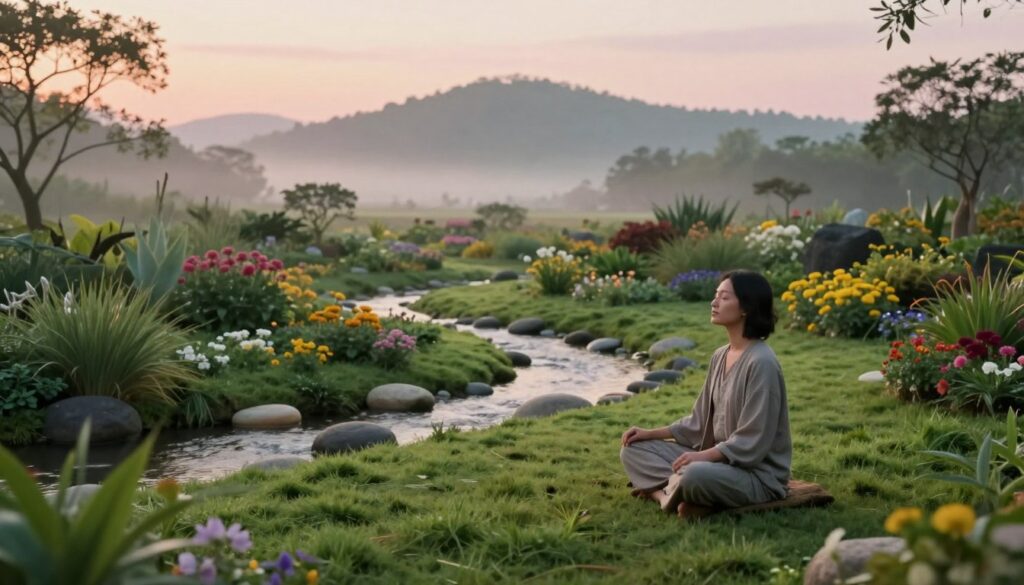
This path helps you become your best self through inner work. Activities like silence, meditation, or journaling can guide you. As you grow, you understand your values and your role in the world.
Direct Experience and Sacred Connection
True spirituality comes from quiet moments of direct experience. It’s about forming a personal bond with the universe, not just following old texts or rules. This spiritual connection gives you a deep sense of belonging.
“The spiritual life is not a retreat from the world, but a deeper engagement with it through the lens of the soul.”
When you seek spirituality, meaning that fits your life, you open up to spiritual enlightenment. You don’t need a title or to join a group. All you need is an open heart and a willingness to listen to your inner wisdom.
Shared Values and Common Goals
At the heart of every human experience is a deep longing for something greater. The connection between religion and spirituality shapes how we live our lives. Your journey, whether traditional or personal, reflects our shared human needs.
Seeking Meaning and Purpose
Every person wonders about the purpose of life. Your spiritual beliefs guide you through life’s complexities. By seeking spiritual meaning, you align your actions with values beyond the material world.
Both religious traditions and spiritual paths encourage looking beyond our immediate world. They help us understand our place in the universe. This shared pursuit of purpose helps us grow personally.
The Pursuit of Inner Peace
The quest for tranquility is universal across all belief systems. Many turn to faith or meditation to cope with life’s stresses. This highlights the link between spirituality and mental health.
Practices like prayer, silence, or acts of service help find inner peace. These rituals quiet the mind and open the heart to compassion. Integrating these habits can profoundly improve your well-being.
“The spiritual life is not a retreat from the world, but a way of engaging with it more deeply, with more love, and with more clarity.”
Consider the shared virtues that guide both religious and spiritual individuals toward a meaningful life:
| Shared Value | Religious Perspective | Spiritual Perspective |
|---|---|---|
| Compassion | Commanded by divine law | Natural expression of empathy |
| Service | Duty to the community | Contribution to the collective |
| Reflection | Prayer and scripture study | Mindfulness and meditation |
| Integrity | Adherence to moral codes | Alignment with inner truth |
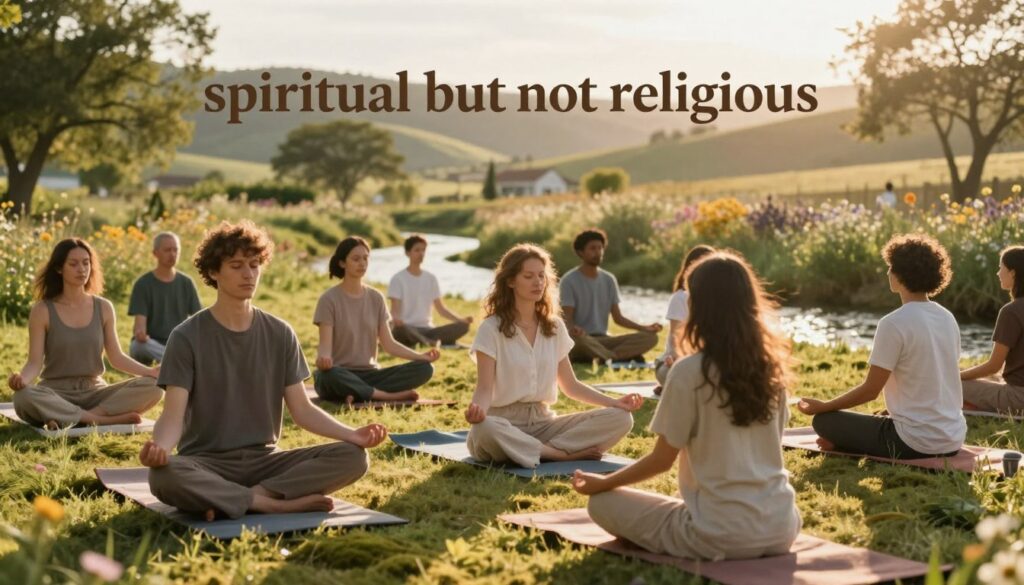
The Rise of the Spiritual But Not Religious (SBNR) Movement
Have you noticed fewer people going to church but more seeking a deeper connection? This change shows a growing need for authenticity in spiritual experiences. Many now find their path to enlightenment outside of traditional institutions.
Why Modern Society is Shifting
The world of spirituality in modern life is changing fast. People value their freedom more than ever. With easy access to information, they explore different beliefs and create their own systems.
Many see spirituality vs organized religion as a choice, not a must. They prefer a flexible approach that fits their lives. This shift is about seeking direct, personal experiences with the divine.
Defining the SBNR Identity
The SBNR meaning is about connecting deeply with the sacred without strict rules. It’s about personal growth and inner change. This path is about self-discovery and often leads to a real spiritual awakening.
Being spiritual but not religious means living with purpose and awareness. You can mix wisdom from various traditions into your life. This way, your spiritual practice is truly yours.
| Feature | Organized Religion | SBNR Approach |
|---|---|---|
| Authority | External/Institutional | Internal/Intuitive |
| Practice | Communal Rituals | Personal Reflection |
| Beliefs | Fixed Dogma | Fluid Exploration |
| Community | Congregational | Networked/Individual |
Navigating the Path of Religious Beliefs and Spirituality
It’s not hard to balance religious beliefs and spirituality in your life. Many feel stuck between spirituality vs faith, unsure if they must choose. But you can live a harmonious life by respecting both your roots and personal growth.
Integrating Faith with Personal Growth
Your spiritual growth is a personal journey that can benefit from tradition. Seeing your spiritual beliefs as a foundation helps build a meaningful life. This journey lets you use past wisdom to tackle today’s challenges.
Here are ways to mix your practices:
- Use traditional rituals to ground your daily meditation.
- Apply ancient ethical teachings to modern personal dilemmas.
- Find community support while maintaining your individual autonomy.
- Allow your personal insights to deepen your understanding of sacred texts.
Overcoming the Religion Spirituality Debate
It’s time to end the religion-versus-spirituality debate that forces you to choose one. When you see spirituality and faith as friends, you open up to a richer experience. Your spiritual path is unique and can include both.
Keeping religious beliefs doesn’t stop you from exploring the universe’s mysteries. Many find that their tradition is the perfect place for personal discovery. With a flexible mindset, you can find peace where these two worlds meet.
Mindfulness and Spirituality in Daily Life
Learn how easy it is to connect with your soul in the midst of chaos. Many think divine connection only happens in quiet places. But spirituality in daily life is found in our daily routines. By focusing differently, we turn everyday moments into chances for growth.
Practical Spiritual Practices
You don’t need hours alone to deepen your faith. Start by adding small, mindful acts to your day. Try five minutes of focused breathing in the morning to set a calm tone for the day.
Meditation is a key spiritual practice that clears your mind. It can be sitting in silence or following a guided reflection. This time helps you connect your heart with your values. These spiritual practices link your inner world to the outside world.
Cultivating Awareness and Presence
True spirituality in modern life means staying present. Being aware of the moment helps you see beauty in small things. This improves your spirituality and mental health. It also helps you manage stress by focusing on the “now” instead of the future.
Your spiritual practice is a journey, not just a weekend activity. By being mindful of your thoughts and actions, you build lasting inner peace. This dedication to being present helps you face life’s challenges with grace and harmony.
The Role of Community vs Individual Growth
Finding the right balance between belonging and autonomy is a journey. You might often think about communal worship vs personal growth. This balance is not a conflict but an opportunity to combine the best of both.
The Benefits of Communal Support
Being part of an organized religion brings stability hard to find on one’s own. It offers shared values and a support system for tough times. There is a profound comfort in knowing you’re part of a collective.
Communal settings give you structured rituals that add meaning to your life. These traditions connect you to a history bigger than yourself. They teach patience, empathy, and service, which solo reflection can’t always provide.
The Freedom of Individual Exploration
While community provides a base, personal spirituality lets you explore your truths. You have the right to define your sacred relationship on your own. This freedom lets you try different philosophies and practices that speak to your soul.
Embracing this freedom means you’re not stuck by strict rules or outside pressures. You can build a deeply authentic practice that grows with you. This self-led approach is key to lasting spiritual growth and keeping your beliefs alive and vibrant.
The most rewarding path is one that values both connection and independence. You can be a dedicated community member while still exploring on your own. By mixing these, you create a balanced life that’s rooted in tradition yet open to new possibilities.
Bridging the Gap: Can You Be Both?
It’s possible to find comfort in tradition while exploring your inner world. Many feel stuck between wanting community and personal discovery. You don’t have to pick between being spiritual but not religious and joining a faith group.
Instead, see these two parts of your life as working together. By mixing your religious beliefs and spirituality, you build a strong yet flexible base. This way, you respect your roots while staying open to new ideas.
Finding Harmony Between Tradition and Personal Belief
Harmony comes when you see spirituality vs faith as complementary. You can join in communal rituals and still have a personal spiritual practice. This balance gives you tradition’s structure and the freedom to grow.
Think of your traditions as a framework for your journey. Doing spiritual practices in a religious setting offers shared wisdom. This keeps you grounded as you explore your path.
Religious Spirituality as a Unified Path
The idea of religious spirituality means drawing strength from both guidance and personal experience. This path lets you bring your whole self to your faith. You’re not bound by religious vs spiritual labels, free to define your sacred connection.
By merging spirituality and faith, you find deeper purpose. You use spiritual practices to deepen your understanding of old teachings. This blend honors your past and future.
| Feature | Traditional Religion | Personal Spirituality | Unified Path |
|---|---|---|---|
| Focus | Community Rituals | Inner Discovery | Balanced Integration |
| Guidance | External Authority | Inner Intuition | Combined Wisdom |
| Outcome | Shared Stability | Personal Freedom | Holistic Growth |
Conclusion
Your journey to find meaning is very personal. Looking into the difference between religion and spirituality helps you live a life that’s true to you. It lets you closely follow your values.
As you grow, your path might change. Understanding the SBNR concept helps you choose a label that reflects your growth. This freedom lets you learn from many places without being tied down.
Knowing what spirituality really means gives you a base for making choices every day. You can use these ideas to find peace. Making spirituality part of your daily life turns simple moments into chances to think and be thankful.
Seeing the small but important differences between spirituality and religion helps you make choices that nourish your soul. Whether you prefer being with others or meditating alone, your search for truth is important. Listen to your inner voice as you explore and learn.
You have the power to find your own special connection to the world. Keep looking, keep asking questions, and keep growing. Your unique view enriches our shared journey as you follow your path with purpose.
FAQ
What is the primary difference between religion and spirituality?
The main difference is structure. Religion is a communal, institutionalized system of beliefs. Spirituality is a personal journey focused on inner growth and connection.
What does the term SBNR refer to in modern culture?
SBNR refers to individuals who are spiritual but not religious. They value personal spirituality and practices but stay outside traditional religious institutions.
How can spirituality and mental health be connected?
Spirituality and mental health are closely linked. Engaging in spiritual practices such as mindfulness can reduce stress and foster inner peace, thereby supporting overall mental well-being.
Can you explain the distinction between religion and spirituality with respect to authority?
The distinction lies in authority. Religion often looks to external leaders and scripture. Spirituality emphasizes looking inward for guidance and intuition.
What are some common spirituality practices for daily life?
Common practices include meditation, journaling, spending time in nature, and practicing gratitude. These practices help integrate spirituality into daily life, enabling spiritual growth amid a busy schedule.
Is it possible to pursue spiritual enlightenment within a religion?
Yes, it’s possible to pursue spiritual enlightenment within a religion. Religious spirituality uses rituals to deepen spiritual development. Many find that communal worship and personal growth are not in conflict.
What is the spiritual meaning behind a spiritual awakening?
A spiritual awakening is a personal experience of gaining a new understanding of spirituality and your connection to the universe. It’s a pivotal moment that often leads to profound changes in your beliefs.
How do spirituality and faith work together?
Spirituality and faith are partners in your quest for meaning. Faith is the conviction in things unseen, while spirituality is the lived experience and growth that results from acting on those beliefs.
What defines the tension between spirituality and organized religion?
The tension arises from the desire for individual freedom versus the need for communal conformity and adherence to religious dogmas.
How does understanding spirituality help in a spiritual path?
Understanding spirituality helps you identify beliefs that resonate with your soul. It provides a flexible definition that guides your spiritual journey with clarity and intentionality.