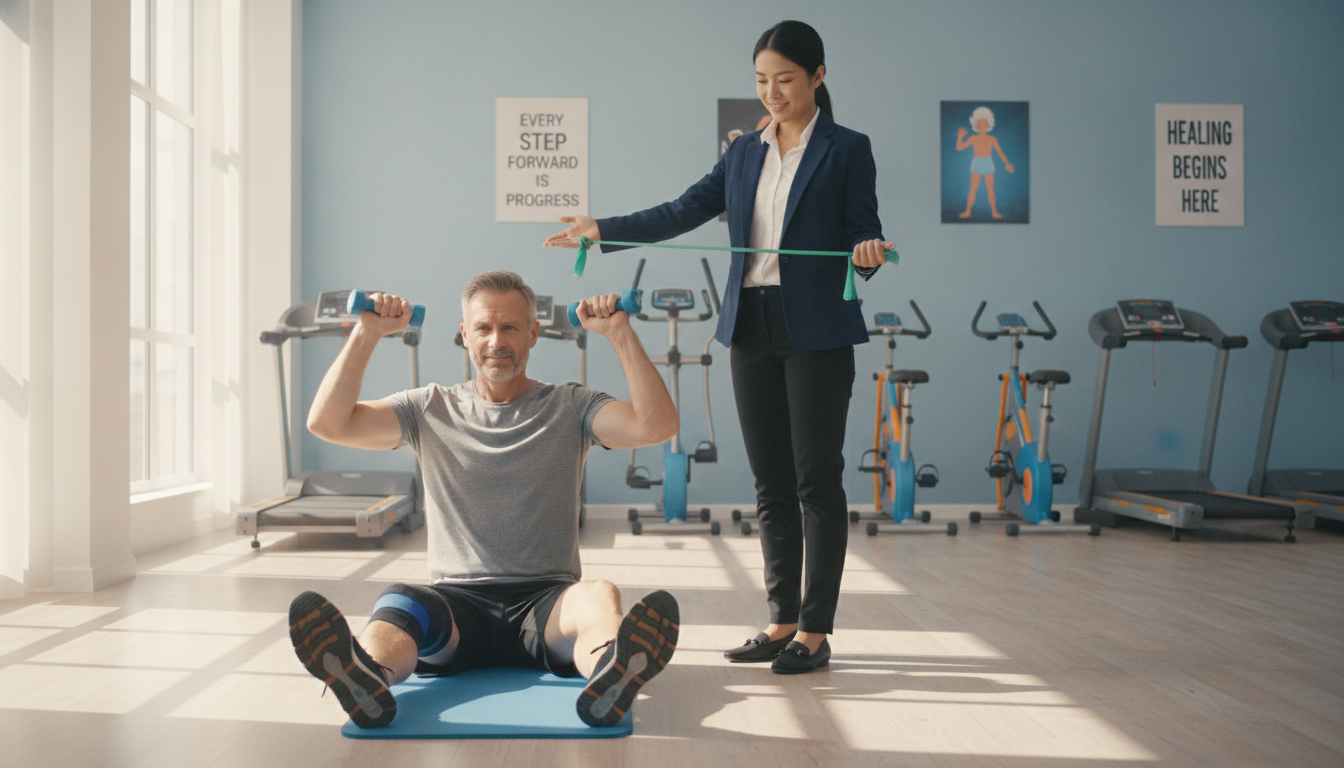
Getting back to health after surgery requires a careful, structured approach. Your body must heal, but staying active is key to long-term success. A guided plan helps rebuild your strength and mobility safely.
Consistent movement is crucial for a good outcome. These gentle routines boost blood flow, reduce stiffness, and improve your range of motion. Whether you’re in the early healing stages or moving towards advanced training, sticking to your routine is vital.
This guide offers evidence-based strategies to help you regain independence. We’ll show you how to safely add these movements to your daily life. With the right approach, you can get back to your favorite activities with renewed confidence and strength.
Key Takeaways
- Prioritize a gradual, structured plan to ensure safe healing.
- Consistent movement helps prevent stiffness and improves circulation.
- Always consult your medical team before starting new physical routines.
- Focus on restoring mobility before attempting high-intensity training.
- Listen to your body to avoid setbacks during your healing journey.
Understanding the Importance of Structured Post-Surgery Exercises
A well-planned exercise routine after surgery is key to a good recovery. By sticking to a structured rehabilitation program, your body gets the tools it needs to heal well. These exercises are not random. They are designed to help you get back to normal while keeping the surgery area safe.
Structured rehabilitation exercises are crucial for your post-operative recovery. A professional post-op exercise plan helps manage your healing and avoid setbacks. Here are the main benefits of following a guided program:
- Prevents excessive scar tissue formation by keeping tissues mobile.
- Maintains joint range of motion to prevent long-term stiffness.
- Improves blood circulation, which is vital for tissue repair and reducing swelling.
- Restores muscle strength gradually to support your daily activities.
Your surgical recovery program should be tailored to your specific needs. It’s important not to rush your recovery. Listening to your body is as crucial as following your doctor’s advice.
If you feel sharp pain or unusual discomfort, stop your recovery exercises and talk to your surgeon or physical therapist. A balanced approach keeps your post-surgical strengthening safe and effective. By staying consistent with your post-op rehabilitation, you’re investing in your long-term health and mobility.
Consulting Your Medical Team Before Starting Rehabilitation
Talking to your surgeon or physical therapist is the first step in your recovery. Before starting post-surgery exercises, make sure your body is ready. Every surgery is different, and only your medical team knows what’s best for you.
Having a clear plan is key to a good recovery. Your surgeon will give you a rehabilitation timeline based on your healing. Always stick to this plan unless your doctor says it’s okay to change.
Starting rehabilitation exercises too soon or too hard can be harmful. Your doctor and physical therapist can guide you to avoid injuries. Here’s why you should keep in touch with them:
- Your surgeon knows how stable your surgery site is.
- Physical therapists can adjust exercises based on your pain.
- Regular meetings help you avoid tips that don’t fit your situation.
“The safest way to regain your strength is to progress only when you have been medically cleared by your primary care team.”
When you start physical therapy exercises, remember to be consistent. If you’re doing physical therapy post-operation, keep track of your progress. This helps your team know when to make your exercises harder.
Many people find physical therapy after surgery crucial for healing. Whether you’re doing post-surgery physical therapy at home or in a clinic, safety is more important than speed. Rushing can cause problems that could be avoided with the right guidance.
Your post-operative physical therapy plan helps you get back to normal slowly. By using physical therapy after surgery, you’re investing in your future health. Always ask if something feels off or if you’re unsure about your limits.
Your commitment to recovery physical therapy is what will make you successful. Be patient, listen to your medical team, and celebrate your small victories. Your dedication to a safe, supervised program is the best way to get back to your daily life.
Early-Stage Movements for Circulation and Stiffness
Your physical therapy after surgery starts with small, controlled actions. These actions help your body heal. The main goal is to keep blood flowing and avoid stiffness without stressing your surgery site too much. These foundational rehabilitation exercises are gentle yet effective for your long-term success.
Performing Ankle Pumps to Prevent Blood Clots
One key blood circulation exercise is the ankle pump. This involves moving your feet up and then down in a rhythmic motion. Doing this while lying in bed or sitting helps keep blood flowing well and lowers the risk of blood clots.
It’s important to do these movements often during your post-operative recovery. Try to do several sets a day to keep your blood flowing. This simple action is a key part of effective post-surgery physical therapy.
Utilizing Heel Slides for Initial Joint Mobility
As you get better, heel slides help you move your lower extremities. To do this, slowly move your heel toward your buttocks while keeping your foot on the bed or floor. This helps gently restore the range of motion without pushing the joint too hard.
These exercises are key to your recovery physical therapy plan. By doing slow, controlled slides, you protect your surgery site and wake up your muscles. Always stop if you feel sharp pain.
Deep Breathing Exercises for Post-Operative Recovery
Deep breathing exercises are also important for your health after surgery. They help expand your lungs and improve oxygenation, which is key for post-operative physical therapy success. Slow, deep breaths can also help you manage stress and discomfort during your healing.
Adding these breathing patterns to your daily routine helps your body heal naturally. Whether you’re doing physical therapy at home or in a clinic, remember that every small movement is important. Staying committed to these early-stage post-surgery exercises will help you regain mobility in the future.
Transitioning to Mid-Stage Rehabilitation Exercises
Reaching mid-stage recovery is a big step towards getting back to normal. As your body heals, your rehabilitation exercises will get more active. This stage is key to building strength and endurance for everyday tasks.
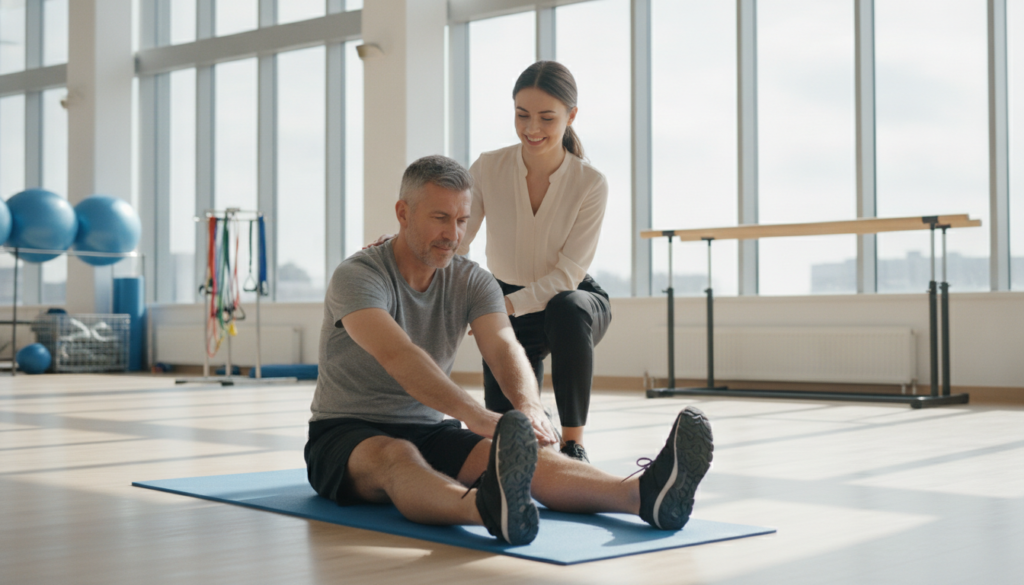
Incorporating Gentle Walking for Cardiovascular Health
Gentle walking is great for blood flow and heart health. It helps loosen up your muscles and boosts your stamina. Try to walk for 30 minutes, 2 to 3 times a day, for the best results in your post-operative recovery.
“Consistency in movement is the bridge between surgery and a full return to your active lifestyle.”
Using a Stationary Bike for Controlled Joint Motion
When you’re ready for more, a stationary bike is a safe choice. It lets you control the workout, which is good for your joints without overstraining them. Many people find it helps them feel more confident in their movements.
Executing Straight Leg Raises to Build Core and Quad Strength
To strengthen your muscles, focus on exercises such as straight-leg raises. They work your quadriceps and core without the need for heavy impact. Doing these exercises regularly helps support your joints during recovery from physical therapy.
| Exercise Type | Primary Benefit | Recommended Frequency |
|---|---|---|
| Gentle Walking | Cardiovascular Health | 30 mins, 2-3 times daily |
| Stationary Cycling | Joint Mobility | 15-20 mins, once daily |
| Straight Leg Raises | Muscle Strength | 3 sets of 10 repetitions |
Adding these exercises to your post-surgery physical therapy plan is important. Always pay attention to your body and talk to your doctor if you feel pain. Sticking to your physical therapy post-operation routine is crucial for long-term success.
Focusing on Range of Motion and Flexibility
Getting back to full motion is key after surgery. It helps avoid stiffness and lets your body work like before. Doing a range of motion exercises regularly keeps muscles and tissues healthy as you move more.
Stretching Techniques for Muscle Recovery
Adding gentle stretches to your rehabilitation exercises relaxes tight muscles and boosts blood flow. Move slowly and avoid pain. These physical therapy exercises help tissues stretch out, which is important for healing.
“Movement is the song of the body; flexibility is the rhythm that keeps the melody flowing through every stage of healing.”
Pay attention to your body while stretching. If it hurts, ease up and stretch at a comfortable level. This way, you build strength without hurting the surgical area.
Maintaining Joint Mobility Through Passive Movement
Passive mobility after surgery is crucial for recovery. Moving joints with help keeps them flexible without straining muscles. For instance, slow knee bends help keep joints moving during early recovery physical therapy.
These exercises are key in post-surgery physical therapy because they stop scar tissue from forming. Sticking to your physical therapy post-operation plan keeps joints fluid. Remember, post-operative physical therapy is a long-term effort, and small steps lead to big results.
Advancing to Functional Training for Daily Living
Moving from clinical recovery to your daily routine needs a change. This is where functional training comes in. It focuses on movements that are like the tasks you do every day. This prepares your body for the demands of your lifestyle.
Resistance Band Training for Targeted Muscle Strengthening
Elastic tools are great for muscle strengthening after surgery without hurting your joints. Resistance band exercises let you control the tension. This ensures you build power safely. You can target specific muscles that got weaker during downtime.

Using these bands regularly boosts your stability and endurance. As you do more rehabilitation exercises, your muscles get stronger. This is key to moving freely again.
Performing Light Squats to Restore Lower Body Function
Light squats are key for post-surgery exercises to get your lower body back to work. They’re important for everyday tasks like sitting, standing, or going up stairs. Practicing these squats trains your legs to handle your body weight better.
Begin with a shallow squat to maintain proper form. As you get stronger, you can do deeper squats. This way, your functional training gets better, helping you recover fully and live independently.
Utilizing Aquatic Therapy for Low-Impact Recovery
Moving in water can really help you recover faster after surgery. The water’s buoyancy makes it easier on your joints. This is great for staying active while your body heals.
Benefits of Water Aerobics for Surgical Patients
Water aerobics is a great way to keep your heart rate up without the hard impact of land. The water’s resistance helps build muscle while supporting your joints. Regular sessions can make you move better and faster.
These rehabilitation exercises are safe because they don’t put excessive strain on your body. They let you move in a controlled way, keeping your heart rate up. This helps you stay fit while you heal.
Swimming as a Tool for Endurance and Healing
When you’re ready for more, swimming rehabilitation can help you regain your strength. Swimming works your whole body smoothly. It helps your blood flow and aids in healing.
As you get stronger, the water’s resistance will challenge you just right. You can swim more laps to build strength. Using the pool is a smart way to keep your post-surgery exercises effective and lasting.
Monitoring Your Progress and Recognizing Warning Signs
It’s important to listen to your body after surgery. Post-operative recovery is all about getting stronger, but you need to watch for signs of trouble. Keeping track of your progress keeps you motivated and on the right track.
Identifying When to Push and When to Rest
Knowing when to stop is key to avoiding injuries. Feeling sore after rehabilitation exercises is normal, but it should go away in a day. If the pain gets worse or feels sharp, stop and talk to your physical therapist.
It’s important to know your limits during recovery workouts. Ignoring pain can slow down your healing. Start slow and focus on doing the exercises consistently, not too hard.
Managing Pain and Swelling During Your Workout Routine
Managing swelling and pain is part of the recovery process. If swelling or pain worsens after exercise, try the RICE method. This means resting, icing, compressing, and elevating the affected area.
Here’s a table to help you tell normal recovery from signs that need medical help:
| Symptom Type | Normal Recovery | Warning Sign | Recommended Action |
|---|---|---|---|
| Muscle Soreness | Mild, dull ache | Sharp, shooting pain | Rest and ice |
| Swelling | Minor, temporary | Severe, persistent | Elevate and consult |
| Joint Stiffness | Improves with movement | Locked or immobile | Contact your doctor |
| Recovery Workout Plan | Gradual progression | Sudden regression | Adjust intensity |
Adapting Your Exercise Plan to Your Specific Surgery
Customizing your post-surgery exercises is key to protecting your surgical site. It also helps you make steady progress toward your goals. Every surgery needs a special approach to rehabilitation exercises based on the tissues and the repair type. Adjusting your routine helps you safely move through your post-operative recovery.
Orthopedic Considerations for Joint Replacements
When you have a joint replacement, protecting the new implant is crucial. You need to follow specific movement rules to ensure the implant settles correctly. For example, when going up stairs, lead with your good knee and down with the operated knee. This reduces stress on the joint.
Movements like ankle pumps and heel slides help maintain circulation and joint mobility. These are key to preventing stiffness while you follow your surgeon’s weight-bearing rules. Always put safety first in these early stages.
Soft Tissue Recovery and Scar Tissue Management
Managing soft-tissue healing is as important as bone healing for postoperative mobility. As your body heals, it forms scar tissue that can restrict movement. Gentle, consistent movement helps align these fibers, improving flexibility and reducing tightness around the incision site.
Straight leg raises help build strength in the muscles around the healing area without straining the soft tissues. This balanced approach to post-operative recovery helps you regain function while avoiding painful scar tissue. Staying consistent with your movements leads to a smoother healing process.
Maintaining Consistency for Long-Term Success
Recovery after surgery needs more than just occasional effort. It requires a steady commitment to rehabilitation exercises. By combining these exercises with rest and balanced nutrition, you make sure you’re moving forward well. This helps prevent setbacks and supports your post-operative recovery.
Creating a Sustainable Post-Op Fitness Schedule
It’s key to create a recovery workout plan that fits into your daily life. Schedule your workouts when you’re most energetic, not when you’re tired. This helps prevent injuries and lets your body heal properly.
Focus on small, achievable goals to keep your motivation up. Breaking your post-op fitness routine into smaller parts helps avoid frustration. Remember, consistency is more important than intensity in the early stages of healing.
Staying Motivated Throughout the Healing Journey
The journey to muscle strengthening after surgery is like a marathon. It’s as important to stay mentally strong as it is to stay physically active. Celebrate every small victory to keep your spirits high during healing after surgery.
Keep a journal to track your recovery workout progress. It’s a great way to see how far you’ve come. Surround yourself with supportive friends or family who understand your goals. When you feel down, remember that every movement brings you closer to your full potential. Being patient with your body is the secret to lasting success.
Conclusion
Your journey to physical wellness starts with a steady plan of movement. Sticking to post-surgery exercises is key. It lays the groundwork for lasting strength and mobility.
You are the most important person in your recovery. A tailored plan helps your body heal safely and well. These exercises are crucial for getting back to your normal life.
Always talk to your physical therapist or surgeon. They help you change your routine as you get stronger. Your hard work in recovery will pay off for your health in the long run.
Being patient is crucial during this time. Small daily achievements lead to big progress over time. Keep your eyes on your goals and trust the healing process to help you regain your freedom.