Did you know a key tool for your health is in your lower leg? This hidden calf muscle works for hours without getting tired. It helps your body better handle glucose throughout the day.
The soleus push-up is a simple exercise done while sitting. It activates this muscle. Doing it right can lower blood sugar naturally by boosting how your body uses glucose. It’s great for people who sit a lot.
Adding this exercise to your daily routine is a smart way to lower blood sugar without a gym. It targets a small but powerful part of your body. This can improve how well your body uses insulin and fight the harm of sitting too much. Start now for better health through easy, daily activity.
Key Takeaways
- The soleus is an endurance-focused tissue that burns glucose efficiently.
- You can perform this exercise while seated, making it perfect for office work.
- Regular activation improves insulin sensitivity and overall metabolic health.
- This method provides a natural way to manage glucose levels without intense cardio.
- Consistency is the key to seeing long-term improvements in your health markers.
Understanding the Anatomy and Function of the Soleus Muscle
The anatomy of the calf muscle reveals a hidden powerhouse. The soleus muscle is a flat muscle in the back of your lower leg. It stretches from just below your knee to your heel.
It’s often called the hidden calf muscle because it’s hidden by the gastrocnemius. Yet, it does most of the work for your posture and movement.
Why the Soleus is Different from Other Calf Muscles
Most leg muscles are for quick, explosive actions. But the soleus muscle is for endurance. It stays active when you stand or walk.
This makes it less prone to fatigue than other calf muscles. Knowing how the soleus muscle works helps you understand its role in supporting your body.
The Role of Slow-Twitch Fibers in Metabolic Health
The soleus muscle is unique for its slow-twitch fibers. These fibers use oxygen to make energy efficiently.
They help clear glucose from your blood. This improves insulin sensitivity and metabolic health. Engaging these fibers helps stabilize your blood sugar.
Focus on the benefits of the soleus muscle for better health. Keeping it active helps your body process energy well every day.
The Science Behind the Soleus Muscle, Soleus Push-Up, Soleus Push-Up Hidden Calf Muscle, Lower Blood Sugar
Recent studies have shown how a simple movement can change your blood sugar levels. The soleus muscle is key to this change. It’s a powerful muscle in your lower leg that works differently from others.
University of Houston Research Findings
Research by Marc Hamilton at the University of Houston has changed our view of sitting. The study found that the soleus pushup can lower blood sugar by up to 52%. This shows that it’s more than just a simple calf raise.
The soleus muscle is made up of slow-twitch muscle fibers, or type I muscle fibers. It’s designed to work for hours without getting tired. This makes it great for increasing metabolism throughout the day.
How Muscle Contraction Influences Glucose Uptake
Doing a soleus push-up triggers a specific metabolic pathway that uses both glucose and fat. This helps improve glucose metabolism without stressing your heart. You can do this while sitting, reading, or watching TV.
The table below shows how this movement compares to sitting still:
| Metabolic Factor | Resting State | Soleus Activation |
|---|---|---|
| Primary Fuel Source | Glycogen | Glucose & Fat |
| Heart Rate Impact | Baseline | Minimal Increase |
| Glucose Uptake | Low | Significantly Higher |
| Muscle Fatigue | N/A | Very Low |
By focusing on soleus exercise, you keep your body active. This metabolic exercise helps control blood sugar. Regular muscle engagement keeps your body moving, even when you’re still.
Preparing for Your Soleus Push-Up Routine
Making small changes to your office setup can make a big difference. If you’re dealing with prediabetes or insulin resistance, setting up your space right is key. This helps fight the bad effects of sitting too much.
Setting Up Your Workspace for Success
To do this desk exercise right, keep your feet flat on the floor. Make sure your chair height lets your knees form a 90-degree angle. This setup is important for the University of Houston’s soleus study methods.
Make sure your desk isn’t too high. You should sit up straight to do these easy exercises. When you’re aligned right, you can focus on your calf muscles.
Ergonomic Considerations While Sitting
More than just moving is needed to fight sitting disease. You need a supportive chair to keep your back straight all day. If your feet don’t touch the floor, use a footrest to maintain proper alignment for the right soleus push-up.
Here’s a table with the main adjustments for better desk work:
| Adjustment Type | Recommended Position | Benefit for Activation |
|---|---|---|
| Chair Height | Knees at 90 degrees | Ensures full heel range |
| Foot Placement | Flat on the floor | Maximizes muscle engagement |
| Desk Height | Elbows at 90 degrees | Reduces upper body strain |
| Back Support | Firm lumbar contact | Prevents fatigue during sets |
By following these tips, you can make a routine that fits your busy life. Consistency is the key to bettering your health. Keep your workspace tidy for smooth, hassle-free movement.
Mastering the Soleus Push-Up Technique
To get the most out of your slow-twitch muscle fibers, start with your foot position. This simple move needs a precise technique to target the soleus muscle. It’s a low-impact exercise that boosts your health safely from a chair.
Positioning Your Feet and Ankles
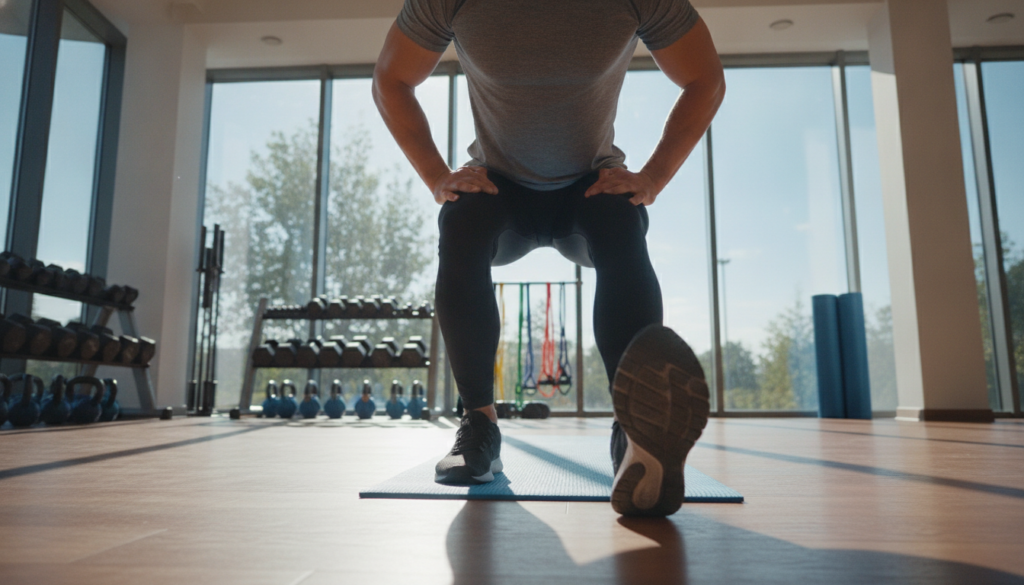
Sit in a strong chair with your feet flat on the floor. Bend your knees to 90 degrees to focus on the soleus muscle. Keep your feet apart to stay stable during the soleus workout.
Wear flat shoes to move freely. Proper ankle alignment is key for calf muscle strengthening exercises. Correct foot placement helps strengthen the soleus muscle fibers well.
Executing the Heel-Raise Movement Correctly
Start with your feet on the ground, then lift your heels as high as you can. Keep your toes touching the floor. You’ll feel your calf muscles working, showing you’re doing it right.
Slowly lower your heels back down. This part is just as crucial for strengthening the soleus muscle. Do this movement often to build endurance without getting tired.
Maintaining Proper Form for Maximum Activation
Keeping your form consistent is key to lasting results with these calf exercises. Don’t bounce your heels or use momentum. Instead, move slowly to engage type I muscle fibers effectively.
If you lose focus, adjust your posture. A straight back and engaged core help you stay focused on soleus strengthening. Focus on quality over quantity to improve your glucose regulation and metabolic health.
Integrating Soleus Exercises into Your Daily Workflow
Turning your desk time into active health is easier than you think. By adding soleus activation to your day, you fight the dangers of a sedentary lifestyle. Small movements are key to healthy longevity and a healthy metabolism.
Best Times to Perform the Movement
You don’t need a gym to do a soleus pushup. This movement is versatile and fits into your daily life. Many practice these soleus exercises during long calls or TV time, staying focused and energized.
At work, set hourly reminders to activate the soleus muscle. This habit boosts blood circulation and helps prevent stiffness from prolonged sitting. It’s crucial for healthy aging and stable blood sugar.
Combining Activity with Sedentary Tasks
Make your desk more active by integrating exercise into your daily tasks. For example, do heel raises while reading emails or waiting for files. These easy exercises while sitting are perfect for desk exercise without special gear.
Adding these movements to your routine fights sitting disease. The table below shows how to swap passive habits for active ones for better results.
| Sedentary Habit | Active Soleus Routine | Primary Benefit |
|---|---|---|
| Watching the Evening News | Seated Heel Raises | Improved Blood Flow |
| Attending Virtual Meetings | Soleus Muscle Workout | Metabolic Activation |
| Commuting via Train/Bus | Targeted Soleus Exercise | Reduced Leg Fatigue |
| Reading Reports | Consistent Soleus Pushups | Glucose Regulation |
Adding soleus activation exercises to your schedule makes sitting less idle. These small efforts add up, improving your metabolic health. Start small, stay consistent, and enjoy a more active life.
The Metabolic Benefits of Consistent Soleus Activation
Regularly activating the soleus muscle is a natural way to control your blood sugar throughout the day. By adding certain movements to your sitting time, you can turn your lower legs into a metabolic engine. This simple method helps keep your body balanced, even when you’re sitting for a long time.
Improving Insulin Sensitivity Over Time
Regular soleus activation trains your body to handle glucose better. Over time, this makes your body more sensitive to insulin. This is key for those with prediabetes or insulin resistance. Keeping this muscle active eases the work on your pancreas.
This type of metabolic exercise helps your cells better take up glucose. As your muscle metabolism gets better, your body uses fuel more efficiently. This is a big step in preventing diabetes and improving overall health.
Managing Post-Meal Blood Sugar Spikes
Targeting the soleus muscle has a big benefit: it reduces blood sugar spikes after meals. Studies show that proper soleus muscle activation can lower blood sugar by up to 52%. This makes it a great way to control blood sugar right at your desk.
Using soleus-activation exercises can naturally lower blood sugar without going to the gym. This keeps your muscles working to take up glucose. The table below shows how this simple habit affects your daily blood sugar levels.
| Metabolic Metric | Without Soleus Activation | With Consistent Activation |
|---|---|---|
| Post-Meal Glucose Surge | High/Moderate | Significantly Reduced |
| Insulin Efficiency | Decreased | Enhanced |
| Glucose Clearance Rate | Slow | Rapid/Efficient |
| Metabolic Stability | Fluctuating | Consistent |
Addressing Common Challenges and Troubleshooting
Even the best calf muscle exercises can cause discomfort if you don’t focus on proper form. The hidden calf muscle is very strong, but bad technique or excessive effort can tire it. Learning how to fix your workout keeps it safe and effective.
Avoiding Calf Muscle Strain
To avoid soleus muscle strain, move slowly and control your actions. If you feel sudden pain, stop right away and rest. Doing a gentle soleus stretch after working out helps keep your muscles flexible and lowers injury risk.
“Consistency is the key to long-term health, but listening to your body is the foundation upon which that consistency is built.”
Knowing your calf muscle anatomy helps you know when you’re doing too much. If you’re always sore, cut back on how hard you’re working for a few days. Resting is as important as working out when you want to strengthen the soleus muscle fibers well.
Ensuring Consistent Engagement Throughout the Day
Keeping up with a calf muscle workout when you’re busy is tough. Many people use small reminders to stay on track with their soleus muscle exercises. Being consistent is key to managing post-meal blood sugar levels all day.
If you find it hard to stay focused, link your soleus workout to a daily task, like checking emails. This makes it simpler to strengthen calf muscles without feeling stressed. Short, regular activities boost your metabolism and improve blood circulation.
Comparing Soleus Push-Ups to Traditional Exercise
Have you ever wondered how a simple desk exercise stacks up against walking or running? The soleus pushup is great for keeping blood sugar levels in check. But it’s not meant to replace your daily walk.

Why This Movement Does Not Replace Walking
Walking is key to heart health and burning calories. It works many muscles and boosts your heart rate. In contrast, the soleus pushup focuses on the calf muscles and glucose uptake.
Doing only calf muscle exercises misses out on the benefits of aerobic activity. These exercises are good for a sedentary lifestyle, but they don’t raise your heart rate as much. Think of them as a desk-friendly way to keep your metabolism up.
Synergizing Targeted Activation with Cardiovascular Health
The best plan is to mix soleus exercises with your usual workout routine. Doing these exercises while sitting can improve blood circulation and keep blood sugar steady. This way, you’re supporting your health all day, not just during workouts.
To strengthen calf muscles and avoid injuries, don’t forget to stretch your soleus after working out. Stretching keeps your lower legs flexible and ready for action. Here’s a table showing how these two methods differ in their health benefits.
| Feature | Soleus Push-Up | Traditional Walking |
|---|---|---|
| Primary Goal | Glucose Regulation | Cardiovascular Health |
| Intensity Level | Low-impact | Moderate |
| Muscle Focus | Soleus (Calf) | Full Body |
| Best Setting | Desk/Sedentary | Outdoor/Gym |
Long-Term Strategies for Metabolic Longevity
Long-term metabolic health is a marathon, not a sprint. It’s about making sustainable choices for a healthy life. Consistency is key to keeping your glucose levels stable.
Building Sustainable Habits for Prediabetes Management
Managing prediabetes means making small, daily changes. Prioritizing blood sugar control lowers the risk of serious health issues. See these changes as permanent lifestyle shifts, not temporary fixes.
“The secret of getting ahead is getting started. The secret of getting started is breaking your complex overwhelming tasks into small manageable tasks, and then starting on the first one.”
To succeed, focus on improving insulin sensitivity through daily movement. Make these activities a non-negotiable part of your schedule. Even small changes to your post-meal habits can greatly impact your metabolic health.
Monitoring Your Progress and Blood Sugar Trends
Tracking your data is crucial for understanding your body’s responses. By logging your post-meal blood sugar, you learn which habits improve glucose metabolism. This knowledge helps you refine your approach and stay motivated.
Regular monitoring reveals patterns in your glucose regulation. If you notice trends that don’t align with your goals, adjust your routine to naturally lower your blood sugar. Being proactive with your health data is essential for improving blood sugar levels with exercise and staying on track.
Your dedication to exercise for blood sugar management will greatly improve your quality of life. Be patient with yourself as you work through the challenges of insulin resistance. With time and effort, these strategies will become second nature, leading you to a healthier future.
Conclusion
The University of Houston soleus study shows a simple way to improve your health. It focuses on the benefits of the soleus muscle for preventing diabetes. This method turns sitting time into chances to exercise, even when you’re busy.
Regular exercises for the soleus muscle are good for aging health. You can do these exercises at work or at home. This keeps your metabolism going all day, helping you stay healthy longer.
Make sure to do these exercises right to avoid muscle strain. Adding a gentle stretch for the soleus helps keep your muscles flexible and prevents injuries. With time, doing these exercises will become easy.
Start making these small changes to better manage your blood sugar. Strengthening the soleus muscle is key to your physical health. Begin your journey to better health by making these exercises a daily habit.