
In the United States, many people are turning to alternate-day fasting to improve their metabolic health. This dietary strategy has gained significant traction because it offers a structured approach to weight management without requiring complex meal plans.
The method functions by cycling between periods of normal consumption and days of restricted caloric intake. On your restricted schedule, you typically limit your intake to about 500 calories. This rhythmic pattern helps your body adapt to different energy demands throughout the week.
Understanding how ADF fasting works is essential before you begin. While this form of intermittent fasting is effective for many, it is not suitable for everyone. You should carefully weigh the potential health benefits against the documented risks associated with such a strict regimen.
This guide provides a comprehensive overview of this alternate-day fasting protocol. We will explore safety considerations and practical tips to help you decide if this style of fasting aligns with your personal wellness goals. By the end of this article, you will have the knowledge needed to approach fasting with confidence.
Key Takeaways
- This approach involves cycling between regular eating and low-calorie days.
- Restricted days typically limit intake to approximately 500 calories.
- The protocol is increasingly popular for weight management in the U.S.
- Consulting a healthcare provider is recommended before starting any new diet.
- Understanding both benefits and risks is crucial for long-term success.
Understanding the Science of Alternate-Day Fasting: ADF Intermittent Fasting
Exploring alternate-day fasting reveals how your metabolism changes when you restrict food. This intermittent fasting method makes your body use different energy sources. It alternates between eating and fasting, which boosts your health.
When you fast, your body first uses up glucose. Then, it starts burning fatty acids for energy. This switch is key in research-backed fasting, helping your body burn fat more efficiently.
Fasting and metabolism are closely tied to autophagy. This is your body’s way of cleaning itself by removing damaged cells. Studies show that autophagy is crucial for maintaining health and preventing disease.
Knowing how your body changes with the ADF diet is vital for better health. This diet trains your body to be stronger. Here are some metabolic benefits of fasting:
- Enhanced insulin sensitivity, better blood sugar control.
- Increased fat oxidation, using fat for energy.
- Cellular rejuvenation through autophagy.
Recent research findings support the benefits of fasting diets. Understanding ADF fasting can help you better manage your metabolic health. Remember, consistency is key to enjoying these benefits every day.
The Core Protocol: How the Fasting Schedule Functions
Your journey into intermittent fasting starts with a clear schedule. This schedule balances when you eat and when you don’t. It’s a reliable beginner’s guide for improving your metabolic health.
Defining the Modified Fasting Day
The modified alternate-day fasting limits your calories to about 500 on fasting days. You should drink water, herbal tea, or black coffee to stay hydrated. Choose nutrient-dense, low-calorie foods to feel full.
Following these rules and guidelines is key to success. Drinking water and herbal tea helps with hunger. The fasting schedule is designed to be doable, so listen to your body.
Managing Caloric Intake on Eating Days
On non-fasting days, eat a balanced diet but don’t overeat. A good fasting regimen means healthy eating habits, not too many calories. Eat whole foods, lean proteins, and lots of veggies.
Good meal timing is crucial for feeling good on your alternate-day fasting days. Plan your meals to avoid overeating. Learning these steps makes alternate-day fasting easy to follow.
Documented Health Benefits of the ADF Regimen
Many people choose alternate-day fasting for its benefits. It helps improve body composition and metabolic markers. This method of intermittent fasting is known for supporting wellness goals.
Impact on Weight Loss and Visceral Fat
People choose this method for weight loss. Studies show it’s effective in reducing body weight and targeting fat. It’s especially good at losing visceral fat, the fat around your organs.
Reducing visceral fat is key to your health. This routine helps in healthy weight loss. Here are the main benefits for your body:
- Significant reduction in total body fat percentage.
- Targeted decrease in harmful visceral adipose tissue.
- Preservation of lean muscle mass during weight loss.
Improvements in Metabolic Markers
The metabolic benefits of this protocol are significant. Following an ADF fasting schedule improves energy processing. These improvements are crucial for preventing chronic conditions and keeping you vital.
Insulin Sensitivity and Blood Glucose Regulation
A big plus is the boost in insulin sensitivity. Fasting helps your body better manage blood glucose. This prevents metabolic fatigue and helps regulate energy levels throughout the day.
Blood Pressure and Cardiovascular Health
Your heart health also benefits from the health benefits of fasting. Studies show it can lower blood pressure. This leads to better heart function and long-term heart health. By focusing on these health benefits, you’re strengthening your body and making it more resilient.
Comparing ADF to Traditional Daily Calorie Restriction
Many people wonder whether alternate-day fasting is better than reducing daily calorie intake for weight loss. The idea of switching between eating and fasting is popular. But it’s key to look at the facts.
Both methods aim to reduce calorie intake, which helps you lose weight. This is the main goal of any diet.
Efficacy in Long-Term Weight Management
Studies show that alternate-day fasting isn’t always better than eating less every day for keeping weight off long-term. When comparing intermittent fasting for weight loss to regular dieting, the weight lost is often the same. Success comes from sticking to your chosen diet plan.
If ADF fasting works better for you, you might lose more weight because you can stick to it. But if fasting days make you hungry, a regular diet might be easier. The key is to find a diet you can keep up with, not just any diet.
Metabolic Adaptations and Differences
Your body changes in different ways based on how you eat. Fasting and metabolism are closely linked. When you fast, your body starts burning fat instead of glucose.
On the other hand, eating less every day leads to slower changes in your metabolism. Some research suggests that intermittent calorie restriction might help keep muscle mass better than constant dieting. But the differences in metabolism between these two methods are small. Choose the diet that fits your health goals and daily life.
| Feature | Alternate-Day Fasting | Daily Calorie Restriction |
|---|---|---|
| Primary Mechanism | Cyclical energy deficit | Consistent daily deficit |
| Sustainability | Variable based on lifestyle | High for many individuals |
| Metabolic Impact | Promotes fat oxidation | Gradual metabolic adjustment |
| Weight Loss Results | Effective for many | Effective for many |
Common Side Effects and Challenges You May Face
Starting alternate-day fasting is more than just wanting to. It’s about getting ready for physical and social changes. Many people do well, but your body needs time to adjust. Knowing the challenges helps you stay strong.
Physical Symptoms: Hunger, Fatigue, and Headaches
When you start intermittent fasting, hunger might feel stronger. This is normal as your body gets used to not eating as often. You might feel tired or have headaches at first.
These fasting side effects usually come from changes in blood sugar or not drinking enough water. Drinking lots of water or herbal tea helps. Adding a bit of sea salt to your water can also help with headaches from adf fasting.
Navigating Social Challenges and Lifestyle Adjustments
Social events often center around food, making alternate-day fasting feel lonely. It can be hard to say no or explain your diet to others. But, with some planning, you can keep up with your routine and still see friends.
Plan your eating days around big social events or dinners. If you can’t make it, remember that flexibility is key in fasting. Talking openly about your goals helps you deal with the risks of alternate-day fasting. Over time, focusing on your health will become second nature.
Emerging Research on Cholesterol and Lipid Profiles
New studies show that your diet, like intermittent fasting, can surprise you with its effects on heart health. Many people focus on losing weight. But it’s key to see how fasting changes your blood lipid levels over time.
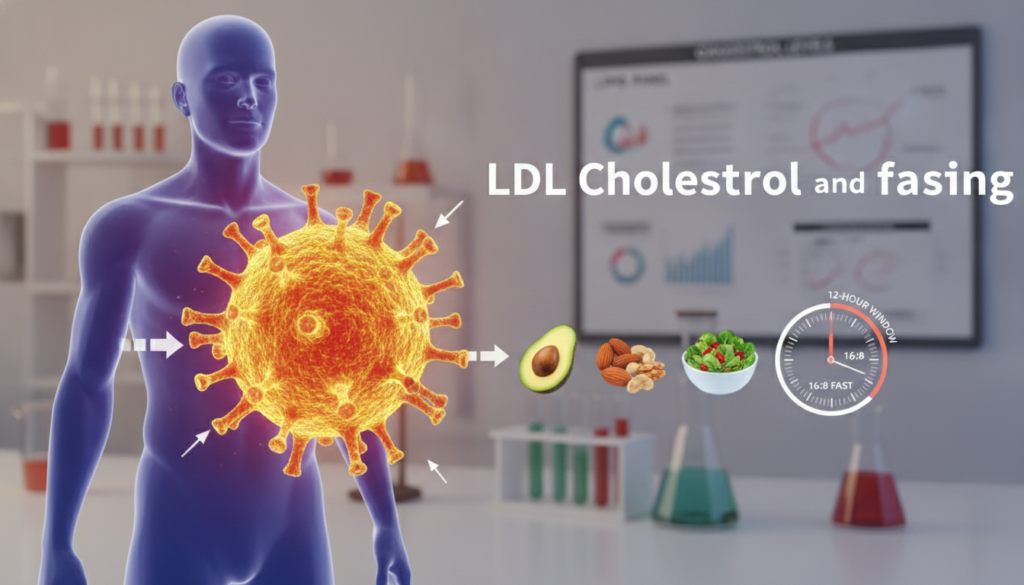
The Potential Increase in LDL Cholesterol
Some studies suggest that alternate-day fasting may raise LDL cholesterol over time. This is a big deal for those with high lipid levels.
Researchers are trying to figure out why this happens with ADF fasting. It might be how the body changes its cholesterol transport during fasting.
Interpreting Long-Term Cardiovascular Data
If you’re considering long-term alternate-day fasting, regular health checks are crucial. This lets you track how your body reacts to it.
Remember, not everyone gets the same results from fasting. Intermittent fasting is powerful, but watch your heart health closely.
Staying up to date with new research helps you make better choices. Talk to your doctor to see if alternate-day fasting is right for you.
Who Should Avoid Alternate-Day Fasting
Your health journey is unique, and knowing when to skip certain diets is key. Alternate-day fasting is popular for its health benefits, but it’s not for everyone. Before starting an ADF fasting plan, check if your body is ready for the change.
Medical Contraindications and High-Risk Groups
Some health conditions make intermittent fasting risky. If you have chronic illnesses or take medications at specific times, be careful. People with diabetes or at risk for bone loss should avoid it without a doctor’s okay.
Fasting can worsen health problems. Always talk to a doctor before starting alternate-day fasting. Your safety is the top priority when changing your diet.
Pregnancy, Breastfeeding, and Nutritional Needs
Pregnancy and breastfeeding need steady, good nutrition for mom and baby. Fasting can disrupt this. It can harm development and make the mom very tired.
If you’re pregnant or nursing, skip restrictive diets. Eat balanced, nutrient-rich meals. Always listen to your doctor about what you should eat.
Eating Disorders and Psychological Considerations
The mental side of safe intermittent fasting is important. For those with eating disorders, fasting can lead to bad habits or food obsession. It’s more important to have a healthy body image than to lose weight.
If fasting makes you think too much about food, get help from a mental health expert. Your mental health is crucial for your overall well-being. Here’s a list of groups to be careful or avoid fasting.
| Category | Risk Level | Recommendation |
|---|---|---|
| Pregnant/Nursing Women | High | Avoid entirely |
| Eating Disorder History | High | Consult a therapist |
| Uncontrolled Diabetes | High | Avoid without an MD |
| Low Bone Density | Moderate | Medical supervision |
Managing Diabetes and Bone Health Risks
If you have diabetes or are concerned about bone density, get professional advice before starting alternate-day fasting. This method can help with metabolic health for many, but it’s not right for everyone. Some health issues need extra care before trying intermittent fasting.
Risks for Individuals with Poorly Controlled Diabetes
People with diabetes face a big challenge with ADF fasting. It’s hard to keep blood sugar stable, which can cause low blood sugar. This is very dangerous.
If your diabetes is hard to manage, fasting can mess with your medicine schedule. Always talk to your doctor before starting fasting. They can check if your treatment works with fasting.
Concerns Regarding Bone Density and Mineral Loss
Alternate-day fasting can also affect your bones. Eating less for long periods might lower bone density if you don’t get enough nutrients.
To keep your bones strong, make sure your eating days have lots of good food. If you’re at risk for osteoporosis or have had fractures, watch out. Here are tips to keep your bones healthy while fasting:
- Adequate Calcium Intake: Eat enough dairy, leafy greens, or fortified foods on your eating days.
- Vitamin D Levels: Keep an eye on your vitamin D levels, as they help your body absorb calcium and keep bones strong.
- Protein Quality: Make sure you get enough protein to help keep your muscles and bones strong.
- Regular Monitoring: Get regular check-ups to watch your bone density and how you’re doing with fasting.
Your safety is the most important thing when trying alternate-day fasting. If you feel weak, tired, or have bone pain, stop fasting right away and talk to your doctor. Being careful is key to improving your health.
Essential Steps Before Starting Your Fasting Plan
Starting an alternate-day fasting plan needs more than just willpower. You must understand how your body reacts when you don’t eat for long periods. Taking proactive steps ensures your journey to healthy weight loss is both effective and sustainable.

Consulting with a Healthcare Professional
Before starting any intermittent fasting plan, see your doctor. They can check if this is right for you. This is crucial for safe intermittent fasting, especially if you have health issues.
“The most successful individuals are those who treat their nutritional changes as a medical partnership rather than a solo experiment. Always verify your metabolic readiness with a doctor before starting.”
Your doctor can review your blood work and identify risks. They might give you rules and guidelines based on your health history. Never skip this step, as it’s the base of your intermittent fasting guide.
Preparing Your Body for the Transition
Starting alternate-day fasting should be gradual, not sudden. Begin by shortening your eating window or doing shorter fasts. This helps your body adjust, especially for beginners fasting.
Eat nutrient-dense foods when you can to keep your energy up. Drinking plenty of water is also key, as you’ll lose water weight fast. Plan your meals ahead to avoid overeating.
The following table outlines the essential steps to consider before you begin your journey:
| Preparation Step | Action Required | Goal |
|---|---|---|
| Medical Clearance | Schedule a physical exam | Ensure safety |
| Hydration Strategy | Increase water intake | Prevent fatigue |
| Meal Planning | Prepare nutrient-dense meals | Sustain energy |
| Tracking Progress | Use a journal or app | Monitor health |
Learning how to start alternate-day fasting takes patience and consistency. By following these steps, you can start alternate-day fasting with confidence. Remember, ADF fasting is a long-term commitment to your health, and starting right is key to reaching your goals.
Strategies for Sustaining Your Fasting Routine
Creating a lasting routine is key to getting the most out of intermittent fasting. Starting a fasting protocol can be tough, but sticking with it long-term is about adding healthy habits to your daily life. By planning well, you can keep your fasting schedule effective and easy to follow.
Meal Planning for Success
Good meal planning is essential for successful alternate-day fasting. Planning your meals ahead of time saves mental energy and helps you make better choices. Choose foods that give you energy, like lean proteins, healthy fats, and complex carbs.
Having a clear alternate-day fasting meal plan helps you avoid overeating on non-fasting days. Focus on fiber-rich and whole-grain foods. This way, you get the nutrients your body needs while working towards your fasting results.
Monitoring Your Progress and Adjusting Habits
It’s important to track your intermittent fasting results to stay motivated and find what works for you. Keep a simple log of your meal times, energy levels, and mood. This helps you see how your alternate-day fasting schedule affects your daily life and health.
If your intermittent fasting plan feels too hard, it’s okay to make small changes. You might try a modified alternate-day fasting if you get too hungry on fasting days. Being flexible is crucial to making alternate-day fasting a lasting part of your life.
| Strategy | Primary Benefit | Implementation Tip |
|---|---|---|
| Batch Cooking | Saves time and reduces stress | Prepare proteins on Sunday |
| Food Journaling | Increases dietary awareness | Use a mobile app for tracking |
| Hydration Focus | Reduces false hunger cues | Drink water before every meal |
| Flexible Scheduling | Improves long-term adherence | Adjust based on social events |
Current Clinical Perspectives on Fasting Protocols
Nutritional science is changing fast as researchers study fasting. Experts now look beyond just weight loss. They explore how intermittent energy restriction helps fix cells and boost health. By studying research studies, doctors learn more about fasting’s effects on our bodies.
Evidence-Based Findings in Modern Nutrition
New research-backed data on fasting shows that meal timing matters as much as food quality. Studies show alternate-day fasting can improve insulin use and lower inflammation. These evidence-based fasting results help people plan their eating better.
“The metabolic switch from glucose to ketone utilization represents a fundamental shift in how our bodies manage energy, potentially offering protective benefits against chronic disease.”
Let’s look at how different fasting plans affect health:
| Protocol Type | Primary Benefit | Clinical Focus |
|---|---|---|
| Alternate-Day Fasting | Weight Loss | Insulin Sensitivity |
| Time-Restricted Feeding | Circadian Alignment | Metabolic Flexibility |
| Periodic Fasting | Cellular Autophagy | Longevity Markers |
The Future of Intermittent Energy Restriction Research
Future intermittent fasting research is exciting. Scientists aim to prevent diseases. They’re finding out how intermittent calorie restriction might protect the brain and extend life. The goal is to make these plans safe and work for everyone.
Keep up with new nutrition and fasting research. Soon, we’ll have personalized fasting plans based on genetics and lifestyle. By following the latest fasting science, you can make better choices for your health.
Conclusion
Starting alternate-day fasting changes how you think about food. It’s a way to improve your metabolic health safely and consistently. By choosing a fasting method that fits your life, you take control of your habits.
Alternate-day fasting does more than help you lose weight. It helps you understand when you’re really hungry. This can lead to a healthier relationship with food. Remember, fasting is just one part of staying healthy.
Look for lasting health gains, not quick fixes. Pair your fasting with healthy meals for the best results. Always pay attention to how you feel and adjust if needed. Your health journey is personal, and finding the right balance is key.
See how ADF fasting works for you by tracking your energy and mood. Small, steady changes can lead to big health improvements. Start your journey today with confidence and keep your health goals in mind.