
Fiber-maxxing is a simple, evidence-aligned approach: eat more whole, plant-based foods to boost daily dietary fiber intake and support a healthier gut. The trend has gained attention on social platforms like TikTok, but its core idea—prioritizing diverse, fiber-rich foods—is rooted in research linking dietary fiber to improved gut microbiome function and metabolic health (see major reviews on fiber and microbiota).
This practice focuses on daily choices that support your gut microbiome: more whole grains, legumes, fruits, vegetables, nuts, and seeds. It’s a practical, science-backed path to better gut health—not a quick-fix fad.
Key Takeaways
- Fiber-maxxing emphasizes increasing plant-based, fiber-rich foods to support the microbiome.
- Social media helped popularize the idea, but the benefits rest on decades of nutrition research.
- Small, consistent swaps (whole grains, beans, veggies) are the best way to increase daily fiber intake.
- Whole, unprocessed foods provide the broadest range of nutrients and prebiotic fibers.
- Read on for practical, safe steps to increase fiber without discomfort.
Understanding the Fiber-Maxxing High-Fiber Diet: Gut Health, Prebiotic Foods, Dietary Fiber Benefits
Most U.S. adults fall short of recommended fiber targets—national surveys estimate that more than 90% don’t meet daily goals. Adopting a fiber-maxing, high-fiber diet increases dietary fiber intake and supports a healthier gut microbiome, which is linked to improved stool regularity, greater production of beneficial short-chain fatty acids (SCFAs), and overall gut health.
A fiber-rich diet provides measurable benefits: better bowel regularity, more stable blood sugar, and support for immune function and energy balance. These outcomes come from fiber’s physical effects in the gut and from how fermentable fibers feed beneficial microbes.
Not all fibers act the same. Soluble fiber (found in oats, barley, apples, and psyllium) forms a gel in the gut that can help lower LDL cholesterol and moderate blood glucose. Insoluble fiber (in whole-wheat products, bran, and many vegetables) adds bulk and speeds transit, improving motility and preventing constipation.
Adding prebiotic foods—foods high in fermentable fibers like inulin and resistant starch—feeds the gut’s beneficial bacteria. Examples include garlic, onions, leeks, underripe bananas, cooked-and-cooled potatoes, and legumes. A practical high-fiber diet combines both soluble and insoluble fibers plus prebiotic sources to support a balanced microbiome and digestive function.
Practical targets: aim for 25–38 g of total fiber per day (women ≈25 g, men ≈38 g, depending on age and calorie needs). Start by adding a serving of legumes, a whole-grain portion (like oats or barley), and two servings of vegetables or fruit each day to move toward those goals. Small, consistent changes help you realize the health benefits without digestive upset.
The Biological Impact of Fiber on Your Digestive System
Dietary fiber is central to digestive health—far beyond simply easing bowel movements. Found exclusively in plant-based foods, fiber affects gut motility, stool form, and the composition and activity of the gut microbiome, all of which contribute to long-term metabolic and immune health.
How Fiber Supports Regularity and Motility
The primary dietary fiber benefits for digestion come from both soluble and insoluble fibers, which work in complementary ways. Insoluble fiber increases fecal bulk and speeds intestinal transit, while soluble fiber absorbs water, forming a gel that softens stool and slows transit when needed. Together, these actions improve bowel regularity and reduce the risk of constipation when fiber intake meets recommended levels.
Specifically, fiber helps by:
- Increasing stool bulk, which eases passage and reduces straining.
- Improving water retention in the stool to maintain a softer consistency.
- Modulating colonic contractions (motility) to keep transit time within a healthy range.
The Role of Short-Chain Fatty Acids in Reducing Inflammation
Fermentable fibers serve as substrates for healthy gut bacteria. When these microbes ferment fiber, they produce short-chain fatty acids (SCFAs), including acetate, propionate, and butyrate. Butyrate in particular is a preferred fuel for colonocytes (the cells that line the colon) and supports intestinal barrier integrity.
SCFAs have multiple downstream effects on inflammation and gut health: they help maintain the gut lining, modulate local immune responses, and influence systemic metabolism. Growing evidence from human and animal studies suggests that higher SCFA production is associated with lower markers of intestinal inflammation and improved metabolic markers, although the exact magnitude varies by diet and individual microbiome composition.
Examples of fiber sources that reliably contribute to SCFA production include oats and barley (beta-glucans), legumes and pulses (resistant starches and fermentable oligosaccharides), and prebiotic-rich vegetables and alliums (inulin-type fructans). Regular, varied fiber intake encourages a diverse microbial community that produces a wider range of beneficial metabolites.
Evidence box: systematic reviews link higher total fiber intake with improved stool frequency and consistency and with markers of cardiometabolic health; mechanistic studies highlight butyrate’s role in epithelial health (cite appropriate reviews in the full article rewrite).
Identifying the Best Fiber-Rich and Prebiotic Foods
To strengthen digestion and feed beneficial microbes, prioritize whole, plant-based fiber-rich foods and targeted prebiotic foods. A varied plate of legumes, whole grains, vegetables, fruits, nuts, and seeds provides soluble and insoluble fiber, plus fermentable substrates that support microbiome diversity and gut resilience.
— a concise video that highlights practical swaps and fiber sources to try this week.
“The food you eat can be either the safest and most powerful form of medicine or the slowest form of poison.”
Legumes and Pulses: The Power of Beans and Lentils
Legumes are among the most reliable sources of fiber. Cooked lentils and many beans provide fermentable fiber and resistant starch, which promote SCFA production. Example portions and fiber content (approximate):
- 1/2 cup cooked lentils ≈ 7–8 g fiber
- 1/2 cup cooked black beans ≈ 6–7 g fiber
- 1/2 cup chickpeas ≈ 6 g fiber
Practical tip: add a 1/2-cup serving to soups, salads, or grain bowls to boost daily fiber quickly and provide lasting satiety.
Cruciferous Vegetables for Microbiome Diversity
Cruciferous vegetables (broccoli, Brussels sprouts, cabbage, cauliflower) supply insoluble fiber and complex carbohydrates that support specific gut bacteria. They also contain compounds that may support intestinal health.
- Broccoli: 1 cup cooked ≈ 5 g fiber; great roasted or steamed.
- Cabbage: 1 cup raw ≈ 2 g fiber; ideal for slaws and fermentation (sauerkraut).
- Cauliflower: 1 cup cooked ≈ 3 g fiber; versatile in stews or as a rice substitute.
Fermented crucifers (like sauerkraut) add both fiber and live microbes—helpful for diversity when tolerated.
Alliums and Asparagus: Essential Prebiotic Sources
Alliums (garlic, onions, leeks) and asparagus are rich in inulin and fructooligosaccharides—prebiotic fibers that selectively feed beneficial bacteria such as Bifidobacteria. Typical fiber contributions:
- 1 medium onion (raw) ≈ 1–2 g fiber, plus fermentable inulin.
- 1 stalk of asparagus (cooked) ≈ 1 g fiber; 6–8 spears provide meaningful prebiotic substrate.
Cooking tip: include raw or lightly cooked alliums where possible (e.g., dressings, salsas) to retain prebiotic benefits; for sensitive stomachs, start with small amounts and increase gradually.
At-a-Glance: Top Fiber Foods and Estimated Fiber per Serving
| Food Typical | Serving Approx. | Fiber |
| Cooked lentils | 1/2 cup | 7–8 g |
| Black beans | 1/2 cup | 6–7 g |
| Oats (dry) | 1/2 cup (cooked) | 4–5 g |
| Chia seeds | 1 tbsp | 5–6 g |
| Apple (with skin) | 1 medium | 4–5 g |
| Broccoli (cooked) | 1 cup | 5 g |
| Almonds | 1 oz (23 nuts) | 3–4 g |
These values are approximate—use them as practical guides when planning meals. Aim to mix several of these foods across meals to reach the 25–38 g/day target.
Putting It Together: Simple Plate Ideas
- Breakfast: oats with chia seeds, berries, and a sliced banana (resistant starch if underripe).
- Lunch: grain bowl with quinoa, roasted broccoli, 1/2 cup black beans, and a lemon-garlic dressing.
- Dinner: lentil stew with carrots and cabbage plus a side salad with raw onions or leeks.
Variety across the week (different legumes, whole grains, vegetables, and fruits) is more powerful than repeating the same single source. That diversity better supports a rich community of gut microbes and broadens the range of fermentable fibers they receive.
Optimizing Your Plate for Maximum Fiber Intake
Making meals that deliver the daily recommended fiber is easier than it sounds. Focus on simple swaps and additions that increase total fiber across the day: choose whole, unprocessed whole grains, a variety of vegetables and fruits, legumes, nuts, and seeds. Small, consistent changes are the key to a sustainable high-fiber diet.
Incorporating Whole Grains Like Oats into Your Routine
Whole grains are reliable sources of fiber and pair well with other plant foods. Practical examples:
- 1/2 cup cooked oats ≈ 4–5 g fiber — make a bowl with milk or a plant-based alternative and top with fruit.
- 1/2 cup cooked barley or quinoa ≈ 3–4 g fiber — use as a base for grain bowls.
Add seeds or nuts (1 tbsp chia ≈ 5 g fiber; 1 oz almonds ≈ 3–4 g) to boost both fiber and healthy fats. Swap refined grains (white rice, white bread) for whole-grain options to add fiber without altering meals too much.
The Benefits of Fruit Choices Like Bananas
Fruit contributes fiber, plus vitamins and antioxidants. Bananas are particularly useful because underripe bananas contain resistant starch, a fermentable prebiotic that feeds beneficial gut microbes; a medium banana provides roughly 3 g of fiber (amount varies with ripeness).
Quick ideas: slice a banana over oats, blend it into a smoothie with seeds, or pair fruit with a handful of nuts for a balanced snack that supports satiety and gut health.
Strategies for Combining Plant-Based Ingredients
Combining complementary plant foods maximizes fiber variety and nutrient density. Aim to include a source of whole grains, a legume, and two different vegetables or fruits across each day to diversify the fiber your microbiome receives.
One-day sample menu with approximate fiber totals to illustrate practical application:
- Breakfast — 1/2 cup cooked oats (4–5 g) + 1 tbsp chia (5 g) + 1/2 cup berries (2 g) → ≈ 11–12 g fiber.
- Lunch — Grain bowl: 1/2 cup cooked quinoa (3 g) + 1/2 cup black beans (6–7 g) + mixed greens and vegetables (3–4 g) → ≈ 12–14 g fiber.
- Snack — Apple with skin (4–5 g) + 1 oz almonds (3–4 g) → ≈ 7–9 g fiber.
- Dinner — Lentil stew (1/2 cup lentils ≈ 7–8 g) + side of roasted broccoli (1 cup ≈ 5 g) → ≈ 12–13 g fiber.
Total for the day: roughly 42–48 g fiber (varies by portions and ingredients). Even if you don’t reach this every day, combining these strategies moves most people closer to the recommended 25–38 g/day goal.
Practical swaps to increase fiber easily:
- White rice → quinoa or brown rice
- Refined bread → 100% whole-grain bread
- Fruit juice → whole fruit
- Snack chips → roasted chickpeas or mixed nuts
Consistency wins: include at least one serving of a whole grain, one cup of vegetables, and one legume-based portion across most days. Over weeks, your plant-focused pattern will support digestion, satiety, and microbial diversity without drastic diet changes.
Step-by-Step Guide to Increasing Fiber Safely
Starting a high-fiber diet is best done with a plan so you avoid common side effects like gas or bloating. Gradual adjustments give your gut time to adapt, letting you increase fiber safely and improve digestion without discomfort.
Why Gradual Progression Prevents Digestive Distress
Sudden increases in fiber intake can overwhelm gut bacteria, leading to gas, cramping, or bloating. A conservative, dietitian-friendly approach is to add small amounts of fiber each week and monitor how you feel.
- Week 1–2: add ~5 g total fiber per day (for example, 1/2 cup cooked lentils or an extra half-cup of vegetables).
- Week 3–4: add another ~5–10 g per day if well tolerated (for example, swap white rice for 1/2 cup cooked quinoa + add a serving of fruit).
- Week 5+: maintain your target and vary sources to support microbiome diversity.
Consistency matters more than speed—track your fiber intake and symptoms, then adjust the pace based on personal tolerance.
The Critical Importance of Hydration When Increasing Fiber
Water is essential for fiber to move through the digestive tract. Without adequate water, higher fiber intake can worsen constipation. Aim for roughly 2–3 liters (about 68–100 oz) of fluids daily as a general guideline, adjusting for body size, activity level, and climate.
Simple hydration tips:
- Start the day with a glass of water and sip regularly—don’t wait until you’re thirsty.
- Include hydrating foods (such as soups, fruit, and cooked vegetables) to complement drinks.
- If you increase fiber rapidly, add an extra 8–16 oz (250–500 ml) of water per day until your body adapts.
Practical Micro-Actions You Can Use
Small, specific swaps make progression manageable and trackable:
- Add 1/4 cup cooked beans to a salad at lunch (≈3–4 g fiber) in Week 1.
- Replace breakfast cereal with 1/2 cup cooked oats + 1 tbsp chia by Week 2 (adds ≈9–10 g fiber).
- Move from white rice to 1/2 cup cooked barley or quinoa at dinner in Week 3 (adds ≈2–3 g fiber plus more nutrients).
One-Week Sample Plan to Increase Fiber (Illustrative)
- Day 1–2: +5 g/day — oatmeal with berries; add a side salad at lunch.
- Day 3–4: maintain +5 g — introduce 1/4 cup beans to one meal.
- Day 5–7: increase to +10 g/day if tolerated — swap white rice for quinoa and add a serving of steamed broccoli.
Track symptoms (gas, bloating, stool frequency) and daily fluid intake. If moderate discomfort occurs, hold at the current level for several days before increasing again.
Final notes: the exact timing and increments can vary by individual—people with slow gut transit or sensitive guts may prefer even smaller increases. When in doubt, consult a registered dietitian to tailor fiber and hydration strategies to your needs.
Managing Potential Side Effects During Your Transition
Increasing plant-based fiber is beneficial, but transitions can cause temporary discomfort as the gut microbiome adapts. Mild symptoms, such as extra gas or loose stools, are common at first—usually manageable with simple strategies. Pay attention to your body and move at a pace that minimizes the risk of prolonged symptoms.

Mitigating Gas and Bloating Naturally
Try these first-line tactics to reduce gas and bloating while you boost fiber intake:
- Soak and rinse legumes: Soak dried beans and discard the soaking water; rinse canned beans well—this reduces some fermentable oligosaccharides that cause gas.
- Cook vegetables thoroughly: Lightly steaming or roasting can make crucifers and alliums easier to tolerate.
- Start small and increase slowly: Introduce new high-fiber foods one at a time and pause increases if you notice discomfort.
- Include carminative flavors: Herbs like cumin, fennel, and ginger can help ease gas for some people when used in cooking.
- Stay hydrated: Adequate water intake helps fiber move through the gut and reduces bloating.
Recognizing When to Slow Down Your Intake
Listen to your body. If you experience persistent cramps, severe abdominal pain, bloody stools, vomiting, or fever, stop increasing fiber and contact a healthcare professional promptly—these are warning signs that need medical evaluation.
If symptoms are mild but unpleasant, pause at your current fiber level for several days until symptoms ease, then resume with smaller increments (for example, add half the previous increase). For people with known sensitivities (like IBS), consider temporarily reducing high-FODMAP foods (onions, garlic, certain beans, some fruits) and consult a registered dietitian for a personalized plan.
Troubleshooting Checklist
- Try this first: soak/rinse legumes, cook vegetables, add water, and increase slowly.
- If symptoms persist >1–2 weeks: reduce new fiber sources, keep a symptom log, and seek dietetic guidance.
- Urgent red flags: severe pain, blood in stool, persistent vomiting, or fever—seek immediate medical care.
With gradual progression, simple cooking techniques, and attention to hydration, most people can increase their fiber intake comfortably and reap long-term benefits for digestion and overall health.
The Connection Between Fiber and Metabolic Health
Dietary fiber does far more than support digestion — it has measurable effects on metabolism, blood lipids, and weight regulation. A consistent, fiber-maxing high-fiber diet helps reduce chronic inflammation, improves metabolic markers, and supports long-term heart and overall health.
How Fiber Helps Lower Cholesterol Levels
One clear dietary fiber benefit is lowering LDL cholesterol. Certain soluble fibers (notably beta-glucan from oats and barley and psyllium) form viscous gels in the gut that bind bile acids and cholesterol, reducing absorption. Clinical trials and meta-analyses show that regular intake of effective doses (for example, ~3 g/day of oat beta-glucan or ~7 g/day of psyllium) can lower LDL cholesterol by a modest but meaningful amount (often 5–10%).
Food-based recommendation: aim for a serving of oats or barley most days (e.g., 1/2–1 cup cooked oats or barley) to contribute beta-glucan and support cholesterol reduction as part of an overall heart-healthy eating pattern.
Supporting Healthy Weight Management Through Satiety
Fiber increases meal volume and slows gastric emptying, promoting satiety and helping reduce overall calorie intake. For many people, that leads to easier weight management over time. Fiber also slows carbohydrate absorption, which helps stabilize blood sugar and reduce post-meal spikes that can trigger cravings.
Practical guidance: combining soluble-rich grains (oats, barley) with legumes and vegetables creates balanced meals that deliver sustained energy and fullness. For example, oats with chia seeds and fruit for breakfast and beans with whole grains for lunch both support satiety and steady energy.
The table below summarizes how common fiber sources map to metabolic benefits:
| Fiber Source | Metabolic Impact | Primary Benefit |
| Oats and Barley (beta-glucan) | Cholesterol reduction | Heart health support; lower LDL levels |
| Legumes (beans, lentils) | Blood sugar control | Satiety and sustained energy |
| Cruciferous veggies | Inflammation modulation | Microbiome diversity and gut resilience |
| Chia and Flax (mucilage + ALA) | Lipid regulation and satiety | Metabolic longevity; added healthy fats |
One-line takeaways: regular total fiber intake supports heart health by lowering LDL, helps manage blood sugar and appetite, and contributes to lower inflammation over time. Integrate whole grains, legumes, vegetables, seeds, and nuts into daily meals to capture these metabolic benefits.
Navigating Fiber Intake for Specific Health Conditions
Most people benefit from increasing their fiber intake, but certain health conditions require a tailored approach. If you have chronic digestive issues, recent surgery, or a history of bowel problems, consult a clinician or registered dietitian before making major changes to your fiber intake.
Consulting Professionals for IBS and Crohn’s Disease
For people with Irritable Bowel Syndrome (IBS), the effect of fiber depends on the type and individual tolerance. Some fermentable fibers (high-FODMAP foods) can trigger symptoms for sensitive people, while other fibers (soluble, low-FODMAP options) may be better tolerated and can help with regularity. A registered dietitian can evaluate your pattern and recommend a personalized plan, which may include a trial of a low-FODMAP approach or gradual reintroduction of specific fiber sources.
Those with Crohn’s disease or other inflammatory bowel diseases should be especially cautious during flare-ups. During active inflammation, a low-residue (lower-fiber) diet is sometimes advised to reduce mechanical irritation; when in remission, fiber reintroduction is often possible but should be guided by your gastroenterologist or dietitian. Always consult your gastroenterologist before changing your diet if you have an inflammatory bowel condition.
Identifying Risks for Those with Bowel Obstructions
If you have a history of bowel obstruction, strictures, or recent abdominal surgery, some high-fiber foods can increase the risk for blockage. Your care team can help determine safe fiber targets for digestion and whether certain textures (e.g., coarse bran, high-residue foods) should be limited.
Quick reference: if you experience severe abdominal pain, persistent vomiting, fever, or bloody stools after changing your diet, stop new foods and seek immediate medical attention—these are warning signs that require urgent evaluation.
Practical “If X, Consider Y” Guide
- If you have IBS, consider working with a dietitian; try low-FODMAP adjustments if advised; focus on tolerated soluble fibers.
- If you have Crohn’s disease and are in a flare, follow your gastroenterologist’s guidance—you may need a low-residue diet temporarily; reintroduce fiber cautiously in remission.
- If you have a history of obstruction or strictures, consult your surgeon/gastroenterologist before increasing your intake of high-fiber foods; choose softer, well-cooked fiber and monitor symptoms closely.
CTA: If you’re unsure, schedule a visit with a registered dietitian specializing in gastrointestinal health to create a safe, effective plan to increase fiber intake while protecting your overall health.
Consistency and Variety: The Keys to Long-Term Success
True gut health comes from steady, long-term choices, not short-term fixes. The concept of fiber-maxxing can be useful when it encourages consistent inclusion of diverse, plant-based foods, but the best results come from gradual, sustainable changes to your plant-based nutrition over weeks and months.
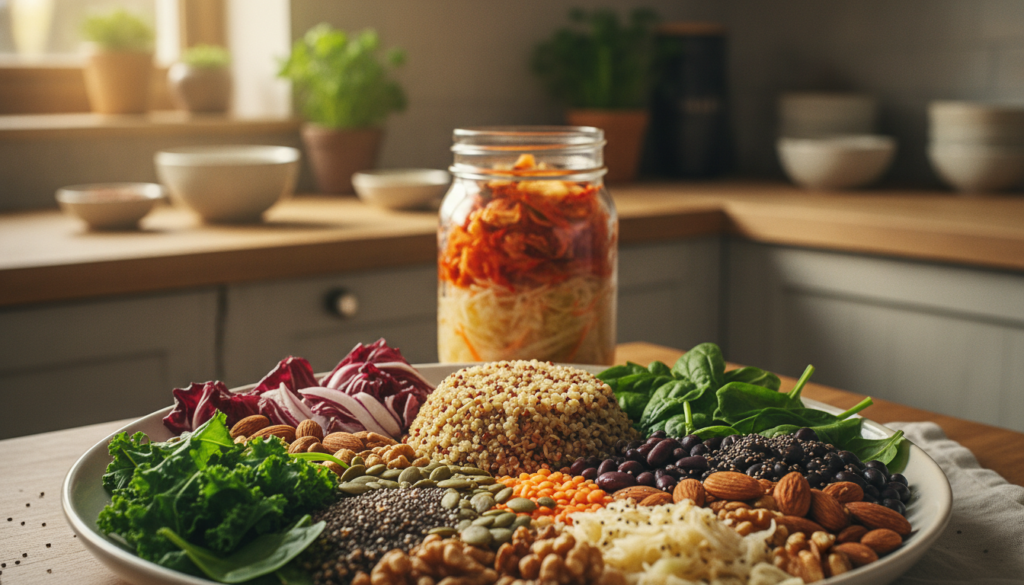
Why Diverse Plant Sources Outperform Supplements
Whole foods deliver more than isolated fiber: they provide a matrix of vitamins, minerals, polyphenols, and varied fiber types that feed different microbes. That translates into better support for healthy gut bacteria and broader benefits for metabolic and immune health.
- Whole foods: high nutrient density, varied fermentable substrates, support microbiome diversity.
- Supplements: convenient and useful when needed, but generally offer isolated fiber types with limited micronutrients and a narrower microbiome impact.
Including beans, lentils, whole grains, vegetables, fruits, nuts, and seeds throughout the week provides the gut with a rich array of fiber that supplements alone can’t replicate.
Building Sustainable Eating Habits for Gut Longevity
Small, repeatable habits are the foundation of long-term success. Try practical goals like “one new plant food per week” or “include a legume at least five times a week.” These actions increase the variety of fibers your microbiome sees and make a high-fiber pattern sustainable.
How to aim for broad plant exposure: plan meals that rotate bases (oats, barley, quinoa), legumes (lentils, chickpeas, black beans), and vegetables (leafy greens, crucifers, roots), and add a different fruit or nut each day. Over a week, these simple swaps can help you reach a target of 20–30 distinct plant exposures, which supports microbial diversity and long-term nutritional benefits.
Final takeaway: prioritize whole, varied plant foods first, use supplements selectively when needed, and focus on consistent, realistic habits that you can maintain for months and years. That combination best supports durable gut and metabolic health.
Evaluating the Role of Fiber Supplements
Whole foods should be the foundation of any nutrition plan, but fiber supplements can play a supporting role for some people. Think of supplements as a secondary tool to help meet goals when whole-food options are limited—not as a replacement for the varied nutrients and fermentable substrates found in real foods.
When to Consider Supplemental Fiber
Supplements may be useful when life circumstances or clinical issues make it hard to meet fiber targets—for example, travel, a hectic schedule, short-term recovery from illness, or temporary digestive limitations. Before adding a product, first audit your meals to confirm you truly lack fiber-rich foods like whole grains, legumes, fruits, and vegetables. If you need a supplement, use it to fill gaps while you work toward sustainable, food-based habits.
Choosing Quality Over Convenience
Not all products are created equal. When selecting a fiber supplement, consider these product criteria:
- Fiber type: fermented fibers (inulin, fructooligosaccharides) are prebiotic; psyllium is a viscous, soluble fiber that aids stool form but is less fermentable.
- Fermentability: if your goal is to support SCFA production, choose fermentable prebiotics; for constipation relief, a bulking/viscous fiber may be more appropriate.
- Minimal additives: avoid products with artificial sweeteners, excessive sugar, or unnecessary fillers.
- Dosage clarity: look for clear serving sizes and fiber grams per serving; start with a low dose and monitor tolerance.
Pros and cons of common supplement types (brief):
- Psyllium: great for improving stool consistency and regularity; low fermentability, usually well tolerated—may be best for constipated individuals.
- Inulin/chicory root: fermentable prebiotic that can boost Bifidobacteria and SCFA production—may cause gas in sensitive people if started too quickly.
- Methylcellulose/wheat dextrin: largely non-fermentable bulking fibers—useful for some but offer limited microbiome benefits.
When trying a supplement, adopt a short trial and monitor effects: start with a small dose for 3–7 days, track GI responses (bloating, gas, stool frequency/consistency), and adjust or stop if adverse symptoms persist. Always discuss new supplements with your healthcare provider if you have chronic GI conditions or are on multiple medications.
| Feature | Whole Foods | Fiber Supplements |
| Nutrient Density | High (vitamins, minerals, polyphenols) | Low (isolated fiber) |
| Microbiome Impact | Supports broad diversity | Variable — depends on fiber type |
| Convenience | Requires prep | High |
| Best use | Primary strategy for long-term health | Short-term gap-filling or targeted use |
Final guideline: prioritize whole fiber-rich foods and use supplements selectively and temporarily when needed. Monitor your response closely and consult a registered dietitian or healthcare provider to choose the right type and dose for your goals.
Monitoring Your Progress and Gut Health Markers
Improving gut health is not just about adding more fiber—it’s about observing how your body responds and using that data to guide adjustments. A simple, consistent monitoring approach helps you increase fiber safely, avoid guesswork, and identify which fiber sources suit you best.
Tracking Digestive Comfort and Regularity
Keep a brief daily log for 1–2 weeks when you make changes. Record your approximate fiber intake (grams or notable additions), and note key symptoms—this makes patterns visible and actionable.
Important markers to track:
- Stool consistency and frequency: Use the Bristol Stool Chart as a simple reference to note changes in form and regularity.
- Bloating and gas: Rate severity (none, mild, moderate, severe) and note which foods or meals preceded symptoms.
- Energy levels: Note morning and afternoon energy—some people report improved steady energy with balanced fiber and blood sugar control.
- Satiety and appetite: Record how full you feel after meals and whether you snack less—useful for weight-management goals.
Two-Week Example Log and What to Look For
Sample structure (one row per day): Date | Total Estimated Fiber (g) | Major Fiber Sources | Stool (Bristol type) | Bloating (0–3) | Energy (low/ok/high) | Notes. After two weeks, review trends:
- If stool becomes firmer and more regular, and bloating is low, your current intake is likely appropriate.
- If bloating or gas increases with the introduction of a specific food (e.g., beans, raw onion) → slow reintroduction or prepare the food differently (soak, cook longer).
- If constipation appears after increasing fiber → check hydration and consider adjusting fiber type (add more soluble/viscous fibers or reduce insoluble temporarily).
Adjusting Your Diet Based on Personal Feedback
Use your log to tailor future choices: choose different fiber sources, reduce or pause problematic items, and reintroduce gradually. If whole foods don’t supply enough fiber for your goals (or during travel/illness), a targeted fiber supplement can fill short-term gaps—continue tracking to ensure it helps rather than worsens symptoms.
Suggested action steps after 2 weeks of logging:
- Stable improvement: continue the current pattern, slowly diversify plant sources to support broader microbiome diversity.
- Persistent mild issues: slow the rate of increases, swap to more cooked/softer fibers, and increase water intake.
- Ongoing moderate-to-severe problems (>2 weeks): stop new additions, keep a symptom diary, and consult a registered dietitian or your clinician for personalized guidance.
Useful Tools and When to Seek Help
Helpful resources: the Bristol Stool Chart (publicly available) for stool descriptions, simple spreadsheet or app logs for daily fiber and symptom tracking, and symptom checklists to share with providers.
Seek professional help if you experience persistent severe abdominal pain, unexplained weight loss, blood in the stool, fever with GI symptoms, or if symptoms do not improve after 2 weeks of conservative adjustments. A dietitian specializing in gastrointestinal health can translate your tracked data into a customized plan that balances fiber, nutrition, and tolerance while supporting beneficial bacteria and long-term gut function.
Monitoring and small iterative changes are the most practical path to a sustainable, high-fiber lifestyle that supports both digestive comfort and overall health.
Conclusion
Prioritize whole, plant-based foods and steady habits over quick fixes. A consistent high-fiber diet—built from legumes, whole grains, vegetables, fruits, nuts, and seeds—supports long-term gut and metabolic health more reliably than isolated fixes.
- Takeaway: Aim for gradual changes and variety; routine matters more than perfection.
- Practical next step: Try a 7-day fiber plan that includes a whole grain, one legume portion, and two different vegetables or fruits each day to move toward recommended targets.
- When to seek help: If you have IBS, Crohn’s disease, a history of bowel obstruction, or persistent symptoms, consult a gastroenterologist or registered dietitian before making major changes. Supplements can fill short-term gaps but should not replace nutrient-rich whole foods.
Small, measurable adjustments—tracked and tailored to your tolerance—are the most reliable path to lasting improvements in digestion, energy, and overall well-being.