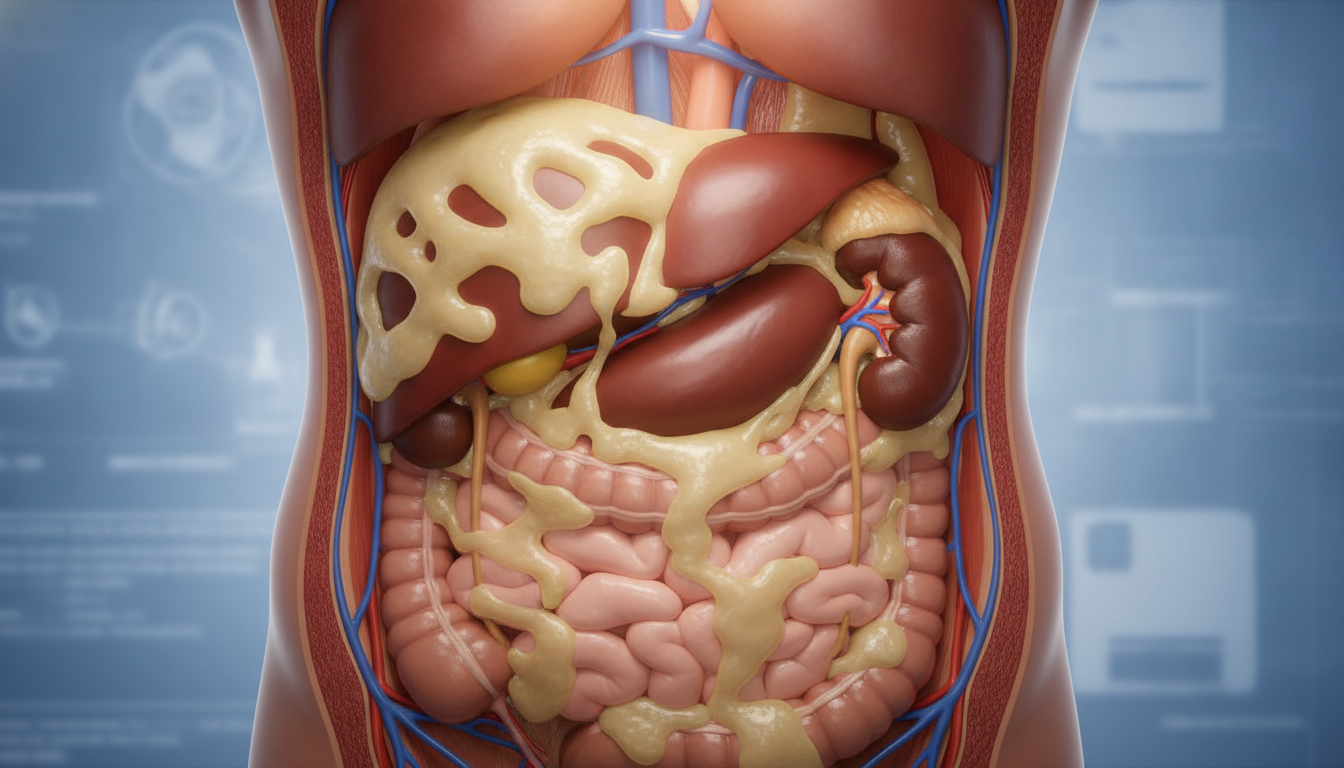
Have you ever wondered what lies beneath your abdominal wall? A metabolically active layer called intra-abdominal tissue — commonly known as visceral fat — surrounds organs such as the liver and pancreas and affects how your body functions.
This deeper fat behaves like an endocrine tissue, releasing hormones, adipokines, and inflammatory signals that circulate through the bloodstream. Elevated visceral fat levels contribute to low-grade chronic inflammation and can impair insulin action, raising the long-term risk of metabolic problems.
Excess visceral fat is strongly associated with metabolic syndrome and an increased risk of cardiovascular disease. With focused weight-management strategies — from diet and exercise to better sleep and stress control — you can lower these health risks. This guide summarizes evidence-based steps to protect your long-term health.
Key Takeaways
- Visceral fat is an active adipose tissue that alters body chemistry through hormones and inflammatory mediators.
- High levels are linked to insulin dysfunction and a greater risk of type 2 diabetes and heart disease.
- Chronic inflammation driven by visceral fat contributes to multiple metabolic complications.
- Targeted lifestyle changes can reduce internal fat stores and improve metabolic markers.
- Sustainable weight management and regular monitoring are essential for long-term protection.
What you’ll learn: how to recognize visceral fat risk, practical measurement tips (see Methods section), and science-backed lifestyle changes to lower visceral fat and improve metabolic health.
Start here: measure your waist circumference now — if it’s above the guideline thresholds for your sex, follow the measurement and management steps in this article and consult your clinician for personalized advice. Note: elsewhere on the page, some tables need clearer headings and labels.
Understanding the Biology of Visceral Fat
Not all body fat behaves the same. The layer you can pinch beneath the skin (subcutaneous fat) has different properties from the deeper visceral fat that wraps around internal organs. Where fat is stored—its fat distribution—matters because visceral fat has distinct metabolic effects that are often more harmful to health.
Knowing the difference between visceral fat and belly fat helps you prioritize the right actions for long-term well-being. For practical measurement steps, see the Methods section below.
Distinguishing Visceral Fat from Subcutaneous Fat
Two main types of fat affect health in different ways:
- Subcutaneous fat: Located directly under the skin; serves as energy storage and insulation and is generally less metabolically harmful.
- Visceral fat: Located deep inside the abdomen, surrounding organs such as the liver and intestines; associated with higher metabolic risk.
- Accessibility: You can pinch subcutaneous fat, but visceral fat is not visible and must be estimated (waist circumference, WHR) or assessed by imaging to be accurately measured.
Some people look lean on the outside but carry high levels of visceral fat—a pattern called “TOFI” (Thin Outside, Fat Inside). Because distribution, not just total body fat or BMI, drives many metabolic risks, waist-based measures often give more useful information about visceral fat than BMI alone.
Why Visceral Fat Acts as an Active Endocrine Organ
Adipose tissue was once considered a passive energy storage tissue. We now know visceral adipose tissue is metabolically active: it secretes hormones and signaling molecules—collectively called adipokines and cytokines—that enter the bloodstream and influence distant organs.
“Visceral adipose tissue is not merely a storage depot for energy; it is a metabolically active organ that secretes a variety of bioactive substances, including cytokines and hormones, which can profoundly influence systemic metabolism.”
In practice, these signals raise circulating markers such as interleukin‑6 (IL‑6) and C‑reactive protein (CRP), which are markers of low‑grade systemic inflammation. Because visceral fat drains partly to the liver via the portal circulation, its free fatty acids and inflammatory signals can directly affect liver metabolism and whole‑body glucose and lipid handling—helping explain elevated fasting glucose, dyslipidemia, and reduced insulin sensitivity seen with central obesity.
Recognizing visceral fat as active tissue clarifies why reducing it—through targeted diet, activity, and lifestyle changes—can improve metabolic markers and lower obesity‑related risks.
The Hidden Visceral Fat Health Risks
Excess intra-abdominal fat is a silent health threat — more than a cosmetic concern. Visceral fat behaves as an active tissue that releases hormones and inflammatory mediators, which can affect organs and increase long-term disease risk.
The Connection Between Intra-Abdominal Fat and Chronic Inflammation
Carrying excess belly fat places the body in a state of low-grade chronic inflammation rather than the short-term inflammation that follows injury. Visceral adipose cells secrete cytokines and adipokines that elevate circulating markers such as C‑reactive protein (CRP) and interleukin‑6 (IL‑6), thereby maintaining immune signaling persistently activated.
This persistent inflammatory state contributes to systemic stress, disrupts normal immune regulation, and can gradually damage tissues and organs — increasing the risk of multiple chronic diseases. Addressing inflammation through diet, activity, sleep, and stress management can lower those risks.
- Systemic stress: Ongoing release of inflammatory markers that strain multiple organ systems.
- Immune disruption: Altered signaling that impairs normal defense and repair mechanisms.
- Tissue damage: Chronic inflammation can harm healthy cells and, over time, promote metabolic complications.
How Excess Fat Around Organs Disrupts Whole-Body Chemistry
Because visceral fat sits close to the liver and other vital organs, its free fatty acids and inflammatory signals can directly influence liver metabolism and whole‑body handling of glucose and lipids. Those disruptions are central to the cluster of findings called metabolic syndrome.
Research shows that higher visceral fat is associated with increased metabolic risk and with observational links to several long-term outcomes. Examples reported in cohort studies include higher rates of certain cancers (for example, colorectal and some postmenopausal breast cancers), associations with markers of accelerated cognitive decline in selected populations, and persistent insulin resistance that can progress to type 2 diabetes.
- Elevated cancer risk: Epidemiological studies report associations between central obesity and risk for some cancer types (see source literature for effect sizes and population differences).
- Brain health: Some cohorts show correlations between central obesity and faster cognitive decline; findings vary by age and study design.
- Metabolic progression: Chronic insulin resistance linked to visceral fat can lead to higher fasting glucose and eventual type 2 diabetes in people with additional risk factors.
These are primarily associations from observational research rather than proof of direct causation; many factors influence individual risk. If you notice signs of metabolic risk (see Methods), measure your waist, track changes, and discuss abnormal findings with your clinician for personalized evaluation and management.
Metabolic Consequences and Insulin Resistance
Carrying excess weight around the midsection alters your body chemistry and increases your metabolic risk. Visceral fat is an active tissue that releases hormones, free fatty acids, and inflammatory mediators into the bloodstream — disturbances that contribute to a range of obesity-related complications across the whole body.
The Path from Visceral Obesity to Type 2 Diabetes
The pathway often begins with how cells respond to insulin. High levels of deep abdominal fat are associated with insulin resistance, meaning muscle, fat, and liver cells take up and use less glucose in response to insulin. To compensate, the pancreas makes more insulin (hyperinsulinemia); over time, that compensation can fail, fasting glucose and A1c rise, and the risk of progressing to type 2 diabetes increases.
Put simply, visceral fat promotes metabolic dysfunction and insulin resistance, which increases diabetes risk in people with additional susceptibility. This is a modifiable trajectory — lifestyle changes that improve insulin sensitivity can reduce that risk.
Identifying the Signs of Metabolic Syndrome
Metabolic syndrome is a cluster of risk factors that together raise the chance of heart disease, stroke, and type 2 diabetes. If you have three or more of the markers below, discuss a metabolic evaluation with your clinician (A1c or fasting glucose, lipid panel, and blood pressure checks):
- Increased waist circumference: an accessible proxy for central obesity (see Methods for measurement guidance and guideline cutoffs).
- Elevated triglycerides: high blood triglyceride levels on a lipid panel.
- Low HDL (“good”) cholesterol.
- High blood pressure: repeated elevated readings or a diagnosis of hypertension.
- Elevated fasting glucose or A1c: early signs of impaired glucose regulation.
Example profile: a person with a large waist circumference, high triglycerides, and elevated blood pressure meets three criteria and should ask their clinician for metabolic screening. Targeted lifestyle changes — sustainable weight loss, improved diet quality, regular physical activity, better sleep, and stress management — can improve insulin sensitivity and lower these risk factors. If you meet three or more criteria, ask your healthcare provider for a personalized plan.
Cardiovascular Strain and Heart Health
Excess weight concentrated around the midsection increases strain on the heart. Visceral fat is metabolically active and releases free fatty acids and inflammatory mediators into the bloodstream, which can promote endothelial dysfunction, atherosclerosis, and other processes that damage arteries and impair blood flow.
The Link Between Belly Fat and High Blood Pressure
Multiple studies show a consistent association between central obesity and higher blood pressure. Excess visceral fat contributes to vascular inflammation and impaired vessel function, which can raise peripheral resistance and make the heart work harder to pump blood. Over time, this increased workload raises the risk of hypertension and related cardiovascular disease.
This metabolic environment—higher circulating fats, inflammation, and impaired insulin action—correlates with measurable increases in blood pressure and long-term risk of coronary artery disease and stroke.
Managing Cardiovascular Disease Risks Through Fat Reduction
Reducing excess visceral fat lowers cardiovascular risk. Modest weight loss and lifestyle changes—improving diet quality, increasing physical activity, and managing stress—are associated with lower blood pressure and improved lipid profiles, including higher HDL and lower triglycerides.
Research shows regular aerobic exercise and dietary improvements often produce average systolic blood pressure reductions of several mm Hg; even small improvements in blood pressure, HDL, and triglycerides translate into meaningful decreases in cardiovascular risk. Monitor your blood pressure regularly (for many adults, monthly checks are a practical start); if readings remain elevated, consult your healthcare provider.
Here’s a table summarizing how key lifestyle actions affect heart health:
| Action | Primary Benefit | Heart Impact |
| Regular movement (aerobic + resistance) | Improved circulation and cardiorespiratory fitness | Lower blood pressure; improved insulin sensitivity |
| Increase fiber & plant foods | Reduced inflammation; better glycemic control | Improved lipid profile (lower TG, modest hdl benefit) |
| Stress management & sleep | Lower cortisol; improved hormonal balance | Reduced cardiac strain and long-term risk |
Protecting your heart involves addressing visceral fat as part of a comprehensive plan: measure your waist and metabolic markers, adopt sustainable diet and exercise habits, and work with your clinician to track blood pressure, lipids, and glucose. If you have risk factors for obesity-related cardiovascular disease, ask your clinician about a tailored plan for reducing visceral fat and monitoring progress.
Liver Health and Systemic Complications
Excess visceral fat contributes to systemic health problems beyond body weight alone. Visceral adipose tissue releases free fatty acids and inflammatory signals that travel directly to the liver via the portal circulation, promoting fat accumulation in liver cells and disrupting normal metabolic function.
Understanding Non-Alcoholic Fatty Liver Disease
Your liver processes nutrients and clears toxins; when it receives an excess load of free fatty acids from visceral fat and from increased hepatic fat production, it begins to store fat — a condition called non-alcoholic fatty liver disease (NAFLD).
NAFLD can impair liver function and worsen whole‑body insulin sensitivity. Modest weight loss (commonly 5–10% of body weight) has been shown to reduce liver fat and improve liver enzymes and metabolic markers for many people. If NAFLD progresses, it can lead to liver inflammation (nonalcoholic steatohepatitis, or NASH) and scarring (fibrosis), which require specialist evaluation and management.
The Broader Impact on Cognitive Decline and Cancer Risk
Visceral fat’s inflammatory and metabolic effects extend beyond the liver. Chronic systemic inflammation and metabolic dysfunction are associated with higher metabolic risk for several conditions. Observational research links central obesity with greater risk of certain cancers (for example, colorectal cancer and some postmenopausal breast cancers) and with markers of accelerated cognitive decline in selected cohorts; these are associations and may reflect multiple interacting factors.
Keeping visceral fat in check helps protect liver health, lowers metabolic dysfunction, and may reduce long-term complications. If you’re concerned about liver health, consider baseline blood tests (ALT, AST, fasting glucose, lipid panel) and discuss imaging or specialist referral with your clinician when indicated. If ALT or AST are elevated, many clinicians proceed with liver ultrasound and further assessment based on results.
| System | Healthy state | Impact of excess fat |
| Liver function | Efficient processing and metabolic detoxification | Fatty infiltration (NAFLD); risk of progression to NASH and fibrosis |
| Metabolic regulation | Stable glucose and lipid handling | Insulin resistance; higher metabolic risk |
| Cognitive health | Preserved cognitive function | Observed associations with faster decline in some studies |
| Systemic risk | Low chronic disease burden | Higher cardiovascular and metabolic complications |
Methods for Measuring Your Visceral Fat Levels
Knowing how to measure your midsection is a practical first step in reducing hidden health risks. You can’t see visceral fat directly, but simple home measures and clinical tools estimate visceral fat levels and help you track changes in belly fat and metabolic risk over time.

Using Waist-to-Hip Ratio as a Practical Tool
Waist-to-hip ratio (WHR) and waist circumference are low-cost, widely available measures of central obesity and probable visceral fat. To measure waist circumference consistently:
- Stand upright, feet shoulder-width apart, and arms relaxed at your sides.
- Exhale normally, then place a flexible tape measure level around your waist at the iliac crest (top of the hip bones) or at the narrowest point if following a different local guideline.
- Ensure the tape is parallel to the floor, not compressing the skin, and record the measurement in centimeters or inches.
Measure hips at the widest part of the buttocks, then divide the waist by the hips to get WHR. Example: waist 90 cm ÷ hips 100 cm = WHR 0.90.
Common guideline thresholds used in many populations: waist circumference >102 cm (40 in) in men and >88 cm (35 in) in women, or WHR > 0.90 in men and > 0.85 in women—though cutoffs vary by guideline (WHO, ATP III, IDF) and by population. These measures are often more informative than BMI alone for assessing central fat distribution and metabolic risk.
Quick how-to checklist:
- Use a soft tape measure; measure after exhaling and with the tape level around the body.
- Record both waist and hip measurements and calculate WHR.
- Track the same measurement monthly (at the same time of day, using the same technique) to monitor changes.
When to Seek Professional Clinical Imaging
Home measures estimate risk but do not precisely quantify visceral adipose tissue. Consider clinical imaging when you have multiple metabolic risk factors (for example, three or more features of metabolic syndrome), abnormal labs, or when a clinician needs a precise measure for diagnosis or treatment planning.
CT and MRI are the most accurate methods for quantifying visceral fat, but are usually reserved for research or specific clinical questions because of cost, availability, and (for CT) radiation exposure. DEXA and professional body-composition analyzers can provide useful clinical estimates in many settings. Your clinician will recommend the appropriate test based on your risk profile and clinical needs.
If your waist circumference exceeds guideline thresholds or you have risk markers such as high blood pressure, elevated fasting glucose, or abnormal lipids, schedule a clinical evaluation and discuss a targeted plan to reduce visceral fat and lower your risk of metabolic syndrome.
Dietary Adjustments to Combat Deep Abdominal Fat
Food is your body’s main fuel, and choosing the right foods is one of the most powerful ways to reduce visceral fat and improve metabolic health. A practical, sustainable approach — not extreme dieting — helps lower central fat and related obesity complications over time.
Prioritizing Whole Foods and Fiber Intake
Focus on whole, minimally processed foods: plenty of vegetables, legumes, whole grains, fruits, nuts, and seeds. These high-fiber choices slow digestion, blunt post-meal glucose spikes, and support steadier insulin responses — all of which reduce the tendency to store excess fat around the organs.
Aim for roughly 25–30 grams of fiber per day as a general target (adjust for age, sex, and individual needs). Increasing fiber supports satiety, helping you naturally eat less overall and contributing to long-term weight management and reductions in visceral fat.
Reducing Refined Carbohydrates and Added Sugars
Refined carbs and added sugars promote rapid insulin and glucose swings that favor fat storage, particularly in the abdominal compartment. Limit sugary drinks, sweets, white bread, and highly processed snacks. Replace these with complex carbohydrates — whole grains, legumes, and starchy vegetables — which provide sustained energy and smaller insulin spikes.
Practical swaps: replace regular soda with sparkling water and citrus, swap white bread for whole‑grain slices, and choose fruit or plain yogurt instead of sweetened desserts. Rather than eliminating entire food groups, prioritize cutting the highest‑impact sources of added sugar.
The Role of Protein in Satiety and Metabolic Health
Protein increases fullness, helps preserve lean muscle during weight loss, and supports a higher resting metabolic rate. Include a lean protein source (fish, poultry, legumes, tofu, low‑fat dairy) at each meal. A general guideline is about 0.8–1.2 g/kg body weight per day for most adults aiming for modest weight loss; people doing progressive resistance training or older adults may need more under professional guidance.
Smart fat choices matter too: replace trans fats and excess saturated fats with monounsaturated and polyunsaturated fats from olive oil, avocados, nuts, and fatty fish. These healthier fats reduce inflammation and support heart and metabolic health, improving HDL and triglyceride profiles over time.
| Food category | Impact on Visceral Fat | Recommended Action |
| Refined sugars & ultra‑processed foods | High — promotes storage, inflammation, worse lipid and glucose control | Minimize; swap for whole‑food alternatives (water, fruit, whole grains) |
| High‑fiber plants | Lower — promote satiety, stable glucose | Increase intake; aim for ~25–30 g fiber/day via vegetables, legumes, whole grains |
| Lean proteins | Neutral/positive — preserve muscle, support metabolic rate | Include at each meal; adjust total protein to activity level (0.8–1.2 g/kg or higher with strength training) |
| Healthy fats (MUFA/PUFA) | Neutral/protective — reduce inflammation, support lipids | Use instead of processed/trans fats; include fatty fish, nuts, olive oil |
Practical plate example: half the plate nonstarchy vegetables, one quarter lean protein (fish, beans, poultry), and one quarter whole grains or starchy vegetables; add a small serving of healthy fat (olive oil, avocado, or nuts).
Track intake for 4–12 weeks and pair dietary changes with improvements in activity and sleep. Measure your waist and metabolic markers (fasting glucose, A1c, lipids) to see progress. Small, consistent changes — reduced refined carbs, more fiber, adequate protein, and healthier fats — produce reliable reductions in visceral fat and improvements in metabolic health over time.
Targeted Physical Activity for Fat Loss
Purposeful movement is essential for reducing visceral fat. While diet sets the calorie and metabolic foundation, targeted exercise improves insulin sensitivity, preserves muscle, and accelerates fat loss — especially when combined with consistent daily activity.

The Effectiveness of High-Intensity Interval Training
High-intensity interval training (HIIT) mixes short bouts of vigorous effort with recovery periods. Many studies find HIIT time-efficient and effective for reducing central fat and improving cardiorespiratory fitness. For many people, 2–3 HIIT sessions per week (15–25 minutes including warm-up and cool-down) produce meaningful metabolic benefits compared with no structured exercise.
Begin with conservative intervals (for example, 20–30 seconds hard followed by 60–90 seconds easy) and progress as fitness and confidence increase. If you have cardiovascular risk factors, uncontrolled hypertension, or are new to exercise, consult your clinician before starting HIIT; moderate‑intensity continuous training (brisk walking, cycling) is a safe alternative that also reduces visceral fat over time.
Incorporating Strength Training to Boost Metabolic Rate
Resistance training builds and preserves muscle mass, raising resting metabolic rate and improving the body’s ability to use glucose. Aim for 2–3 weekly strength sessions that emphasize compound movements — squats, deadlifts, presses, and rows — and follow progressive overload (gradually increasing resistance or reps).
- Compound movements: Engage multiple muscle groups to maximize metabolic demand and functional strength.
- Progressive overload: Gradually increase weight, reps, or sets to continue adaptation.
- Insulin sensitivity: Regular resistance work enhances glucose uptake into muscle and helps reduce visceral fat over time.
Consistency and Daily Movement Strategies
Lasting change depends on consistent habits, not occasional extreme workouts. Increase total daily energy expenditure by adding movement throughout your day to support fat loss and metabolic health.
Easy daily strategies:
- Take 5–10-minute walking breaks every hour if you have a desk job.
- Choose stairs over elevators when possible.
- Stand and move during phone calls or brief meetings.
Beginner exercise template: 2 short HIIT sessions (or 2 moderate cardio sessions) of ~20 minutes, 2 full‑body strength sessions of 30–40 minutes, plus daily walking and movement breaks. Track waist circumference monthly and body weight weekly to monitor progress. If you have chronic health conditions or are unsure how to begin, start slowly and get professional guidance to design a safe, effective program tailored to your needs.
Lifestyle Factors Beyond Diet and Exercise
Diet and exercise are foundational, but other daily habits strongly influence where your body stores fat. Improving sleep, managing stress, staying hydrated, and increasing routine movement make it far easier to reduce excess visceral fat and lower the metabolic complications associated with central obesity.
The Impact of Sleep Quality on Hormone Imbalances
Sleep quality measurably affects metabolic health. Chronic short or poor-quality sleep increases hunger signals (ghrelin) and reduces satiety signals (leptin), which can raise calorie intake and favor abdominal fat storage. Aim for consistent, restorative sleep of about 7–9 hours per night and practice sleep hygiene: keep a regular sleep schedule, avoid bright screens before bed, and make your bedroom cool and dark.
Practical start: keep a 2-week sleep log (bedtime, wake time, naps, sleep quality) to identify patterns. Improving sleep often helps with weight control and insulin sensitivity.
Managing Cortisol and Stress-Induced Belly Fat
Chronic stress elevates cortisol, and when cortisol is persistently high, it can promote central fat accumulation and worsen metabolic inflammation. While short-term cortisol spikes are normal, ongoing stress encourages energy storage around vital organs and contributes to metabolic dysfunction.
Daily stress-management techniques can lower perceived stress and reduce cortisol over time. Try one simple, evidence-based practice for 5–10 minutes daily—examples below—to build consistency.
- Quick breathing exercise: Inhale for 4 seconds, exhale for 6 seconds, repeat for 5 minutes.
- Mini mindfulness break: Sit quietly for 5 minutes, focus on the breath, and notice thoughts without judging them.
- Active reset: Take a brisk 10‑minute walk outdoors to reduce stress and support metabolic health.
| Lifestyle Factors | Impact on Metabolism | Recommended Action |
| Sleep duration & quality | Regulates hunger/satiety hormones (ghrelin/leptin); affects insulin sensitivity | Aim for 7–9 hours nightly; keep a sleep diary and improve sleep hygiene |
| Stress levels | Influences cortisol and systemic inflammation | Practice daily stress reduction (breathing, meditation, short walks) |
| Physical activity | Boosts insulin sensitivity and energy use | Include daily movement and regular structured exercise |
| Hydration | Supports metabolic processes and appetite regulation | Drink water throughout the day; limit sugary beverages |
Start small: pick one habit (for example, a 10‑minute evening wind‑down or a midday walk) and commit to it for 4 weeks. Track changes in hunger, energy, sleep quality, and waist circumference. If stress, sleep problems, or weight issues persist despite these changes, seek professional help—chronic insomnia, unmanaged stress, or persistent high blood pressure may require clinical assessment.
Conclusion
Reducing excess visceral fat is one of the most effective steps you can take to lower long-term metabolic risk. Small, consistent daily habits across diet, physical activity, sleep, and stress management work together to improve insulin sensitivity, lower the chance of developing metabolic syndrome, and reduce related health complications.
Remember: these strategies are evidence-based but not guaranteed; individual results vary. Treat this as an iterative process—measure baseline risk, change one achievable habit, re-measure, and consult your clinician when needed to refine your plan.
3-step starter plan
- Measure: Take a baseline waist circumference now. If possible, also review basic labs (fasting glucose or A1c, lipid panel) to assess metabolic risk.
- Change one habit: Choose one practical goal for the next 4 weeks (for example, swap sugary drinks for water, add two 20‑minute strength sessions weekly, or aim for consistent 7–8 hours of sleep).
- Re‑measure & escalate: After 4–12 weeks, re-check your waist and weight and reassess labs if available. If markers remain elevated or you have multiple risk factors for metabolic syndrome, schedule a follow-up with your healthcare provider for personalized testing and a targeted treatment plan.
You have the tools to improve body composition and protect your long-term health. Start by measuring your waist now and take one small step today — that single change, repeated, builds lasting reductions in visceral fat and meaningful improvements in metabolic health.