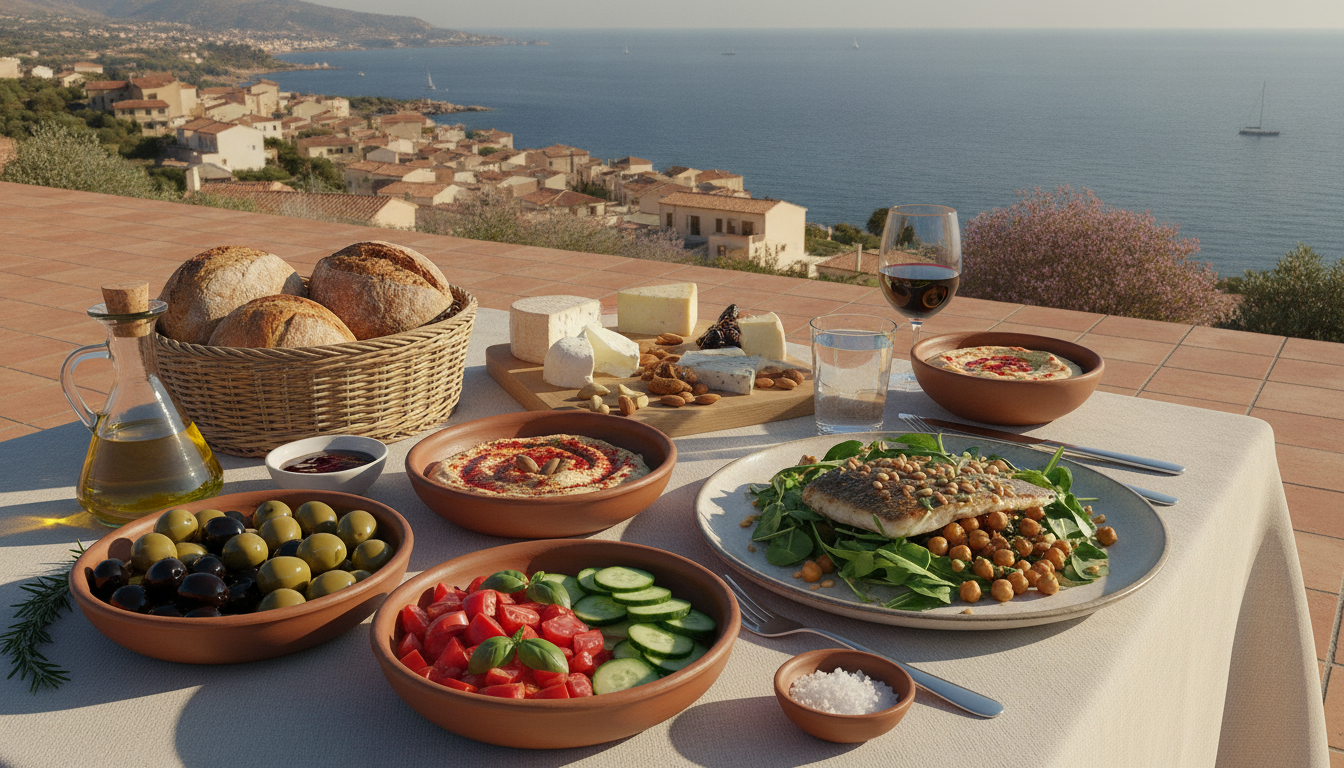
Are you searching for a lasting way to boost your health? The Mediterranean diet is a plant-based eating style inspired by Crete and southern Italy. Introduced in 1993, it’s now a top choice for a heart-healthy diet.
Studies show it helps prevent cardiovascular disease. It includes whole grains, legumes, nuts, and extra virgin olive oil. These foods provide key nutrients that support blood pressure and weight control.
This anti-inflammatory diet also supports healthy aging. Recent research supports the Mediterranean diet’s benefits, showing it lowers inflammation. By adopting these habits, you can protect your health naturally.
Key Takeaways
- Focuses on whole, plant-based foods like vegetables, fruits, and legumes.
- Prioritizes healthy fats from sources like extra virgin olive oil and nuts.
- Supports effective blood pressure management and weight stability.
- Reduces systemic inflammation to promote long-term vitality.
- Serves as a proven, non-drug approach to preventing chronic disease.
Mediterranean Diet, Mediterranean Diet Benefits, Heart Healthy Diet: What the Evidence Shows
For decades, scientists have shown that the Mediterranean diet supports longer, healthier living. It’s not about strict rules but about eating foods that are good for you. By eating whole foods, you can naturally lower your blood pressure and enjoy tasty meals.
What Defines the Mediterranean Eating Pattern
This diet is all about a flexible Mediterranean diet food list that focuses on variety. You’ll eat lots of veggies, fruits, legumes, and whole grains. These foods give you the fiber and vitamins you need to stay healthy.
This diet doesn’t cut out whole food groups like some diets do. It’s based on a plant-based diet with healthy fats and some lean protein. This balance makes it easier to stick to long term.
Why Decades of Research Still Support This Heart-Healthy Diet
Many studies show this diet lowers heart disease risk. People who follow it often see better health markers. That’s why experts call it one of the best ways to prevent disease without medicine.
Also, losing weight with the Mediterranean diet is often easier than with other diets. The food is filling and tasty, so you don’t feel like you’re missing out. This makes it easier to maintain healthy habits.
How the Mediterranean Diet Differs From a Standard Low-Fat Diet
Low-fat diets often cut out all fats, which can lead to hunger and nutrient gaps. The Mediterranean diet, however, includes healthy fats. This helps you feel full and balanced.
Plant Foods, Healthy Fats, and Moderate Animal Proteins
Extra virgin olive oil is a big part of this diet. It’s rich in monounsaturated fats that support heart health. You’ll also eat nuts, seeds, and fatty fish like salmon. These add omega-3s that are often missing in other diets.
The Mediterranean Lifestyle Beyond Food
But it’s not just about food. This lifestyle also values being active and spending time with others. Eating with family and friends is a big part of it. This approach helps you deal with stress and enjoy your food more.
| Feature | Mediterranean Diet | Standard Low-Fat Diet |
|---|---|---|
| Primary Fat Source | Extra Virgin Olive Oil | Minimal or No Added Fat |
| Protein Focus | Fish, Legumes, Poultry | Lean Meat, Egg Whites |
| Sustainability | High (Flexible) | Low (Restrictive) |
| Heart Health Impact | Strongly Supported | Variable |
Build Your Mediterranean Diet Plan With Foods That Deliver the Greatest Benefits
Starting a Mediterranean diet as a beginner is easier with quality foods. Think of it as enjoying a variety of healthy foods. Choosing whole foods helps reduce oxidative stress and supports your body.
Fruits, Vegetables, and Whole Grains as Daily Staples
Fill your meals with colorful fruits and veggies. They provide the vitamins and minerals your body needs. Whole grains like farro and oats provide energy and support healthy digestion.
Legumes, Nuts, and Seeds for Fiber and Plant Protein
Legumes like lentils and chickpeas are key. They offer protein and fiber, helping regulate your blood sugar. Adding nuts or seeds daily adds healthy fats and minerals.
Extra Virgin Olive Oil and Other Healthy Fats
Healthy fats are essential for heart health. Extra virgin olive oil is the main fat source, known for its good fats.
Extra Virgin Olive Oil Benefits and Practical Serving Ideas
The polyphenols in olive oil support heart health. Use it on veggies or in salad dressings. The PREDIMED trial results show olive oil improves heart health.
“The secret to a long life is not just what you eat, but how you eat it; prioritize quality fats and fresh, whole ingredients every single day.”
Omega-3 Fatty Acids From Fish and Seafood
Fatty fish like salmon are full of omega-3 fatty acids. These fats support your blood vessels and reduce inflammation. Eat seafood at least twice a week for these benefits.
Fermented Foods, Herbs, and Polyphenol-Rich Ingredients
Fermented foods like yogurt support a healthy gut. Using herbs and spices instead of salt adds flavor and boosts health. These polyphenol benefits protect your cells.
Foods to Limit, Including Refined Grains, Processed Meat, and Added Sugar
To get the most from your diet, limit processed foods. Refined grains, sugary snacks, and processed meats can harm your health. Make these simple swaps to keep your health on track:
- Replace white bread with whole-grain sourdough or sprouted grain bread.
- Swap processed deli meats for grilled chicken, beans, or fresh fish.
- Choose fruit for dessert instead of items containing added sugars.
How the Mediterranean Diet Protects Against Cardiovascular Disease
Studies have changed how we see nutrition and heart health. For a long time, people thought low-fat diets were the only way to keep the heart healthy. But the Mediterranean diet vs. low-fat diet comparison shows that healthy fats are key for protection.
What the PREDIMED Trial Revealed About Major Heart Events
The PREDIMED trial is a big deal in nutrition science. It showed that eating lots of plant-based foods and healthy fats can greatly lower the risk of heart problems.
The Reported 35% Lower Risk in the Extra Virgin Olive Oil Group
People who ate a Mediterranean diet with extra virgin olive oil had a 35% lower risk of heart issues. This finding has led doctors to rethink the role of fats in preventing heart disease.
How to Interpret the Trial’s Findings Without Overstating Them
These results are impressive, but they apply to large groups, not everyone. Your health history and lifestyle also matter a lot for your heart risk.
What the 2026 Mediterranean Diet Biomarker Study Adds
New research is improving our understanding of this diet. The Mediterranean Diet Biomarker Study gives us a closer look at how it affects health.
Objective Urinary Biomarkers and the 52% Relative Risk Reduction
Researchers used biomarkers to track nutrient intake accurately. This study found a 52% relative risk reduction in those who followed the diet closely. This 2026 scientific evidence on the Mediterranean diet shows the power of consistent dieting.
Why Biomarker Validation Strengthens Observational Evidence
Biomarker validation makes nutritional studies more reliable. When we can measure nutrients in the body, we trust the diet-health link more. This builds a stronger base for dietary advice.
How the Diet May Lower Cholesterol and Improve Vascular Function
Learning how to lower cholesterol with the Mediterranean diet means focusing on fiber, healthy fats, and antioxidants. These help blood vessels and reduce inflammation. This supports your heart health over time.
Using the Mediterranean Diet for Heart Disease Prevention
This lifestyle is more than just avoiding bad foods. It’s a pattern that supports your metabolism, blood sugar, and even bone health. The table below shows how this diet protects your heart.
| Mechanism | Primary Benefit | Impact on Heart |
|---|---|---|
| Healthy Fats | Improved Lipid Profile | Lowers LDL Cholesterol |
| High Fiber | Blood Sugar Control | Reduces Metabolic Stress |
| Polyphenols | Reduced Inflammation | Protects Arterial Walls |
| Plant Proteins | Lower Blood Pressure | Supports Vascular Function |
Reduces Oxidative Stress and Chronic Inflammation Through Mediterranean Foods
The Mediterranean diet is more than just a way to lose weight. It helps calm your body at a cellular level. By following a Mediterranean diet meal plan, you give your cells the tools to repair and protect themselves.
How Polyphenols Help Counter Oxidative Stress
Oxidative stress happens when free radicals outnumber antioxidants in your body. This imbalance can damage cells and lead to aging and chronic illness. Polyphenols, found in plants, act as powerful antioxidants to balance this out.
Polyphenol Sources in Berries, Vegetables, Olive Oil, and Legumes
Eating colorful foods like berries, dark leafy greens, and legumes boosts your polyphenol intake. Using extra virgin olive oil and fresh herbs also ensures a steady supply of these nutrients.
How Healthy Fats and Fiber May Calm Chronic Inflammation
Chronic inflammation is like a silent fire inside your body. The benefits of nuts and olive oil go beyond nutrition. They help lower blood inflammatory markers. Pairing them with high-fiber foods helps keep your body running smoothly.
“Let food be thy medicine and medicine be thy food.”
Connections Between Inflammation, Arterial Health, and Metabolic Risk
Inflammation is key in artery plaque buildup. Reducing it supports better blood flow and vascular function. This is especially true for the Mediterranean diet for metabolic syndrome, helping stabilize blood sugar and improve insulin sensitivity.
Experts now see this diet as a non-pharmacological hypertension treatment. It reduces strain on the heart and blood vessels. This holistic approach lowers cardiovascular event risk over time.
What the Scientific Evidence Can and Cannot Prove About Mechanisms
We know these foods improve health, but science is still figuring out how. The Mediterranean diet gut microbiome connection is a growing field. Researchers think fiber-rich foods feed beneficial bacteria, which produce anti-inflammatory compounds.
It’s key to distinguish proven health outcomes from proposed mechanisms. While we know the diet prevents heart disease, we’re still learning how each component works. Focusing on the whole pattern is the best way to achieve these health benefits.
Lower Blood Pressure Naturally With a Mediterranean Diet Meal Pattern
Managing your blood pressure often starts with what you eat. Moving towards a Mediterranean lifestyle gives your body the nutrients it needs for healthy blood vessels. This isn’t just a quick fix but a lasting way to keep your heart healthy.
What Meta-Analyses Show About Systolic and Diastolic Blood Pressure
Research on the Mediterranean diet shows big improvements in blood pressure. Studies show people on this diet often see larger drops in blood pressure than those on Western diets. This shows how diet can be a key part of heart health.
Why Potassium, Magnesium, Fiber, and Lower Sodium Matter
The key to success is in the nutrients of Mediterranean foods. Foods rich in potassium and magnesium help relax blood vessels. High fiber intake also helps keep your blood pressure in check.
How Olive Oil, Fish, Nuts, and Vegetables Support Blood Vessel Health
Healthy fats like olive oil and omega-3s from fish are crucial for your arteries. They reduce inflammation and help keep blood vessels flexible. A Mediterranean meal plan helps your body get antioxidants that protect your heart.
Adapting Mediterranean Diet Guidelines for Hypertension
It’s easy to adjust these habits for your health needs. Choose fresh, whole foods and avoid processed items high in salt. Trying out Mediterranean recipes lets you enjoy tasty meals without too much salt.
Sample Low-Sodium Swaps for Common American Meals
| Standard American Choice | Mediterranean Swap | Primary Benefit |
|---|---|---|
| Canned vegetable soup | Homemade lentil soup with herbs | Lower sodium, higher fiber |
| Salted potato chips | Roasted chickpeas with spices | Magnesium and protein boost |
| Processed deli meat sandwich | Grilled fish or hummus wrap | Healthy fats, no nitrates |
When Diet Changes Should Complement, Not Replace, Medication
Diet changes are powerful, but they should complement your medical treatment, not replace it. Always talk to your doctor before making big changes or changing your medication. Your doctor can help you see if your Mediterranean lifestyle can safely lower your medication dose over time.
Support Sustainable Weight Loss, Insulin Sensitivity, and Metabolic Health
The Mediterranean diet is a fresh way to manage weight. It focuses on eating whole foods, not just cutting calories. This approach helps you lose weight in a healthy, lasting way.
Why the Mediterranean Diet Can Aid Long-Term Weight Loss
Managing weight isn’t just about willpower. It’s about choosing foods that keep you full. Nutrient-rich foods help your body function well and control hunger.
Satiety from Fiber, Protein, and Healthy Fats
Foods high in fiber, like veggies and whole grains, keep you full for hours. Adding lean proteins and healthy fats like olive oil makes meals that keep your energy steady. This stops the need for unhealthy snacks.
Portion Awareness Without Extreme Calorie Restriction
This diet doesn’t make you count every calorie. It’s about knowing how much you eat and what you eat. Eating mindfully helps you listen to your body’s hunger signals.

How the Eating Pattern Improves Insulin Sensitivity
Improving insulin sensitivity is key to good metabolic health. Eating less sugar and processed carbs helps your body handle blood sugar better. Foods high in monounsaturated fats, like olive oil, also help insulin work well.
“The Mediterranean diet is not just a list of foods; it is a comprehensive lifestyle that promotes metabolic flexibility and long-term vitality.”
Benefits for Metabolic Syndrome and Blood Sugar Regulation
Metabolic syndrome increases your risk of heart disease and diabetes. A Mediterranean diet plan can lower blood pressure and improve cholesterol and blood sugar levels. These changes reduce inflammation and protect your heart.
Mediterranean Diet Versus Low-Fat Diet for Weight Management
Many think all fats are bad for weight loss. But research shows healthy fats in foods like nuts and fish support weight control better than low-fat diets. Here’s how they differ.
| Feature | Mediterranean Diet | Standard Low-Fat Diet |
|---|---|---|
| Primary Fat Source | Olive oil, nuts, fish | Limited total fat intake |
| Satiety Levels | High due to fiber and fats | Often lower, leading to hunger |
| Long-term Adherence | High due to variety | Difficult due to restriction |
| Metabolic Impact | Improves insulin sensitivity | Variable results |
How to Create a Realistic Mediterranean Diet Meal Plan
Starting is easy with small steps. Add more plant-based Mediterranean diet recipes to your meals. Meal prep, like roasting veggies or cooking lentils, can also help.
Consistency is key, not perfection. Keep healthy foods like chickpeas and olive oil on hand. This makes it easier to stick to your Mediterranean diet weight loss goals for the long haul.
Understand the Mediterranean Diet Gut Microbiome and Bone Health Benefits
The Mediterranean diet is known for its heart health benefits. Researchers are now studying its effects on gut and bone health. The same Mediterranean diet foods that protect your heart may also boost your internal environment.
Current Mediterranean diet research is exploring how these habits impact your physical resilience over time.
How Fiber and Fermented Foods Nourish a Diverse Gut Microbiome
Legumes, whole grains, and vegetables are rich in plant-based fibers. These fibers feed the good bacteria in your gut. Adding fermented foods like yogurt or kefir introduces live cultures and boosts gut diversity.
Links Between Gut Health, Inflammation, and Cardiovascular Risk
A healthy gut microbiome is key to managing inflammation. When your gut bacteria are balanced, they produce compounds that regulate your immune system. This is why the Mediterranean diet for heart health is recommended to lower cardiovascular risk.
What Research Suggests About Mediterranean Foods and Bone Health
Strong bones need specific nutrients throughout life. The Mediterranean diet guidelines focus on nutrient-dense foods that support bones. This diet supports bone health, not just weight management.
Calcium, Vitamin K, Magnesium, and Protein From Mediterranean Foods
Leafy greens and legumes are rich in vitamin K and magnesium, vital for bone density. Dairy products like Greek yogurt and cheese offer high-quality protein and calcium. These Mediterranean diet foods provide the necessary building blocks for bone maintenance.
Fish, Olive Oil, and Reduced Inflammation as Potential Bone Supports
Fatty fish are a good source of vitamin D and omega-3 fatty acids, aiding calcium absorption. Extra virgin olive oil’s anti-inflammatory properties may also protect bone tissue. Even for Mediterranean diet beginners, these additions can support overall health.
Limits of the Current Evidence on Gut and Bone Outcomes
These findings are promising but still evolving. While heart health data is strong, evidence on gut and bone outcomes is not yet conclusive. View these benefits as part of a holistic lifestyle, not a guaranteed cure for specific conditions.
Follow a Mediterranean Diet for Beginners With Practical Daily Habits
Starting a Mediterranean lifestyle is easy. It’s all about making small, consistent changes. Focus on whole foods to boost your health. These Mediterranean diet tips make it simple; no fancy cooking needed.
Use the Mediterranean Diet Pyramid to Plan Your Week
The Mediterranean pyramid is your guide. It tells you to eat lots of plants and move a lot. Start your week with veggies, fruits, and whole grains for heart health.
Stock Your Kitchen With Mediterranean Diet Foods
A good pantry keeps you on track. When your kitchen is stocked, you won’t reach for bad snacks.
Fresh and Frozen Produce, Legumes, Whole Grains, and Seafood
Freezer space for berries, spinach, and fish is key. Stock up on beans, lentils, and chickpeas for protein. Keep quinoa, farro, or brown rice on hand for fiber.
Extra Virgin Olive Oil, Unsalted Nuts, Herbs, and Vinegar
Use olive oil instead of butter for healthy fats. Nuts are great for snacks. Add fresh herbs and vinegar for flavor, not salt.

Build Balanced Mediterranean Recipes for Breakfast, Lunch, and Dinner
Make meals balanced for all-day energy. Mix fiber, protein, and fats in every dish.
Breakfast Ideas With Whole Grains, Fruit, and Yogurt
Begin with Greek yogurt, berries, and walnuts. Or try oatmeal with olive oil and fruit. These keep you energized.
Lunch Ideas With Legumes, Vegetables, and Olive Oil
Make a salad with chickpeas, cucumbers, and feta. Add olive oil and lemon for a tasty, healthy lunch.
Dinner Ideas With Fish, Poultry, or Plant-Based Protein
Grill salmon or chicken with veggies. Or try lentil stew or tofu stir-fry. Keep portions small for weight loss.
Prepare Mediterranean Meals Efficiently for Busy Weeks
Batch cooking saves time during busy weeks. Roast veggies and cook grains on Sunday. Then, assemble meals quickly.
Include Wine Responsibly—or Skip It Safely
Wine is optional in this diet. If you drink, limit it to one small glass. Not drinking is fine too, as food is the main focus.
Adjust the Plan for Allergies, Budget, Diabetes, and Cultural Preferences
Customize the diet for your needs. Use seasonal produce and legumes for budget-friendly meals. Manage diabetes with careful food choices and portion control.
Swap out allergens like nuts or gluten for safe options. This diet is flexible and can respect your culture. Always listen to your body and make changes that work for you.
Conclusion
By 2026, the Mediterranean diet is a top choice for preventing chronic diseases. It focuses on plant-based foods, healthy fats, and lean proteins. This diet supports heart health, metabolism, and gut health.
Improving your health starts with following these nutrition tips. The Mediterranean diet pyramid helps you eat the right amounts of whole grains, legumes, and olive oil. This makes it easier to stick to it over time.
Studies show the Mediterranean diet supports heart health. It can help with blood pressure and weight management. The PREDIMED trial and biomarker studies back up these benefits.
Think of these diet guidelines as a guide, not strict rules. Always talk to a doctor before making big diet changes. They can adjust these habits for your health and needs.
Choosing this lifestyle means you’re in charge of your health. Begin with small changes in your cooking. These habits will greatly benefit your body and mind.