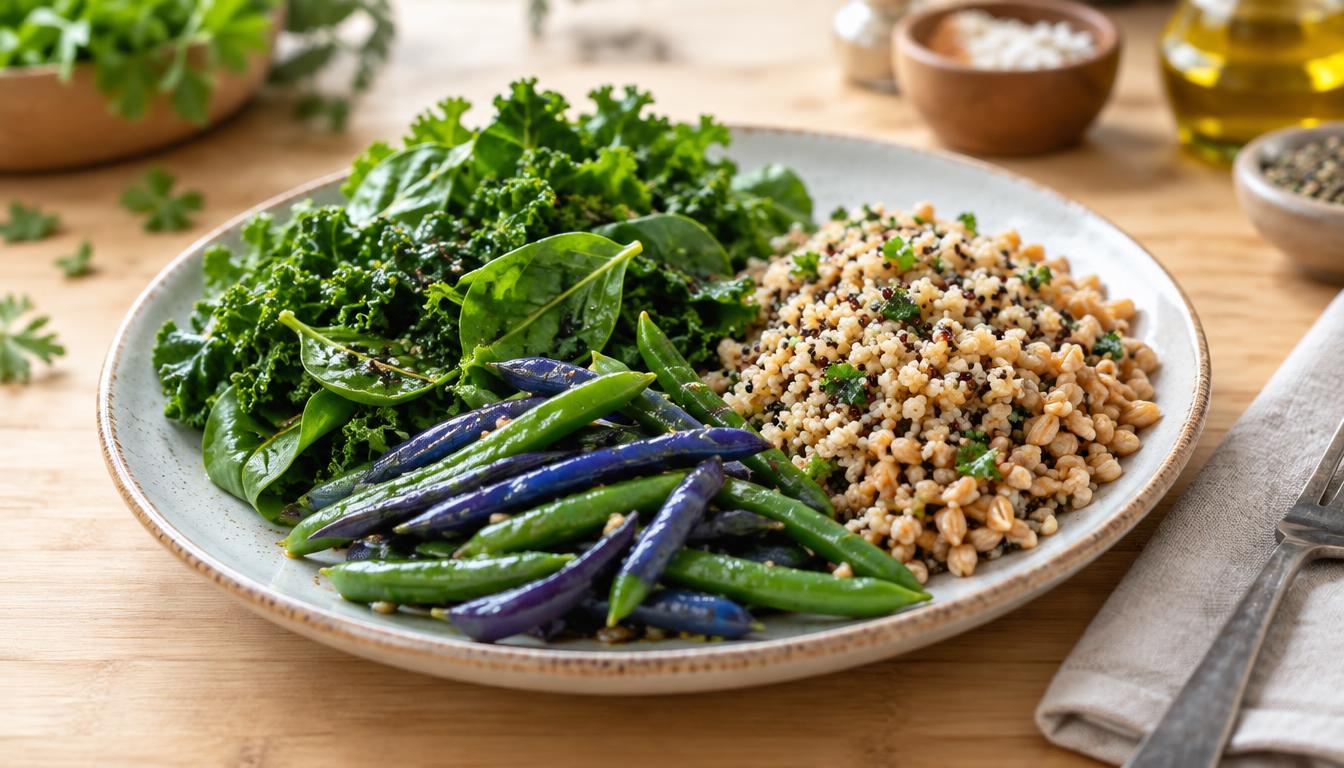
A plate of beans, greens, and grains can offer more than calories alone; a plate of chips may supply mostly energy. Nutrient-dense foods help you get more vitamins, minerals, fiber, and beneficial compounds for the calories you eat. Comparing foods by their nutrients and calories can guide your choices, but no single food or score defines a healthy diet.
Leafy greens stand out in some produce rankings, yet variety matters more than chasing one top score. Your needs, tastes, budget, and access also shape what works. Simple healthy diet tips can help you improve micronutrient intake without turning every meal into a math problem. You will learn how to read rankings and make practical choices for everyday meals.
Key Takeaways
- Use nutrient scores as comparisons, not universal verdicts.
- Leafy greens perform strongly in produce rankings.
- Eating a range of whole foods matters more than one score.
- Calories alone do not reveal a food’s full value.
- Build meals around foods you enjoy and can get.
What Do Nutrient-Dense Foods, Most Nutrient-Dense Foods, Nutrient Density, and Powerhouse Scores Tell You?
A serving-based score can make a food look different from its calorie-based score. The comparison matters because a large serving may contain more nutrients and calories than a small one.
Nutrient density compares beneficial nutrients with calories, but no universal definition or validated score identifies every food as nutrient-dense. Nutrient profiling scores compare foods based on their nutrient composition. Each method chooses which nutrients to count and how to weigh them.
Nutrient density compares nutrients with calories, but no universal score defines the best foods for everyone.
A scoring system may use 100 calories, 100 grams, or a customary serving as its base. It may count vitamins, minerals, fiber, or other compounds, while also considering nutrients to limit. Those choices can change the order of the most nutrient-dense foods.
The answer to “What food has the highest density?” depends on the food group, scoring system, and comparison basis. A score compares foods within one method; it does not prove one food suits everyone. Your micronutrient profile and energy needs also differ from another person’s.
Produce rankings offer one specific comparison, not a universal judgment of food quality. The CDC powerhouse score is one such list, so its results make sense when read on their own terms.
Which Fruits and Vegetables Lead the CDC Powerhouse Ranking?
Watercress leads the CDC ranking of 47 fruits and vegetables with a score of 100. It tops this list under the method used for this particular comparison.
Chinese cabbage, chard, beet greens, and spinach follow as the next four foods. The scores below belong to the CDC powerhouse score, not to every nutrient-ranking system.
| Rank | Fruit or vegetable | CDC score |
|---|---|---|
| 1 | Watercress | 100 |
| 2 | Chinese cabbage | 91.99 |
| 3 | Chard | 89.27 |
| 4 | Beet greens | 87.08 |
| 5 | Spinach | 86.43 |
Chicory, leaf lettuce, parsley, romaine, and collard greens also score well in the CDC comparison. The list focuses on powerhouse fruits and vegetables, rather than every food you might eat.
The ANDI score uses a separate scale. Its Aggregate Nutrient Density Index gives kale, collard greens, mustard greens, and watercress a score of 1,000. Those perfect ANDI scores cannot be compared directly with CDC scores.
Both systems place leafy greens among the strongest produce choices, but neither captures taste or ease of use. Greens lead these produce rankings; their different nutrients and kitchen uses matter beyond their scores.
What Do Different Leafy Greens Add to Your Diet?
A salad with watercress and romaine, followed by cabbage soup, uses more than one kind of green. That mix brings different flavors and micronutrient profiles to meals.
No single green needs to replace all the others. Leafy greens can provide a strong supply of nutrients for relatively few calories, but taste, availability, and preparation also matter.
Watercress and Chinese Cabbage
Watercress is easy to add to sandwiches, salads, or bowls of soup. Its peppery leaves can add a fresh bite alongside milder greens.
Chinese cabbage works in salads, soups, and quick sautés. Its crisp texture also works in cooked dishes where you want a leafy vegetable that stays distinct.
Chard, Beet Greens, and Collards
Chard leaves work well in sautéed dishes, soups, or grain bowls. Beet greens can also be cooked, so you can use more of the vegetable when they come attached.
Collard greens suit soups and cooked side dishes, while their broad leaves can wrap a filling. These familiar options make dark leafy greens easier to use in multiple ways.
Spinach and Kale
Spinach nutrition includes iron, vitamins A and C, and antioxidants. You can stir spinach into soup, fold it into eggs, or serve it raw in a salad.
Kale nutrients include vitamin K and calcium. Chop kale into a salad, add it to soup, or sauté it as a side. Its firmer leaves feel different from tender spinach.
A high score does not make an unfamiliar or disliked green a necessary choice. Choose greens you will actually eat, and use their varied flavors in meals you already enjoy. Then look beyond greens to other food groups.
Which Other Foods Provide Nutrients Alongside Protein and Fiber?
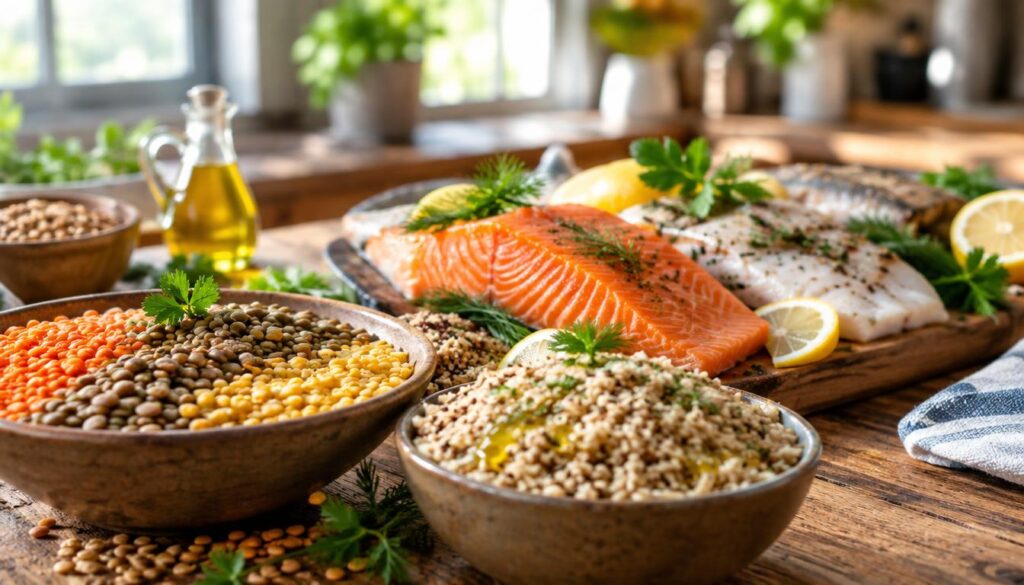
A meal of lentils with brown rice pairs plant protein with a fiber-rich grain. That combination shows how you can add variety beyond leafy vegetables.
Beans, fish, whole grains, and other protein foods each add different nutrients. The calorie figures below use different serving sizes, so they don’t create a fair nutrient-density ranking.
Fish and Lean Protein Sources
Fatty fish such as salmon supply protein and omega-3 fatty acids. Cod and tilapia are other seafood options, while tuna offers a convenient canned choice.
Lean protein sources can help you build meals around foods you like. Both protein quality and a food’s nutrients matter, not just its calorie count.
Legumes and Whole Grains
Legumes and beans, including lentils and chickpeas, provide protein and fiber. Add them to soup, salads, or grain dishes for a filling plant-based option.
Whole grains contribute fiber and other nutrients. Oats, brown rice, and whole-grain bread can add variety to meals alongside legumes and vegetables.
Eggs, Dairy, Nuts, and Seeds
Eggs and dairy offer more options for meals and snacks. Plain low-fat Greek yogurt works for breakfast or as a base for a savory dip.
Nuts and seeds add protein, fats, and other nutrients. Their calories can add up quickly, so use an amount that fits your meal.
| Food | Category | Serving | Calories |
|---|---|---|---|
| Cooked lentils | Plant protein | 100 g | 114 |
| Cod | Seafood | 100 g | 84 |
| Tilapia | Seafood | 100 g fillet | 100 |
| Canned white albacore tuna in water | Seafood | 5 oz can | 110 |
| Plain low-fat Greek yogurt | Dairy | 100 g | 73 |
These calorie values describe the listed servings, not equal amounts of food. Calories alone do not measure nutritional quality. Some fruits and vegetables also offer substantial nutrients in low-calorie servings.
Which Fruits and Vegetables Offer More Nutrition for Fewer Calories?
A cup of raw Swiss chard has 7 calories, while a cup of raw kale has 8. Both are low-calorie, but their nutrient profiles differ.
These servings show calorie amounts, not a definitive ranking of the healthiest vegetables. Each food offers vitamins and minerals, and the table gives a useful starting point for comparison.
| Food | Preparation or serving | Calories | Brief nutrient contribution |
|---|---|---|---|
| Raw kale | 1 cup | 8 | Vitamins and minerals |
| Raw Swiss chard | 1 cup | 7 | Vitamins and minerals |
| Raw chopped broccoli | 1 cup | 31 | Fiber and vitamins |
| Strawberries | 1/2 cup | 25 | Fiber and vitamin C |
| Kiwi | 1 whole fruit | 48 | Fiber and vitamin C |
Strawberries and kiwi add fruit choices with different serving sizes. Chard benefits include its place among low-calorie, high-nutrient foods, while beet greens and Chinese cabbage can also add variety.
The FDA defines a low-calorie label claim as 40 calories or less per serving. Meals and main dishes qualify at 120 calories or less per 100 grams. Those thresholds apply to label claims, not to a universal nutrient-density test.
A calorie count alone cannot tell you which food is healthiest. Energy-dense foods can still provide useful nutrients, so calorie comparisons need that wider context.
Can a Food Be Energy-Dense and Still Nutritious?
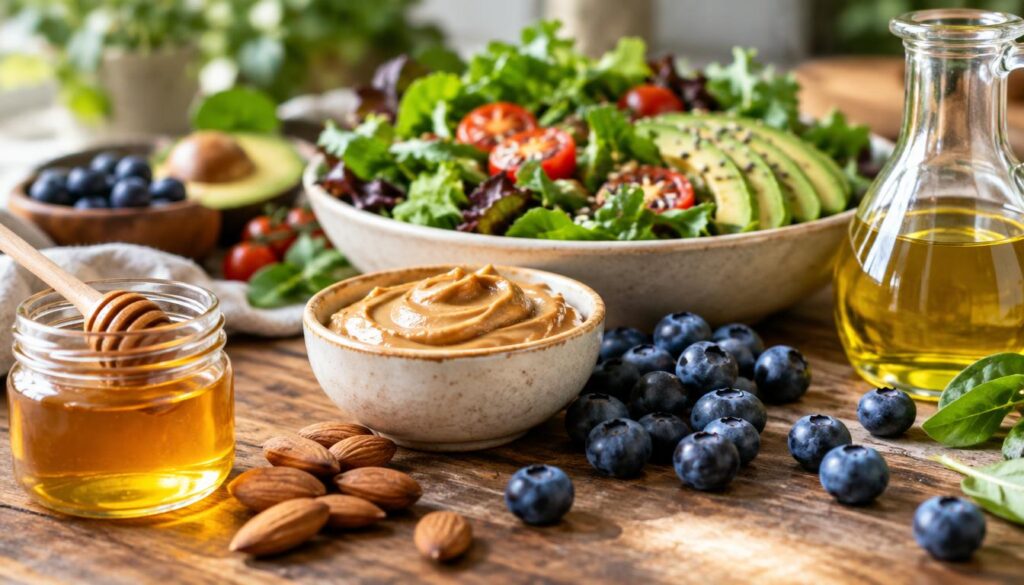
A spoonful of peanut butter brings calories along with nutrients. That pairing shows why energy density and nutritional value are not opposites.
Energy-dense foods can also provide protein, unsaturated fats, omega-3 fatty acids, and other nutrients. Portions still matter, but lower-scoring foods such as blueberries and olive oil can still fit a healthy diet.
- Peanut butter provides protein and fats.
- Nuts and seeds offer fats, protein, and other nutrients.
- Olive oil supplies unsaturated fat.
- Salmon provides protein and omega-3 fatty acids.
Blueberries provide beneficial compounds, and olive oil can be a source of healthy fat despite scoring lower in some nutrient-per-calorie comparisons. These examples show why one number cannot settle every food choice.
Eggs offer protein and other nutrients, while organ meats such as liver have distinct nutrient contributions. Spirulina, sweet potatoes, and dark chocolate also have different nutrient profiles, so no universal ranking applies.
Phytochemicals and antioxidants are among the beneficial compounds found in foods. Their presence does not guarantee disease prevention or treatment. No single score should disqualify a nutritious food. A mix of food groups can bring those different qualities together.
How Can You Build Variety Into Everyday Meals?
Start a grain bowl with vegetables and beans, then add a protein or fat source. This flexible base lets you use what you have instead of seeking one perfect food.
Build meals by combining different food types, rather than relying on a single high-scoring item. Colorful whole foods can add dietary fiber and support whole-food nutrition in ways that fit your habits.
Build a Plant-Forward Meal
Pair vegetables or fruit with legumes or whole grains. A salad can combine greens, chickpeas, and barley; a soup can bring beans, vegetables, and brown rice together.
For a grain bowl, add roasted or raw vegetables to rice, then include beans or lentils. Dietary diversity grows when you change ingredients, colors, and textures from one meal to the next.
Add Animal Foods or Alternatives If You Eat Them
Fatty fish, eggs, and dairy can sit alongside produce and grains. Tofu or tempeh can fill a similar place when you want a plant-based option.
Use this four-step template to get started:
- Choose a produce item.
- Add a protein source.
- Include a whole grain or other fiber-rich food.
- Add a preferred source of healthy fat.
Swap ingredients to match your taste, kitchen, and schedule. These steps are a flexible template, not a fixed prescription or calorie target. Meal patterns and needs differ from person to person.
Repeat the structure with different colors and ingredients, including foods you enjoy. This keeps a whole-food diet flexible and leaves room to adapt choices to age, appetite, and health.
How Should You Adapt Food Choices to Your Age and Health?
One person may enjoy a large, crisp salad, while another needs softer, easier-to-eat foods. Those needs differ, so one meal plan may not suit everyone.
Older adults may need food choices adapted to their appetite, chewing or swallowing needs, medical conditions, medications, and personal nutrient needs. An 85-year-old reader should seek individual advice rather than follow a one-size-fits-all menu.
Legumes and lentils can be adaptable foods, but they aren’t right for everyone in every situation. Your appetite, health, and ability to eat certain textures can affect what works.
No particular food is established here as a way to repair lungs. Food supports overall nutrition, but lung symptoms or disease require medical care. A nutrient-rich diet does not replace treatment.
Work with a qualified health professional when illness or difficulty eating affects your choices. Personal guidance can help account for medications and health needs. It can also help you sort common claims about food rankings and combinations.
Which Nutrient-Density Claims Can Mislead You?
A shopper may see different scores for two foods and wonder whether to reject one. One score is not a verdict on everything that food offers.
You do not need to avoid any two vegetables together as a general rule. Personal allergies, tolerances, or clinician-recommended restrictions are separate exceptions.
Use this checklist when you see a strong claim about powerhouse ingredients or the healthiest vegetables:
- Identify the scoring system.
- Check the serving basis.
- Consider nutrients the score leaves out.
- Judge the food within your overall eating pattern.
No universal “top three foods to avoid” applies to everyone. Instead, consider your overall pattern and moderate foods high in added sugars, sodium, or less beneficial fats.
A high-ranking leafy green can be a strong choice without making other foods poor choices. A score offers a comparison, not a complete verdict on food quality.
A food score can help you compare foods, but it cannot decide your whole eating pattern.
Practical choices also depend on shopping and preparation that fit your life. That makes useful handling habits part of keeping varied foods within reach.
How Can You Shop and Cook to Keep Nutrient-Rich Foods Practical?
On a busy weeknight, washed vegetables and cooked beans can make meals easier to put together. A little planning can help you use whole foods without adding extra stress.
Choose shopping and cooking habits that fit your time, budget, taste, and access. These healthy diet tips support routine, but no method preserves every nutrient in every food.
Try these four small actions:
- Plan a few meals before shopping.
- Keep convenient produce and legumes available.
- Prepare grab-and-go fruit or vegetables.
- Read packaged-food ingredient and nutrition labels.
Shorter vegetable cooking times and using little water when boiling can help limit nutrient loss. A modest amount of added oil may suit some dishes and preferences.
Convenience, taste, budget, and access shape what is practical for you. Frozen or canned options can help when fresh items are hard to store or prepare, and labels can help you compare packaged choices.
Antioxidants and other nutrients matter, but a single cooking method cannot keep every compound unchanged. Make one manageable shopping or preparation change this week. Start with an ingredient you already like, then add one small step that makes it easier to use.
Conclusion
Leafy greens are strong choices, but they are not the only foods worth eating. The rankings favor greens in the named produce comparisons, while a varied pattern matters more than chasing one score.
Use scores as one tool, then choose foods that fit your meals, tastes, and needs. Colorful whole foods offer different nutrients, and variety helps you include more than one kind of food.
This week, add a different vegetable, fruit, or legume to a meal you already enjoy. One small change is a clear next step, not a demand for a perfect diet.