Regular soda can contribute to health risks beyond weight gain, especially when you drink it often. A sweet drink can deliver substantial sugar quickly, but drinking one soda does not mean you will develop a disease.
Added sugar is sugar added to foods or drinks during processing, preparation, or at the table. The hidden danger of drinking soda is its cumulative effect: sugary beverage consumption can add up across days and years. Your overall drink pattern matters more than one soda on one occasion.
Key Takeaways
- Frequent soda intake can add substantial added sugar.
- Health risks depend on how much and how often you drink.
- One drink does not predict your personal health outcome.
- Labels show added sugar and servings per container.
- Liquid calories may feel less filling than food.
- Small changes to your drink routine can reduce sugar intake.
How Much Sugar Is in Soda?
A 12-ounce can of cola contains 39 grams of sugar, almost 10 teaspoons. For many people, a single serving can exceed the American Heart Association’s daily added-sugar limits.
Amounts vary by drink and container size, so the label matters. This comparison shows how much sugar in soda can fit into one ordinary bottle or can.
| Item | Amount | Context |
|---|---|---|
| 12-ounce cola | 39 grams, almost 10 teaspoons | One can |
| 20-ounce sweetened soda, lemonade, or iced tea | About 65 grams, 16 teaspoons | One bottle |
| Most adult women | No more than 24 grams per day | American Heart Association limit |
| Most adult men | No more than 36 grams per day | American Heart Association limit |
| Children ages 2-18 | Less than 24 grams per day and no more than 8 ounces of sugary beverages a week | American Heart Association limit |
Check the servings per container before counting the sugar in a bottle.
A can or bottle can use up a day’s sugar limit
The American Heart Association recommends no more than 24 grams of added sugar daily for most adult women. For most adult men, the daily limit is 36 grams.
For children ages 2-18, the group recommends less than 24 grams daily and no more than 8 ounces of sugary beverages each week. Those limits include added sugar from foods and drinks, not soda alone.
How to read the serving size on a label
The Nutrition Facts label lists added sugar in grams and names a serving size. That serving may be smaller than the full container, especially with larger bottles.
A common mistake is treating a multi-serving bottle as one serving. If the label lists more than one serving, the whole bottle contains more sugar than the per-serving number suggests.
Check the container’s servings and its grams of added sugar.
How Does the Hidden Danger of Drinking Soda Affect Your Heart and Metabolism?
Frequent sugary-drink intake is associated with higher cardiovascular and type 2 diabetes risks, though an association does not prove that soda alone caused either outcome. Daily intake is linked to an 18% higher cardiovascular disease risk and a 26% greater risk of type 2 diabetes.
Sugar in a drink enters the bloodstream quickly, raising blood glucose. Repeated high added-sugar intake may contribute to insulin resistance, when cells respond less well to insulin.
Blood sugar and insulin resistance
Your body uses insulin to move glucose from the blood into cells. Over time, insulin resistance can disrupt blood sugar control and contribute to metabolic syndrome, a group of related health problems.
High added-sugar intake may also raise triglycerides, a type of fat in the blood. These concerns describe possible patterns, not a diagnosis caused by one drink.
Research on high sugar intake, gut microbiome changes, and intestinal barrier effects is still developing. It does not prove that soda causes “leaky gut.”
- Blood glucose and insulin response
- Triglycerides and metabolic health
- Cardiovascular risk
Heart and diabetes risks
Research links sugary beverages and diabetes, as well as soda and heart disease, but these patterns do not show that soda alone causes either condition. Other health and lifestyle factors can affect personal risk.
A study followed more than 15,000 people with type 2 diabetes for an average of 18 years. Replacing one daily sugar-sweetened drink with black coffee was associated with an 18% lower risk of premature death and a 20% lower risk of cardiovascular death.
In that same study, replacing one daily serving with tea was associated with a 16% lower risk of premature death and a 24% lower risk of cardiovascular death. These findings describe associations among people who already had type 2 diabetes, not guaranteed personal risk reductions.
Cardiovascular disease risk and cardiovascular death risk are different outcomes. Treat swapping a sugary drink for coffee or tea as a practical option, not a promise of a particular risk reduction.
How Does Soda Affect Your Liver?
The liver processes fructose, and frequent intake of sugar-sweetened drinks can contribute to fat buildup in the liver. The amount and frequency of intake matter when considering the link with fatty liver disease.
Fructose is a type of sugar found in many sweetened drinks. When you take in more than your body uses, the liver can turn some of that excess into fat.
How the liver handles fructose
Your liver helps process fructose after you consume it. Frequent high intake can add to fat stored in liver cells, which is one concern behind soda and fatty liver research.
Fatty liver disease means excess fat buildup in the liver. It can have several causes, and fructose-related fat buildup should not be equated with alcohol-related liver damage.
What the fatty liver link means
In a 2022 study, drinking one or more sugar-sweetened beverages daily for five to seven years was linked to fatty liver disease. The reported link does not diagnose you or prove that one drink causes disease.
The finding concerns a pattern of daily intake over years, not an occasional soda. It also does not mean everyone with that pattern will develop fatty liver disease.
If you are concerned about fatty liver disease, discuss your risk with a healthcare professional rather than trying to diagnose it from soda intake alone.
Can Soda Harm Your Teeth and Bones?
Soda can expose your teeth to both sugar and acid, while claims about bone damage need more careful qualification. Acid can erode tooth enamel, while sugar can feed bacteria that cause cavities.
The average soda has a pH of 2.5, which measures how acidic it is. Both acid and sugar can affect your mouth, but in different ways.
Acid and sugar can affect teeth in different ways
Tooth enamel is the hard outer layer of each tooth. Acid exposure can wear it down over time, a process called dental enamel erosion.
Tooth decay is different: bacteria use sugar and produce acids that damage teeth. Sipping an acidic drink for a long time extends contact with your teeth, even if you drink only one serving.
That long sipping habit can make it harder for saliva to clear acid from your mouth. The distinction matters because enamel erosion and cavities are related concerns, but they are not the same problem.
What the bone-health concern does and does not show
Phosphoric acid in some sodas has raised questions about calcium balance and bone mineral density. That proposed link does not establish that soda directly causes osteoporosis.
Bone health depends on many factors, and the evidence does not support treating phosphoric acid as a proven blocker of calcium absorption. Claims about soda and bone health need more care than established concerns about acid and teeth.
Avoid swishing or slowly nursing soda, and rinse with water after drinking it.
Why Can Soda Add Calories Without Filling You Up?
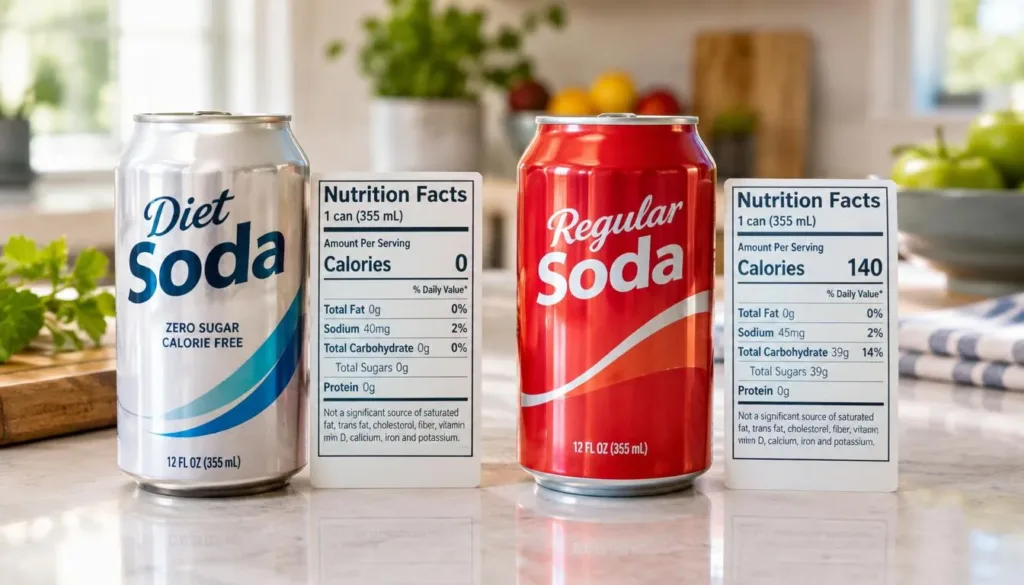
A 12-ounce soda adds about 140 calories, and drinking those calories may feel less filling than eating the same energy in food. Liquid calories can add up without making you feel as full as a solid snack.
Satiety is the feeling of fullness after eating or drinking. A sweet drink may not satisfy hunger as much as food with the same energy, so you might not eat less later.
That difference can matter if soda becomes an extra part of your day. Adding one can to your usual meals may create an unnoticed daily calorie surplus.
Soda calories and weight gain are connected through overall intake, not through one drink alone. Your body weight reflects many habits, and removing soda does not guarantee a set amount of weight loss.
Replacing soda with another drink differs from adding a new drink to the same meals. A replacement changes what you consume; an addition may increase your total intake.
Consider what the soda replaces in your day, not just what the can contains.
Is Diet Soda Better Than Regular Soda?
Diet soda can reduce sugar and calories compared with regular soda, but it is not the same choice as water or unsweetened tea. Diet versions usually reduce or remove sugar, but they still contain other ingredients.
Artificial sweeteners, such as aspartame and sucralose, provide sweetness without the sugar used in many regular sodas. That changes the ingredients, not the drink into water.
What changes when you choose a diet soda
For someone used to regular soda, a diet version may help ease a move away from sugar-sweetened drinks. It is one possible transition, not a necessary step or a choice that suits everyone.
Evidence about sugary drinks’ health risks differs from observational associations reported for artificially sweetened drinks. Those associations alone do not establish that artificial sweeteners cause a health outcome.
The phrase diet soda vs regular soda does not have one answer for every goal. A diet drink may reduce sugar and calories, while a person seeking fewer processed ingredients may prefer another option.
How to compare the two on a label
Compare the Nutrition Facts and ingredient lists on the specific products you buy. Check added sugar, calories, sweeteners, and serving size rather than relying on the word “diet.”
Product formulas differ, even among drinks with similar names. Check the label to see which sweetener a can contains and how much energy it provides.
Choose based on the label and your goal, rather than assuming “diet” means risk-free.
What Might Change When You Stop Drinking Soda?
After two weeks without soda, you may notice fewer cravings or a changed routine, but no single outcome applies to everyone. Cutting back on sugary soda lowers your added-sugar intake, while other changes vary from person to person.
Cravings, energy, and digestion can shift in different ways. The average American adult, teenager, and child consumes about 17 teaspoons of added sugar a day, or about 270 calories, but that population figure is not an individual target.
If you regularly drink caffeinated soda, cutting it out can also bring caffeine withdrawal symptoms. These may include headache, tiredness, or irritability.
- Cravings for sweet drinks
- Headache or fatigue if caffeine intake drops
- Mood or concentration changes
There is no fixed detox timeline or guaranteed body change at the two-week mark. Your routine, caffeine use, and response to changes can shape what you notice.
If symptoms are severe, persistent, or concerning, contact a healthcare professional.
What Can You Drink Instead of Soda?
Plain water, unflavored sparkling water, and unsweetened tea are practical swaps for regular soda. Choose a drink that meets the craving you want to replace, such as bubbles or flavor.
These options can make it easier to reduce sugar intake without relying on willpower alone. Their added sugar and calorie values below apply to plain versions in a 12-fluid-ounce serving.

Choose a drink that fits the craving
| Drink | Added sugar per 12 fluid ounces | Calories per 12 fluid ounces | When it may suit you |
|---|---|---|---|
| Plain water | 0 grams | 0 calories | Everyday hydration |
| Unflavored sparkling water | 0 grams | 0 calories | When you want carbonation |
| Plain brewed unsweetened tea | 0 grams | 0 calories | When you want flavor; consider caffeine |
Flavored sparkling water and bottled tea can contain added sugar. A package that looks like a simple swap may not match the plain version, so read its label.
Unsweetened tea benefits include flavor without added sugar in the plain brewed version. Its caffeine content still matters if you are limiting caffeine or changing your usual intake.
Make the change easier to maintain
A sugary drink tax may affect prices in some jurisdictions. It does not change a drink’s nutrition facts or tell you how much sugar a bottle contains.
- Replace one regular soda at a time.
- Keep a preferred unsweetened option cold and easy to reach.
- Taper gradually if stopping caffeine triggers symptoms.
- Review the label when choosing packaged drinks.
Make the unsweetened drink you like the simplest option to grab.
Small changes can make quitting soda feel more manageable. A cold bottle in the front of the fridge may be easier to choose than a drink stored out of reach.
Pick one replacement you enjoy and make it the easiest option to reach tomorrow.
Conclusion
You do not need to treat one soda as a health crisis to make a useful change to your routine. Frequent intake can add avoidable added sugar, and changing a daily habit can begin with one choice.
You can start without changing every part of your diet. For your next drink, choose water, sparkling water, or unsweetened tea and notice whether the swap works for you.