

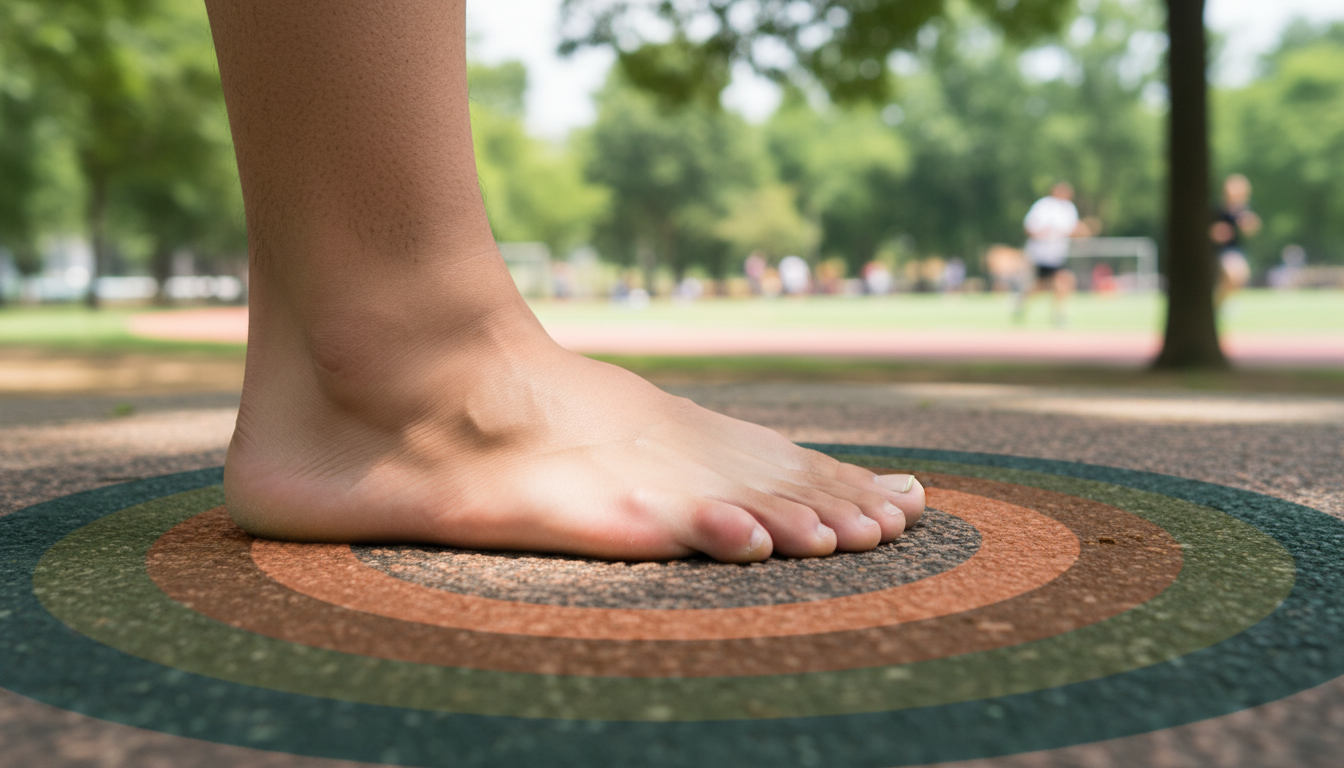
Your feet are the base of every step and movement. Strong feet are key for full-body strength and stability, say experts at NaplesPodiatrist.com. Weak feet can cause imbalances, injuries, and chronic pain in your knees and hips.
Strengthening your feet with simple exercises and more barefoot time boosts stability and cuts pain. Your feet are vital for your body’s proprioception – its sense of position and movement. Stronger feet lead to better athletic performance and lower injury risk.
Key Takeaways
- Strong feet are crucial for overall body strength and stability.
- Weak feet can lead to imbalances and chronic pain.
- Simple exercises can improve foot strength and overall stability.
- Improving foot strength can enhance athletic performance.
- Barefoot time can strengthen feet.
The Forgotten Foundation: Understanding Your Feet
Your feet are amazing, supporting your whole body. They help you move and stay balanced.
The Architectural Marvel of Foot Anatomy
Each foot has over 26 bones, 20 muscles, and 30 joints. This makes them very complex. They allow us to walk and do sports with ease. Dr. Kyle Buck says this design helps our feet adapt and stay strong.
How Modern Footwear Weakens Our Natural Design
Today’s shoes are comfy but harm our foot strength and movement. Too much cushioning and support weakens our foot muscles.
The Impact of Cushioning and Support
Cushioning and support make shoes comfy, but they make our feet work less. This can make our foot muscles weaker over time.
Toe Box Restrictions and Foot Development
Many shoes have narrow toe boxes, limiting toe movement. This can cause toe problems and change how we walk.
Knowing about foot health is key to keeping our feet in top shape. By understanding how shoes affect our feet, we can choose better ones for our foot health.
The Ripple Effect: How Foot Health Impacts Your Entire Body
Your foot health affects your whole body. Feet are the base of your body. Their health can change your posture, how you move, and how well you function.
The Kinetic Chain: Connecting Feet to Knees, Hips, and Spine
The kinetic chain is how your body’s joints and muscles work together. Your feet start this chain. Problems with your feet can spread up to your knees, hips, and spine.
Good foot health helps your body move smoothly. It absorbs shock and adapts to different surfaces. But foot problems can cause issues up the chain.
Signs Your Feet Are Compromising Your Posture
Poor foot health can show in many ways, affecting your posture. Look out for these signs:
Common Compensation Patterns
When your feet don’t work right, your body finds ways to adjust. These adjustments can put strain on other parts, causing pain.
- Overpronation or supination, leading to uneven pressure
- Altered gait patterns, straining knees and hips
- Poor posture from trying to fix foot issues
Pain Signals You Shouldn’t Ignore
Some pains mean your foot health is affecting your body. Watch for:
- Pain in the feet, ankles, knees, hips, or lower back
- Numbness or tingling in the feet or legs
- Fatigue or strain in the legs or lower back
The Family Foot & Leg Center says weak feet can lead to poor posture, reduced mobility, and less efficient movement. This can strain other parts of your body.
| Body Part | Potential Issues Due to Poor Foot Health |
|---|---|
| Knees | Strain, pain, or increased risk of injury due to altered gait patterns |
| Hips | Poor alignment, pain, or reduced mobility due to compensation patterns |
| Spine | Poor posture, strain, or pain resulting from the ripple effect of foot dysfunction |
Understanding the kinetic chain and recognizing foot health issues can help you address problems. This keeps your body working well.
Assessing Your Current Foot Strength and Mobility
Before you can improve your foot strength, you need to know where you are. It’s important to check how your feet are working. This helps you see what needs improvement.
Simple Self-Tests to Evaluate Foot Function
Simple tests can tell you a lot about your foot health. Two good tests are the Toe Spreading Test and the Single-Leg Balance Assessment.
The Toe Spreading Test
The Toe Spreading Test checks your toe dexterity and foot strength. Sit comfortably with your feet flat on the ground. Try to spread your toes as far as you can without moving your feet. If it’s hard or your toes don’t move on their own, your foot muscles might be weak.
The Single-Leg Balance Assessment
Balance is key to good foot function. The Single-Leg Balance Assessment tests your balance and proprioception. Stand on one leg, keeping your eyes open and your arms by your sides. See how long you can stay balanced. Do the same on the other leg. Trouble balancing or feeling off-balance could mean weak foot strength or poor proprioception.
Identifying Common Imbalances and Weaknesses
These self-tests can help you identify common problems with your foot function. Trouble spreading your toes or balancing on one leg might mean you need to work on these areas. You can do this with specific exercises and stretches.
Knowing these issues is the first step to better foot strength and mobility. By understanding your foot function, you can make a plan to improve your balance, posture, and stability.
Foot Health and Natural Movement: Your Step-by-Step Awakening Protocol
Improving your foot health is the first step towards natural movement. Strengthening your feet is key for better balance and posture. It also boosts your overall well-being.
Phase 1: Initial Foot Awakening Exercises
Start with simple yet effective exercises to awaken your feet. These exercises gently improve your foot’s range of motion and strength.
Toe Yoga and Dexterity Drills
Toe yoga helps improve toe dexterity and strength. Begin with:
- Spreading your toes as far apart as possible, holding for a few seconds, and then releasing.
- Alternating between lifting each toe individually and lifting all toes together.
Gentle Arch Activation Techniques
Activating your foot’s arch is crucial for better foot mechanics. Try:
- Place a small towel on the floor, then use your toes to scrunch it toward you.
- Performing gentle toe curls to engage the arch muscles.
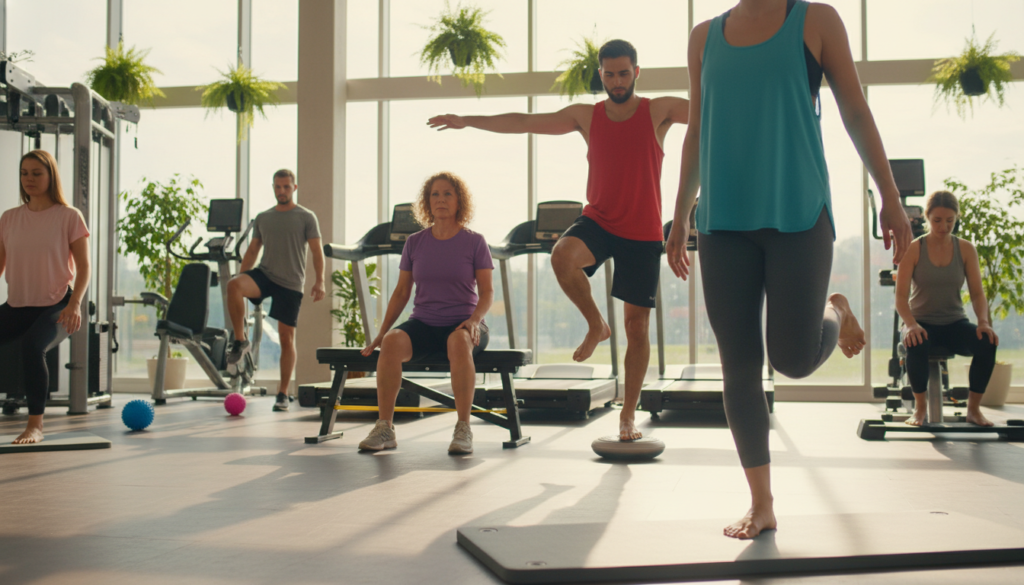
Phase 2: Building Foundational Strength
After starting the awakening process, focus on building strength with targeted exercises.
Short Foot Exercise Progression
The short foot exercise strengthens the intrinsic foot muscles. To do this exercise:
- Start by sitting with your feet flat on the floor.
- Slowly draw your toes back towards your heels, shortening the length of your foot.
- Hold for a few seconds and release. Gradually increase the duration as you build strength.
Resistance Band Routines for Foot Muscles
Resistance bands add a challenge to your foot-strengthening routine. Try:
| Exercise | Description | Repetitions |
|---|---|---|
| Toe Resisted Curls | Loop a resistance band around your toes and curl them against the resistance. | 10-15 |
| Ankle Dorsiflexion | Secure the band around a stable object and loop the other end around your ankle. Dorsiflex your foot against the resistance. | 10-15 |
By following this protocol, you’ll improve your foot health and enhance natural movement.
Mastering Proprioception: Balance Exercises for Stability and Control
Proprioception is key to feeling where your body is and how it moves. Dr. Kyle Buck says it’s essential for strong feet and ankles. Doing exercises that test this sense can really boost your balance.
Beginner Balance Progressions
To improve proprioception, start with simple standing exercises. Stand near something stable, like a wall or chair. Then, try to stand on your own without support.
Supported Standing Exercises
First, stand on both feet with your eyes open. Then, try standing on one foot. Hold each position for 10-15 seconds before switching. This helps improve your balance.
Surface Variations for Sensory Development
Changing the surface you stand on can really test your proprioception. Start on a firm, flat surface. Then, try softer or more uneven surfaces like a foam pad or a BOSU ball. This variation makes your sensory receptors work harder, improving your balance.
Advanced Proprioceptive Challenges
When you’re good at the basics, it’s time for more challenging exercises. Add dynamic movements to your routine to further test your proprioception.
Dynamic Movement Patterns
Try single-leg squats, lunges, and step-ups. Do these movements slowly and carefully to really challenge your balance.
Eyes-Closed Drills for Deeper Awareness
For an extra challenge, do your exercises with your eyes closed. This makes your body rely more on proprioception. It boosts your sense of body awareness and balance.
By adding these exercises to your daily routine, you’ll improve your proprioception. You’ll feel more stable and in control in your movements.
The Barefoot Transition: A Safe and Effective Approach
Starting your journey to stronger, healthier feet is exciting. It begins with a careful move to barefoot or minimalist shoes. Understanding the steps to a successful transition is key.
Creating Your Personal Barefoot Timeline
It’s important to slowly get your feet used to the new demands. First, check how strong and mobile your feet are.
Surface Progression from Soft to Challenging
Start on soft surfaces, such as grass or a soft mat. As your feet get stronger, move to harder surfaces, such as wood or tile. This slow change helps your feet adjust without too much stress.
Duration Guidelines for Different Activities
| Activity | Initial Duration | Progression |
|---|---|---|
| Walking | 10 minutes | Add 5 minutes weekly |
| Standing | 5 minutes | Add 3 minutes weekly |
| Exercise | 2 sets of 10 reps | Add 2 reps weekly |
Minimalist Footwear Selection and Usage
When picking minimalist shoes, look for a wide toe box and a zero-drop sole. These features keep your feet in their natural position.
Key Features to Look For
- Flexible sole
- Minimal cushioning
- Breathable materials
Breaking In Period Recommendations
Begin by wearing your minimalist shoes for short times, like at home. Increase the time slowly as your feet get used to it.
By following these tips and listening to your body, you can make a smooth transition to barefoot or minimalist shoes. This will improve your foot health and overall well-being.
Preventing and Addressing Plantar Fasciitis Through Targeted Techniques
Plantar fasciitis can really hurt your daily life. But there are ways to stop it and fix it. You can make your feet stronger and lower your risk of this pain. Knowing why it happens and using the right prevention can keep your feet healthy and pain-free.
Early Intervention Strategies
Acting fast is key when dealing with plantar fasciitis. Self-massage can ease the pain and help the plantar fascia heal. You can massage your foot with your fingers or a special tool, applying gentle pressure.
Self-Massage Techniques
To do self-massage, find the plantar fascia at the bottom of your foot. Use your fingers to gently but firmly massage it. You can also use a tennis ball to roll under your foot to ease tension.
Proper Stretching Protocols
Stretching is also important for plantar fasciitis. Focus on stretches for your calf and Achilles tendon. Tightness in these areas can lead to plantar fasciitis. Simple stretches, like leaning forward or using a towel to stretch your foot, can help.
Progressive Strengthening for Long-Term Relief
For lasting relief, add toe-curling exercises and strengthening activities to your routine. These exercises build muscle in your feet, supporting your arch and easing strain on the plantar fascia.
Toe-Curling Exercises
Toe-curling exercises involve curling your toes under and then releasing. Doing this often strengthens your foot muscles. You can also pick up small objects with your toes to improve dexterity and strength.
Calf and Posterior Chain Integration
Strengthening your calf and posterior chain is also crucial. These muscles are key to foot function. Calf raises and heel walks can improve foot function and reduce the risk of plantar fasciitis.
By using these methods—early intervention and strengthening exercises—you can prevent and treat plantar fasciitis. This keeps your feet healthy and pain-free.
Common Mistakes and Troubleshooting Your Foot Training
Starting your foot training journey? Be aware of common mistakes that can slow you down. Knowing these can help you reach stronger, healthier feet faster.
Avoiding the “Too Much, Too Soon” Trap
One big mistake is moving too fast. It’s key to slowly ramp up the intensity and amount of your workouts. Going too fast can hurt you, ruining your progress and possibly causing lasting harm.
Addressing Discomfort vs. Pain
Feeling some discomfort when starting new exercises is okay. But sharp or lasting pain is a warning sign. It’s important to distinguish between normal discomfort and pain. Doral Health & Wellness says listening to your body and getting help for pain is crucial.
“Pain is the body’s way of signaling that something is wrong. Ignoring it can lead to more severe issues.”
When to Seek Professional Help
Knowing when to get help is key. If pain or discomfort persists and doesn’t improve with rest, see a pro. Foot experts can offer tailored advice and treatment.
Red Flags That Require Medical Attention
- Severe pain that doesn’t improve with rest
- Swelling or bruising that persists
- Difficulty walking or performing daily activities
Finding Foot-Focused Practitioners
To find the right help, ask your doctor for recommendations. Look for podiatrists or physical therapists with experience in foot training and rehab.
Conclusion: Your Journey to Better Balance, Posture, and Movement Begins at Your Feet
Your feet are the base of your body’s balance, posture, and movement. By focusing on foot health, you’re setting the stage for better mobility. This also reduces the risk of injury.
Strengthening your feet will improve your balance and posture. This leads to smoother movement in your daily life. It makes activities easier and more confident, whether for sports or just moving around.
Using the tips and exercises in this article will strengthen your feet. This supports your whole body. Start today and see how better foot health can change your life.

i enjoy reading this great article, i have shared it many times on my website and started following you, Do you post more often ?? i am the owner of https://webdesignagenturbayreuth.de/ a webdesign agency in bayreuth Germany, webdesign agentur bayreuth, you can link up if you are interested. Thank you
wow your article is simply a masterpiece, i like that, keep it up and will be checking for new update. do you post often? you can check the biggest webdesign freelancer in platform in germany called https://webdesignfreelancerhamburg.de/ Thank you for your wonderful post