Staying hydrated is key to your health, but it also boosts your metabolism and fights hunger. Sometimes, thirst can feel like hunger, causing you to eat more. Drinking enough water can stop these false hunger cues.
Being dehydrated slows down your body’s metabolism, affecting your energy and weight management. Adding simple ‘hydration hacks’ to your day can improve your water intake. This supports your metabolic health.
Key Takeaways
- Staying hydrated is crucial for metabolism and weight management.
- Dehydration can be mistaken for hunger, leading to unnecessary eating.
- Simple hydration hacks can optimize your water intake.
- Drinking enough water can help suppress false hunger cues.
- Proper hydration supports overall metabolic health.
The Water-Weight Connection: Understanding the Basics
To understand how water affects your weight, it’s key to understand the basics of hydration. Many factors, including water retention, influence your body weight.
How Water Influences Your Body Weight
Drinking water can significantly impact your weight management. Proper hydration helps control hunger and aids in weight loss. It boosts metabolism and reduces water retention. When you’re dehydrated, your body holds onto more water, causing weight changes.
The Difference Between Water Weight and Fat Loss
It’s essential to distinguish between water weight and fat loss. Water weight is extra water in your body, often due to dehydration or high sodium intake. Fat loss, however, is the reduction of body fat through diet, exercise, and staying hydrated. Knowing this helps you manage your weight loss better.
By focusing on hydration and its role in weight management, you can make better choices. This leads to more effective weight loss.
The Science Behind Hydration for Weight Loss
Water is more than just a calorie-free drink. It plays a significant role in losing weight. Drinking enough water helps your body’s metabolic processes.
Water as a Metabolic Catalyst
Drinking water can increase your resting metabolism. This is called water-induced thermogenesis. Studies show this effect can last 60-90 minutes after drinking water. It can help you burn more energy and lose weight.
Research-Backed Benefits of Proper Hydration
Drinking enough water supports weight loss. It helps your body’s systems work right. This includes your digestive system, which is key to nutrient absorption and calorie burning.
Clinical Studies on Water and Calorie Burning
Studies show drinking water can help burn calories. For example, a study in the Journal of Clinical Endocrinology and Metabolism found that drinking 500 ml of water increased metabolic rate by 30% in both men and women. This can help you lose weight over time.
“Even mild dehydration can slow down your metabolism, making it harder to lose weight.”
Understanding how hydration helps with weight loss is key. Staying hydrated is a simple way to boost your metabolism. It can help you achieve your weight-loss goals.
Dehydration vs. Hunger: Decoding Your Body’s Signals
Your body sends out subtle signals. It’s key to distinguish between dehydration and hunger for effective weight management. Many confuse thirst with hunger, leading to eating when not needed.
The Shared Neural Pathways of Thirst and Hunger
The brain’s hypothalamus controls both thirst and hunger. Sometimes, these signals get mixed, making it hard to know if you’re hungry or dehydrated. Understanding these shared pathways can help you better interpret your body’s needs.
Common Signs You’re Mistaking Thirst for Hunger
If you feel hungry soon after eating, or if hunger is accompanied by dry mouth or fatigue, you might be mistaking thirst for hunger. Paying attention to these signs can help you adjust your hydration habits.
The Hunger-Thirst Self-Assessment Test
| Symptom | Possible Interpretation |
|---|---|
| Hunger immediately after eating | Dehydration |
| Dry mouth or lips | Dehydration |
| Fatigue or lethargy | Dehydration or hunger |
| Headaches | Dehydration |
By recognizing the signs and using the self-assessment test, you can better understand your body’s signals. Adjust your hydration and eating habits accordingly.
How Water and Metabolism Work Together
It’s essential to know how water and metabolism are connected. Drinking enough water helps your body use energy better. It’s not just about staying hydrated; it’s about helping your body work right.
The Thermogenic Effect of Water
Drinking water can increase your metabolism. This is called the thermogenic effect of water. When you drink cold water, your body uses energy to warm it up. This means you burn more calories, especially if you’re active.
Hydration’s Role in Nutrient Transport and Energy Production
Water is essential for moving nutrients into cells and removing waste. It helps your body make energy well. Here’s how hydration helps your metabolism:
- Water helps dissolve nutrients and minerals, making them easier for your body to use.
- It helps transport nutrients into cells, supporting your body’s energy production.
- Staying hydrated is crucial for healthy cells and metabolism.
By drinking enough water, you help your body’s metabolism and health. It’s a simple way to boost your metabolism and energy use.
Calculating Your Personal Hydration Needs
Unlocking water’s weight-loss potential starts with understanding your hydration needs. The old “eight glasses a day” rule doesn’t fit everyone. Your needs depend on many factors, making a personalized approach key.
Beyond “Eight Glasses a Day”: Personalized Water Requirements
Your daily water intake should match your unique needs. Age, sex, weight, and health all affect how much water you need. For example, athletes and very active people need more water than less active people.
Adjusting Intake Based on Activity Level, Climate, and Diet
Adjust your water intake based on your activity, climate, and diet. If you’re active, live in a hot place, or eat a lot of salt or protein, you’ll need more water. It’s important to watch how your body reacts to these factors to stay hydrated.
The Urine Color Chart: A Simple Monitoring Tool
Use the urine color chart to see if you’re drinking enough water. Your urine should be pale yellow. If it’s dark yellow or amber, you might need to drink more. This tool helps you adjust your water intake as needed.
By understanding and applying these tips, you can tailor your water intake to support your weight-management goals and overall health. The goal is to find a hydration plan that fits you and your unique needs.
The Morning Hydration Protocol: Starting Your Day Right
Drinking water in the morning is key after a night without it. It boosts your metabolism, energy, and overall health. Your body gets dehydrated overnight, impacting how you feel and perform.
The Benefits of Morning Rehydration
Drinking water in the morning is beneficial. It rehydrates your body, stimulates your metabolism, and aids digestion. It also removes toxins, improving your skin and body functions.
Step-by-Step Morning Water Routine
To add morning hydration to your routine, follow these steps:
- Drink a full glass of water upon waking.
- Wait 30 minutes before eating or drinking anything else.
- Add a lemon slice to your water for a metabolism boost.
Lemon Water: Myth vs. Reality for Metabolism
Lemon water is said to boost your metabolism. The science is not clear, but lemons may help with digestion and fat burning.
| Benefits | Description |
|---|---|
| Rehydration | Replenishes fluids after overnight fasting |
| Metabolic Boost | Aids in kickstarting your metabolism for the day |
| Toxin Flush | Helps in flushing out toxins accumulated overnight |
Strategic Hydration for Weight Loss: Timing Your Water Intake
Drinking water is more than just staying hydrated. It’s also about when you drink it. The timing of your water intake can significantly affect your weight loss.
Pre-Meal Hydration to Reduce Calorie Intake
Drinking water before meals can reduce calorie intake. Studies show that drinking water before a meal can reduce intake. This is because it makes you feel full. Pre-meal hydration is a simple way to help manage your weight.
Hydration Windows Throughout the Day
Identifying the best hydration windows during the day can enhance water’s weight-loss benefits. Drinking water upon waking, before meals, and before exercise is key. These times boost metabolism, support digestion, and prepare your body for activity.
Nighttime Hydration Considerations
Staying hydrated during the day is essential, but so is nighttime hydration. Drinking water too close to bedtime can disrupt sleep. But not drinking enough water at night can also hurt your sleep. Drinking a small amount of water a few hours before bed can help maintain balance.
By incorporating these hydration strategies into your daily routine, you can support weight loss and improve your health.
Quality Matters: Optimizing Your Water for Better Metabolism
Not all water is the same for hydration and metabolism. The quality and temperature of your water can significantly affect its benefits.
Filtered vs. Tap vs. Mineral Water
The type of water you drink can impact your metabolic health. Let’s look at the differences:
| Type of Water | Characteristics | Metabolic Impact |
|---|---|---|
| Tap Water | Variable quality, may contain additives like fluoride and chlorine | Generally safe, but contaminants can negatively impact metabolism |
| Filtered Water | Purified, reduced contaminants | Improved purity can support better metabolic function |
| Mineral Water | Rich in minerals like calcium and magnesium | Minerals can enhance metabolic processes and overall health |
Mineral water is rich in minerals that can boost metabolism. A study in the Journal of the International Society of Sports Nutrition found it improves exercise performance and metabolism (1).
“Drinking mineral water can be considered a useful adjunct to traditional hydration strategies, particularly for individuals with high physical activity levels.”
Temperature Considerations for Metabolic Impact
The temperature of your water can also affect its metabolic effects. Cold water, in particular, has been studied for its calorie-burning potential.
Cold Water and Calorie Burning: What the Research Says
Drinking cold water increases your body’s energy expenditure as it warms up. A study in the Journal of Clinical Endocrinology and Metabolism found that drinking 500 ml of cold water increased metabolic rate by 30% in healthy young men.
Key findings:
- Drinking cold water can increase resting energy expenditure.
- The thermogenic effect of cold water may aid in weight management.
- The impact is most significant in the hour following consumption.
To maximize metabolic benefits from water, try drinking cold water. But remember to listen to your body and adjust accordingly.

Hydration Enhancers: Beyond Plain Water
Plain water is key to staying hydrated. But you can make it even better by adding certain ingredients. This can help boost your metabolism and aid in weight loss.
Metabolism-Boosting Water Infusions
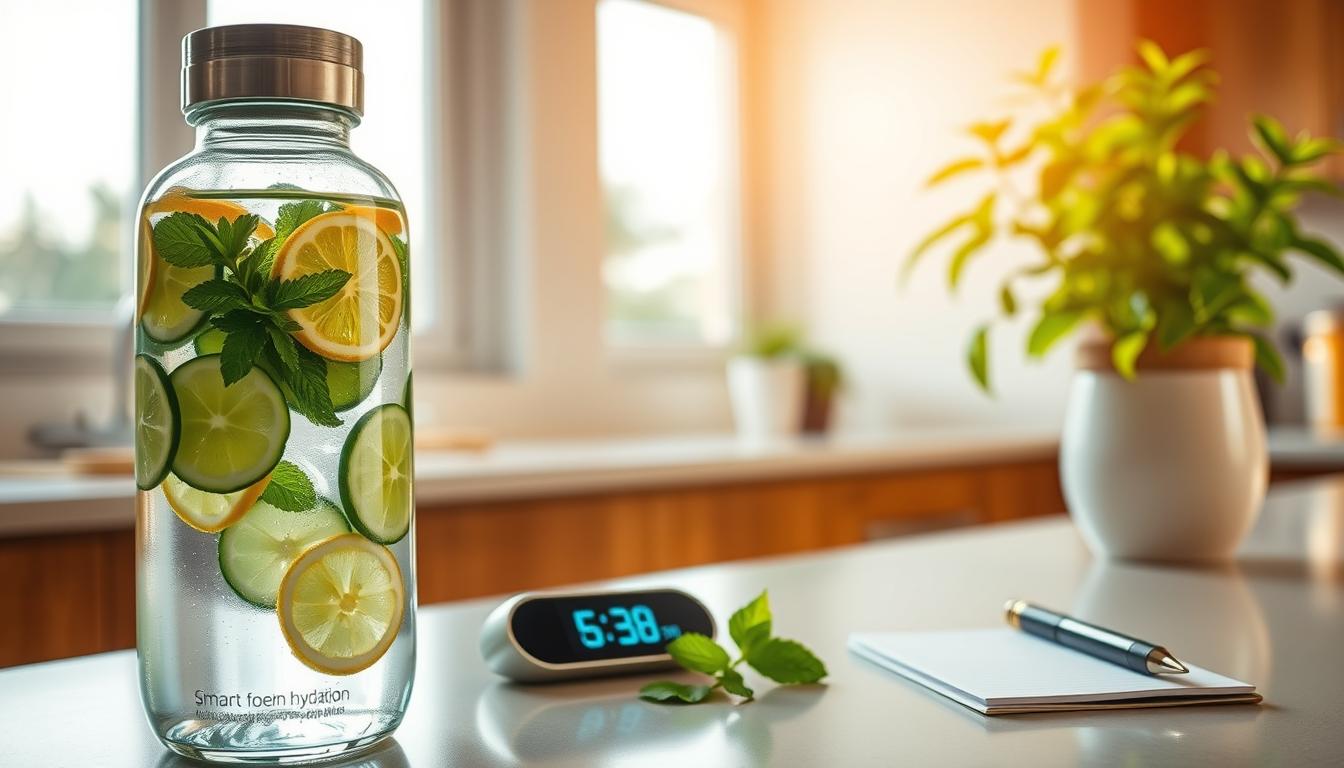
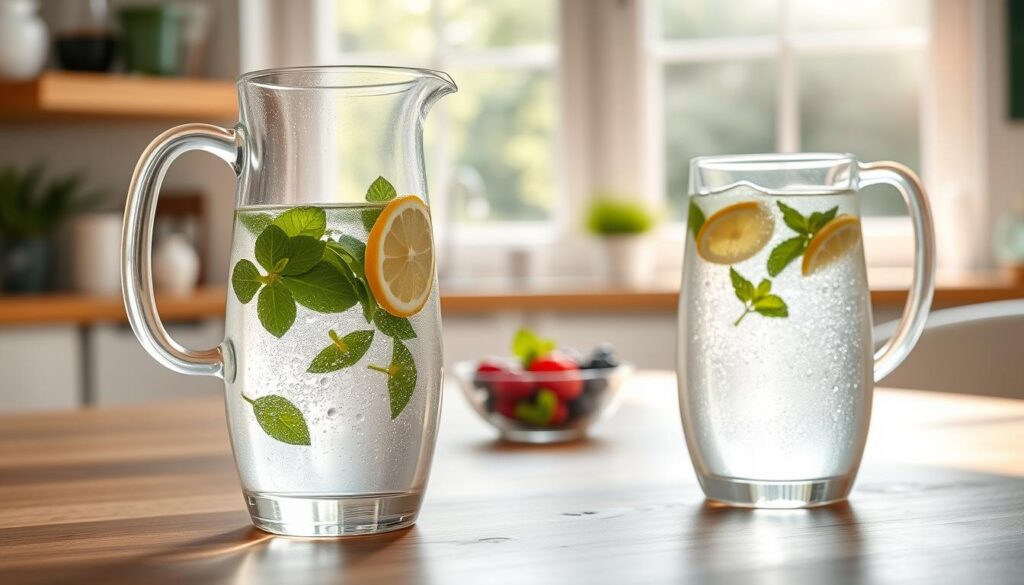
Adding lemon, mint, or cucumber to your water can improve its taste. It also provides additional benefits for your metabolism. For example, lemon water can help with digestion and fat burning. Mint can also reduce hunger and improve digestion.
Electrolytes and Their Role in Effective Hydration
Electrolytes like sodium, potassium, and magnesium are vital for staying hydrated. They help keep the right balance of fluids in your body. Adding an electrolyte supplement to your water is great for intense workouts or when it’s very hot.
What to Avoid in Your Hydration Strategy
It’s essential to avoid common mistakes when staying hydrated. Don’t add too much sugar or artificial sweeteners to your water. They can undo the good of hydration. Also, watch the water temperature. Very cold or hot water can harm your digestive system.
Tracking and Maintaining Your Hydration Habit
To get the most from staying hydrated, it’s key to keep track of your water intake. You need the right tools and habits that last.
Apps and Tools for Monitoring Water Intake
Many apps and tools can help you monitor your water. Some top picks include:
- Waterlogged: A simple and easy-to-use app for tracking water.
- Hydro Coach: Provides a hydration plan tailored to your activity level and location.
- Plant Nanny: Makes drinking water fun by growing virtual plants.
These tools are great for making drinking water a regular part of your day.
Creating Environmental Triggers for Regular Hydration
Using your environment to remind you to drink water can really help. For example, having water bottles in places you often visit can remind you to drink.
Social Strategies for Staying Hydrated
Drinking water can be more fun with friends. Here are some ideas:
| Strategy | Description |
|---|---|
| Hydration Challenges | Have friendly competitions with friends or coworkers to see who drinks the most water. |
| Shared Goals | Work together to achieve hydration goals and support one another. |
| Reminders | Remind each other to drink water all day. |
Using these strategies and tools can help you stay hydrated consistently. This supports your health and metabolism.
Conclusion: Transforming Your Metabolism Through Smart Hydration
You now know how important hydration is for boosting your metabolism and helping with weight loss. By incorporating smart hydration into your daily routine, you can improve your metabolic health. This can help you achieve your weight-loss goals.
Drinking enough water is key to a healthy metabolism. It helps control hunger, boosts energy, and improves nutrient transport. By prioritizing hydration, you can see these benefits and improve your overall health.
To stay hydrated, determine your water intake, start your day with water, and consider water infusions that may boost metabolism. These steps can help you create a hydration plan that supports your weight-loss goals.
By focusing on hydration, you can manage your health and live a more balanced life. Make hydration a regular part of your routine. You’ll see how it positively affects your health and well-being.