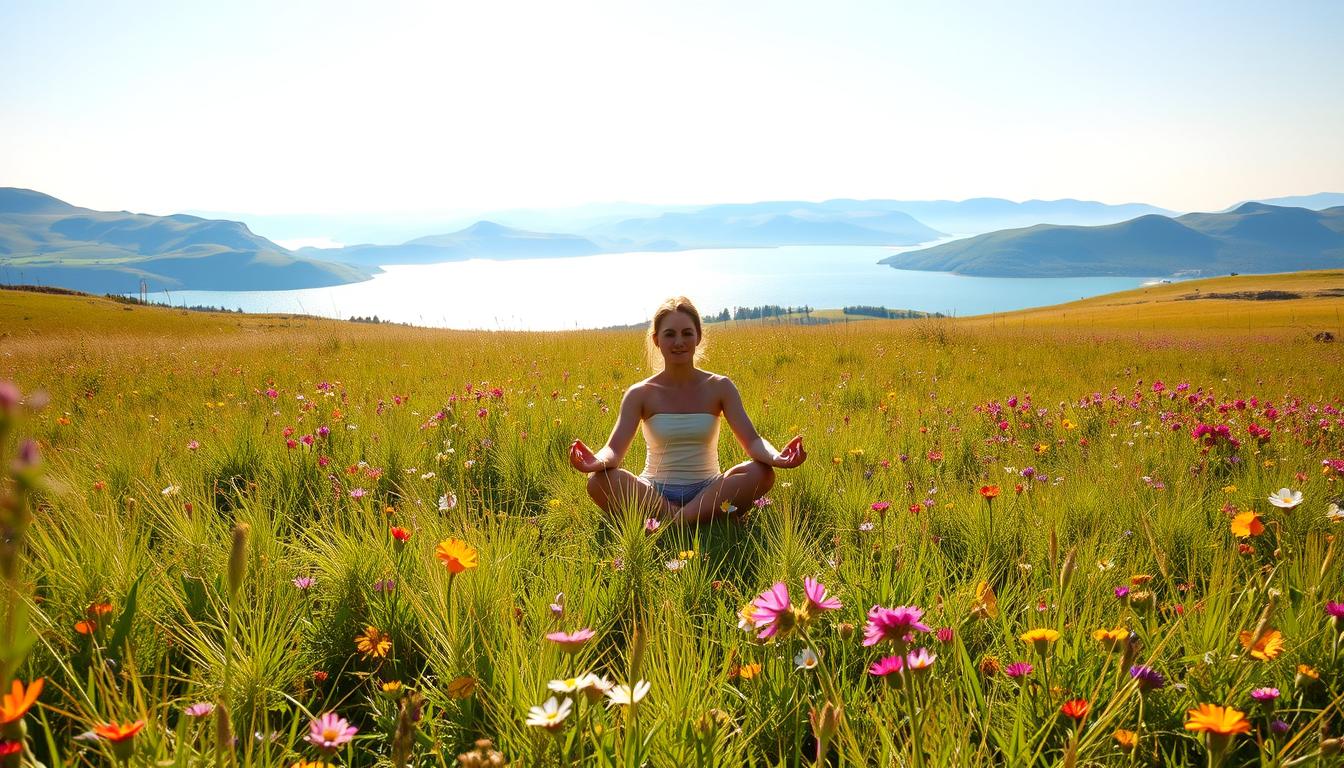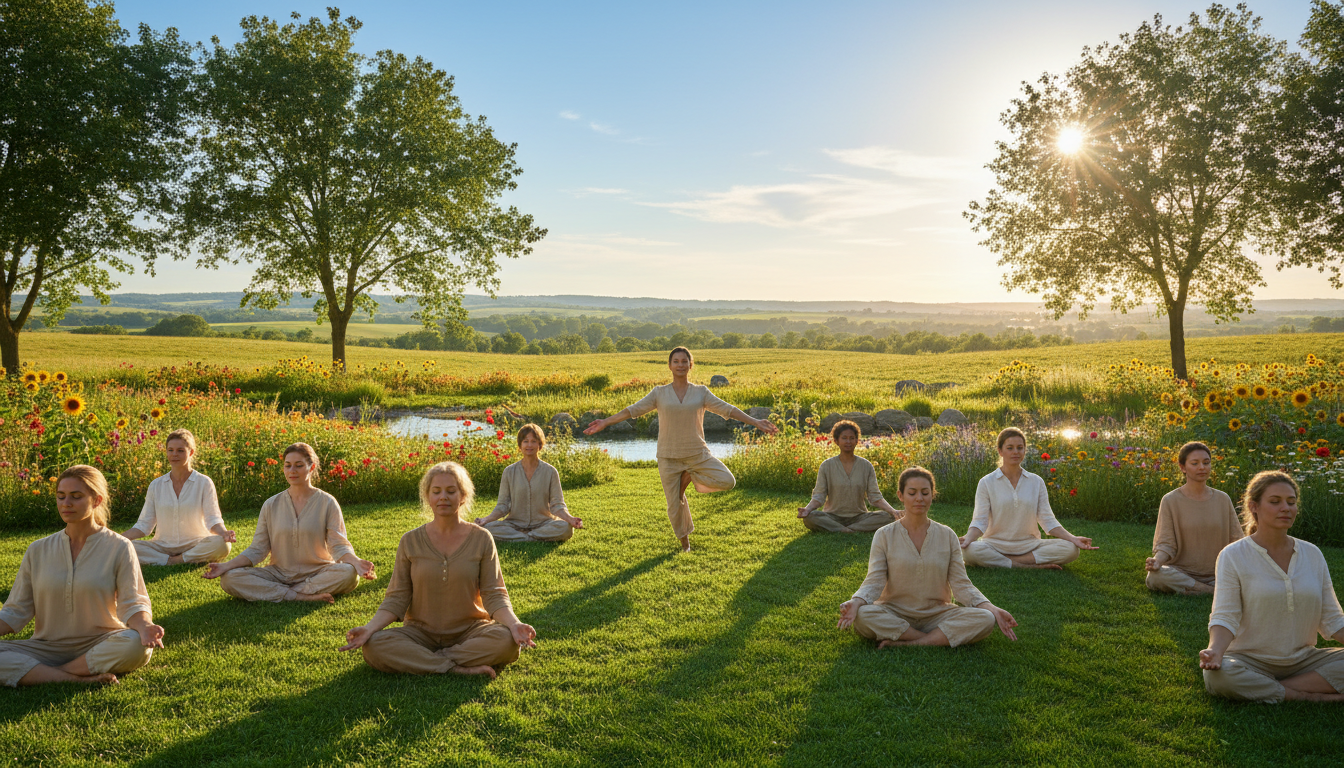
Do you often feel overwhelmed by a racing mind or endless to-do lists? Many people struggle with constant mental chatter that pulls them away from their actual surroundings. Finding stillness amidst this chaos is essential for your long-term health.
By adopting mindfulness techniques, you can naturally reduce stress. This shift helps you gain mental clarity while letting go of past regrets or future anxieties. Embracing inner peace allows you to cultivate a life of purpose and deep satisfaction. Start your journey toward living in the present moment today to unlock a more balanced version of yourself.
Key Takeaways
- Quiet your mind to lower daily anxiety levels.
- Use deep breathing to stay grounded during busy days.
- Let go of past mistakes to improve emotional health.
- Focus on sensory details to boost your awareness.
- Build consistent habits for lasting inner calm.
Understanding the Transformative Power of Living in the Present Moment
Starting to be present is a journey that begins with a single breath. When you learn how to live in the now, you stop worrying so much. This change is not just a feeling; it’s a tool for clear thinking.
Studies prove that living in the present moment is good for you. It helps you deal with anxiety and stress better. It lets you focus on what’s happening right now, not yesterday or tomorrow.
The present moment is the only thing where there is no time.
Many find joy and purpose in being present in the moment. By slowing down, you notice the small things that make life worth it. Here are some key benefits of mindfulness:
- Reduced stress levels by lowering cortisol production.
- Improved mental clarity and sharper focus on tasks.
- Greater emotional stability during challenging situations.
- Enhanced appreciation for simple, everyday pleasures.
If you want tips for living in the moment, try observing without judgment. Seeing the benefits of living in the now will keep you grounded. Learning how to be present and happy is a gift to yourself.
Cultivating Awareness Through Mindful Breathing Exercises
Your breath is always with you, connecting you to the present. It’s a reliable anchor for your awareness. By practicing mindfulness daily, you can focus on the present, not the past or the future. This simple act is a powerful way to stay calm, no matter what’s happening around you.
Practicing cultivating presence changes how you feel with each breath. You don’t need special tools or lots of time. Just a few minutes each day can help you find peace.
Techniques for Deep Diaphragmatic Breathing
Deep diaphragmatic breathing, or belly breathing, helps you manage your emotions. It tells your body to relax, moving from stress to calm. These deep-breathing exercises help slow your heart rate and clear your mind.
To try this, put one hand on your chest and the other on your belly. Breathe in slowly through your nose, letting your belly rise while your chest stays still. This focus on your body is a key way to live in the moment.
Using Breath as an Anchor During Stressful Moments
Challenges in life can make you feel lost or overwhelmed. In these times, your breath is a safe place. It helps you pause, notice your thoughts, and choose calm over reaction. These present-moment exercises are great for when anxiety spikes.
By focusing on your breath, you create a calm space in chaos. These mindfulness exercises for anxiety relief ground you in the present. Here’s a table to help pick the right technique for you:
| Technique | Primary Benefit | Best Used For |
|---|---|---|
| Box Breathing | Balanced Focus | High-pressure meetings |
| 4-7-8 Breathing | Deep Relaxation | Before sleep or rest |
| Belly Breathing | Nervous System Reset | Daily stress management |
| Alternate Nostril | Mental Clarity | Mid-day energy slumps |
Establishing a Daily Mindfulness Meditation Practice
Starting a daily mindfulness meditation practice is a great way to anchor your busy life. It helps build mental and emotional strength over time. By understanding the benefits of mindfulness meditation, you can live more easily in the present.
Creating a Dedicated Space for Quiet Reflection
To cultivate mindfulness, you need a peaceful place. You don’t need a big room; a small corner or a comfy chair is enough. The goal is to make a sanctuary where your mind can relax.
Here are some tips for beginners:
- Find a quiet spot with few distractions.
- Keep your space tidy for a clear mind.
- Add something joyful, like a plant or candle.
- Make sure your seat is comfy for good posture.
Guided Versus Silent Meditation Approaches
Deciding between guided and silent meditation is up to you. Guided mindfulness meditation offers structure, which is good when your mind is all over the place. Silent present moment meditation lets you tune into your inner voice without outside help.
Many people switch between these two. You might also try other methods, like Morning Pages. This involves writing three pages of free-flowing thoughts. It helps clear your mind before meditating.
Your present moment practice is about showing up every day, not being perfect. Whether you follow a teacher or meditate in silence, you’re cultivating mindfulness. By doing this, you learn to handle life’s challenges with more ease.
Engaging Your Senses to Stay Grounded in the Now
When your mind starts to wander, focusing on your senses can bring you back. Thoughts often stray to worries about the future or regrets from the past. Mindfulness exercises can help you focus and find calm again.
The Five-Four-Three-Two-One Sensory Technique
The five-four-three-two-one method is a great way to stay present when feeling overwhelmed. It helps you stop overthinking by focusing on what’s around you.
Begin by noticing five things you see, four things you touch, three sounds you hear, two smells you detect, and one taste. These present-moment exercises are easy yet powerful. They help you move from overthinking to noticing the world around you.
Mindful Observation of Your Immediate Environment
There’s also a simple way to be present: just look around with new eyes. Whether you’re in a park or at work, pay attention to the small details. This kind of present-moment meditation can bring peace to everyday moments.
Close your eyes. Breathe slowly in and out through your nose. Let your ears open like microphones.
By listening to the sounds around you, you deepen your awareness in the present moment. This is one of the easiest benefits of mindfulness meditation. By staying present, you make every day a chance for clarity and happiness.
Strategies to Reduce Digital Distractions and Reclaim Your Focus
In today’s world, your attention is very valuable. Digital distractions often pull you out of the present moment. This makes it hard to stay present in daily life. By choosing to reduce stress naturally, you can clear your mind and focus better.
Setting Boundaries with Technology and Notifications
Research shows that multitasking increases stress and makes your brain work harder. When your phone keeps interrupting, you can’t focus on what you’re doing. Setting clear boundaries is key to staying present.
Try turning off non-essential notifications to keep your peace. Set specific times to check emails or social media. This helps you stay focused and avoid burnout.
The Benefits of Digital Detox Periods
Intentional breaks from devices help your mind reset. These breaks are great for mindfulness strategies and help you stay present. By stepping away from screens, you can focus better.
Even a short digital detox each evening can improve your mood. You’ll notice better engagement with the world. Use the table below to see how digital habits compare to mindful alternatives.
| Digital Habit | Mindful Alternative | Key Benefit |
|---|---|---|
| Constant notifications | Scheduled check-ins | Reduced anxiety |
| Multitasking | Single-tasking | Higher quality focus |
| Late-night scrolling | Reading or meditation | Better sleep quality |
| Always reachable | Digital quiet hours | Mental rejuvenation |
Using these mindfulness tips can lead to a more intentional life. Detaching from digital distractions makes staying present easier.
Developing Self-Awareness to Quiet Constant Mental Chatter
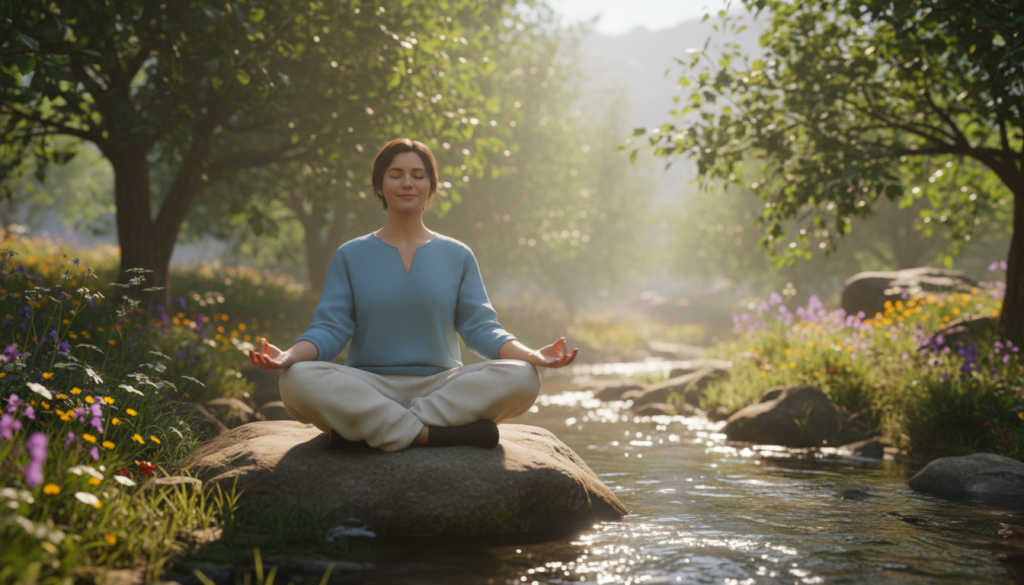
Finding peace begins with looking inward at the stories you tell yourself. Learning to quiet your mind and let go of worries opens the door to peace and fulfillment. This journey requires consistent practice and kindness as you explore your inner world.
The biggest factor in your healing is not time. It’s your ability to face emotions you used to avoid.
The biggest factor in your healing is not time. It is your ability to face emotions that you used to run away from.
Identifying Patterns of Negative Self-Talk
Many people struggle with a harsh inner critic that affects their mood. By using self-awareness techniques, you can catch negative thoughts early. Recognizing these patterns is the first step to reclaiming your mental space.
Look out for these signs that your inner dialogue needs a change:
- You often use words like “always” or “never” when talking about your mistakes.
- You assume the worst in social or professional situations.
- You downplay your achievements and focus on your failures.
Observing Thoughts Without Judgment
To stop overthinking, see your thoughts as passing clouds, not truths. Being mindful helps you separate your identity from your thoughts. You are the observer, not the thought.
Practicing this detachment gives you mental clarity tips for daily challenges. Instead of reacting impulsively to stress, you can pause and choose a better response. This is key to quieting your mind and reducing stress in a busy world.
Try these simple habits to stay focused:
- Label your thoughts as “thinking” when you notice your mind wandering.
- Breathe deeply to anchor yourself in the present moment.
- Accept that having a busy mind is natural, but you don’t have to follow every thought.
Practicing Radical Acceptance of Your Current Reality
Choosing to accept the present moment can end the internal fight against your circumstances. Many people exhaust themselves by fighting things they can’t control. Using self-awareness techniques helps you observe life without constant resistance.
Radical acceptance doesn’t mean giving up on your goals or future. It’s about acknowledging your current situation to move forward clearly. This present moment practice is key to peace in a busy world.
Distinguishing Between Acceptance and Resignation
Acceptance is a conscious choice, unlike resignation, which is a passive surrender. Resignation makes you feel defeated and hopeless. True acceptance lets you see reality clearly, empowering you to choose your next step.
There is action you can take now. Put all your energy into it.
Acceptance frees up mental space, reducing digital distractions and allowing focus on what’s important. This shift helps you engage more deeply with your life. Here’s a table showing the main differences between acceptance and resignation:
| Feature | Acceptance | Resignation |
|---|---|---|
| Mindset | Active and conscious | Passive and defeated |
| Energy | Focused on solutions | Drained by frustration |
| Outcome | Empowerment | Stagnation |
Embracing the Present Without Trying to Change It
Living in the here and now means letting go of wishes for a different reality. When you stop trying to control the world, you find calm. This present moment awareness lets you see the beauty of your life as it is.
As you adopt this mindset, your stress will decrease. You won’t be tied to the need for control. Embracing the present is the best way to find joy and stay mindful in the moment all day.
Overcoming the Habit of Ruminating on Past Regrets
Your past doesn’t have to control your present. Learning to quiet your mind and let go of regrets brings peace and fulfillment. Choosing to release these burdens is the first step to reclaiming your mental energy.
Reframing Past Experiences as Lessons
Every experience helps you grow. Instead of seeing mistakes as failures, view them as valuable lessons. This change helps you stop overthinking about things you can’t change.
The moments you thought were ‘no big deal’ at the time can turn out to be the best moments of your life.
Changing your mindset lets you enjoy the journey, not just the end. By not judging your past, you make room for new, positive experiences.
Letting Go of What You Cannot Change
To live in the present, you must accept what’s happened. You can’t change history, but you can change how you see it today. Focus on actions you can take now to better your life.
If regret keeps you stuck, notice the thought and bring your focus to now. This helps you stop overthinking and find calm. Learning to live in the present takes daily practice.
| Focus Area | Ruminating Mindset | Reframing Mindset |
|---|---|---|
| Past Mistakes | Self-blame and regret | Growth and learning |
| Emotional State | Anxiety and tension | Clarity and peace |
| Future Outlook | Fear of repetition | Optimism and action |
Releasing Future Worries to Find Inner Calm
Tomorrow’s worries often feel too heavy. Learning to quiet your mind and release future fears brings peace and fulfillment. This change helps you reduce stress naturally and free up energy from hypothetical worries.
“When you witness the miracles, gratitude enters and fear exits.”
By reducing anxiety naturally, you break the cycle of constant worry. You deserve to live in grace, not always ready for disasters that might not happen.
Focusing on What You Can Control Today
Learning to live in the present starts with checking your daily worries. Separate what you can control from what you can’t. Focus on what you can do today to quiet your mind and reduce stress.
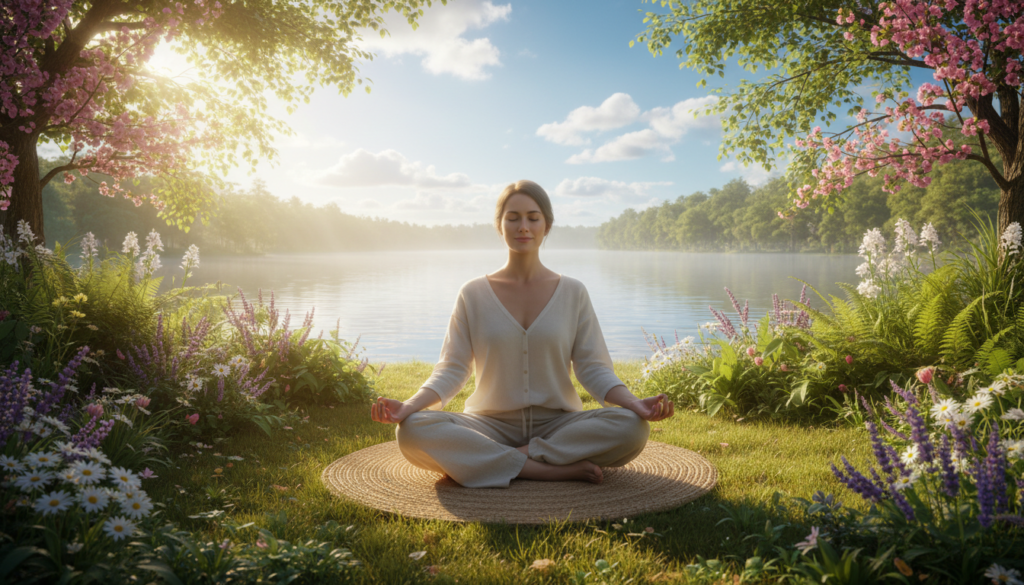
Use this table to sort your thoughts and focus your energy.
| Focus Area | Actionable Step | Expected Outcome |
|---|---|---|
| Personal Habits | Set a morning routine | Increased stability |
| Work Tasks | Complete one priority | Reduced mental clutter |
| Emotional State | Practice self-compassion | Greater inner peace |
Managing Anxiety Through Present-Focused Action
Present-focused living is a practical tool for everyday life. When worry starts, use mindfulness exercises for anxiety relief to focus on your body. Simple deep breathing exercises can ground you in the present.
Doing something tangible is the best way to fight fear. By focusing on a task, you shift from worrying to creating. This change is key to mental clarity and emotional balance.
Integrating Mindfulness Habits into Your Daily Routine
Living mindfully starts with small, daily actions. These habits help you cultivate inner calm, improve focus, and find joy. You don’t need to change your whole life to see results. Just adjust how you do your daily tasks.
Mindful Eating and Daily Chores
Many see household tasks as a chore. But they’re perfect for everyday life. Focus on the water when washing dishes or the fabric when folding laundry.
“Instead of rushing through chores—dishwashing, cleaning the house, doing the laundry—I use that time to be present.”
Mindful eating is a great mindfulness technique. Slow down and enjoy each bite. It makes eating a mindful experience, increasing your appreciation for food and body.
Small Rituals for Maintaining Presence
Looking for simple ways to practice mindfulness daily? Create small rituals. Take three deep breaths before driving or pause to thank before checking email. These daily mindfulness practices for beginners keep you in the moment.
Consistency is key to cultivating mindfulness. Add these habits to your routine. It’s not about being perfect but staying present when your mind wanders.
These mindfulness strategies help you use your time better. As you get better at being mindful, you’ll be able to focus and stay aware more easily. Start these rituals today for a more intentional life.
Enhancing Your Well-Being Through Conscious Living
Your journey to lasting peace starts with choosing to live in the present. By using mental clarity tips, you move from just surviving to thriving. This approach keeps you grounded and connected to yourself, no matter what happens outside.
Cultivating Gratitude for the Present
Gratitude connects you to the present and inner peace. By noticing the small joys, you see the world as full of abundance. This helps you reduce anxiety naturally and stay calm in a busy world.
Gratitude reminds me that no matter how painful a moment is, there is indestructible goodness right here, right now.
By being mindful daily, you find goodness even in tough times. Appreciation keeps your heart steady when life gets tough. These inner peace practices are key to staying calm.
Building a Life of Purpose and Joy
To live a life of purpose, align your actions with your values. When you mindfully live, you make choices that reflect your true self. This is how you live mindfully and create a life filled with joy.
Living consciously brings deep, lasting fulfillment. By focusing on the present, you let go of unnecessary worries. The benefits of mindfulness touch every part of your life, making it richer.
The benefits of living in the now give you the clarity to pursue what truly matters. You have the power to create a life that feels real and full of life. Finding how to be present and happy is the best gift you can give yourself, leading to a balanced and joyful future.
Conclusion
Your journey to a more centered life starts with today’s choices. By focusing on the present, you gain clarity that changes your day. These mindful living tips guide you through life’s challenges with ease.
Every day, you can change your experience through mindfulness. Small changes can lead to big improvements. By living in the moment, you move from reacting to acting with purpose.
Practicing mindfulness daily can greatly improve your mental health. Tools like deep breathing and sensory grounding help you find joy. You deserve a life filled with purpose, not distractions.
Begin your mindful living journey today. With each mindful breath, living in the moment becomes simpler. Your dedication to these tips will lead to a balanced, vibrant life. Embrace the present and see your world change.