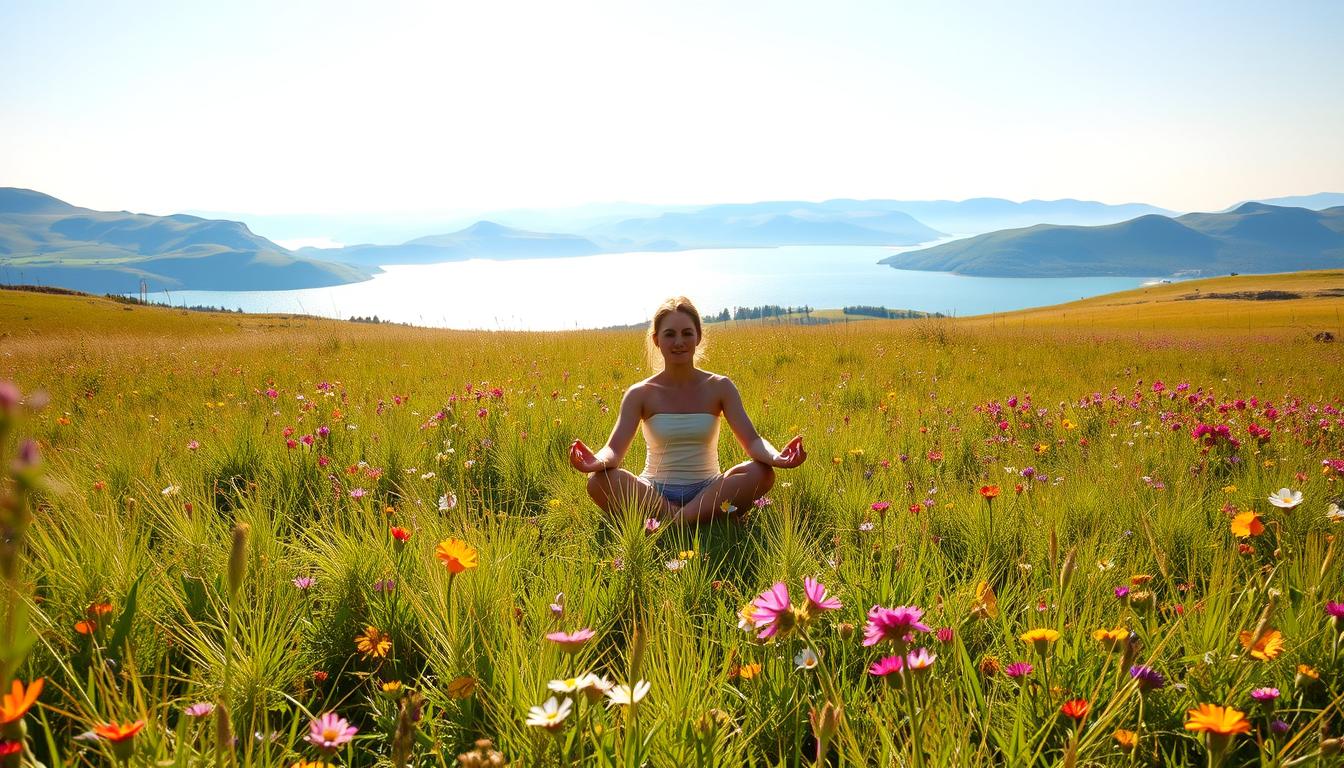
You might think of it as just sitting still. But research shows it changes your brain’s structure. This means it’s a biological shift for your body.
It helps shrink your amygdala, the brain’s main fear center. This change, called neuroplasticity, brings a deep sense of peace and balance.
These changes lead to lasting stress reduction by changing your nervous system. By focusing on calming thoughts, you rewire your body’s response to stress. This leads to a quieter mind today.
Calmness becomes your natural state through these big neurological changes. Start your journey toward a life of better health now. Regular practice improves focus and inner harmony.
Key Takeaways
- Brain structure changes physically through consistent practice.
- The amygdala shrinks significantly, reducing fear responses.
- Neuroplasticity improves your overall emotional well-being.
- Focused breathing helps you maintain internal balance.
- Biological shifts create lasting mental health benefits.
- Regular training helps you handle daily pressure effectively.
1. Beyond the Woo-Woo: The Hard Science of Stress Reduction
Meditation is not just for spiritual folks. It’s backed by science for reducing stress. It doesn’t get rid of stress but helps manage it. This changes how stress affects our mind and body.
Studies show that regular meditation cuts down stress levels. It does this by altering how our bodies respond to stress.
The science behind meditation’s stress relief is complex. It affects our brain and body in many ways. Meditation can lessen the bad effects of stress on us.
| Mechanism | Description | Impact on Stress |
|---|---|---|
| Neurological Changes | Meditation changes brain activity, helping regulate stress. | Reduces stress perception |
| Physiological Response | It lowers cortisol and heart rate, signs of stress. | Decreases physical symptoms of stress |
| Psychological Adaptation | It boosts resilience and coping skills. | Improves mental health outcomes |
Understanding how meditation reduces stress helps us see its value. It’s a key part of keeping our mind and body healthy.
2. How Mindfulness Meditation Reshapes Your Brain Through Neuroplasticity
Mindfulness meditation changes your brain, helping you handle stress better. Neuroplasticity is the brain’s ability to make new connections and adapt. This lets it change based on what you experience.
2.1. What Neuroplasticity Actually Means for Your Stress Response
Neuroplasticity lets your brain change how it handles stress. By practicing mindfulness, you can improve your brain’s ability to focus and manage emotions. This weakens stress and anxiety pathways.
2.2. Brain Imaging Studies Show Measurable Structural Changes
MRI and other studies show that mindfulness meditation changes brain structure. For example, a study in Psychiatry Research: Neuroimaging found that daily mindfulness practice for 8 weeks increased gray matter volume. This is in areas for memory, learning, and emotional control.
2.3. The Timeline: When You Can Expect to See Brain Changes
Even short mindfulness sessions can change your brain. A study showed that 10 minutes a day can reduce stress in the brain. But bigger changes might take weeks or months to show.
Being consistent is important. Regular practice is better than doing it now and then.
3. Shrinking Your Fear Center: How Meditation Changes the Amygdala
Your brain’s fear center, called the amygdala, can change with regular meditation. It’s key to your body’s stress response, triggering the fight-or-flight reaction when it senses danger.
3.1. The Amygdala’s Role as Your Brain’s Alarm System
The amygdala is like your brain’s alarm, always on the lookout for threats. When it finds danger, it starts the stress response. This quick action is vital for survival, but can be a problem if it reacts too much to small threats.
3.2. Research-Backed Evidence of Amygdala Volume Reduction
Research shows that meditation can reduce the size of the amygdala. A smaller amygdala means a weaker stress response, helping you manage stress better.
| Study | Duration | Finding |
|---|---|---|
| Harvard Study (2012) | 8 weeks | Amygdala volume reduction in participants practicing mindfulness meditation |
| University of Wisconsin Study (2014) | 2 weeks | Reduced amygdala activity in individuals with meditation experience |
3.3. What a Smaller Amygdala Means for Your Daily Stress Levels
A smaller amygdala from meditation means less stress. You’ll likely feel less anxious and calmer every day. Regular meditation helps you handle stress better, boosting your overall well-being.
4. The Cortisol Connection: Biological Proof That Meditation Works
Meditation helps manage stress by lowering cortisol levels. Cortisol is called the “stress hormone.” It’s released when you’re stressed, helping your body react to threats.
4.1. Understanding Your Body’s Stress Hormone
Cortisol is important for your body. It helps with metabolism and memory. But too much cortisol can harm your health. It can lead to anxiety, depression, and heart disease.
4.2. Clinical Studies on Meditation and Cortisol Levels
Many studies have examined the relationship between meditation and cortisol. They found that meditation lowers cortisol. This means less stress. People who meditate often have lower cortisol levels than those who don’t.
4.3. Long-Term Benefits of Lower Cortisol
Meditation can reduce the risk of stress-related problems. It helps you handle emotions better and stay resilient. You’ll also be healthier in the long run.
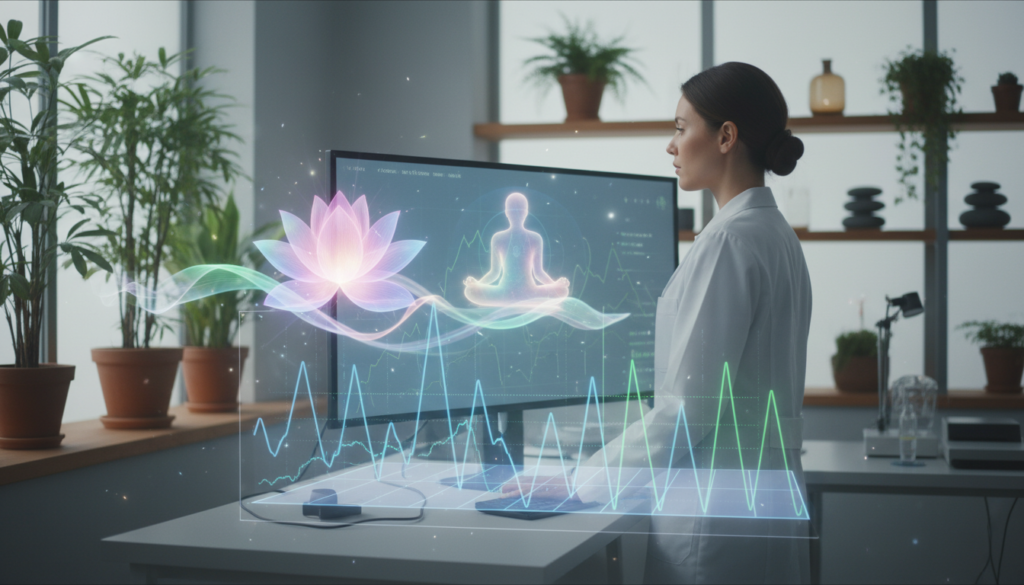
Reducing cortisol through meditation offers many benefits. These include:
- Improved mood stability
- Enhanced cognitive function
- Better sleep quality
Adding meditation to your daily life can greatly improve your well-being.
5. Training Your Brain to Stay Calm Under Pressure
Being calm when things get tough is key to mental strength. Meditation helps a lot with this. When we’re stressed, our brains release stress hormones like cortisol. Mindfulness practice helps us better handle these hormones.
5.1. Creating the Gap Between Trigger and Response
Meditation lets you pause between a stressful event and your reaction. This pause is crucial. It lets you think before acting, unlike acting on impulse. Regular practice makes you more aware of your feelings and thoughts.
5.2. Building Mental Resilience Through Consistent Practice
Regular meditation builds mental resilience. As you meditate more, you become better at managing stress. This isn’t just about getting through tough times. It’s also about bouncing back fast from setbacks.
By making meditation a daily habit, you’re improving your mental health habits. This boosts your stress relief skills. With time, meditation becomes second nature, and your breath becomes a stress relief tool.
6. Getting Started: Your Step-by-Step Guide to Mindfulness Meditation Practice
Starting your mindfulness meditation journey is simple. It involves understanding a few key steps. These steps help you find peace in your mind. You can start with guided meditation and mindfulness techniques.
6.1. Step 1: Find Your Meditation Space and Time
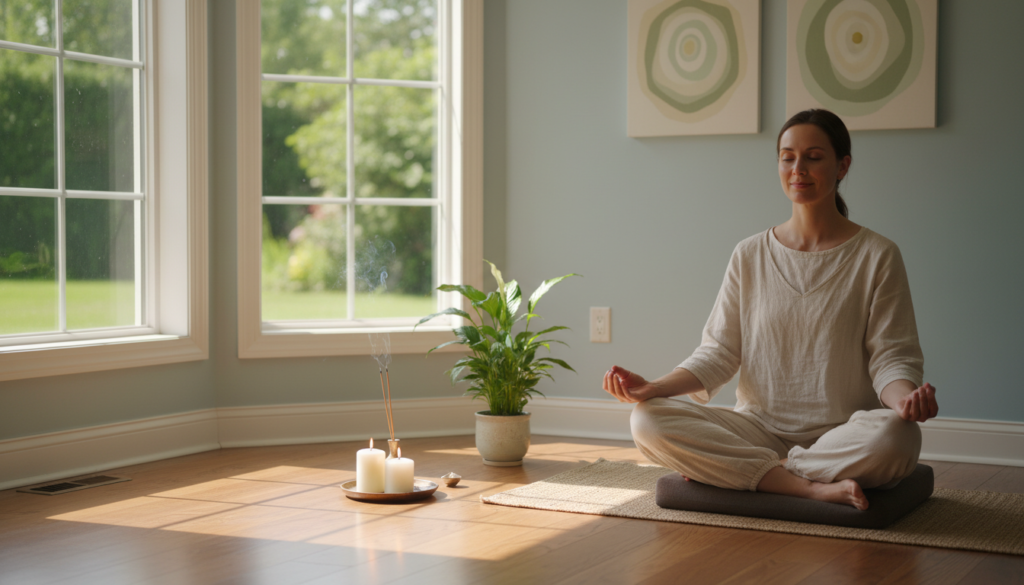
Look for a quiet, comfy spot for meditation. It could be your bedroom, a park, or a meditation room. Pick a time that works for you, like morning or before bed.
6.2. Step 2: Choose a Comfortable Position
Choose a meditation position that feels right for you. It could be sitting on the floor, in a chair, or lying down. Just make sure you stay awake.
6.3. Step 3: Start With Breath Awareness
Start by focusing on your breath. Feel the air going in and out of your nose. Use guided meditation apps or videos to help.
6.4. Step 4: Notice When Your Mind Wanders
As you meditate, your mind will wander. This is okay. The key is to notice when it happens.
6.5. Step 5: Gently Return Your Focus Without Judgment
When your mind wanders, gently bring it back to your breath. Do this without judging yourself. This helps you stay calm and focused.
6.6. Step 6: End Your Session Mindfully
When you’re done meditating, slowly open your eyes. Take a few deep breaths. Notice how you feel before you start your day.
By following these steps, you can make mindfulness meditation a part of your life. It will bring calm and clarity to your days.
7. Essential Mindfulness Techniques for Stress Relief
There are many mindfulness techniques that help reduce stress. These practices can make you feel calmer and more resilient every day.
7.1. Body Scan Meditation for Physical Tension Release
Body-scan meditation is done lying down or sitting comfortably. You focus on each part of your body, starting from your toes and going up to your head. It helps release physical tension and promotes relaxation.
7.2. Focused Breathing Techniques
Focused breathing helps you stay in the present moment. You can use diaphragmatic breathing or count your breaths. These methods calm your mind and lower stress.
7.3. Loving-Kindness Meditation for Emotional Regulation
Loving-kindness meditation, or Metta meditation, builds love, compassion, and kindness. It’s for yourself and others. This practice helps regulate emotions and reduce stress.
7.4. Walking Meditation for Active Practice
Walking meditation focuses on your walking, like feeling your feet touch the ground. It’s a great way to be mindful while moving.
The table below shows these mindfulness techniques and their benefits:
| Mindfulness Technique | Primary Benefit |
|---|---|
| Body Scan Meditation | Releases physical tension |
| Focused Breathing | Calms the mind |
| Loving-Kindness Meditation | Regulates emotions |
| Walking Meditation | Cultivates mindfulness while active |
Adding these mindfulness techniques to your daily life can greatly reduce stress. It also improves your overall well-being.
8. Meditation for Beginners: Building a Sustainable Practice
Starting with meditation is easier than you think. Just follow some simple steps. Remember, building a meditation habit takes time and patience.
8.1. Start Small: The Five-Minute Rule
Start with just five minutes a day. This makes it easy to begin without feeling too much pressure. As you get more comfortable, you can increase the time.
8.2. Using Guided Meditation Apps and Resources
Guided meditations are great for beginners. Apps like Headspace and Calm offer step-by-step guides. They help you get started and stay on track.
8.3. Consistency Beats Duration Every Time
It’s better to meditate a little every day than a lot once a week. Sticking to a daily routine makes meditation a habit.
8.4. Creating Accountability and Tracking Your Practice
Tracking your meditation can help you stay committed. Use a journal or an app to track your progress.
| Tips for Beginners | Description |
|---|---|
| Start Small | Begin with 5-minute daily sessions |
| Use Guided Meditations | Utilize apps like Headspace and Calm |
| Prioritize Consistency | Meditate daily, even if it’s just for a few minutes |
9. Common Mistakes That Sabotage Your Meditation Practice
Starting your meditation journey? It’s key to know the common mistakes that can mess up your practice. Meditation is great for reducing stress, but some mistakes can make it less effective. Knowing these pitfalls helps you keep your practice strong and rewarding.
Expecting Your Mind to Go Completely Blank
Many think you need a blank mind for meditation. But it’s normal for your mind to wander. The goal is to watch your thoughts without judgment. If your mind strays, gently refocus on your meditation object, such as your breath.
Giving Up When You Don’t Feel Immediate Results
Some start meditation hoping for quick results, then get upset when they don’t see them right away. Meditation takes time to get good at, with regular practice. Be patient and keep at it; the benefits will show over time.
Being Too Self-Critical About Your Performance
Being too hard on yourself can block your success with meditation. It’s important to meditate without judgment. Remember, it’s okay if your mind wanders or if you feel like you’re not doing it right.
Practicing Inconsistently or Only When Stressed
Consistency is crucial for a good meditation practice. Meditate regularly, even when you’re not stressed. This builds resilience and boosts your overall well-being.
10. Recognizing Progress: Signs Your Brain Is Changing
As you keep up with your mindfulness meditation, you’ll see small but big changes. These changes show that your meditation is working well. They can happen in many ways, showing your practice is making a difference.
10.1. Physical Indicators of Reduced Stress Response
You might notice your blood pressure is lower, your muscles are less tense, and you sleep better. Meditation helps control your body’s stress response. This leads to a calmer state.
10.2. Mental and Emotional Shifts You’ll Notice
Meditation can change your mind and feelings. You might feel more emotionally strong, happier, and focused. You could handle tough situations better without feeling too stressed.
10.3. Behavioral Changes in High-Pressure Situations
As your brain changes, you’ll act differently in stressful times. You might think before acting, instead of acting on impulse. You’ll feel steadier in tough situations.
Some key signs of progress include:
- Increased calmness in daily life
- Improved ability to focus
- Better emotional regulation
- Enhanced resilience to stress
Mindfulness Meditation: A Path to Lasting Stress Reduction
You’ve learned how mindfulness meditation can change your life. It reduces stress and boosts your well-being. This practice changes your brain, making you calmer and more resilient.
Regular mindfulness meditation can change your brain’s structure and function. It helps you stay calm and respond to stress better. Try body scan, focused breathing, and loving-kindness meditation to see these changes.
Start small and be consistent with mindfulness meditation. It’s not just about reducing stress. It’s about improving your overall well-being. As you keep practicing, you’ll see better stress levels and a better quality of life.