

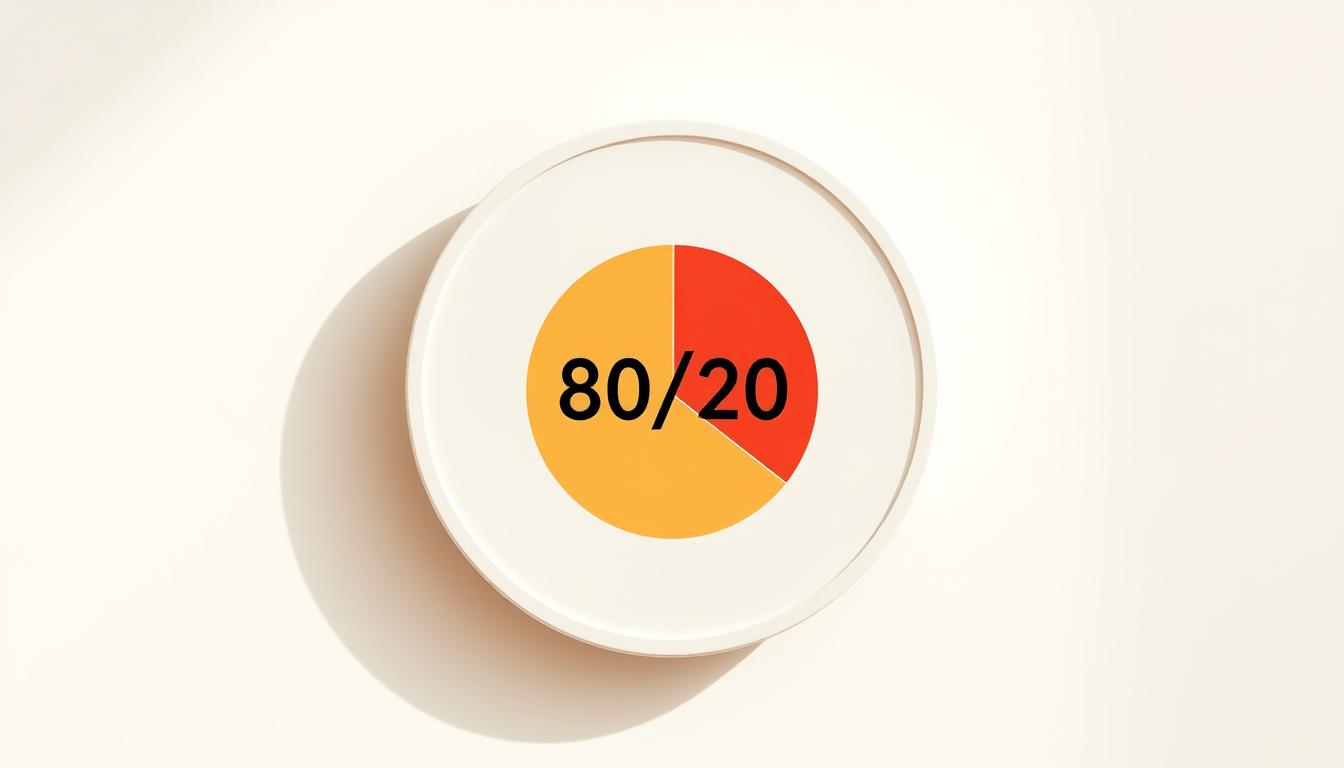
Are you tired of strict dieting? You’re not alone. Many people find it challenging to adhere to strict eating plans. The 80/20 rule offers a better approach, emphasizing consistency over perfection.
This rule means you can spend 80% of your time on healthy habits. Then, enjoy 20% off treats. It’s about having a flexible diet that you can follow, rather than aiming for the perfect diet.
By using this rule, you can avoid the guilt and feeling trapped by strict diets. You’ll learn to enjoy food more healthily. This makes reaching your fat loss goals easier.
Key Takeaways
- Embracing the 80/20 rule can lead to a more balanced approach to eating.
- Focusing on consistency rather than perfection makes it easier to maintain healthy habits.
- A flexible eating plan can help you break free from the cycle of guilt and deprivation.
- This approach can lead to a healthier relationship with food.
- Achieving fat loss goals becomes more manageable with a sustainable eating plan.
The Problem with Perfectionism in Dieting
Dieting with a perfectionist mindset can lead to a cycle of restriction and overeating. Striving for a perfect diet can result in disappointing and frustrating outcomes. This mindset can harm your relationship with food, causing more problems than solutions.
Perfectionism in dieting often means being too strict with food choices. Seeing any slip-up as a failure can increase stress and anxiety. This makes it hard to keep a balanced diet.
Breaking Down the All-or-Nothing Mentality Trap
The all-or-nothing mentality is a common pitfall in dieting. You might feel like you’re either perfectly on track or completely off. This thinking doesn’t account for life’s natural ups and downs.
Common Signs You’re Stuck in Diet Perfectionism
- Feeling guilty after consuming a “forbidden” food
- Strictly adhering to a diet plan without flexibility
- Experiencing anxiety when faced with food choices outside your plan
The Cycle of Restriction and Bingeing
The cycle of restriction and bingeing is a known issue with diet perfectionism. Severe food restrictions may initially lead to weight loss. But, this approach is hard to keep up, causing overeating episodes.
| Diet Approach | Short-Term Effects | Long-Term Consequences |
|---|---|---|
| Perfectionist Dieting | Initial weight loss, feeling of control | Cycle of restriction and bingeing, increased stress |
| Balanced Nutrition | Sustainable weight loss, improved overall health | Long-term weight management, reduced stress around food |
Understanding the dangers of perfectionism in dieting can help you move towards a balanced nutrition approach. Focus on consistent eating and minimize stress related to food choices.
Understanding the 80/20 Diet: A Balanced Approach to Fat Loss
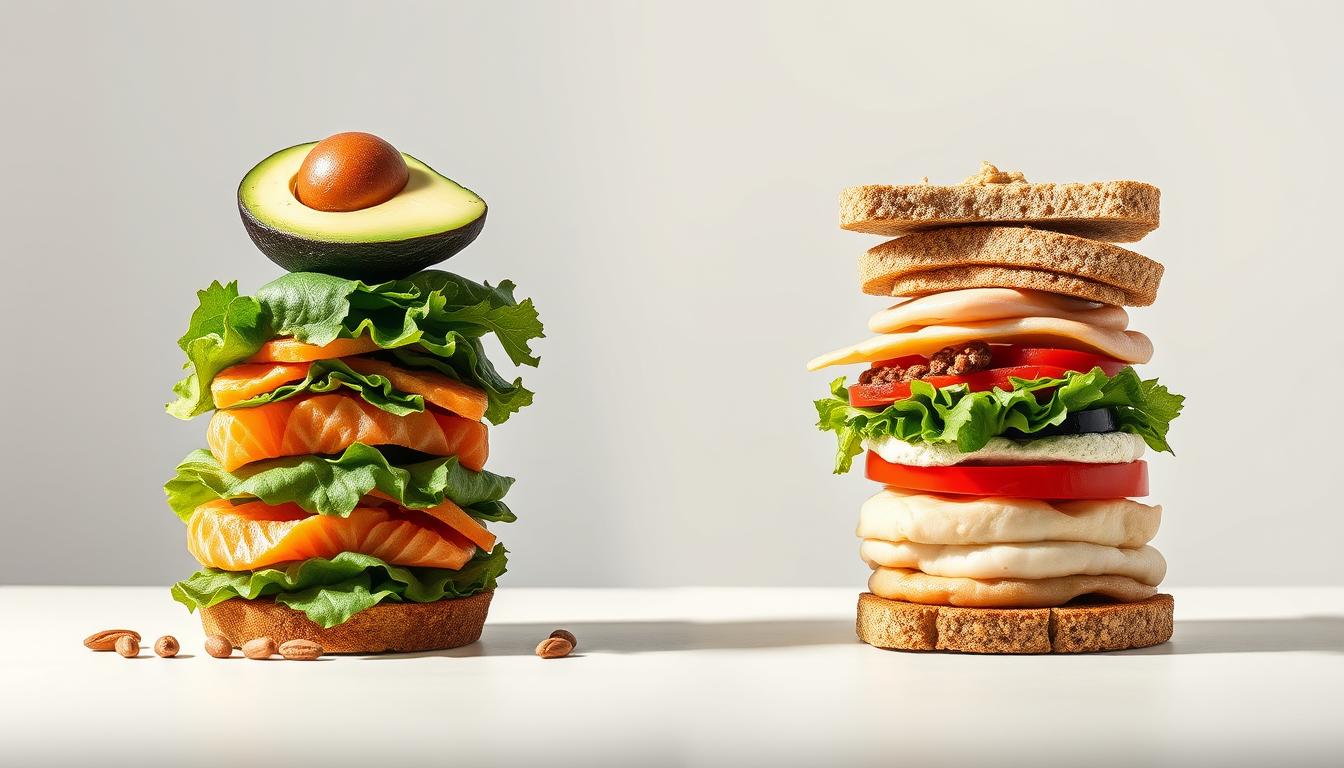
The 80/20 diet can change your eating habits for the better. It’s based on the Pareto Principle, which shows that 80% of results come from 20% of efforts. This means eating healthy foods most of the time and allowing for treats occasionally.
Origins of the Pareto Principle in Nutrition Science
The Pareto Principle originated in economics but is also applicable to nutrition. It shows that a small part of something can have a significant impact. In dieting, it means focusing on healthy eating most of the time.
Defining the Core Components: 80% Nutrient-Dense, 20% Flexible
The 80/20 diet has two main parts:
- 80% Nutrient-Dense Foods: Eat whole, unprocessed foods like veggies, lean proteins, and whole grains.
- 20% Flexible Foods: Enjoy treats or less healthy foods to keep your diet enjoyable.
How the 80/20 Rule Differs from Other Diet Approaches
The 80/20 rule is different from other diets because it’s balanced and flexible. Here’s how it compares to other diets:
Comparison with Clean Eating, IIFYM, and Intuitive Eating
| Diet Approach | Key Features | Flexibility Level |
|---|---|---|
| 80/20 Diet | Balanced, nutrient-dense foods with flexibility | High |
| Clean Eating | Focus on whole, unprocessed foods | Low |
| IIFYM (If It Fits Your Macros) | Macronutrient-based, flexible | High |
| Intuitive Eating | Eating based on hunger and fullness cues | Very High |
As
“The key to successful dieting is not deprivation, but finding a balance that you can maintain in the long term.”
The 80/20 diet is an innovative approach to losing fat and maintaining overall health.
The Science-Backed Benefits of Flexible Dieting
Research indicates that flexible dieting helps individuals adhere to their diets for a longer period. It balances eating healthy foods with the freedom to enjoy treats sometimes. This makes it easier to stick to a diet.
Research on Dietary Adherence and Long-Term Success
Flexible diets are more likely to be followed over time. This method keeps people on track with their eating plans. It leads to better weight management in the long run.
| Dietary Approach | Adherence Rate | Weight Loss Maintenance |
|---|---|---|
| Flexible Dieting | Higher | More Successful |
| Restrictive Dieting | Lower | Less Successful |
How Flexibility Prevents Metabolic Adaptation
Metabolic adaptation occurs when the body becomes accustomed to a diet and burns fewer calories. Flexible dieting stops this by changing calorie intake. It keeps the metabolism active.
Psychological Benefits: Reduced Stress and Food Anxiety
Flexible dieting lowers stress and anxiety from strict eating. It lets people enjoy their favorite foods without guilt.
The Connection Between Dietary Freedom and Mental Well-being
Dietary freedom boosts mental health. Feeling free to choose food reduces stress and anxiety. It leads to better overall mental health.
Key Takeaway: Flexible dieting has many benefits. It improves diet adherence, prevents metabolic adaptation, and boosts mental well-being. It reduces stress and food anxiety.
Identifying Your 80%: Building Your Nutrient-Dense Foundation
Starting a balanced diet means knowing your 80% nutrient-dense foundation. This is key to losing fat and staying healthy.
Essential Protein Sources for Satiety and Muscle Preservation
Protein is vital for your diet. It helps keep muscles strong and keeps you full. You can find protein in:
- Lean meats like chicken and turkey
- Fish and seafood
- Eggs and dairy products
- Legumes and beans
Animal vs. Plant-Based Options
Both animal and plant proteins have their advantages. Animal proteins offer complete proteins and key nutrients. Plant proteins are high in fiber and low in saturated fats. Pick what you like best.
Strategic Carbohydrates for Energy and Performance
Carbs are key for energy and performance. Choose whole, unprocessed carbs like:
- Whole grains
- Fruits
- Vegetables
Healthy Fats for Hormonal Balance and Satisfaction
Healthy fats are essential for balance and feeling full. Include:
- Nuts and seeds
- Avocados
- Olive oil
These fats are good for your health and keep you satisfied.
Micronutrient-Rich Foods for Overall Health Support
Don’t forget about foods rich in micronutrients. Eat lots of fruits, vegetables, and whole grains. They provide essential vitamins and minerals for good health.
Planning Your 20%: How to Incorporate Flexibility Without Derailing Progress
Adding flexibility to your diet doesn’t mean giving up on your goals. It makes them more achievable. The 80/20 rule is about finding a balance, not aiming for perfection. Enjoying your favorite foods can help you have a healthier relationship with food and boost your chances of success over time.
Mindfully Including Your Favorite Foods
Mindful eating is about enjoying your food thoroughly. When you eat your favorite treats, take your time and listen to your body. Portion control is crucial.
Portion Control Strategies for Indulgences
To enjoy your favorite foods without overeating, try these tips:
- Measure out a single serving size
- Eat slowly and mindfully
- Pair indulgences with nutrient-dense foods
Navigating Social Occasions and Restaurant Meals
Social events and eating out can be tough when dieting. Plan by looking at menus online, eat a snack before going, and choose wisely.
Using Planned Indulgences to Prevent Binges and Burnout
Allowing yourself planned treats can stop feelings of deprivation. This can lead to binges. It keeps your diet healthy and balanced.
Creating Your Personalized 80/20 Meal Plan
To reach your fat loss goals, making a custom 80/20 meal plan is key. You need to know your nutritional needs and balance your macronutrients.
Step-by-Step Guide to Calculating Your Fat Loss Calorie Needs
First, figure out your daily calorie needs. This involves determining your basal metabolic rate (BMR) and adjusting it according to your activity level.
- Determine your BMR using a reliable calculator or formula.
- Adjust your BMR based on your activity level (sedentary, lightly active, moderately active, very active).
- Reduce your daily calorie intake by 500 calories to promote fat loss.
Balancing Macronutrients Within the 80/20 Framework
It’s crucial to balance your macronutrients for fat loss. The 80/20 rule helps you stay flexible while eating nutrient-dense foods.
Protein, Carb, and Fat Targets That Support Fat Loss
For fat loss, the right macronutrient balance is key. Here’s a basic guide:
| Macronutrient | Percentage of Daily Calories | Example (2000 calories) |
|---|---|---|
| Protein | 30-40% | 150-200g |
| Carbohydrates | 40-50% | 200-250g |
| Fats | 20-30% | 44-66g |
Sample Weekly Meal Plans for Different Calorie Levels
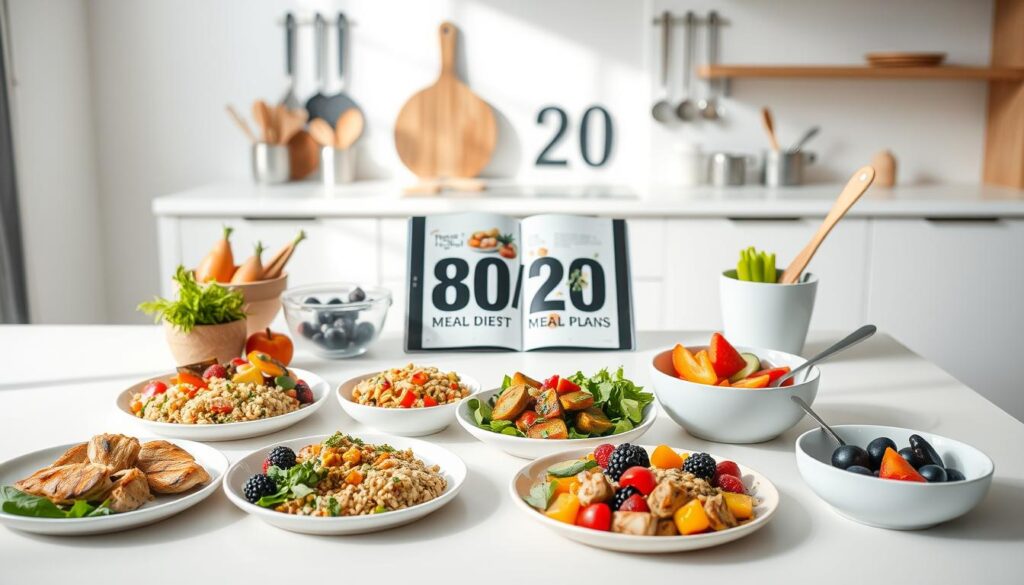
By following these tips and tailoring your meal plan to your needs, you can lose fat in a balanced and sustainable way.
Practical Implementation: Making Sustainable Eating Work in Real Life
To make sustainable eating a part of your life, focus on simple, long-term strategies that are easy to implement and maintain. Develop healthy habits that fit your lifestyle. This way, you can easily maintain a sustainable eating habit.
Simple Tracking Methods That Don’t Promote Obsession
Tracking your food intake can help you stay on track with sustainable eating habits. But it’s key to avoid getting too caught up in it. This can cause stress and burnout.
Apps, Journals, and Mindful Awareness Techniques
There are many tools available to help you track your eating habits. Mobile apps, food journals, or mindful techniques can be helpful. For instance, apps like MyFitnessPal or Lose It! help you log your food. Alternatively, a food journal can provide a more in-depth look at your eating habits.
Meal Prep Strategies for the 80% Portion
Meal prep is essential for maintaining a sustainable eating habit. Preparing healthy meals ahead ensures you meet your nutrient goals. Try cooking in bulk, portioning meals, and using seasonal produce in your plans.
How to Adjust Your Approach Based on Progress
Keep an eye on how your sustainable eating habits are doing. Make changes as you see fit. This may involve adjusting your tracking, meal preparation, or food choices based on your body’s response.
Overcoming Common Challenges with Dietary Consistency
Adhering to a diet can be challenging, but understanding the obstacles can make it easier. As you follow the 80/20 rule for fat loss, you’ll face many challenges. These can test your commitment.
Dealing with Diet Guilt and Food Anxiety
Diet guilt and food anxiety are significant hurdles. To beat them, work on a better food relationship. Allow yourself to enjoy your favorite foods in moderation.
Managing Social Pressure and “Diet Culture” Influences
Social pressure and “diet culture” can sway your food choices. It’s key to find ways to handle social events and resist bad diet pressures.
Strategies for Breaking Through Fat Loss Plateaus
Fat loss plateaus are a common occurrence during weight loss. To overcome them, try adjusting your calorie intake, workout routine, or 80/20 balance.
When to Adjust Your 80/20 Balance
If progress stalls, it’s time to tweak your 80/20 ratio. You might eat healthier foods or adjust your calorie intake.
Recognizing these challenges and knowing how to address them helps keep your diet on track. This way, you can reach your fat loss goals and live a healthier life.
Mindful Eating Practices to Support Your Fat Loss Journey
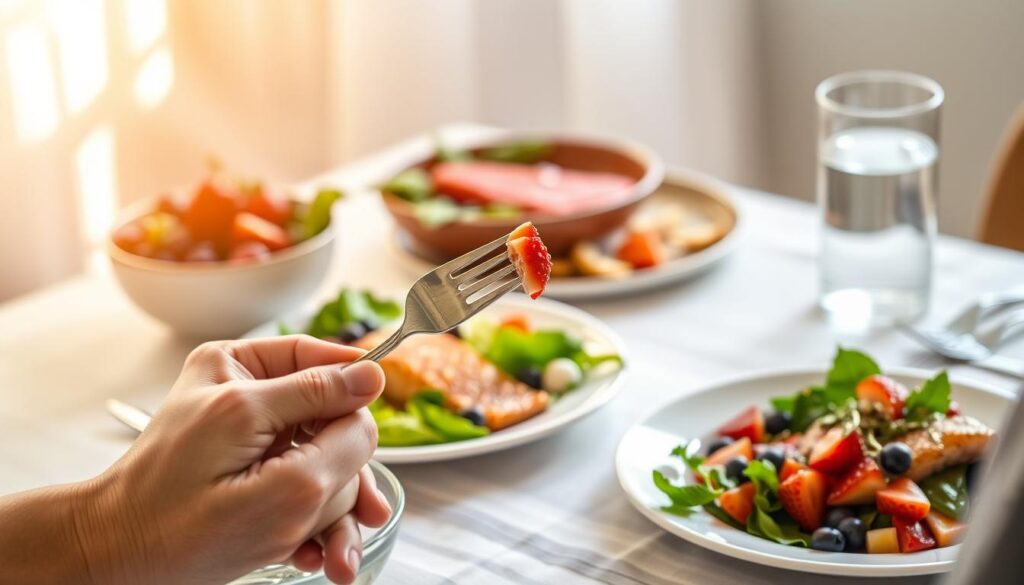
As you work towards losing fat, practicing mindful eating can be particularly helpful. It’s about forming a better relationship with food. You learn to listen to your body’s hunger and fullness signals. And you enjoy every bite.
Recognizing True Hunger vs. Emotional Eating Triggers
Mindful eating helps you distinguish between true hunger and emotional eating. True hunger is physical. Emotional eating often stems from stress, boredom, or other intense emotions. Knowing your hunger cues helps you eat more mindfully.
Techniques for Savoring the 20% Without Overindulging
Mindful eating makes enjoying the 20% flexibility in your diet better. Eat slowly, enjoy the flavors, and stop when you’re just satisfied. This way, you can indulge without going overboard.
| Mindful Eating Technique | Benefit |
|---|---|
| Eating Slowly | Allows for better digestion and satisfaction |
| Savoring Flavors | Enhances enjoyment and reduces overeating |
| Stopping When Satisfied | Prevents overindulgence and supports dietary consistency |
Building Daily Awareness Around Food Choices and Patterns
Being mindful of your eating habits helps you spot patterns. This awareness leads to healthier choices. It supports your fat loss journey and enables you to develop a healthier relationship with food.
Mindful eating is a key part of flexible dieting. It helps keep your diet consistent and prevents overeating. By using these practices, you can make fat loss more sustainable and enjoyable.
Exercise Considerations for Maximizing Your 80/20 Results
Adding the proper exercise to your 80/20 diet can significantly aid in losing fat. Exercise not only burns calories but also boosts your metabolism and improves your body’s shape.
Complementary Workout Strategies for Fat Loss
Combining resistance training with cardio exercises is crucial for losing fat. Resistance training builds muscle, which helps maintain a healthy metabolism.
Timing Nutrition Around Exercise for Optimal Results
When you eat before or after working out matters a lot. Eating a meal with a combination of protein and carbohydrates before exercise can help you perform better.
Adjusting the 80/20 Ratio for Highly Active Individuals
If you’re very active, you might need to tweak the 80/20 diet. You may need to increase the 20% part to match your energy usage.
Real-Life Success Stories: Transformations Through Balanced Nutrition
Embracing the 80/20 diet can lead to significant changes. It’s all about finding balance, not aiming for perfection. This makes losing weight and staying healthy easier and more lasting.
Before and After: Physical and Psychological Changes
People who adhere to the 80/20 diet experience significant changes. They lose weight and improve their overall health and fitness. They also feel less stressed about food and have a healthier view of eating.
Key Lessons from Long-Term 80/20 Practitioners
Those who keep their weight off share essential tips. They say being flexible and not too strict is key. It’s okay to enjoy treats sometimes without ruining your diet.
Common Patterns Among Those Who Maintain Results
Examining success stories reveals some common traits. They track their food, stay active, and eat well. These habits help them keep their weight off and stay healthy.
| Pattern | Description | Benefit |
|---|---|---|
| Consistent Tracking | Regular monitoring of food intake | Maintains awareness and control |
| Regular Physical Activity | Engaging in exercise routines | Enhances fat loss and overall health |
| Balanced Nutrition | Focusing on nutrient-dense foods with flexibility | Supports long-term sustainability |
By following these patterns and using the 80/20 diet, you can live a healthier life. And you can keep your results for a long time.
Conclusion: Embracing Consistency Over Perfection for Lifelong Results
Embracing a balanced and flexible nutrition approach is key to lasting success with the 80/20 diet. Focus on being consistent rather than perfect. This makes your eating plan sustainable and stress-free.
By doing this, you can enjoy your favorite foods in moderation. You’ll also keep a diet rich in nutrients.
The 80/20 rule is a liberating way to avoid strict diets. It allows you to eat 80% nutrient-dense foods and 20% of what you enjoy. This breaks the all-or-nothing mindset and helps you develop a healthier relationship with food.
This balanced approach supports your weight loss goals and enhances your overall well-being. It also reduces stress.
By following the tips in this article, you can make your eating habits more consistent and easier to keep up. With no stress and a mindful eating approach, you’ll better handle life’s challenges. You’ll also stay on track with your nutrition goals.
Your writing style is engaging and easy to follow. Keep it up!
I enjoyed reading this article. Thanks for sharing your insights.
Helpful and well-paced. Looking forward to your next post.