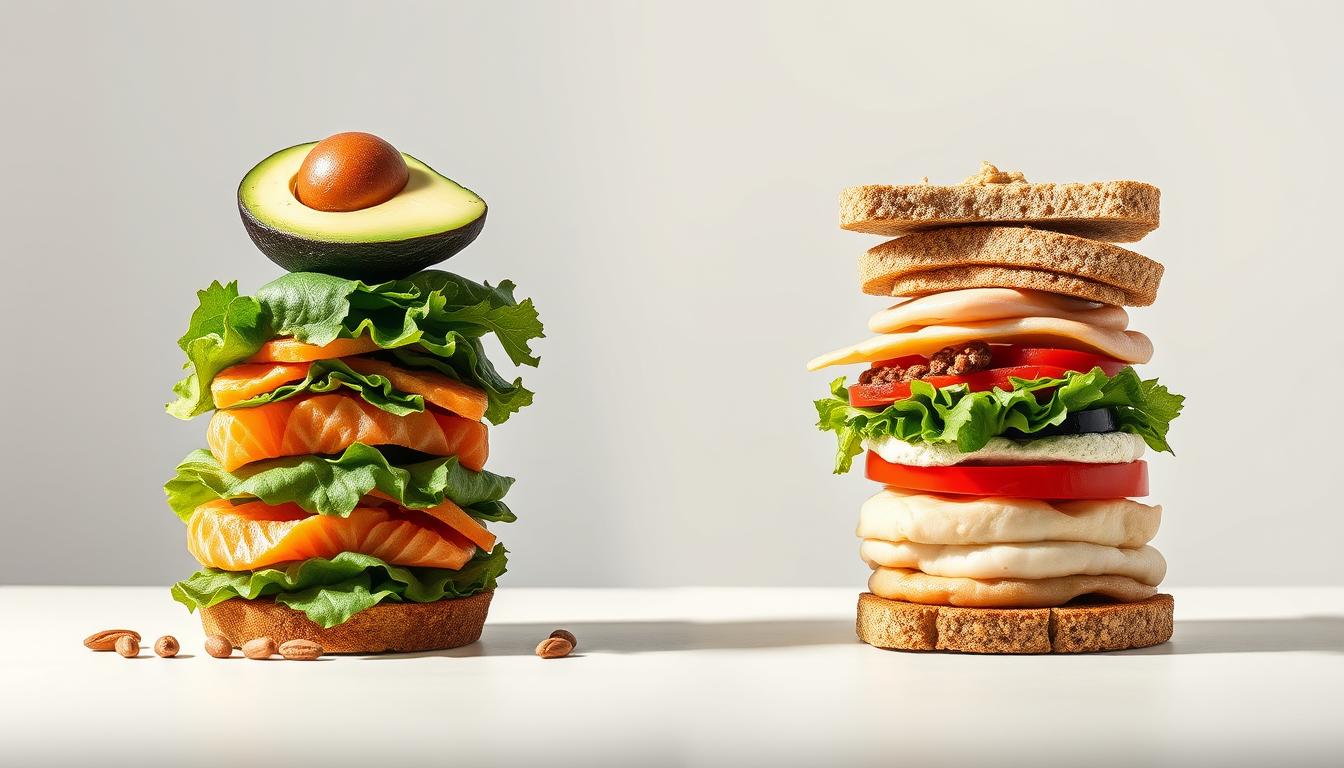
Do you feel like your wellness journey is just about what you can’t eat? Traditional dieting often means cutting out foods, leaving you feeling hungry and frustrated. But, there’s a better way called crowding out nutrition.
This approach focuses on adding good foods to your diet, not just cutting out bad ones. By choosing nutrient-rich foods like fresh greens, lean proteins, and water, you make room for better choices. This way, you naturally eat less of foods that don’t help your goals.
This method is key to building healthy habits. It helps you balance your diet without strict rules. As you get used to eating better, you’ll naturally want to avoid unhealthy foods. Your diet will become more vibrant and balanced over time.
Key Takeaways
- Focus on adding beneficial items to your meals rather than subtracting favorites.
- Use the principle of displacement to naturally reduce intake of processed items.
- Prioritize whole, nutrient-dense ingredients to improve your overall energy levels.
- Build sustainable routines by making small, positive changes every single day.
- Avoid the psychological stress of restriction by adopting an abundance mindset.
Understanding the Psychology of Food Displacement
The crowding out method is based on a simple yet powerful idea. It focuses on addition rather than subtraction to change your eating habits. This method challenges the usual diet culture that focuses on cutting out foods.
Traditional diets often make you feel guilty and lead to eating more than you should. The crowding out method, on the other hand, builds a positive relationship with food. It does this by adding nutrient-rich foods to your diet.
Why Traditional Restriction Often Fails
Restrictive diets can make you feel deprived and increase your cravings for foods you shouldn’t eat. This can make you go back to old eating habits.
Also, these diets don’t solve the real reasons behind unhealthy eating. By focusing on what you can’t have, you might become more obsessed with food.
The Science Behind Crowding Out Nutrition
The crowding out method works by making healthy, nutrient-dense foods more common in your diet. This makes less healthy foods less noticeable. It uses your body’s natural feeling of fullness and satisfaction.
Studies have found that diets high in fiber and water make you feel fuller and eat fewer calories.
Shifting Your Mindset from Subtraction to Addition
To use the crowding-out method, you need to shift your thinking from restriction to abundance. Focus on the variety of healthy foods you can enjoy.
This change not only improves your nutrition but also helps you have a better relationship with food. It’s key for lasting, sustainable weight loss and keeping up healthy eating habits.
Assessing Your Current Dietary Habits
To make meaningful changes to your diet, start by understanding your current eating habits. Look at your daily food choices without judgment. Identify patterns that may affect your health.
Assessing your dietary habits requires honesty and awareness. Track your food intake for a few days. Write down everything you eat and drink, including portion sizes and the time of day. This will help you identify your baseline nutritional intake and understand how your diet aligns with your health goals.
Identifying Your Baseline Nutritional Intake
Understanding what you typically eat is vital. Look for patterns in your food diary, such as frequent consumption of processed foods or skipping meals. This awareness will help you pinpoint areas for improvement in your nutrition habits.
Recognizing Triggers for Unhealthy Snacking
Pay attention to when and why you snack. Are you eating out of boredom, stress, or habit? Identifying triggers can help you develop strategies to manage them, leading to healthier dietary choices.
Setting Realistic Goals for Habit Formation
Once you have a clear understanding of your current dietary habits, it’s time to set realistic goals. Start with small, achievable changes that you can maintain over time. For example, you might aim to include a serving of fruits or vegetables in every meal or replace sugary drinks with water. Setting realistic goals helps in forming sustainable, health-conscious behavior.
By following these steps, you’ll be well on your way to making informed decisions about your diet and developing healthier eating habits. Remember, the key is to focus on addition rather than subtraction, crowding out less healthy options with nutrient-dense foods.
Prioritizing Nutrient-Dense Foods for Daily Meals
Focus on nutrient-dense foods in your meals to avoid unhealthy options. These foods are packed with vitamins, minerals, and other good stuff but are low in calories. They’re key to a balanced diet and good health.
To make nutrient-dense foods a priority, learn about their benefits. Eating whole foods like fruits, veggies, whole grains, lean proteins, and healthy fats boosts your nutrition.
The Role of Fiber in Satiety
Fiber helps you feel full and prevents overeating. Foods rich in fiber, like whole grains, legumes, and some veggies, digest slowly. This keeps you feeling full longer.
Some high-fiber foods to include in your diet are:
- Legumes (lentils, chickpeas, black beans)
- Whole grains (quinoa, brown rice, whole wheat bread)
- Vegetables (broccoli, carrots, Brussels sprouts)
- Fruits (apples, berries, oranges)
Incorporating High-Volume, Low-Calorie Vegetables
Adding high-volume, low-calorie veggies to your meals boosts satiety without adding many calories. These veggies are filling and nutrient-rich.
Examples of high-volume, low-calorie vegetables include:
- Leafy greens (spinach, kale, lettuce)
- Cruciferous vegetables (cauliflower, cabbage, broccoli)
- Other vegetables (bell peppers, cucumbers, tomatoes)
Selecting Quality Proteins to Stabilize Blood Sugar
Choosing quality proteins helps keep blood sugar stable and makes you feel full. Proteins digest slower than carbs, helping keep blood sugar steady.
Good sources of quality proteins include:
- Lean meats (chicken, turkey, lean beef)
- Fish and seafood (salmon, tuna, shrimp)
- Plant-based proteins (lentils, chickpeas, tofu)
- Dairy and eggs (Greek yogurt, eggs, cottage cheese)
By focusing on these nutrient-dense foods, you can make meals that support your health and well-being.
Mastering the Art of Hydration as a Foundation
Drinking enough water is a simple yet effective way to support your dietary goals. It helps you tell the difference between thirst and hunger. Often, our bodies can confuse thirst with hunger, leading to unnecessary snacking. By staying hydrated, you can avoid misinterpreting these signals and make more informed choices about your food intake.
Influence of Water Intake on Hunger Cues
Research has shown that sometimes, thirst can be mistaken for hunger. Drinking enough water can minimize misread signals and reduce unnecessary snacking. Staying hydrated is crucial for maintaining a healthy appetite and avoiding overeating. When you’re well-hydrated, you’re more likely to recognize true hunger cues, making it easier to manage your calorie intake.
Replacing Sugary Beverages with Nutrient-Rich Alternatives
One of the most effective ways to improve your hydration is by replacing sugary drinks with water or other nutrient-rich beverages. Sugary beverages not only contribute to excessive calorie intake but also can lead to a range of health issues, including obesity and diabetes. By choosing water or low-calorie drinks, you can significantly reduce your sugar intake and support your overall health.
Consider the following alternatives to sugary beverages:
- Infused water with fruits or herbs
- Unsweetened tea or coffee
- Low-fat milk or unsweetened plant-based milk
- Seltzer water with a squeeze of fresh fruit
Strategies for Consistent Daily Hydration
Maintaining consistent daily hydration requires some planning and habit formation. Here are some strategies to help you stay on track:
| Strategy | Description | Benefit |
|---|---|---|
| Carry a water bottle | Having a water bottle with you throughout the day | Encourages frequent sipping |
| Set reminders | Use your phone or a hydration app to remind you to drink water | Helps establish a regular hydration routine |
| Monitor your intake | Track your water consumption to ensure you’re meeting your daily goals | Provides a sense of accomplishment and motivates continued hydration |
By implementing these strategies and prioritizing hydration, you can support your dietary goals and enhance your overall health. Remember, staying hydrated is a foundational aspect of a healthy lifestyle, and with consistent practice, it can become a sustainable habit.
Implementing the Crowding Out Method in Your Kitchen
To start the crowding out method, focus on your kitchen. Making a few changes in your kitchen habits can help you eat healthier.
Strategic Grocery Shopping for Healthy Habit Formation
First, stock your kitchen with healthy foods. Start with strategic grocery shopping. Make a list of whole foods to avoid impulse buys.
- Buy high-fiber foods like fruits, vegetables, and whole grains.
- Add lean proteins and healthy fats to your list.
- Stay away from processed and packaged foods.
Being smart about grocery shopping helps create a healthy kitchen environment.
Meal Planning Strategies to Ensure Nutrient Balance
Meal planning is key to the crowding-out method. Planning meals ahead ensures balanced nutrition and avoids unhealthy choices.
Here are some meal planning tips:
- Use seasonal produce for freshness and variety.
- Prep meals early to save time.
- Balance protein, healthy fats, and carbs in each meal.
Preparing Grab-and-Go Healthy Options
Having grab-and-go healthy foods is essential. Prepare:
- Overnight oats or breakfasts for a quick start.
- Salads or lunches for easy, healthy meals.
- Healthy snacks like cut veggies, fruits, and nuts.
These options help you avoid unhealthy choices and stay on track.
Navigating Social Situations and Dining Out
You don’t have to choose between enjoying social dining and eating healthily. The right approach can help you do both. Social situations and dining out are part of life. With the right strategies, you can keep your dietary choices while enjoying others’ company.
Applying Food Displacement Principles at Restaurants
When dining out, using food displacement principles can change the game. This means making choices that prioritize nutrient-dense foods over less healthy options. Start by ordering a salad or a vegetable-based appetizer to crowd out less healthy choices.
- Opt for dishes that feature vegetables as the main ingredient.
- Choose lean proteins and whole grains whenever possible.
- Be mindful of portion sizes and consider sharing a meal or taking some home.

Managing Social Pressure While Maintaining Dietary Choices
Social pressure can be a big challenge when trying to stick to your diet. Friends or family might tempt you with unhealthy options. It’s important to stay committed to your goals while being gracious and respectful of others.
Plan ahead by eating a nutritious meal before social gatherings. This way, you’re not tempted by unhealthy snacks. You can also offer to bring a healthy dish to share, ensuring there’s at least one option that aligns with your dietary preferences.
Balancing Indulgence with Nutrient-Packed Meals
It’s unrealistic to never indulge in less healthy foods, especially in social situations. The key is to balance indulgence with nutrient-packed meals. If you know you’ll be having a richer meal in the evening, try to make healthier choices throughout the day.
“The key to maintaining a healthy diet is not deprivation, but balance. Allowing yourself the freedom to enjoy your favorite foods in moderation can make it easier to stick to your overall healthy eating plan.”
By being mindful of your overall dietary pattern, you can enjoy social dining while still making progress toward your health goals.
Overcoming Common Challenges in Dietary Transitions
Dietary transitions can be tough, but knowing the common obstacles helps. As you move towards a healthier diet, you’ll face challenges. These need careful planning and mental readiness.
Dealing with Cravings During the Adjustment Period
Cravings are normal when changing your diet. They can come from emotions, social settings, or body needs. It’s key to find out why you crave certain foods and how to handle them.
Try new, healthier foods to change your taste preferences. For example, choose fruits or dark chocolate when you want something sweet. This way, you avoid processed sweets.
Adjusting Your Palate to Less Processed Foods
Getting used to whole foods can be hard, especially if you’re used to processed foods. But your taste buds can change with time and healthier foods.
Start by adding more whole foods to your meals. Include vegetables, fruits, whole grains, and lean proteins. Use herbs and spices to flavor your food instead of processed seasonings.
Maintaining Consistency When Life Gets Busy
Keeping up with healthy eating can be tough when life is busy. Planning ahead is crucial. Set aside time each week for meal prep, making a grocery list, and shopping for healthy foods.
Having a well-stocked pantry and fridge helps a lot. Prepare healthy, easy-to-take meals or snacks.
| Challenge | Strategy | Benefit |
|---|---|---|
| Cravings | Gradually introduce healthier alternatives | Reduces withdrawal symptoms and satisfies nutritional needs |
| Adjusting to less processed foods | Incorporate whole foods and experiment with herbs and spices | Enhances flavor appreciation and nutritional intake |
| Maintaining consistency | Meal prep, grocery planning, and having healthy snacks | Saves time, reduces stress, and supports dietary goals |
Tracking Progress Beyond the Scale
Starting a new diet is exciting, but it’s important to look beyond the scale. Weight loss is great, but it’s not everything. Looking at other health areas gives a fuller picture of your progress.
Monitoring Energy Levels and Mental Clarity
Feeling more energetic is a big plus of a healthy diet. Swapping out bad foods for good ones boosts your energy. Improved mental clarity also happens, thanks to a diet that’s good for your brain.
“I’ve never felt more focused and alert,” many say after changing their diet. This is thanks to foods full of omega-3s, antioxidants, and more.
Evaluating Improvements in Digestion and Sleep
A better diet can also improve your digestion and sleep. Eating more fiber and nutrient-rich foods can ease digestive issues. Better sleep is another plus, as a balanced diet helps regulate sleep.

Celebrating Non-Scale Victories in Health-Conscious Behavior
It’s key to celebrate small wins, like more energy, better digestion, and clearer thinking. Acknowledging these victories keeps you motivated and on track with your health goals.
“The key to success is not just about reaching your goal, but about maintaining the habits that got you there.”
By focusing on the good changes and benefits, you build a healthier relationship with food and your body.
Conclusion
The crowding out method is a smart way to live healthier by adding good things, not just cutting out bad ones. It’s about making small, thoughtful changes. These changes help you find a better balance with food.
Focus on eating nutrient-rich foods and drinking plenty of water. Also, learn to handle social eating situations well. This way, you’re on the path to mindful, sustainable eating. It’s not about missing out; it’s about making your diet better and keeping it that way.
Keep moving forward by celebrating small wins, not just weight loss. Things like more energy and clearer thinking are important too. By using the crowding out method every day, you’re getting closer to a healthier, happier you.