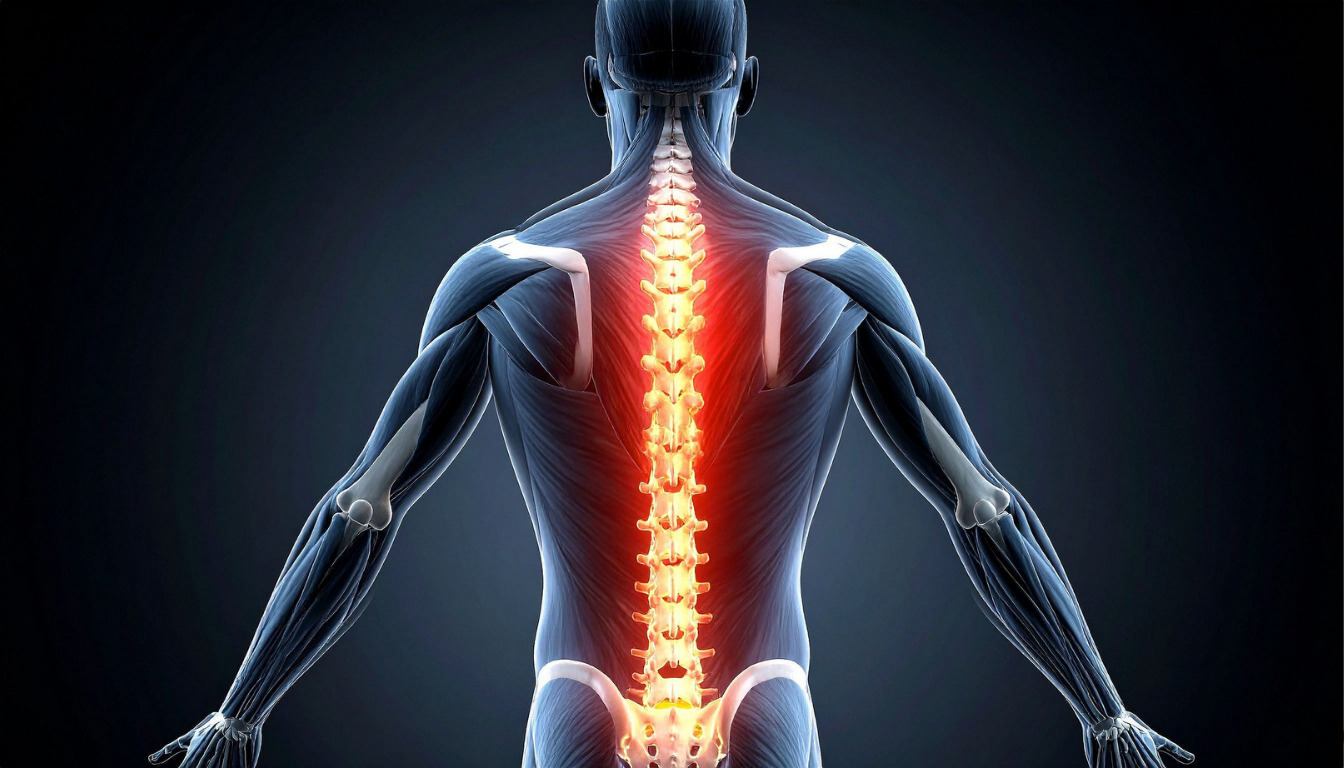
You spend a lot of time sitting, whether it’s at a desk, in a car, or on a couch. This can lead to poor spinal alignment and chronic discomfort. It’s essential to strengthen your core to keep your spine healthy and prevent injuries.
Dr. Stuart McGill, a top expert in spine biomechanics, says specific exercises are key. The “Big Three” – the modified curl-up, side plank, and bird dog – are essential for a healthy spine.
This article will show you three daily exercises to improve your spinal alignment and lower injury risk. By adding these simple exercises to your daily routine, you can help keep your spine healthy.
Key Takeaways
- Strengthening your core is essential for spinal health.
- The “Big Three” exercises are crucial for building core stability.
- Daily exercises can improve spinal alignment and reduce the risk of injury.
- Consistency is key to long-term spinal health.
- Simple exercises can be incorporated into your daily routine.
Understanding the Modern Back Pain Epidemic
The world is seeing more back pain than ever before. This is linked to our sedentary lifestyles. We spend a lot of time sitting and staring at screens, putting strain on our bodies.
The Sedentary Lifestyle Trap
Sitting too much can lead to back pain. It weakens our core muscles, which are key for spine support. Studies show that moving and exercising can lower the risk of back pain. But many of us sit for hours without taking breaks.
How Poor Posture Affects Your Overall Health
Poor posture also causes back pain. Slouching or sleeping in bad positions stresses our spine and discs. This stress can cause long-term pain. It can also lead to breathing and digestive problems due to organ compression.
Dr. McGill’s research shows that good posture and core exercises are key. They help prevent and treat back pain. By understanding the causes of back pain and taking action, you can improve your spinal health and overall well-being.
The Connection Between Core Strength and Spinal Health
Core strength and spinal health are closely linked. Your core muscles are key to supporting your spine. A strong core helps maintain proper posture and prevents back pain.
Your Core: More Than Just Abs
Many think core strength is just about strong abs. But your core includes many muscles around your torso. Dr. Stuart McGill’s research shows that core strength involves all muscles that support the spine. This broader view is key to exercises that help your spine.
How a Strong Core Supports Your Spine
A strong core gives your spine the stability it needs. Weak core muscles can cause poor posture and back pain. By strengthening your core muscles, you can improve your posture and reduce the risk of back pain.
| Muscle Group | Function | Role in Spinal Health |
|---|---|---|
| Abdominals | Flexion and stabilization | Supports the anterior (front) portion of the spine |
| Back Extensors | Extension and stabilization | Supports the posterior (back) portion of the spine |
| Pelvic Floor Muscles | Stabilization and support | Provides foundational support for the spine |
The Science Behind Effective Back Pain Relief and Posture Correction
Research gives us insights into back pain relief and posture correction. It helps us understand how to care for our spines. This knowledge lets us make wise choices for our health.
Research-Backed Approaches to Spine Health
Studies reveal that specific exercises can significantly help with back pain and posture. The “Big Three” exercises, like the curl-up, side bridge, and bird dog, are efficient. They strengthen the core and stabilize the spine, preventing injuries and pain.
A chiropractor can give you tailored advice based on your health. They focus on preventive fitness to improve spinal health.
- Targeted exercises to strengthen core muscles
- Stretching to improve flexibility and reduce muscle tension
- Posture correction techniques to promote proper spinal alignment
Why Consistency Trumps Intensity for Back Health
While intense workouts might feel good, being consistent is better for your back. Regular, proper exercise is more effective than occasional, intense exercise.
Consistency leads to:
- A strong core and better spinal stability
- More flexibility and less muscle tension
- Long-term posture improvement and lower back pain risk
Adding back pain relief exercises to your daily routine can bring lasting benefits. It improves your spinal health over time.
Before You Begin: Preparing for Your Daily Spine Routine
Getting ready for your daily spine routine is more than just knowing the exercises. It’s about setting up the right conditions for effective practice. This is key to getting the most out of your back pain relief exercises and ensuring they’re safe and fun.
Creating a Comfortable Exercise Space
To start, you need a comfy exercise space. Look for a quiet spot where you can move easily. Use a non-slip mat and wear stretchy clothing. Good air flow and a comfortable temperature also help.
By making your space the best it can be, you can focus better on your spine health and back exercise routine.

When to Consult a Professional
Even though the exercises are safe and sound for most people, it’s smart to know when to see a pro. If you’ve had severe back injuries, chronic pain, or recent surgeries, talk to a doctor or physical therapist first. They can give you advice and make changes that fit your needs, ensuring your safety and helping you get the most out of your practice.
Exercise 1: The Cat-Cow Flow for Spinal Mobility
Improve your spinal mobility and reduce your risk of lower back pain with the Cat-Cow Flow. It’s a simple exercise for all fitness levels. It’s also a key part of many physical therapy plans, helping to boost spine flexibility and strength.
Step-by-Step Instructions
To do the Cat-Cow Flow right, follow these steps:
Starting Position
Start on your hands and knees. Make sure your wrists are under your shoulders and your knees are under your hips. Keep your core muscles tight to support your back.
Movement Execution
Inhale and arch your back, lifting your tailbone and head up (the “Cow” position). Exhale and round your back, tucking your chin and tailbone down (the “Cat” position). Move smoothly, matching your breath with your movements.
Common Mistakes to Avoid
Avoid these common mistakes in the Cat-Cow Flow:
- Don’t let your hips sag or back arch too much in the “Cow” position.
- Make sure to breathe with the movement.
- Keep your core engaged to avoid straining your lower back.
By avoiding these mistakes, you’ll get the most from the exercise and stay safe.
Modifications for Different Fitness Levels
The Cat-Cow Flow can be changed to fit different needs:
- Use a cushion under your knees if they’re sensitive.
- Try it on your forearms if you have wrist problems.
- If you’re pregnant or have spinal issues, talk to a healthcare provider or physical therapist for special changes.
These tweaks make sure the Cat-Cow Flow is safe and effective for you.
Exercise 2: The Bird-Dog for Core Stability and Balance
The Bird-Dog exercise is excellent for improving posture and easing back pain. It’s one of Dr. McGill’s “Big Three” exercises. These exercises focus on strengthening your core and improving balance, which are key for a healthy back.
Step-by-Step Instructions
To do the Bird-Dog exercise right, follow these steps:
Starting Position
Start on your hands and knees. Your hands should be shoulder-width apart, and your knees under your hips. Keep your back flat and your core tight.
Movement Execution
Lift your right arm and left leg off the ground at the same time. Hold them straight for a few seconds. Make sure your back stays stable and your core is tight. Then, lower them back down. Lift your left arm and right leg next.
Common Mistakes to Avoid
When doing the Bird-Dog exercise, avoid these common mistakes:
- Don’t let your back arch or sag. This can strain your spine.
- Don’t lift your arm or leg too high. This can throw off your balance and mess up your form.
- Always keep your core engaged. This is key to staying stable during the exercise.
Modifications for Different Fitness Levels
The Bird-Dog exercise can be adjusted for different fitness levels. Beginners can start by lifting one limb at a time. This is easier. For more advanced players, try switching sides quickly or adding more movements to make it harder.
Adding the Bird-Dog exercise to your daily routine can significantly improve your core stability and balance. This helps improve posture and reduce back pain.
Exercise 3: Plank Variations for Total Core Strength
Plank exercises are key to a strong core. They help your back and improve stability. Adding different plank variations to your workout can strengthen your core, improve your posture, and reduce your risk of back pain.
Step-by-Step Instructions
Starting Position
Start in a push-up position with hands shoulder-width apart and arms straight. Pull your navel towards your spine to engage your core. Make sure your body is straight from head to heels.
Movement Execution
Hold the plank for as long as you can, maintaining proper form. Start with short holds and increase time as you get stronger. You can change the plank by moving your arms or legs, or adding movements.
Common Mistakes to Avoid
It’s essential to avoid mistakes in plank exercises. These mistakes can hurt your form and make the workout less effective. Here are some common ones:
- Letting your hips sag or rise too high can put strain on your lower back.
- Failing to engage your core muscles reduces the impact of the exercise on your core strength.
- Holding your breath can lead to unnecessary tension and decreased performance.
Modifications for Different Fitness Levels
Plank exercises can be changed to fit different fitness levels. This way, everyone can enjoy the benefits. Here are some examples:
| Fitness Level | Modification | Benefits |
|---|---|---|
| Beginner | Knee Plank | Reduces strain on the lower back, making it more accessible for beginners. |
| Intermediate | Side Plank | Targets the obliques to improve overall core strength and stability. |
| Advanced | Plank with Leg Lift | Increases the challenge to the core muscles, enhancing strength and endurance. |
By adding these plank variations to your workout and focusing on form, you can boost your core strength. This will help your back health and overall stability.
Creating Your Daily Routine for Long-Term Back Pain Relief and Posture Improvement
To see lasting results, it’s essential to add these exercises to your daily routine. Being consistent is crucial for long-term back pain relief and better posture.
Morning vs. Evening Exercise: What Works Best
The timing of your workouts matters for back pain relief. Studies show that morning and evening exercises have their own perks. Morning exercises boost your energy and set a good day tone. Evening exercises help relax you and get your body ready for sleep. Choose the time that works best for you to keep up with your routine.
Combining Exercises for Maximum Benefit
Mixing the exercises from this article can give you the best results. Start with Cat-Cow Flow to loosen your spine. Then, do Bird-Dog to work your core. Finish with a Plank to strengthen your core. This mix helps improve your spinal health and posture.

Tracking Your Progress Over Time
Keeping track of your progress is key to staying motivated. Use a journal or fitness app to log your workouts and any changes in pain or posture. Reviewing your progress helps you see what works and make needed changes.
By adding these exercises to your daily routine and tracking your progress, you can see significant improvements in back pain relief and posture. This will boost your overall fitness and health.
Conclusion: Your Path to an Injury-Proof Spine
Adding the “Big Three” exercises to your daily routine is a big step towards a healthy spine. These exercises, such as the Cat-Cow Flow, Bird-Dog, and Plank Variations, support your back health. They also help prevent injuries.
Sticking to these exercises every day will improve your posture and reduce back pain. Always listen to your body and see a chiropractor if you have concerns or health issues.
By making these exercises a regular part of your life, you’re on the path to better spine health. You’ll enjoy a life without back pain. Start your journey now and work towards a healthier, happier back.