Most people try to fix chronic discomfort by focusing on the spine. But the PhearNot philosophy says the real solution is in your foundation.
By focusing on glute strength, you build a strong support system. This is your body’s best defense. It helps you prevent lower back pain by tackling the root cause, not just the symptoms.
Knowing that strong glutes are key to spinal health is the first step to relief. A plan to prevent lower back pain will boost your physical performance and daily comfort.
Key Takeaways
- Focus on your foundation rather than just the site of discomfort.
- The PhearNot philosophy emphasizes building a supportive base for your spine.
- Targeting your hips and glutes provides better stability for your entire body.
- Consistent training helps you avoid chronic issues before they start.
- Improved physical performance is a natural result of a balanced, stable core.
The Anatomy of the Posterior Chain and Your Spine
Your posterior chain acts as a protective shield for your spine. It includes your glutes, hamstrings, and lower back muscles. These muscles work together to support your body.
By strengthening the posterior chain, you reduce stress on your vertebrae. This is crucial for your spinal health.
The posterior chain is crucial to your spine’s long-term health. Improving posterior chain function makes your body more resilient. It handles gravity better.
Regularly engaging these muscles protects your spine. This is true whether you’re lifting groceries or sitting at a desk.
Understanding the Connection Between Hips and Back
Your hips connect your upper and lower body. Prioritizing hip stability affects your spine’s daily load. Weak hips can lead to lower back strain and discomfort.
“The body is a single, integrated unit, and the hips are the engine room that drives movement and protects the spine.”
Adding hip exercises to your routine is key. Strong hips act as shock absorbers. They prevent pressure from building up in your lower back.
This connection is vital for pain-free movement.
Why Your Foundation Matters More Than Your Back
Many focus only on the area that hurts. But a strong posterior chain benefits more than just your lower back. It ensures your body works as one unit.
A balanced posterior chain workout helps your muscles work together. This is key for lasting spinal support and injury prevention. Your back’s strength depends on a solid foundation.
The Phenomenon of Sleepy Glutes and Chronic Pain
“Gluteal amnesia” is a common issue in our modern, sedentary lives. Sitting for long hours weakens your gluteal muscles. This weakness leads to discomfort for many.
Identifying Gluteal Amnesia in Modern Lifestyles
Gluteal amnesia happens when your hip extensors forget how to work. Sitting for hours weakens these muscles. This makes it hard to use them when standing or walking.
Feeling tightness in your hips or spine after sitting is a sign. Your body tries to stabilize without your glutes. This puts strain on your lower back.
How Compensation Patterns Lead to Lower Back Strain
Without your glutes, your lower back has to work too hard. It’s not built for this. This leads to chronic strain and persistent discomfort.
To reduce lower back pain, you need to stop this overcompensation. Doing glute activation exercises can help. These exercises wake up your glutes and balance your body.
It’s key to back pain relief. When your glutes work right, your spine can relax. This simple change can greatly improve your life.
The Science of Glute Strength for Lower Back Pain Prevention
The secret to a pain-free life often lies in the muscles you sit on all day. Scientific research shows that glute strength is key to preventing lower back pain. By focusing on these muscles, you support your entire skeletal structure.
By prioritizing strengthening the posterior chain, you’re not just building muscle. You’re investing in your long-term mobility. Many people overlook these muscles, yet they are crucial for maintaining a healthy posture.
Stabilizing the Pelvis Through Muscle Activation
Your pelvis is the central hub for your body’s movement. By consistently activating your muscles, you create a solid base. This protects your spine from excessive forces.
When your glutes are engaged, they lock the pelvis into a neutral position. This prevents tilting that often leads to discomfort. Strengthening exercises for the lower back work best when paired with glute work.
“The gluteal muscles are the engine of the human body; when they are strong, the spine is protected from the stresses of daily life.”
Reducing Lumbar Load with Proper Posterior Chain Function
Proper posterior chain function means your hips handle most of the load during lifting. This is vital for significantly reducing lower back pain. When you strengthen your glutes to prevent lower back pain, you offload pressure from your spinal discs.
The benefits of a strong posterior chain apply to every movement. From walking to lifting heavy objects, you use your largest muscle groups. This is a powerful tip for preventing lower back pain.
To improve posterior chain function, include specific movements that challenge your glutes. These strengthening exercises for lower back health build resilience. Remember, consistency is key to real results in spinal health.
Assessing Your Current Gluteal Function
Checking how your glutes work is key to avoiding injuries. Before starting a new workout plan, know how your body handles basic weights. Good muscle function keeps your spine healthy and movement pain-free.
If your back muscles aren’t strong, you need to fix muscle imbalances. Spotting these issues early lets you plan better. This way, you avoid overworking other muscles.
Simple Tests to Check for Muscle Imbalances
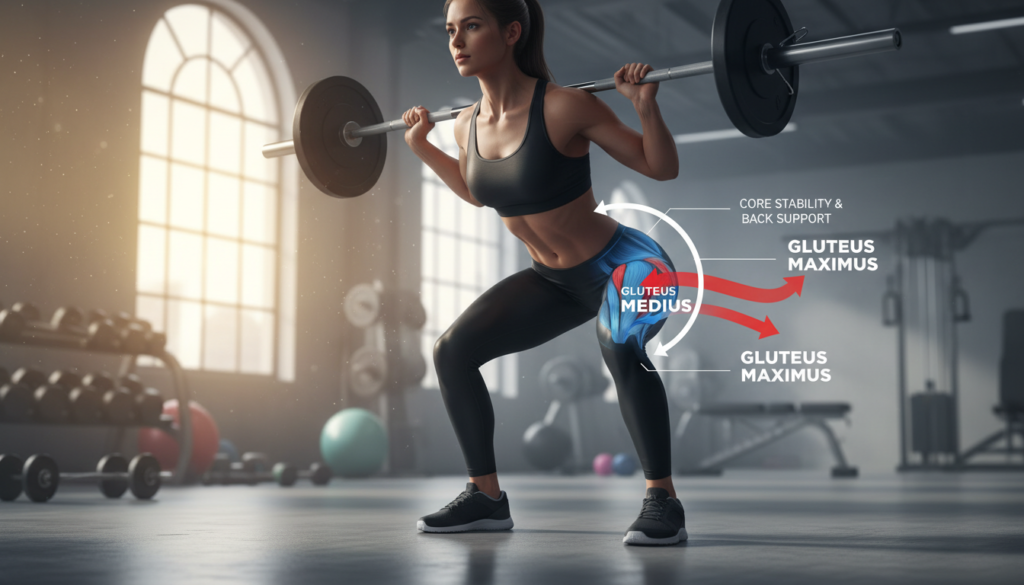
Try simple tests at home to see if your glutes are working right. The single-leg glute bridge test shows if one side is weaker. If your pelvis tilts, you might need mobility exercises to balance it.
Watch your knees when squatting in a mirror. If they turn in, your glutes aren’t stabilizing your legs. These small checks help you improve mobility and stability before adding weights.
Recognizing Signs of Weakness in Daily Movement
Your body gives hints when your glutes aren’t working. Pain in your lower back while walking might mean weak hips. Trouble standing up without using your hands is another sign.
These signs indicate it’s time to incorporate physical therapy exercises into your daily life. By doing corrective exercises, you teach your body to use your glutes in everyday tasks. Consistency is the key to balance and spine protection.
Mastering the Glute Bridge for Spinal Support
Want a strong back? Start with the glute bridge. It’s a top glute exercise for muscle wake-up and spinal support. Focus on muscle activation to strengthen your glutes and support your body.
Step-by-Step Guide to Proper Bridge Form
For glute-strength exercises, focus on precision, not speed. Lie flat, knees bent, feet on the floor, hip-width apart. This setup helps strengthen glutes without harming your back.
Engage your core and squeeze glutes as you lift hips. Keep your spine straight. These glute activation exercises help your hips, not your back, for power.
“The glute bridge is the gold standard for posterior chain engagement. When performed correctly, it acts as a reset button for the entire pelvic complex.”
Common Mistakes That Negate the Benefits
Many struggle to strengthen their glutes due to common mistakes. Avoid hyperextending your lower back. Keep a straight line from shoulders to knees.
Don’t use hamstrings or lower back to compensate for weak glutes. If your legs cramp, adjust your foot placement. Use the table below to compare the correct technique with common errors.
| Movement Aspect | Correct Form | Common Mistake |
|---|---|---|
| Spine Position | Neutral and stable | Hyperextended lumbar |
| Primary Driver | Glute contraction | Lower back or hamstrings |
| Goal | Strengthening exercises for the lower back | Best workouts for lower back pain |
| Technique | Controlled, slow tempo | Fast, jerky momentum |
| Comparison | Similar to the proper form of deadlift | Ineffective exercises |
By controlling your movements and avoiding mistakes, you’ll strengthen your glutes to prevent lower back pain. Regular practice will lead to a stable, pain-free spine.
Utilizing Bird-Dogs for Core Stability and Balance
Corrective exercises like the bird-dog are key to moving beyond simple muscle work. They help improve your core strength and balance. This exercise is great for keeping your body strong against everyday challenges.
Executing the Movement with Precision
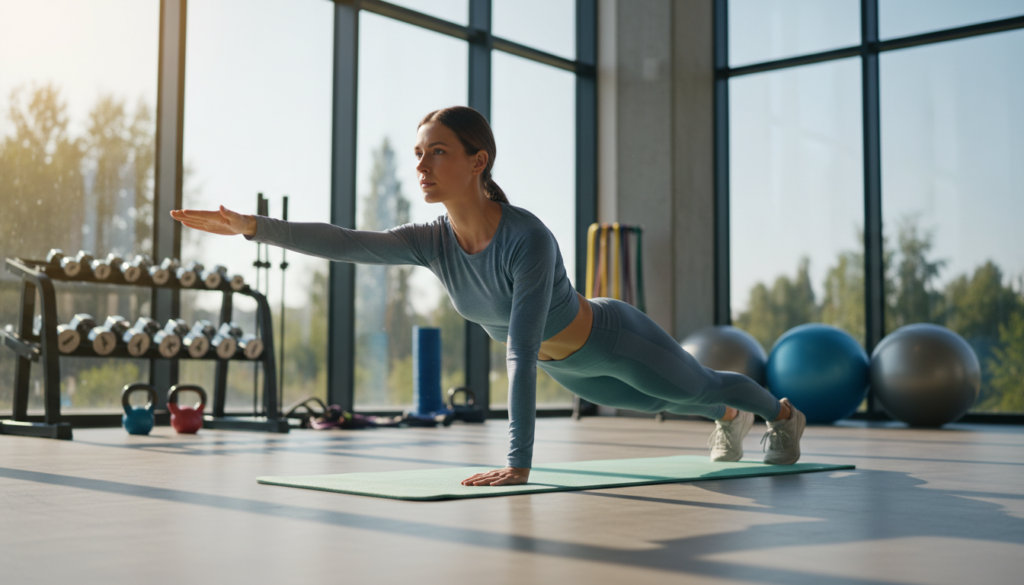
To do the bird-dog, start on your hands and knees. Keep your spine straight and look down to keep your neck straight. Then, extend your right arm and kick your left leg straight back.
Make sure your hips stay level to improve hip stability. Hold for a few seconds, keeping your core tight to avoid arching your back. Then, go back to the start and do the other side.
Why This Move Bulletproofs Your Spine
The bird-dog is a key exercise in physical therapy because it helps stabilize your spine. This is crucial for avoiding injuries during daily activities. It also helps build core strength for back pain relief.
“True stability is not about rigidity; it is about the ability to maintain a neutral spine while the extremities move through space.”
The table below shows how the bird-dog compares to other exercises for spinal health:
| Exercise | Primary Benefit | Difficulty Level |
|---|---|---|
| Bird-Dog | Cross-body stability | Beginner |
| Glute Bridge | Posterior activation | Beginner |
| Plank | Static endurance | Intermediate |
Doing these exercises every day is important. They help build a strong base for your spine’s health for years.
Incorporating Functional Movement Patterns into Your Routine
You can change your daily habits by adding functional movement patterns to your routine. Moving beyond just doing isolated drills helps you use your strength in real-life tasks. This is key to keeping your spine healthy and strong for life.
Integrating Glute Activation into Your Daily Life
To keep your muscles active, add functional movement to your routine with simple drills. These glute-strength exercises wake up your muscles, making them ready for action. Try these three moves to strengthen your spine:
- Glute Bridges: Do these to activate your glutes before any activity.
- Bird-Dogs: This move improves core stability and balance.
- Bodyweight Squats: Practice these throughout the day to strengthen hip-hinge mechanics.
The importance of functional movement is in connecting gym workouts to your daily life. By doing these functional movement exercises regularly, you train your body to use your glutes rather than your lower back. This simple habit supports your body all day.
Building a Sustainable Strength Training Habit
Starting a structured strength-training program is the next step to protecting your back. Focus on compound movements that work your whole body, focusing on functional fitness over looks. A balanced posterior chain workout should be a key part of your weekly plan.
Always focus on proper form and deadlift techniques when lifting. This ensures your glutes handle the load. Being consistent is the key to strengthening glutes and avoiding injuries. By sticking to a reliable workout routine, you keep your body strong, capable, and pain-free for years.
Advanced Tips for Maintaining Hip Mobility and Strength
Your journey to a strong posterior chain doesn’t stop with the basics. Once you’ve mastered simple movements, it’s time to push your body further. By refining your workout routine, you keep your muscles active and joints healthy.
Progressing Your Exercises for Long-Term Results
To keep seeing results, add more complex hip mobility drills to your routine. Use resistance or increase the range in your hip exercises. This stimulates muscle growth and boosts stability. It’s key for improving mobility and building strong glutes that support your spine.
Here are some ways to keep your training effective:
| Level | Focus Area | Primary Goal |
|---|---|---|
| Beginner | Activation | Muscle engagement |
| Intermediate | Strength | Load management |
| Advanced | Dynamic Power | Functional resilience |
The Role of Consistency in Injury Prevention
True injury prevention comes from regular practice, not just intense workouts. Consistency helps your body adapt safely to new demands. This steady approach is the best way to correct muscle imbalances over time.
“Success is the sum of small efforts, repeated day in and day out.”
By making mobility exercises a part of your daily routine, you build a strong foundation. Remember, improving glute strength takes time and effort. Keep challenging yourself with different strength training to keep making progress.
Conclusion
Getting lasting relief from back pain means changing how you move every day. By focusing on functional movement, you build a strong body that fights off pain. You have the power to improve your spinal health with regular effort.
Functional movement is key, not just for the gym. It keeps your joints safe from harm. These movements are the keys to a life without constant pain.
Strengthening your core is crucial for a healthy back. You can boost your core strength with specific exercises. These exercises lay the groundwork for avoiding injuries.
Adding hip mobility drills to your routine keeps your pelvis aligned. This helps your muscles stay ready for action. It also reduces strain on your lower back. Use these tips to keep your back healthy over time.
Your journey to a stable body starts with today’s habits. Regular core stability work boosts your confidence and ease of movement. Begin your journey to a healthier back by embracing these essential movement principles.