When it comes to weight loss nutrition, choosing the right nutrients is key. The protein-first method is getting attention for helping people feel full while losing fat. It’s based on the “Protein Leverage Hypothesis,” which states that the body prioritizes protein intake for health.
Research shows that a diet rich in protein can lead to significant weight loss and improved body shape. Eating more protein helps control hunger and prevents the “brain fog” that comes with eating fewer calories.
Key Takeaways
- Prioritizing protein intake can help with weight loss.
- The “Protein Leverage Hypothesis” helps regulate appetite.
- A protein-rich diet can improve overall body composition.
- Focusing on protein can help reduce “brain fog” during calorie deficits.
- A well-balanced diet with protein can lead to better satiety.
Why Traditional Dieting Leaves You Constantly Hungry and Foggy
Traditional dieting can make you feel hungry all the time and foggy-headed. This happens because it focuses too much on cutting calories. It doesn’t pay enough attention to the quality of the food you eat.
One big problem with traditional dieting is it doesn’t give you enough dietary protein benefits. Protein is key to hunger management because it helps you feel full longer. But many diets don’t have enough protein. This makes you hungrier more often and less satisfied.
Not getting enough protein has more effects than just hunger. It’s also important for your brain to stay clear and focused. Without enough protein, you might feel foggy. This makes it hard to concentrate and do everyday tasks well.
To see how traditional dieting affects hunger and brain function, let’s look at the results:
| Dietary Approach | Hunger Level | Mental Clarity |
|---|---|---|
| Traditional Calorie Restriction | High | Poor |
| Protein-First Method | Low | Good |
The table shows that traditional dieting leads to high hunger and poor brain function. On the other hand, diets that focus on protein, such as the Protein-First Method, help manage hunger more effectively. They also improve how well your brain works.
Knowing the downsides of traditional dieting and the role of protein can help you make better choices. Choosing a diet that emphasizes protein can help you lose weight. It also keeps you healthy and feeling good overall.
What Is the Protein-First Method and How Does It Change Everything
Eating protein first can help manage hunger and reach your weight loss goals. This method makes protein the main part of your meals. It ensures you get enough protein to support your body.
The Core Principle of Eating Protein Before Other Foods
The protein-first method suggests eating protein-rich foods first. This can improve how full you feel and lower calorie intake. It helps you manage hunger more effectively, making it easier to follow your weight-loss plan.
Protein-rich foods like lean meats, fish, eggs, and dairy are filling and nutritious. Adding these to your meals can keep you feeling full longer. This reduces the risk of overeating.
How This Approach Differs from Traditional Weight Loss Nutrition Plans
The protein-first method differs from traditional weight-loss plans. It focuses on protein, which helps build muscle and keep you full. This makes losing weight and keeping it off easier.
Traditional plans often make you hungry and feel deprived. The protein-first method is a better, more enjoyable way to manage your weight.
| Aspect | Protein-First Method | Traditional Weight Loss Plans |
|---|---|---|
| Focus | Prioritizing protein intake | Calorie counting or restrictive dieting |
| Satiety | High protein intake for sustained satiety | Often leads to hunger and deprivation |
| Sustainability | More sustainable due to reduced hunger and increased satisfaction | Can be difficult to maintain long-term |
What Makes This Method Sustainable Long-Term
The protein-first method is sustainable because it doesn’t use gimmicks or extreme diets. It focuses on protein-rich, nutrient-dense foods. This supports a healthy, balanced diet for your overall well-being.
This method also offers flexibility, fitting easily into your lifestyle. It’s a simple, effective way to lose weight or keep it off.
The Science Behind Protein and Satiety: Understanding the Protein Leverage Hypothesis
Learning about the Protein Leverage Hypothesis helps you see why protein is crucial for weight control. This idea suggests that our bodies want to eat enough protein. It believes this desire is what mainly controls how much we eat.
What the Protein Leverage Hypothesis Reveals About Human Appetite
The Protein Leverage Hypothesis suggests that our bodies naturally prefer more protein. If we don’t get enough, it keeps telling us to eat more. This is because it needs to meet its protein needs.
Studies back this up. Diets low in protein often don’t work because they ignore this protein need. People on these diets might feel hungrier and eat more, leading to weight gain.
Why Your Body Will Keep You Eating Until Protein Needs Are Met
Your body needs protein for many important tasks, like fixing muscles, making enzymes, and hormones. If you don’t eat enough protein, it will keep telling you to eat more. This is because it’s trying to get the protein it needs.
How This Explains Why Low-Protein Diets Always Fail
Low-protein diets fail because they don’t meet our protein needs. Without enough protein, these diets make us feel hungry all the time. This makes it hard to follow the diet and lose weight.
| Diet Type | Protein Content | Success Rate |
|---|---|---|
| Low-Protein Diet | Less than 15% of daily calories | Low |
| High-Protein Diet | More than 25% of daily calories | High |
Understanding the Protein Leverage Hypothesis can change how you manage your weight. By focusing on protein, you can feel fuller and reach your weight loss goals.
Why Prioritizing Protein Prevents Brain Fog During Calorie Deficits
Being on a calorie-deficient diet can make it hard to stay mentally sharp. But eating enough protein can really help. Without enough protein, your brain can’t make the neurotransmitters it needs, leading to brain fog.
The Connection Between Dietary Protein and Mental Clarity
Protein is key to keeping your mind clear, especially when you’re eating fewer calories. It breaks down into amino acids, which are important for making neurotransmitters. These neurotransmitters help your brain work well.
Amino acids like tyrosine and tryptophan turn into neurotransmitters like dopamine and serotonin. These are important for staying focused, feeling good, and thinking clearly.
How Protein Supports Neurotransmitter Production and Cognitive Function
Protein helps make neurotransmitters by giving your body amino acids. These amino acids are crucial for making neurotransmitters. Neurotransmitters help your brain communicate with itself, which is important for memory, focus, and decision-making.
- Tyrosine turns into dopamine, norepinephrine, and epinephrine. These are important for paying attention and handling stress.
- Tryptophan turns into serotonin, which helps with mood, hunger, and sleep.
The Role of Amino Acids in Maintaining Focus While Dieting
Amino acids from protein are vital for staying focused and mentally sharp while dieting. When you’re eating fewer calories, your body might use muscle for energy if it doesn’t get enough protein. This can reduce the amino acids needed to make neurotransmitters, causing brain fog and poor thinking.
Eating enough protein means your body has the amino acids it needs. This helps keep your mind clear and focused.
Step 1: Calculate Your Optimal Daily Protein Target for Fat Loss
Figuring out how much protein you need is key to losing fat. Knowing your daily protein needs helps you reach your goals. This could mean losing weight, maintaining muscle, or improving health.
The Formula for Determining Your Personal Protein Needs
To find your daily protein needs, use a formula based on your weight and activity level. A good range is 1.2 to 1.6 grams of protein per kilogram of body weight. This is for those trying to lose fat while keeping muscle.
If you weigh 70 kilograms, you might need 84 to 112 grams of protein daily. This depends on your activity level.
Adjusting Protein Intake Based on Your Activity Level and Goals
Your activity level affects how much protein you need. More active people need more protein for muscle repair and growth.
Protein Requirements for Sedentary vs. Active Individuals
People who are less active need less protein. For them, 0.8 grams per kilogram of body weight is often enough. But active people need more.
| Activity Level | Daily Protein Intake Recommendation (grams/kg body weight) |
|---|---|
| Sedentary | 0.8 |
| Lightly Active | 1.2 |
| Moderately Active | 1.4 |
| Very Active | 1.6 |
| Extremely Active | 2.0 or more |
Extra Protein Needs During Aggressive Fat Loss Phases
When you’re aggressively losing fat, your body might need more protein. This helps keep muscle mass. Make sure your protein intake matches your calorie deficit.
For example, during aggressive fat loss, you might need 1.8-2.0 grams of protein per kilogram of body weight per day.
By following these guidelines, you can adjust your protein intake. This will help you lose fat while keeping muscle.
Step 2: Choose the Right Protein Sources for Muscle Building and Satiety
To keep muscles strong and feel full, pick high-quality, protein-rich foods. The protein you eat affects how well you build muscle and control hunger.
Top Animal-Based Protein-Rich Foods for Maximum Nutrition
Animal proteins are full of all the amino acids your muscles need. Eating a mix of these can help you build muscle and stay full.
Lean Meats and Poultry Options
Chicken breast, turkey, and lean beef are great for protein. They have the amino acids your muscles need and are low in bad fats.
Fish and Seafood for Omega-3 Benefits
Fatty fish like salmon, tuna, and mackerel are full of protein and omega-3s. These fats are good for your heart and help with muscle building.
Eggs and Dairy Products
Eggs and dairy, like Greek yogurt and cottage cheese, are good for protein. They’re easy to add to meals and snacks to increase your protein.
Plant-Based Protein Sources That Support Your Goals
If you eat plants, there are many high-protein foods to choose from. Even though plant proteins are often missing some amino acids, a smart diet can give you all you need.
Legumes, Beans, and Lentils
Legumes, beans, and lentils are great for plant-based protein. They’re also full of fiber, vitamins, and minerals, making them versatile in cooking.
Complete vs. Incomplete Plant Proteins
Many plant proteins are missing some amino acids. But eating a variety can give you all the amino acids you need. For example, pair legumes with grains or nuts with seeds.
Step 3: Structure Every Meal with Protein at the Forefront
Managing hunger starts with how you structure your meals. Putting protein first can make you feel full longer and help you eat fewer calories.
How to Plate Your Meals for Maximum Hunger Management
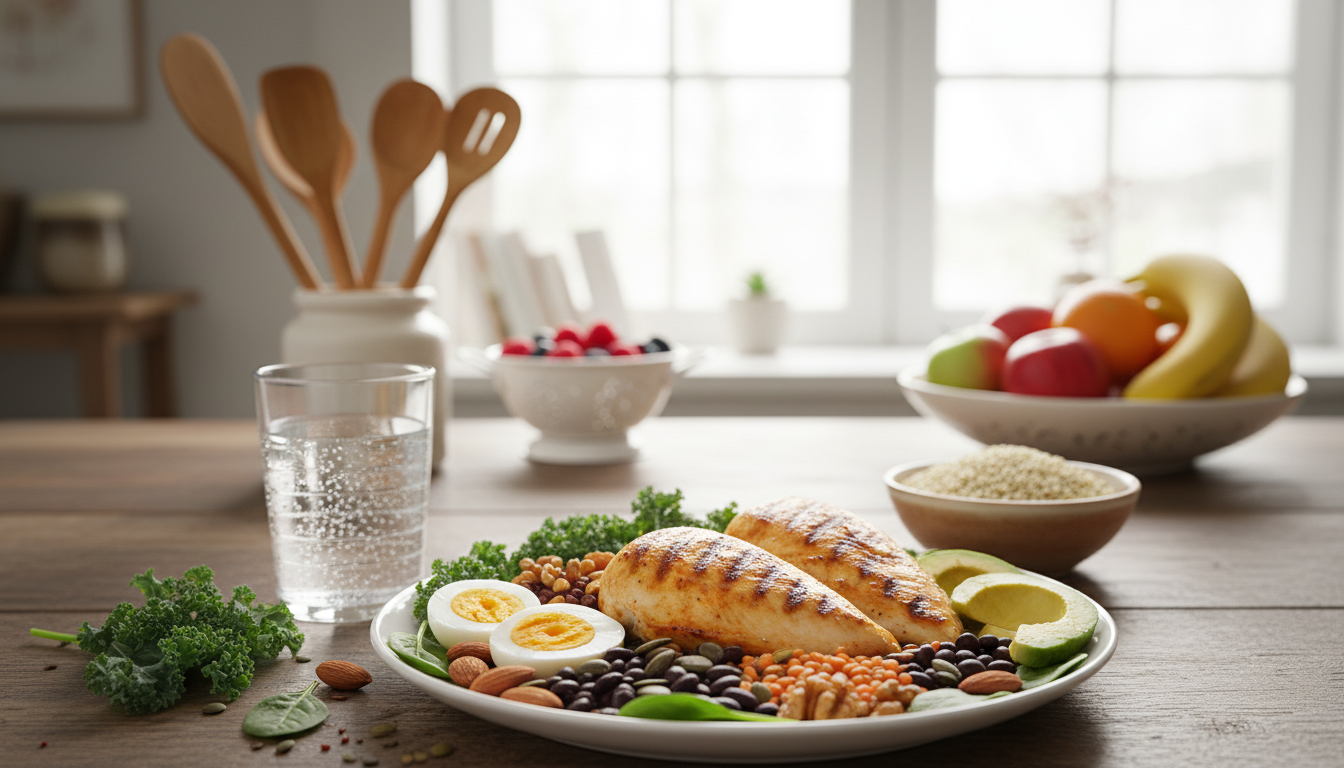
To control hunger, it’s key to know how to arrange your food. Start with a big portion of protein-rich foods. This could be chicken, fish, or eggs as the main part of your meal.
Example: Aim for 4-6 ounces (115-170 grams) of protein on your plate. Adjust this based on your protein needs and your level of activity.
The Optimal Eating Order Within Each Meal
The order of food in your meal affects how full you feel. The best order is to eat protein first, then fiber-rich foods. This helps you feel full longer.
Starting with Protein First
Start with a protein-rich food, such as lean meats, fish, eggs, or plant-based options like beans or tofu. Eating protein first makes you feel full faster.
“Eating protein first can improve satiety and reduce overall calorie intake,” which is great for those trying to lose fat while staying full.
Adding Vegetables and Healthy Fats Second
After protein, eat vegetables and healthy fats. Vegetables add fiber for more satiety. Healthy fats give you energy and support health.
- Choose a variety of colorful vegetables for more nutrients.
- Avocado, nuts, and olive oil are good healthy fats.
Finishing with Carbohydrates Last
End your meal with carbs. This way, you won’t eat too many carbs because you’ll already feel full from the protein, veggies, and healthy fats.
“The order in which we eat matters. By prioritizing protein and vegetables, we can better manage our hunger and support our overall health goals.” – Nutrition Expert
By organizing your meals this way, you can manage hunger, help with fat loss, and keep your diet balanced.
How a High-Protein Diet Naturally Regulates Your Appetite Throughout the Day
Protein is key to controlling hunger throughout the day. Eating more protein can trigger responses that help manage hunger and fullness.
The Role of Protein in Triggering Satiety Hormones
Protein affects the hormones that control hunger. When you eat protein, it makes your body release hormones like Peptide YY (PYY) and Glucagon-like peptide-1 (GLP-1).
How Protein Increases Peptide YY and GLP-1
Eating protein makes PYY and GLP-1 levels go up. Research shows that more protein means more of these hormones. This leads to less hunger and a greater sense of fullness.
The Effect on Ghrelin, Your Hunger Hormone
Ghrelin is called the “hunger hormone” because it makes you feel hungry. A diet high in protein lowers ghrelin levels. This helps reduce hunger and supports weight loss.
Why Protein Reduces Cravings More Effectively Than Carbs or Fats
Protein is more filling than carbs or fats because of how it works in our bodies. Protein takes longer to digest than carbs or fats. This keeps you feeling full longer.
“The protein leverage hypothesis suggests that humans prioritize protein intake, and this has significant implications for appetite regulation.”
The Thermic Effect of Protein and Its Impact on Fullness
The thermic effect of food (TEF) is the energy used to process nutrients. Protein has a higher TEF than carbs or fats. This means more energy is used to digest protein. This helps you feel full and supports weight management.
Knowing how protein affects hunger can help you make better diet choices. This supports your health goals.
Balancing Your Macros for Weight Loss Beyond Protein Alone
Understanding how to balance your macronutrients is key to successful weight loss. Protein is important for feeling full and keeping muscle. But fats and carbs are also vital for energy, hormone balance, and performance.
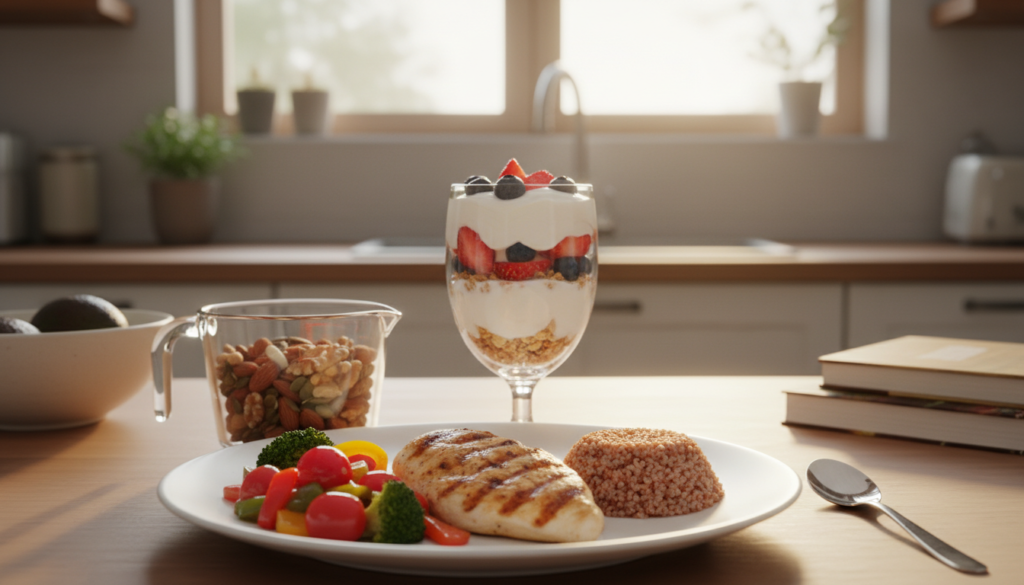
Balancing your macronutrients ensures your body works well on fewer calories. This balance helps maintain muscle, supports metabolism, and boosts weight-loss success.
How to Distribute Fats in Your Protein-First Eating Plan
In a protein-first diet, fats should support health and hormone production without hindering weight loss. Healthy fats, such as those found in avocados, nuts, and olive oil, should be eaten in moderation.
It’s recommended to get 20-35% of your daily calories from fats. This amount provides enough essential fatty acids and helps keep your diet balanced for weight loss.
The Strategic Role of Carbohydrates for Energy and Performance
Carbs are a key energy source, especially for intense workouts. In a protein-first diet, carbs should be eaten wisely to fuel your body.
“Carbohydrates are not the enemy when it comes to weight loss; they’re a crucial component of a balanced diet that supports energy and performance.”
– Dr. Nutrition Expert
Eating carbs around workouts boosts their benefits and helps with calorie control. Choose complex carbs like whole grains, fruits, and veggies.
Creating a Sustainable Macro Split That Supports Muscle Preservation
To make a sustainable macro split, consider your needs, activity level, and weight-loss goals. Aim for 40-50% protein, 20-35% fats, and 20-40% carbs in your daily calories.
- Adjust these ratios based on your personal needs and progress.
- Monitor your body’s response and adjust as needed to maintain muscle mass and support weight loss.
- Ensure you’re consuming a variety of foods within each macronutrient category to meet your nutritional needs.
By balancing your macronutrients, you can create a sustainable weight loss plan. This plan supports muscle preservation, energy, and overall health.
Timing Your Protein Intake for Optimal Hunger Management and Muscle Preservation
Getting your protein timing right is key to managing hunger and keeping muscles strong during weight loss. When you eat, protein matters a lot. It affects how full you feel and helps keep your muscles intact.
Why Breakfast Protein Is Non-Negotiable for Appetite Control
Starting with a protein-rich breakfast is crucial for controlling hunger all day. Protein in the morning helps control your hunger hormones, making you less likely to overeat. A protein-packed breakfast also reduces unhealthy snack cravings and promotes balanced eating.
Spacing Protein Evenly Throughout the Day
Spreading out your protein intake across meals is important for staying full and supporting muscle health. Evenly distributing protein keeps your body fueled and satisfied, preventing muscle loss.
The Benefits of 4-5 Protein-Rich Meals vs. 2-3
Having 4-5 protein-rich meals a day has many benefits over the usual 2-3. This method helps maintain a positive nitrogen balance, supports muscle recovery, and helps control hunger. By spreading out your protein intake, you avoid energy and hunger dips.
Pre-Bed Protein for Overnight Muscle Recovery
Protein before bed helps with muscle repair during sleep. While you sleep, your body fixes and builds muscle. Having protein before bed gives you the amino acids needed for this repair. It’s especially good for those who work out or do resistance training.
Common Mistakes That Sabotage Your Protein-First Strategy
A protein-first diet has many benefits. But there are mistakes that can ruin your efforts. A well-thought-out protein-first plan is key to losing weight and keeping muscle.
Not Eating Enough Protein at Your First Meal
Starting with a protein-rich meal is vital for hunger control and muscle preservation. Not getting enough protein at breakfast can make you hungry later. Try to have at least 30 grams of protein at breakfast to stay full.
Relying Too Heavily on Protein Supplements Instead of Whole Foods
Protein supplements are handy, but they shouldn’t be your only choice. Whole foods give you protein, vitamins, minerals, and fiber. Focus on whole protein sources like lean meats, fish, eggs, and plant-based foods.
Choosing Low-Quality or Incomplete Protein Sources
The quality of your protein matters a lot. Low-quality or incomplete proteins can slow down your progress. It’s important to know the differences between various protein types.
The Problem with Processed Protein Products
Processed protein products often have additives and preservatives. These can harm your protein-first plan and your health. Choose minimally processed protein sources whenever you can.
Ignoring Protein Bioavailability and Digestibility
Protein bioavailability and digestibility are key to using your protein well. Pick proteins with high bioavailability for better results. Think about the digestibility of different proteins to get the most from your protein-first plan.
Knowing these common mistakes and avoiding them can help you get the most from your protein-first strategy. This way, you can reach your dietary goals.
How to Track Your Progress and Ensure Muscle Preservation During Fat Loss
To keep losing fat and keep your muscles, it’s important to watch your progress. Tracking your progress helps you see if your plan is working. If not, you can make changes.
Measuring Body Composition Changes Instead of Just Scale Weight
Just looking at your weight on the scale isn’t enough. It doesn’t tell you if you’re losing fat or muscle. Measuring your body composition gives a clearer view of your progress.
- Use body fat calipers to track changes in body fat percentage.
- Monitor changes in muscle mass through regular assessments.
- Consider using DEXA scans or other advanced body composition analysis tools for more accurate measurements.
Accurate body composition measurement is crucial for understanding the effectiveness of your fat loss strategy.
Key Signs Your Protein Intake Is Optimized
Getting enough protein is key to maintaining muscle mass when you’re losing fat. Here are signs your protein intake is right:
Sustained Energy Levels Throughout the Day
Enough protein means you’ll have steady energy. You won’t need to snack as much.
Maintained or Increased Strength in the Gym
Protein helps keep and grow your muscles. This shows up in your gym workouts, where you can keep or boost your strength.
Reduced Hunger and Fewer Cravings
High-protein diets help you feel full and cut down on cravings. This makes it easier to stick to your diet without feeling hungry.
| Signs | Description | Benefit |
|---|---|---|
| Sustained Energy | Stable energy levels throughout the day | Reduces the need for frequent snacking |
| Maintained/Increased Strength | Ability to maintain or increase strength in workouts | Supports muscle maintenance and growth |
| Reduced Hunger/Cravings | Less hunger and fewer cravings for unhealthy foods | Makes sticking to a calorie deficit easier |
By watching for these signs and adjusting your protein intake, you can ensure you’re losing fat while maintaining your muscle mass.

Conclusion
You now know how the protein-first method can change your life for the better. It helps you lose weight and feel full longer. This method prioritizes protein, keeping you satisfied on your weight-loss journey.
A high-protein diet is key to this method. It not only helps with weight loss but also boosts your overall health. By figuring out how much protein you need and eating more protein-rich foods, you’ll enjoy a more balanced diet.
This method does more than just help you lose weight. It also makes you feel full, reduces cravings, and improves your focus. This makes it easier to follow your weight loss plan.
When you start the protein-first method, keep track of your progress. Adjust your protein intake as you go to meet your goals. This approach will help you reach your weight loss goals and live a healthier, more balanced life.