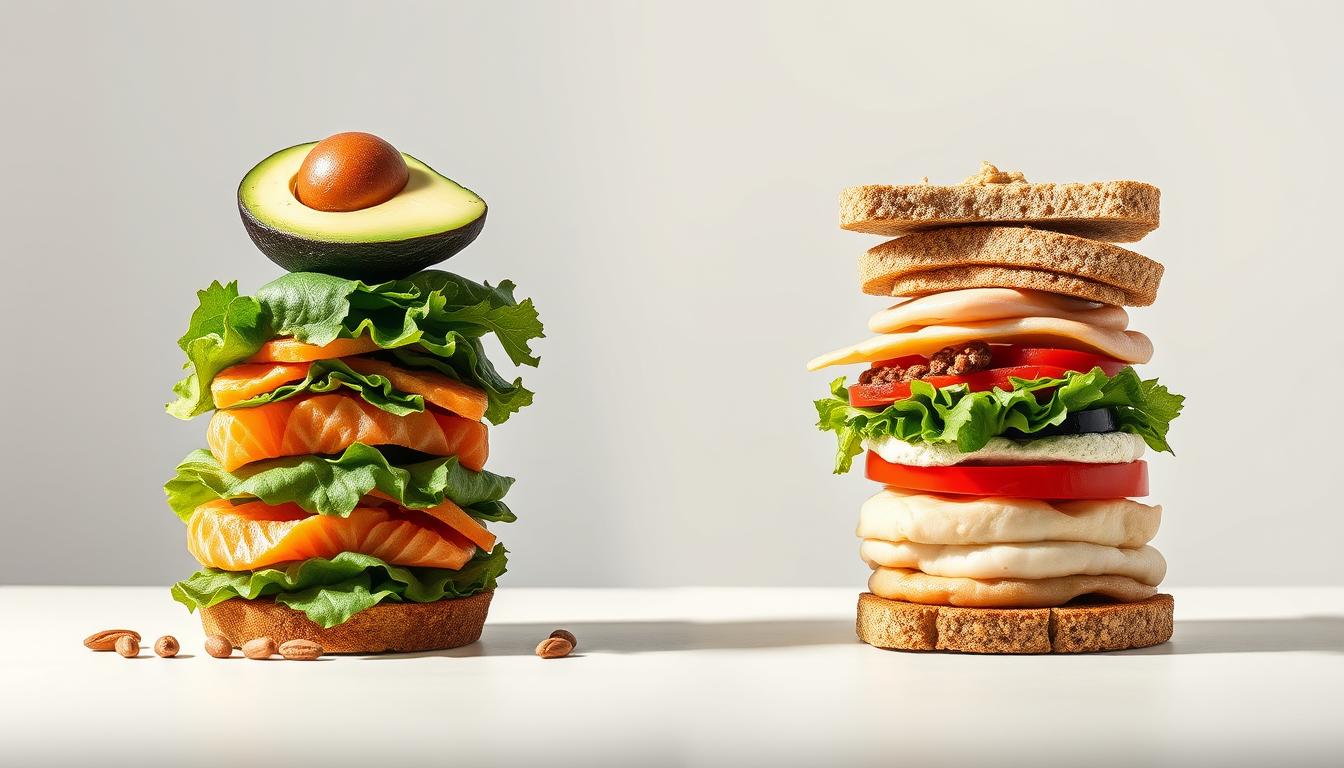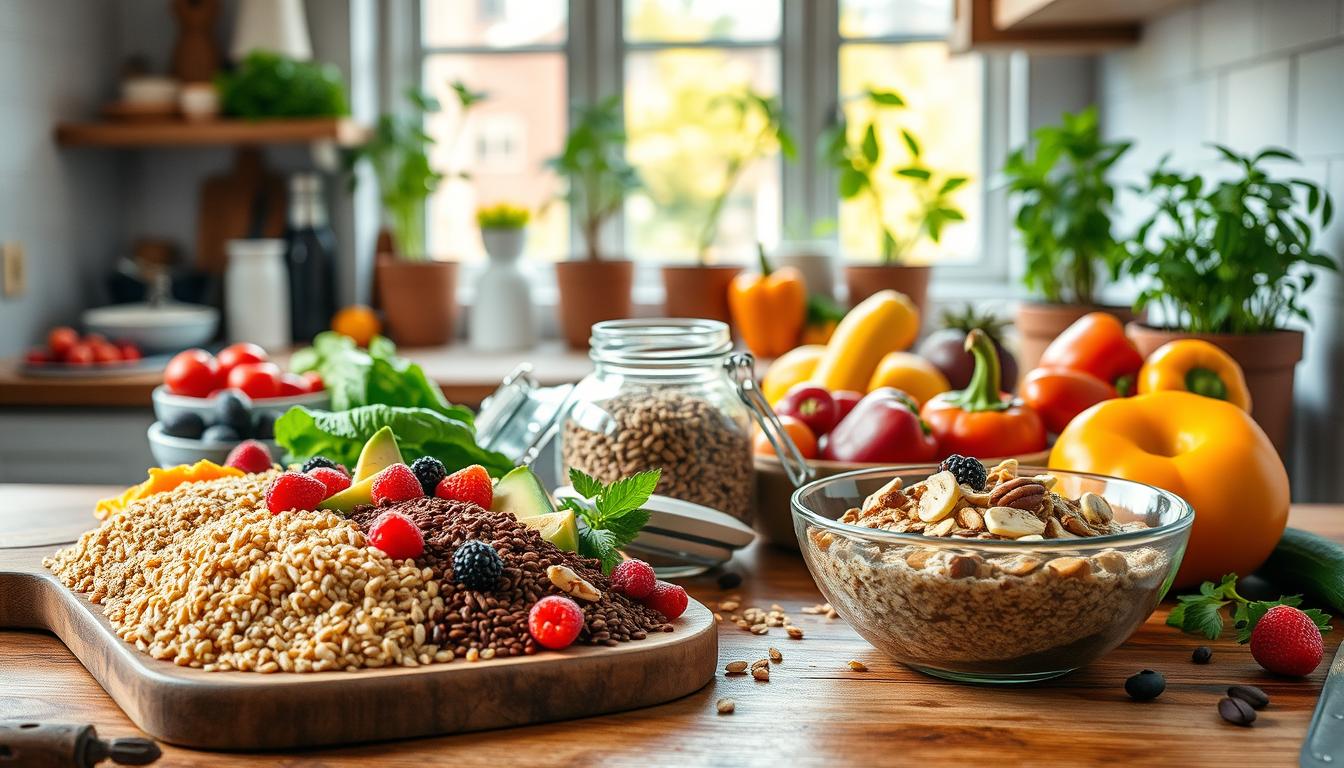
Dietary fiber is key to a healthy gut, but it does more than that. Eating enough fiber supports your heart and helps you manage your weight. It makes you feel full longer.
Gennev says fiber is a superpower we all need more of. Adding more fiber to your meals is easy. This article will show you 5 simple ways to increase your fiber intake without changing your diet too much.
Key Takeaways
- Understand the importance of dietary fiber for overall health.
- Learn simple ways to increase fiber intake in daily meals.
- Discover how a high fiber diet supports weight management.
- Explore the connection between fiber and gut health.
- Find practical tips for maintaining a balanced diet rich in fiber.
Understanding the Fiber-Satiety Connection
Fiber is key to managing weight. It’s found in fruits, veggies, and whole grains. It helps control hunger and makes you feel full.
How Fiber Creates Fullness
Fiber slows digestion and absorption. This makes you feel full for longer. Gennev says insoluble fiber adds bulk, helping you eat less.
The Science Behind Fiber and Appetite Control
Fiber affects hormones that control hunger and fullness. Foods high in fiber are more filling. They take longer to digest, helping you feel full longer.
“A high-fiber diet can help control appetite and support weight loss by promoting a feeling of fullness and reducing overall calorie intake.”
Different Types of Fiber and Their Satiety Effects
There are two main types of fiber: soluble and insoluble. Soluble fiber forms a gel that slows digestion. Insoluble fiber adds bulk to stool. Both help you feel full, but in different ways.
| Type of Fiber | Effect on Satiety |
|---|---|
| Soluble Fiber | Slows digestion, prolonging fullness |
| Insoluble Fiber | Adds bulk, reducing the likelihood of overeating |
The Powerful Benefits of a High Fiber Diet, Satiety for Weight Loss, Fiber Benefits, and Gut Health Nutrition
A high-fiber diet offers many health benefits beyond helping with weight. Adding more fiber-rich foods to your meals can significantly improve your health in many ways.
Weight Management Through Natural Satiety
A high fiber diet helps you feel full naturally, aiding in weight management. Foods high in fiber are more filling, which means you eat less. This is because fiber takes longer to digest, keeping you full for longer. So, you can manage your weight without feeling hungry or deprived.
Key foods for weight management through satiety include:
- Legumes such as beans and lentils
- Whole grains like brown rice and quinoa
- Fruits and vegetables are high in fiber
Digestive Health and Microbiome Support
Fiber is also key for digestive health and a healthy gut microbiome. A diet rich in fiber helps support healthy gut bacteria, which are vital for a strong immune system. According to Gennev, fiber also supports heart health, lowers the risk of type 2 diabetes, and promotes a healthy gut microbiome.
“A high-fiber diet can help reduce the risk of chronic diseases, including heart disease and diabetes, by promoting a healthy gut microbiome.”
The benefits of a high fiber diet on digestive health are many:
| Benefit | Description |
|---|---|
| Promotes Regular Bowel Movements | Fiber helps prevent constipation by adding bulk to stool and aiding its passage through the digestive system. |
| Supports Healthy Gut Bacteria | Fiber acts as a prebiotic, feeding the good bacteria in the gut, promoting a balanced microbiome. |
| Reduces Risk of Diverticulitis | A high fiber diet can reduce the risk of diverticulitis by preventing the formation of diverticula. |
Long-term Health Benefits Beyond Weight
A high fiber diet offers many long-term health benefits. These include a lower risk of heart disease, type 2 diabetes, and certain cancers. These benefits highlight the importance of a high-fiber diet for a healthy lifestyle.
Understanding the benefits of a high fiber diet helps you make better choices for your health. Adding more fiber-rich foods to your diet is a simple way to improve your health.
How Much Fiber Do You Actually Need?
Getting the right amount of fiber is key to good health. It helps you feel full, manage your weight, and keep your digestive system healthy. But how much fiber do you really need?
Daily Recommended Intake by Age and Gender
The amount of fiber you should eat changes with age and gender. Adults need at least 25 grams of fiber each day. But, men under 50 might need more than women of the same age.
| Age | Gender | Recommended Daily Fiber Intake |
|---|---|---|
| Under 50 | Male | 30-38 grams |
| Under 50 | Female | 25-28 grams |
| 50 and above | Male | 28-30 grams |
| 50 and above | Female | 22-25 grams |
Signs You’re Not Getting Enough Fiber
If you’re not getting enough fiber, you might feel constipated, hungry soon after eating, or have high cholesterol. Eating more fiber-rich foods can help with these issues.
- Constipation or irregular bowel movements
- Frequent hunger
- High cholesterol levels
Balancing Soluble and Insoluble Fiber
A good diet has both soluble and insoluble fiber. Soluble fiber lowers cholesterol, while insoluble fiber helps with bowel movements. Oats, barley, and fruits are good sources of soluble fiber. Whole wheat, bran, and veggies are great for insoluble fiber.
To get the right mix of fiber, eat a variety of fruits, veggies, whole grains, and legumes. This not only meets your daily fiber needs but also boosts your overall nutrition.
Transitioning to Higher Fiber Intake Safely
Starting a higher-fiber diet should be done slowly to avoid stomach upset. It’s important to let your gut adjust as you increase your fiber intake.
Gradual Implementation to Avoid Digestive Discomfort
Begin by adding 5 grams of fiber to your diet each day, then gradually increase it over time. This gradual approach reduces the risk of bloating or gas.
Hydration Requirements with Increased Fiber
Drinking enough water is key when you’re eating more fiber. Fiber soaks up water, and not enough can cause constipation. Make sure to drink plenty of water all day to help fiber move smoothly.
Timing Your Fiber Intake Throughout the Day
Spread out your fiber intake across meals and snacks. This keeps your digestive system balanced and supports digestive health.
Following these tips, you can safely increase your fiber intake and enjoy better digestion and feel full longer.
Strategy #1: Breakfast Fiber Boosters
Breakfast is a great time to add more fiber to your diet. It helps you feel full longer and supports a healthy digestive system. Just a few changes to your morning meal can significantly increase your fiber intake.
Overnight Oats and Chia Puddings
Overnight oats and chia puddings are top picks for high-fiber breakfasts. To make overnight oats, mix rolled oats with milk or yogurt and let it sit overnight. Chia pudding is made by soaking chia seeds in milk or yogurt, which makes them even more fiber-rich. Both are easy fiber sources that you can flavor with fruits and nuts.
High-Fiber Smoothie Add-ins
Smoothies are a fantastic way to boost your fiber at breakfast. Add chia seeds, flaxseeds, and psyllium husk to your smoothie for a fiber boost. You can also add spinach or kale for extra nutrition without much change in taste.
Whole Grain Breakfast Swaps
Choosing whole-grain breakfasts is an easy way to get more fiber. Swap white bread for whole wheat and pick whole-grain cereals over refined ones. These small changes can significantly increase your daily fiber.
Quick-Start Recipe: 5-Minute High-Fiber Breakfast Bowl
Try this simple recipe to start: Mix 1/2 cup rolled oats, 1/2 cup Greek yogurt, one tablespoon chia seeds, and 1/2 cup mixed berries in a bowl. Add sliced almonds and a drizzle of honey on top. This high-fiber breakfast bowl is tasty and full of fiber.
By adding these fiber-rich foods to your breakfast, you’ll meet your daily fiber needs. Enjoy the benefits of a high-fiber diet.
Strategy #2: Lunch and Dinner Fiber Upgrades
Boosting your fiber intake is easy. Just a few tweaks to your lunch and dinner can make a big difference. These changes support your health and help with weight management.
Simple Grain Swaps
Switching to whole grains is a simple way to increase fiber intake. Try brown rice instead of white rice, or whole-wheat bread instead of white. These swaps can significantly increase your fiber intake.
- Replace white rice with brown rice or quinoa
- Choose whole-grain pasta instead of regular pasta
- Opt for whole wheat or whole grain bread for sandwiches
Adding Beans and Legumes to Everyday Meals
Beans and legumes are fiber and protein powerhouses. Gennev suggests adding them to salads, chili, or as a main dish, such as lentil soup.
- Add black beans to your tacos or salads
- Incorporate lentils into soups or stews
- Use chickpeas in hummus or as a salad topping
Vegetable Boosters for Any Dish
Vegetables are a fantastic fiber source. Adding different veggies to your meals boosts fiber and nutrition.
- Add spinach or kale to your omelets or smoothies
- Incorporate broccoli or Brussels sprouts into your dinners
- Use carrots or bell peppers as crunchy snack options
Quick-Start Recipe: Fiber-Packed Power Bowl
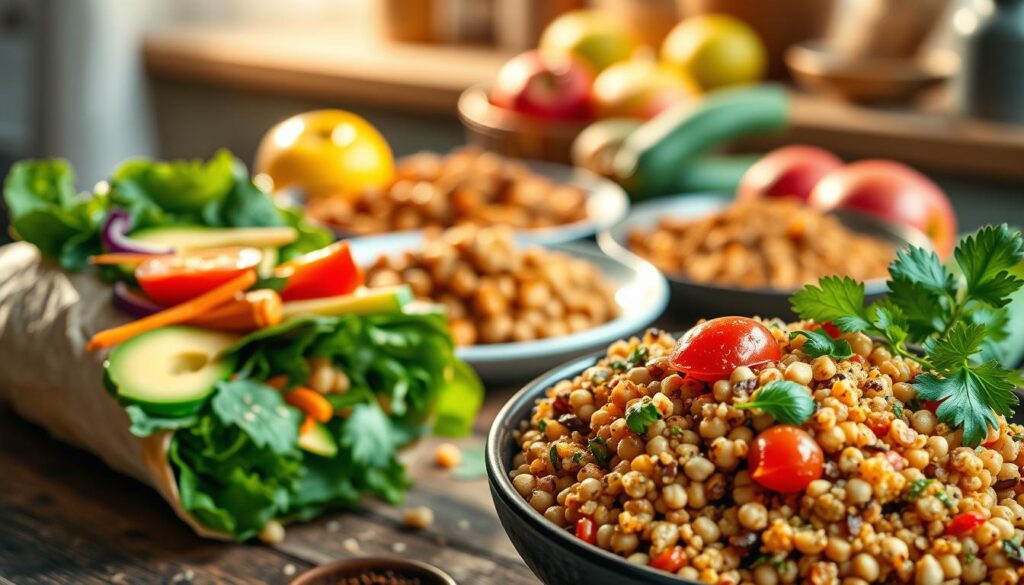
Make a fiber-rich power bowl with brown rice, black beans, roasted veggies, and chia seeds. It’s full of fiber and nutrients, and you can adjust it to your liking.
Strategy #3: Snack Time Fiber Opportunities
Making wise snack choices can boost your daily fiber intake. Snacking on fiber-rich foods can fill the gap between meals. It also supports your digestive health.
Portable Fiber-Rich Snack Ideas
Choosing the right snacks is easy. Just grab fruits, nuts, and veggies. Try an apple with almond butter or whole grain crackers with hummus. These snacks are tasty and full of fiber.
- Fresh fruits like apples, bananas, and berries
- Nuts and seeds such as almonds, chia seeds, and flaxseeds
- Vegetable sticks with hummus or guacamole
- Whole-grain crackers or rice cakes
Creating Satisfying Fiber-Fat Combinations
Pairing fiber-rich foods with healthy fats boosts satisfaction. Try raw veggies with guacamole or nuts with dried fruits. These combos are filling and delicious.
Smart Packaged Snack Choices
When choosing packaged snacks, pick ones high in fiber and low in sugar. Always check the nutrition label for a healthy choice.
| Snack | Fiber Content (g) | Healthy Fat Content (g) |
|---|---|---|
| Almonds (1 oz) | 3.5 | 14 |
| Apple (1 medium) | 4.5 | 0.3 |
| Chia Seeds (1 oz) | 10 | 9 |
Quick-Start Recipe: 3-Ingredient Fiber Snack Bites
Mix rolled oats, chia seeds, and almond butter to make energy balls. These are great for a quick, fiber-rich snack.
Strategy #4: Hidden Fiber Additions for Any Recipe
You can boost your fiber without changing your favorite dishes. Just make minor tweaks that add enormous nutritional benefits. Adding specific ingredients to your meals can increase fiber without changing the taste or texture.
The Chia, Flax, and Hemp Seed Trio
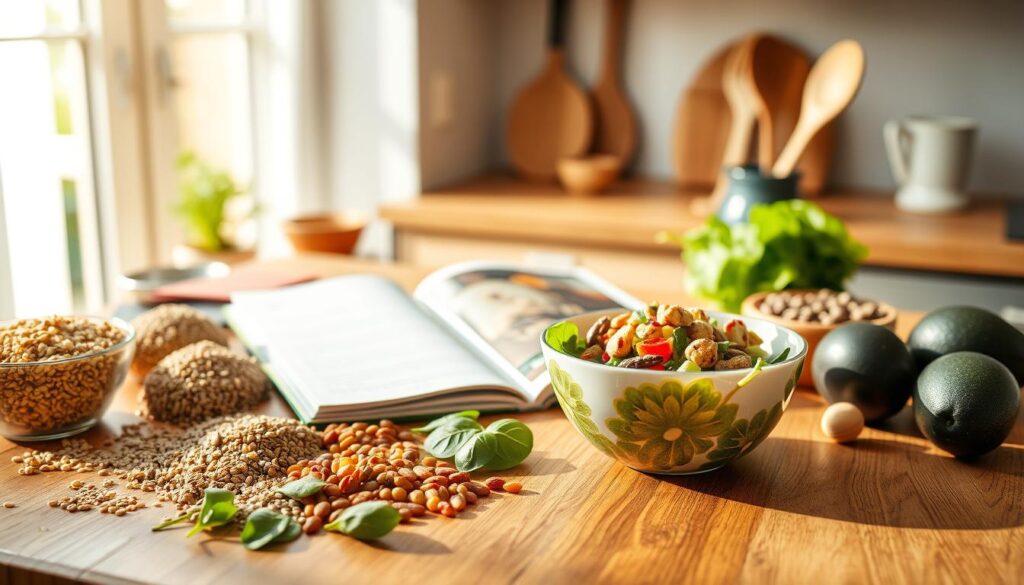
Chia seeds, flaxseeds, and hemp seeds are great for adding fiber. They’re small but full of nutrients. For example, add chia seeds to your oatmeal or yogurt for a fiber-packed breakfast. Flaxseeds work well in salad dressings or smoothies. Hemp seeds are perfect for sprinkling on salads or soups.
- Chia seeds: Add 1-2 tablespoons to your breakfast oatmeal or yogurt.
- Flaxseeds: Mix one tablespoon of ground flaxseed into your salad dressing or smoothie.
- Hemp seeds: Sprinkle one tablespoon over your salads or soups.
Vegetable Additions That Go Unnoticed
Adding finely chopped veggies to your recipes is another smart move. Carrots, zucchini, and spinach can be blended into sauces, soups, or casseroles. This adds fiber, vitamins, and minerals without changing the taste or texture.
Fiber-Boosting Baking Substitutions
In baking, simple swaps can increase the fiber content of your treats. Try using whole wheat flour or almond flour instead of all-purpose flour. Ground flaxseed or chia seeds can also replace eggs, adding more fiber.
Quick-Start Recipe: Secretly Fiber-Rich Sauce Base
Start with a simple recipe: blend cooked carrots, zucchini, and spinach into pasta sauce. This creates a fiber-rich sauce that tastes like your favorite Italian dish. You can also use it as a dip or topping.
By using these strategies, you can easily up your fiber intake without losing flavor or texture. Try different ingredients and substitutions to find what works for you.
Strategy #5: Fiber-Forward Meal Planning
To boost your fiber intake, try a fiber-forward meal planning strategy. This means planning meals around foods high in fiber. It helps you meet your daily fiber needs. Good meal planning is key to a high-fiber diet.
Building a High-Fiber Grocery List
Start with a well-stocked pantry. Create a high-fiber grocery list that includes whole grains, legumes, fruits, and veggies. Choose whole foods over processed ones to get more fiber.
- Whole grains: brown rice, quinoa, whole wheat bread
- Legumes: lentils, chickpeas, black beans
- Fruits: berries, apples, bananas
- Vegetables: broccoli, carrots, leafy greens
Batch Cooking Fiber-Rich Components
Batch cooking saves time and boosts fiber. Cook big batches of grains, beans, and veggies. Then, use them in various meals throughout the week.
For instance, a weekend batch of lentils can be used to make soup, salads, and stir-fries. Roasting veggies in advance also makes them easy to add to meals.
Weekly Meal Templates for Optimal Fiber Intake
Use weekly meal templates to ensure adequate fiber intake. Plan meals with seasonal produce and high-fiber foods. Set aside days for specific meals, like “bean day” or “salad day.”
Quick-Start Tool: 7-Day High-Fiber Meal Framework
For easy meal planning, try a 7-day high-fiber meal framework. Plan meals for the week, using a variety of high-fiber foods. Here’s a simple guide:
| Day | Breakfast | Lunch | Dinner |
|---|---|---|---|
| Monday | Oatmeal with fruit | Whole-grain wrap with vegetables | Quinoa and black bean bowl |
| Tuesday | Yogurt with berries and chia seeds | Lentil soup with whole grain bread | Grilled chicken with roasted vegetables |
| Wednesday | Smoothie with spinach and banana | Salad with chickpeas and whole grain crackers | Brown rice and vegetable stir-fry |
By following this framework and adding high-fiber foods to your meals, you can reach your fiber goals. Enjoy the benefits of a high-fiber diet.
Conclusion: Your Path to Fiber-Fueled Satiety
Adding more fiber to your diet can change your life. It helps you feel full and supports your health. By following the tips, you’re on the right track to losing weight and keeping your gut healthy.
Fiber does more than help with weight. It also keeps your digestive system working well. Health experts like Gennev say it’s key to overall well-being. By choosing the right foods, you can increase your fiber intake to feel fuller and live better.
Begin today with the easy tips given. With a bit of planning, you can enjoy fiber-rich foods every day. This will bring you lasting benefits from a diet full of fiber.