Ever felt a strong urge for something sweet? Sugar cravings can be challenging to resist, but understanding their triggers is crucial to overcoming them.
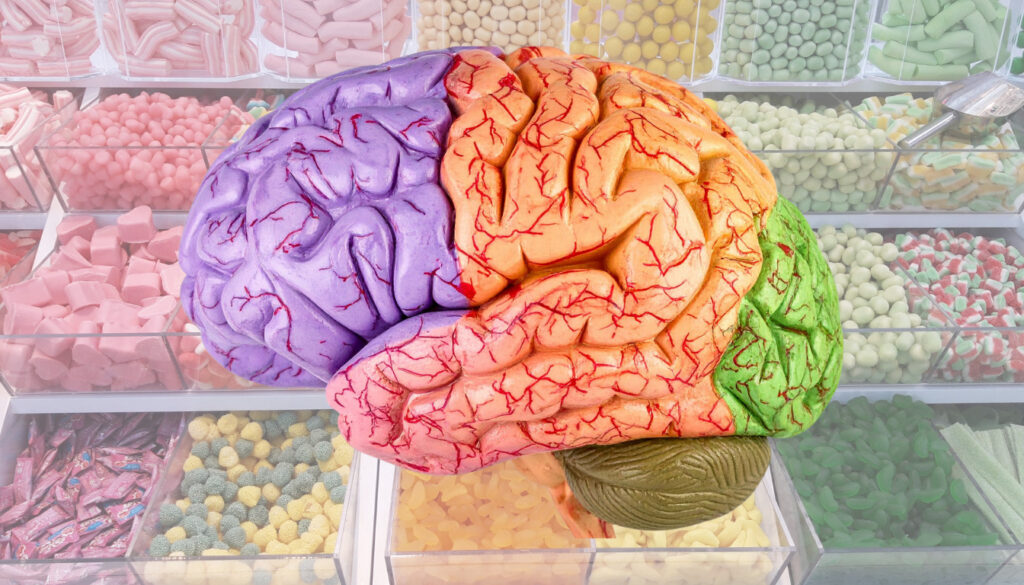
Your brain perceives sugar as a reward, releasing dopamine and prompting you to crave more. This cycle of wanting and eating sugar is hard to break. Eating a lot of sugar makes you want it even more, leading to sugar addiction.
But there are ways to control these cravings. By understanding why you crave sugar and employing simple strategies, you can regain control over your eating habits.
Key Takeaways
- Understand the physiological reasons behind your cravings.
- Identify emotional triggers that lead to cravings.
- Use protein and fiber to enhance satiety.
- Balance your diet to stabilize your energy levels.
- Develop strategies to manage stress and emotional eating.
Understanding Sugar Cravings and Their Impact
Sugar cravings are not just about willpower. They are influenced by various factors, including our body’s needs, emotions, and hormones. Understanding these factors is crucial for controlling sugar intake.
What Exactly Are Sugar Cravings?
Sugar cravings are intense desires for sweet foods or drinks. They often occur when our body needs a quick energy boost. Various factors, including changes in blood sugar levels, hormonal fluctuations, and emotional states, can trigger these cravings.
“The key to managing sugar cravings lies in understanding their root causes.” By understanding what triggers these cravings, we can develop more effective ways to manage them.
The Difference Between Hunger and Cravings
Hunger and cravings are different. Hunger is when our body needs food, making us feel hungry. Cravings are strong desires for specific foods, often triggered by our emotional state.
Mindful eating helps us distinguish between hunger and cravings. This way, we can choose our food more wisely. By listening to our bodies, we can eat healthier and reduce our sugar intake.
The Science Behind Why We Crave Sugar
The way our bodies react to sugar is shaped by both our evolution and brain chemistry. In the past, consuming sugar was crucial for survival, providing us with the energy we needed.
The Evolutionary Perspective
Humans naturally seek foods high in energy, such as sugar, because they’re essential for survival. This instinct helped our ancestors survive when food was scarce. This natural liking for sweet tastes was beneficial back then.
How Sugar Affects Your Brain’s Reward System
Sugar sets off a chain of reactions in our brains, activating the reward system. When we consume sugar, it releases dopamine, a neurotransmitter associated with feelings of happiness. This makes us want to eat sugar again, creating a cycle.
The Dopamine Connection
Dopamine plays a key role in our brain’s reward system, particularly when we consume tasty foods, such as those containing sugar. The more sugar we eat, the more our brain links it to joy. This can lead to a cycle of craving and eating more sugar. Knowing this helps us combat sugar cravings more effectively.
Understanding why we crave sugar helps us find ways to stop it. This knowledge lets us make better food choices and break the sugar cycle.
Blood Sugar Imbalance: The Primary Culprit
It’s important to know why you crave sugar. Blood sugar imbalance is a big reason for these cravings.
The Blood Sugar Roller Coaster Explained
Eating too much sugar causes your blood sugar to spike and then crash. This rollercoaster effect makes you crave more sugar. It’s bad for your health.
How Spikes and Crashes Trigger Cravings
When blood sugar levels spike, your body produces insulin to regulate them. But then, you crash and feel tired. You might want more sugar to feel better. This cycle is hard to stop, but knowing it helps.
The Role of Refined Carbohydrates
Refined carbs, such as white bread and sugary snacks, are significant culprits. They quickly raise your blood sugar and then drop it. Lessening these carbs can keep your blood sugar stable.
Insulin Resistance and Chronic Cravings
Insulin resistance happens when your cells don’t respond well to insulin. This makes it difficult for glucose to enter. Your body then craves more energy.
“Insulin resistance is a precursor to type 2 diabetes and is closely linked to sugar cravings and metabolic syndrome.”
| Factors Contributing to Insulin Resistance | Effects on Blood Sugar |
|---|---|
| Refined Carbohydrates | Rapid Increase in Blood Sugar |
| Lack of Physical Activity | Decreased Insulin Sensitivity |
| Genetic Predisposition | Increased Risk of Developing Insulin Resistance |
Hormonal Influences on Sugar Cravings
Hormonal changes can make you crave sugar more. Being aware of these changes can help you manage your cravings. Hormones are like messengers in your body that control things like hunger and energy utilization.
Stress Hormones and Cortisol
Stress causes your body to release cortisol, a hormone that increases your desire for sugar. Cortisol helps release glucose into your bloodstream, providing you with quick energy. However, this can cause energy drops and increase your desire for sugary foods. To combat these cravings, try stress-reducing activities such as meditation or deep breathing.
Leptin, Ghrelin, and Appetite Regulation
Leptin and ghrelin are key hormones for controlling hunger. Leptin tells you when to stop eating, while ghrelin tells you when to eat. If leptin is low or ghrelin is high, you might want sugar more. To keep these hormones balanced, get enough sleep, eat protein, and drink water.
Hormonal Changes During Menstrual Cycles
Women often notice changes in sugar cravings during their menstrual cycles. Progesterone and estrogen levels fluctuate, influencing your appetite. To manage these cravings, recognize your body’s changes and keep healthy snacks on hand. Also, drink plenty of water.
Emotional Eating and Sugar Dependency
Understanding why you crave sugar is the first step to stopping. Emotional eating occurs when we eat because we’re feeling an emotion, not because we’re physically hungry. This can make us rely on sugar for comfort.
Identifying Your Emotional Triggers
Knowing what triggers your desire for sugar is key. What triggers you can be different for everyone.
Common Emotional States That Prompt Cravings
- Stress
- Anxiety
- Boredom
- Sadness
These feelings can make us reach for sugary foods. These foods offer quick comfort.
The Comfort Food Connection
Comfort foods give us a feeling of relief or remind us of happy times. But they can also keep us stuck in a cycle of emotional eating and sugar addiction.
Breaking the Emotional Eating Cycle
To beat emotional eating, finding new ways to cope is crucial. Some effective strategies include:
- Mindfulness practices
- Physical activity
- Journaling your feelings
- Seeking social support
Using these methods can help you break the emotional eating cycle. It also helps reduce your sugar dependency.
5 Proven Ways to Stop Sugar Cravings for Good
It’s possible to beat sugar cravings with the right tools and knowledge. A few simple strategies can help you break the sugar cycle. This way, you can start a healthier food relationship.

1. Balance Your Blood Sugar with Protein and Fiber
Eating a diet rich in protein and fiber can help keep your blood sugar levels stable. This makes sugar cravings less likely. Add lean meats, fish, eggs, fruits, veggies, and whole grains to your meals.
2. Practice Mindful Eating Techniques
Mindful eating means listening to your hunger and fullness signals. Eat slowly and enjoy your food. This habit can make you less likely to crave sugary foods. Try eating without distractions and focus on the taste and texture of your food.
3. Optimize Sleep Quality and Duration
Insufficient sleep can mess with your hunger hormones, making you crave sugar more. Aim for 7-9 hours of sleep each night. Maintaining a regular sleep schedule can help you better control your appetite.
4. Stay Properly Hydrated Throughout the Day
Thirst can be mistaken for hunger or sugar cravings. Drinking enough water can stop unnecessary snacking and sugar cravings. Drink at least 8 cups (64 ounces) of water every day.
5. Address Nutritional Deficiencies
Nutrient gaps, especially in chromium and magnesium, can lead to sugar cravings. Ensure you obtain sufficient amounts of these nutrients through a balanced diet or supplements. Chromium is in broccoli and apples, and magnesium is in dark greens and nuts.
Using these strategies daily can help you stop sugar cravings. This leads to a healthier, more balanced diet.
Healthy Swaps and Sugar-Free Alternatives
You can enjoy sweet treats without refined sugars. This choice reduces sugar intake and offers nutritious options. These alternatives can be just as tasty.
Natural Sweeteners: The Good, The Bad, and The Questionable
Natural sweeteners are a good alternative to refined sugar. Honey, maple syrup, and stevia are healthier options. But it’s key to use them in small amounts.
Honey has health benefits, but it is still high in sugar. Maple syrup is rich in minerals but contains a high number of calories. Stevia is calorie-free but very sweet, so a little goes a long way.
Satisfying Sweet Cravings with Whole Foods
Whole foods are great for satisfying sweet cravings. Fresh fruits are naturally sweet and full of nutrients. Dates, bananas, and apples are excellent choices.
Dried fruits, such as apricots and prunes, are also beneficial. Try fruit-based desserts, such as baked apples or fruit salads, for a sweet treat.
Recipe Ideas for Common Sugar Cravings
Healthy recipes can help manage sugar cravings. Here are some ideas:
Sweet Breakfast Alternatives
Make oatmeal with fresh fruits and nuts, or scrambled eggs with cinnamon. These are sweet and savory.
Healthy Dessert Options
Try a fruit crumble with almond flour and a bit of sugar, or a Greek yogurt parfait with honey and berries.
By using these healthy swaps and sugar-free alternatives, you can manage sugar cravings. This leads to a more balanced diet.
Creating a Sustainable Plan to Overcome Sugar Addiction
Creating a sustainable plan is crucial to overcoming sugar cravings and leading a healthier life. To overcome sugar addiction, you must tackle the root causes. Then, develop strategies for lasting success.
Gradual Reduction vs. Cold Turkey Approach
There are two main ways to fight sugar addiction: gradual reduction and cold turkey. The gradual reduction method slowly cuts down sugar intake. This lets your taste buds and body adjust. It’s gentler and might be easier for some.
The cold turkey method refers to quitting sugar abruptly. It works for some, but can cause harsh withdrawal symptoms. Consider your health goals and preferences before making a choice.
Building New Habits: The 21-Day Challenge
Creating new habits is vital in beating sugar addiction. Studies show it takes about 21 days to form a new habit. A 21-day challenge can help you replace old sugar habits with healthier ones.
Identify what triggers your sugar cravings and find effective ways to manage them. For instance, if sweets tempt you when stressed, try meditation or a walk instead.
Environmental Changes to Support Success
Changing your environment can significantly help in fighting sugar addiction. Start by removing sugary foods from your kitchen and replacing them with healthier options. Also, steer clear of places that make you crave sweets, like bakeries or coffee shops with treats.
When to Seek Professional Help
If you can’t beat sugar addiction alone, it’s time to seek professional help. A healthcare expert or dietitian can offer tailored advice and support. They can also uncover health issues that make you crave sugar.
With a plan that includes gradual changes, new habits, and environmental tweaks, you can conquer sugar addiction. This will lead to a healthier, happier life.
Conclusion: Your Journey to Freedom from Sugar Cravings
Breaking free from sugar cravings is a journey. It involves understanding why you crave sugar and finding effective ways to manage it. You now know the reasons and how to manage them.
Practicing mindful eating is key. It helps you feel full and lessens sugar cravings. Being aware of your hunger and fullness cues enables you to make healthier food choices.
This article has given you tools to fight sugar cravings. These include balancing blood sugar levels, getting sufficient sleep, and staying hydrated by drinking water. Using these ways to curb sugar cravings can help you break the sugar cycle and eat better.
Remember, overcoming sugar cravings is a long-term effort. It requires patience and persistence. With the right mindset and strategies, you can overcome the challenges and live a healthier life.