Do you often feel hungry soon after dinner? Many people feel deprived when trying to stay fit. You don’t have to eat tiny portions that make you hungry. True success comes from changing what you put on your plate.
By focusing on calorie density, you can enjoy bigger meals while staying on track. This method makes weight-loss meals feel like a feast. You’ll find that volume eating keeps you full without feeling limited.
Learning the high-volume low method helps you stay full all day. Choosing high-volume, nutrient-rich foods gives you energy. This way, staying healthy becomes easy and natural.
Key Takeaways
- Prioritize foods high in water and fiber to stay fuller longer.
- Focus on the physical size of your food to trick your brain into feeling satisfied.
- Avoid the cycle of restriction by choosing nutrient-dense, large-portion options.
- Understand how energy density impacts your daily hunger levels.
- Build sustainable habits that emphasize abundance rather than deprivation.
Understanding the Psychology of Satiety and Visual Satisfaction
To feel full and healthy, you need to know how your brain responds to what you see while eating. Your brain often uses what it sees to decide if you’ve eaten enough. It looks at the size of the meal, not the number of calories it has.
Using this trick can help you feel full without eating too many calories.
The Brain-Eye Connection in Portion Perception
Studies, such as the “bottomless bowl” studies by Wansink et al. (2005), show that what you see affects how much you eat. Seeing a big, full plate tells your brain you’re about to eat a lot. This helps your brain know when you’ve had enough to eat.
Using smaller plates can make you feel like you’re missing out, even if you’re not. But using big plates with light foods tricks your brain into thinking you’re full. This way, you can enjoy eating without overeating.
Overcoming the Fear of Large Portions
Many think big portions lead to weight gain, so they eat less. But the right satiating foods in a big bowl can help you reach your goals. You don’t have to be scared of big portions if they’re filled with healthy, low-calorie foods.
Choosing foods that are filling but low in calories helps you stay full all day. This way, you focus on eating more, not less. The table below shows how different foods compare in volume and calories.
| Food Item | Visual Volume | Caloric Density | Satiety Level |
|---|---|---|---|
| Leafy Greens | Very High | Very Low | High |
| Steamed Broccoli | High | Low | High |
| Handful of Nuts | Low | Very High | Low |
| Large Berry Bowl | High | Low | Moderate |
Finally, controlling your environment is key to success. Eating foods that fill your plate helps you control your portions. This change makes your journey to feeling full both sustainable and enjoyable.
The Science of Calorie Density and Why It Matters for Weight Loss
The secret to easy weight management is calorie density. We make about 200 food choices daily, often without thinking. By picking low-calorie meals, you can make better choices and avoid snacking.
Choosing low-calorie-density foods lets you eat more without consuming more calories. These foods are nutrient-dense and filling. This way, you eat what your body needs.
Defining Calorie Density in Everyday Terms
Low-calorie density means fewer calories per unit weight. It’s like the “energy cost” of your meal. Foods with lots of water and fiber have fewer calories per serving.
Eating these foods stretches your stomach. This tells your brain you’ve eaten a lot. It’s a simple way to control your food without counting calories all the time.
| Food Category | Low-Calorie Dense Foods | High-Calorie-Dense Foods |
|---|---|---|
| Vegetables | Spinach, Broccoli, Zucchini | Avocado, Olives |
| Fruits | Berries, Watermelon, Apples | Dried Fruit, Dates |
| Proteins | White Fish, Egg Whites | Fatty Beef, Bacon |
| Grains | Cooked Oats, Quinoa | Granola, Crackers |
How Low-Calorie Density Foods Influence Hunger Hormones
Your body uses hormones to know when you’re full. Eating high-volume, low-calorie foods makes you feel full. This is due to hormones such as leptin and PYY.
But, eating foods with lots of calories doesn’t always make you feel full. You might eat a lot without feeling satisfied. By eating filling foods, you can control your hunger and eat less throughout the day.
Mastering Volume Eating for Sustainable Weight Loss Meals
Learning to eat more while losing weight is key to lasting success. Many find traditional diets hard because they miss their favorite foods. Volume eating lets you enjoy bigger meals that keep you full for longer.
The Core Philosophy of Volume-Based Weight Loss
The volume-based weight loss idea is simple: eat more, weigh less. It focuses on foods high in water and fiber. These fill your stomach, making you feel full.
The volumetrics diet isn’t about counting calories all the time. It’s about knowing your food’s energy density. Eating big weight-loss meals helps you eat fewer calories without feeling hungry.
Transitioning from Restriction to Abundance
Switching from feeling restricted to feeling abundant makes your journey rewarding. Seeing food as a positive part of your life is empowering. You can enjoy big meals without guilt, knowing you’re making healthy choices.
Embracing volume-based eating helps you keep up your progress. It keeps you feeling full and energized. By focusing on volume eating for weight loss, you create a cycle of satisfaction and peace.
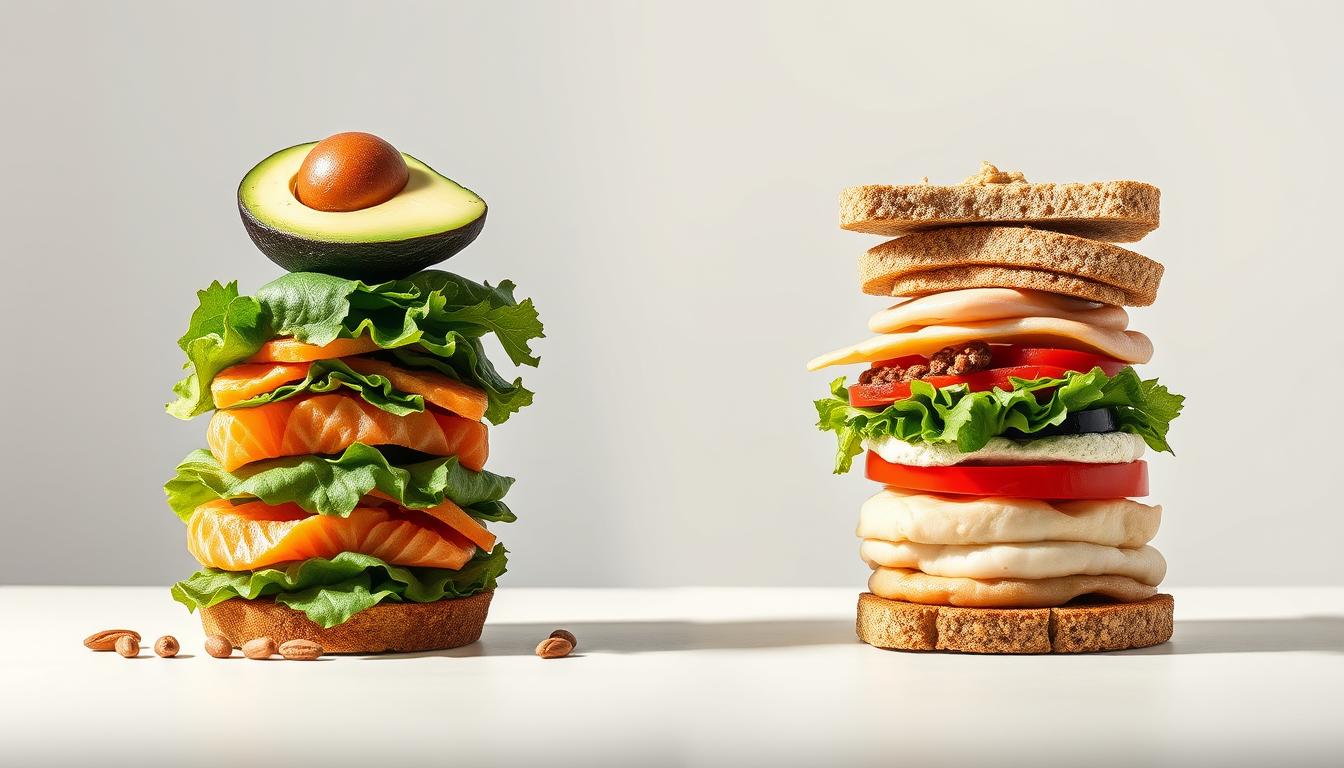
The Contrast: Why a Handful of Nuts Fails Where a Massive Bowl Succeeds
Ever wondered why a small handful of nuts doesn’t fill you up, but a big bowl of veggies does? It’s all about how much space your food takes up in your stomach. With volume eating, you focus on enjoying bigger, more filling portions instead of tiny calories.
This method is key to lasting success. By picking low-calorie, dense foods, you can eat more and still meet your health goals. It’s not just about the calories; it’s how your body handles the volume of your meals.
Analyzing the Caloric Cost of Energy-Dense Snacks
Snacks like nuts or dried fruit seem healthy, but can be misleading. A small handful of almonds has 200 calories but takes up little space. This small size can lead to poor portion control because your brain doesn’t get the “full” signal.
Using these snacks can lead to constant hunger and eating more. This cycle can hurt your volume intake during weight-loss efforts. Think about these factors when picking snacks:
- Water content: Foods with a high water content are more filling.
- Fiber density: Fiber slows digestion and keeps you full longer.
- Physical size: Bigger portions give better hunger satisfaction.
Visualizing the Difference on Your Plate
To grasp the power of low-calorie-density foods, look at your plate. Compare a small pile of nuts to a big bowl of roasted broccoli, cauliflower, and grilled chicken. Both might have the same number of calories, but the veggies offer more satiety.
| Food Item | Approximate Calories | Physical Volume |
|---|---|---|
| Handful of Almonds | 200 | Small (1/4 cup) |
| Roasted Vegetables | 200 | Large (3-4 cups) |
| Lean Chicken Breast | 200 | Medium (4 oz) |
Seeing this difference helps you understand why volume eating is more effective at managing hunger. You’re not missing out; you’re choosing foods that let you eat more while keeping portion control in check. By choosing low-calorie, high-fiber foods, your plate stays full and your cravings are kept at bay.
Techniques to Bulk Your Meals Using Air, Water, and Fiber
Learning to use air, water, and fiber is key to making filling meals. You don’t have to feel hungry to reach your health goals. By choosing high-volume foods, you can eat more without gaining weight.
The Role of Water-Rich Vegetables in Satiety
Water-rich vegetables are great for helping you feel healthy and full. They are mostly water, so they add bulk without many calories. Adding cucumbers, zucchini, and celery to your diet lets you eat more while feeling full.
These low-calorie foods help your stomach feel full. They trigger stretch receptors in your stomach. This tells your brain you’re full, helping you stay satisfied for hours.
Using Air-Incorporation Methods for Texture and Volume
You can also make your meals bigger by adding air to your ingredients. This method changes your food’s texture, making it feel lighter and more filling. It’s a smart way to make a small portion feel like a big, satisfying meal.
Whipped Cauliflower and Mousse Techniques
Whipping is a great way to add air to your food. For example, steaming cauliflower and blending it makes it fluffy like mashed potatoes. This high-volume, low-calorie trick makes your side dishes feel rich and filling.
You can also make light, airy mousses with egg whites or Greek yogurt. These filling dishes feel satisfying in your mouth. Whipping your ingredients doubles the volume of your food without adding extra calories.
Fiber as the Foundation for Long-Term Fullness
A fiber-rich diet is essential for lasting fullness. Fiber slows digestion, keeping your blood sugar stable and preventing hunger. It’s the base for all your high-volume foods.
- Legumes and beans provide both fiber and protein for sustained energy.
- Cruciferous vegetables like broccoli add bulk and essential nutrients.
- Whole grains offer a slow-release fuel source that keeps you full longer.
Combining water-rich vegetables, air incorporation, and high-fiber ingredients creates a powerful effect. This ensures you never feel deprived. Instead, you can enjoy filling meals that support your body and weight loss journey every day.
Selecting High-Volume Low-Calorie Foods for Maximum Fullness
Choosing the right ingredients is key to feeling full without going over your daily calorie limit. Focus on high-volume, low-calorie foods to create a satisfying and weight-loss-friendly plate. These foods let you eat more while keeping your calorie intake low.
Top Leafy Greens and Cruciferous Vegetables
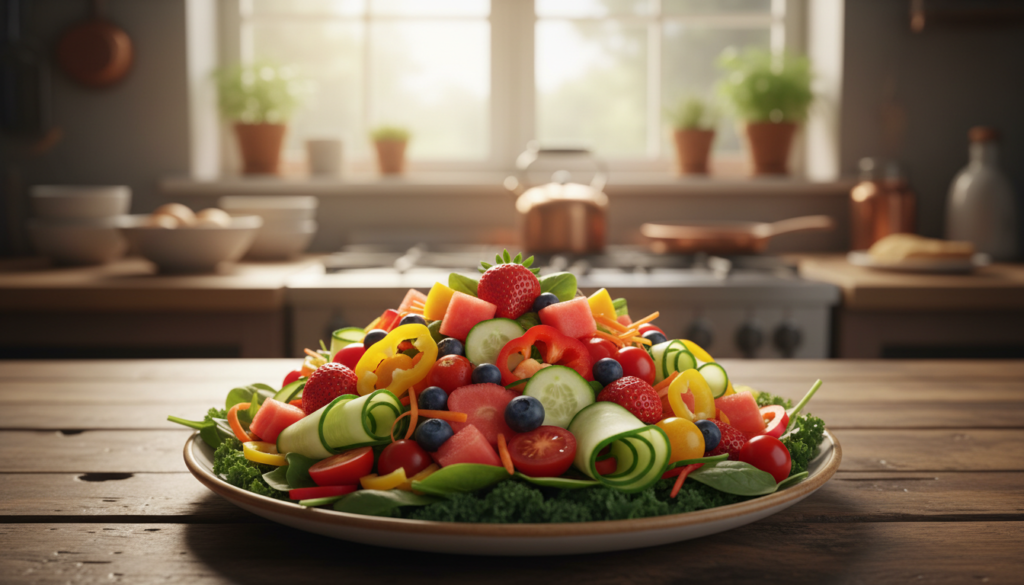
Leafy greens like spinach, arugula, and romaine are high in fiber. They offer lots of volume with few calories, making them great for big salads. You can eat several cups of these greens to stay full for hours.
Cruciferous veggies like broccoli, cauliflower, and Brussels sprouts are also key nutritious high-volume foods. They’re high in fiber, which slows digestion and keeps you fuller longer. Roasting or steaming them adds a nice crunch without adding many calories.
Incorporating Lean Proteins for Satiety
Vegetables give you volume, but lean proteins keep you full. Include chicken breast, white fish, tofu, or egg whites for a balanced meal. These proteins are crucial for keeping muscle mass while losing fat.
Pairing these proteins with veggies makes meals satisfying. This way, you avoid feeling deprived. Your meals will feel complete and satisfying every time.
Choosing Fruits with High Water Content
Fruits add sweetness and volume to your diet. Choose fruits like watermelon, strawberries, and grapefruit for their high water content. These nutrient-dense foods hydrate you and provide vitamins without many calories.
Using these high-volume foods in snacks or desserts helps you avoid high-calorie options. By picking nutritious, high-volume foods, you keep your blood sugar stable and cravings under control. Making these simple changes helps you stay on track in the long term.
Strategic Meal Planning for Satiety-Inducing Results
Planning your meals is key to feeling full and losing weight. It helps you avoid bad food choices. With good weight management strategies, you’ll always have satiety-promoting meals ready to go.
Structuring Your Plate for Balanced Nutrition
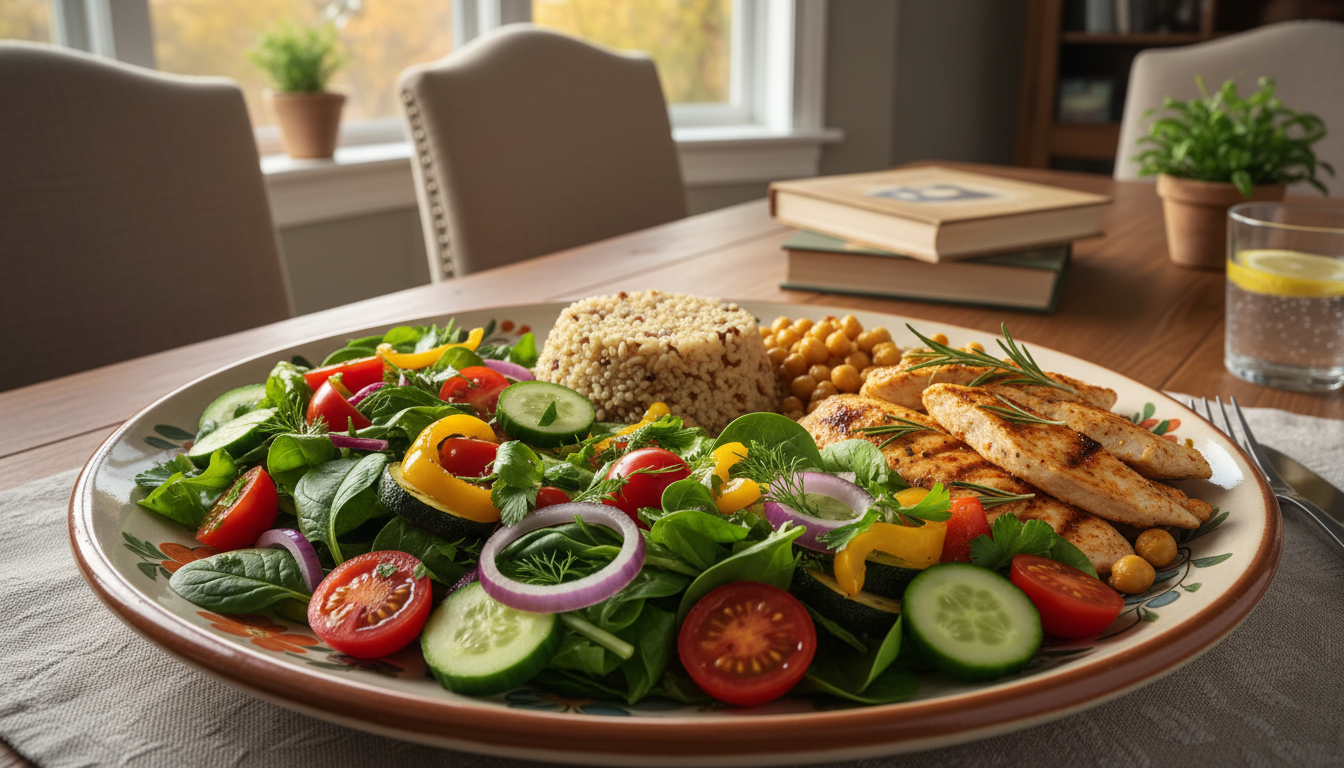
To make satiety-inducing meals, focus on the layout of your plate. Start with half veggies, which fill you up. Add lean protein and complex carbs for energy.
This way, you can enjoy satisfying weight-loss dishes without feeling trapped. Fiber, protein, and water-rich foods keep your blood sugar stable. This stops the energy crash that leads to bad snacking.
Batch Cooking High-Volume Staples
Having weight-loss-friendly staples ready makes life easier. Spend a few hours each week cooking big batches of veggies, grains, or lean proteins. This makes quick, satiating meal ideas possible, even when you’re busy.
With a fridge full of pre-portioned, weight-loss-friendly meals, you won’t turn to junk food. Keep containers of greens or pre-cut veggies for quick meals. They’re perfect for any fast lunch or dinner.
The Importance of Preparation for Consistent Success
Preparation is crucial for staying on track with your weight management strategies. Planning your satiety-inducing meals in advance reduces stress. It helps you stay focused on your goals and avoid bad choices.
Remember, weight loss meals should be enjoyable and doable. Choose satiating meal ideas you love. This turns meal prep into a positive habit. Soon, preparing weight-loss-friendly foods will become second nature, leading to lasting health benefits.
How to Modify Your Favorite Recipes for Higher Volume
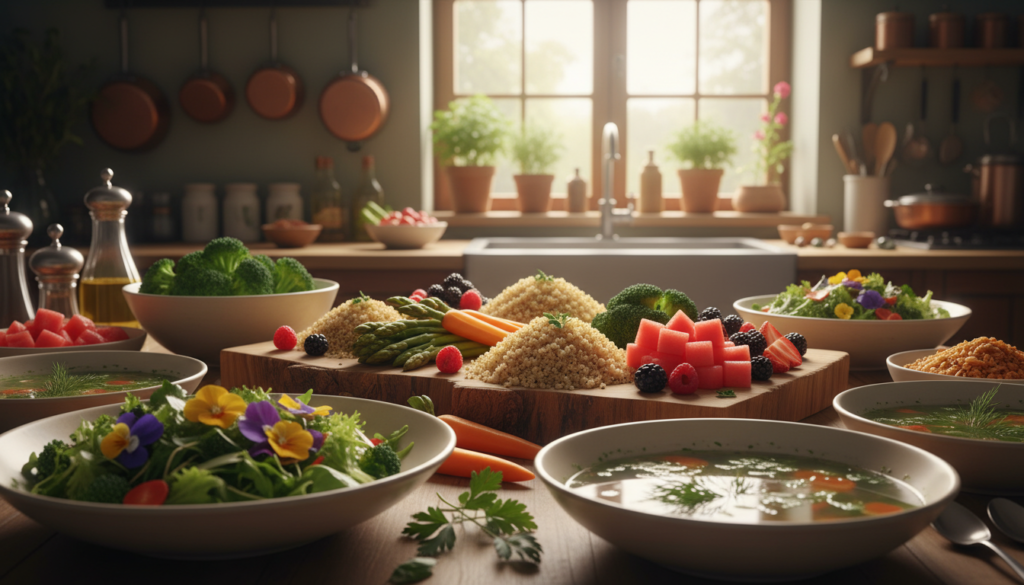
Making your favorite meals bigger without adding calories is simple. Focus on calorie density to enjoy bigger portions while staying healthy. Small changes in cooking can turn your meals into nutritious, filling dishes that keep you full without extra calories.
Swapping Ingredients for Lower Calorie Density
To make filling low-calorie meals, swap high-calorie ingredients for low-calorie options. For instance, use half a zucchini or a cauliflower instead of pasta. This trick makes your meals bigger and healthier.
These satiating meal ideas use water-rich veggies for bulk. They keep your meals full and flavorful, reducing calorie density. This way, you feel full and satisfied after eating.
Adding Bulk Without Sacrificing Flavor
You don’t have to give up taste when adding volume. Use ingredients like mushrooms, shredded cabbage, or diced bell peppers. They soak up flavors, making your filling dishes just as tasty as before.
Using Herbs and Spices to Enhance Satisfaction
When you cut down on fat or sugar, bold flavors are key. Herbs and spices, like fresh basil and smoked paprika, make your meals exciting. They turn simple ingredients into gourmet dishes.
| Standard Ingredient | High-Volume Swap | Benefit |
|---|---|---|
| White Rice | Cauliflower Rice | Lower calorie density |
| Heavy Cream | Greek Yogurt or Pureed Beans | Higher protein and volume |
| Ground Beef | Lentils and Mushrooms | Increased fiber and bulk |
| Pasta | Shirataki Noodles or Zoodles | Massive portion increase |
Using low-calorie, high-volume recipes lets you enjoy big portions of your favorite foods. Try these tips to find the perfect balance of taste and satisfaction. These filling meals will help you stay on track and keep your taste buds happy.
Navigating Social Situations and Dining Out with Volume Principles
You can confidently order at any restaurant by using volume eating principles. You don’t have to miss out on social events or avoid friends. By choosing high-volume, low-calorie foods, you can enjoy meals out while staying on track.
Making Smart Choices at Restaurants
At a restaurant, look for dishes with lots of veggies and lean proteins. Many menus offer low-calorie options, such as big salads or soups. These filling meal options make you feel full without too many calories.
Don’t be afraid to ask for changes, like dressing on the side or extra broccoli. Picking high-volume, low-calorie options lets you finish your meal without too many calories. This is key for managing your weight.
| Standard Dish | Volume Swap | Benefit |
|---|---|---|
| Creamy Pasta | Zucchini Noodles with Marinara | Higher fiber, lower calories |
| Large Fries | Side Salad or Steamed Veggies | Increased water content |
| Fried Appetizers | Vegetable-based Soup | Better satiety per bite |
Handling Social Pressure and Portion Expectations
Social pressure can be tough when everyone eats high-calorie foods. Remember, your plate is yours alone. You can order a high-volume, low-calorie meal that’s filling and healthy.
If you’re worried, focus on talking rather than eating. People usually care more about you than what you’re eating. Sticking to high-volume, low-calorie meals shows you can enjoy dining out without losing your way.
Maintaining Your Habits While Traveling
Travel can mess with your routine, but you can stay on track. Look for grocery stores or markets to buy fresh food. Having fruits, veggies, and lean proteins on hand means you won’t rely on fast food.
When eating out, choose places with customizable meals. Drinking water helps you feel full. Planning ahead lets you enjoy your trip while keeping your healthy eating habits in check.
Common Pitfalls to Avoid When Starting Your Volume Journey
Starting a high-volume, low-calorie lifestyle is more than just changing your diet. It’s about listening to your body’s needs for healthy eating habits in the long run.
Avoiding the Trap of Over-Restricting Nutrients
It’s easy to focus too much on low-calorie density in your meals. But don’t forget about essential nutrients. A big mistake is eating only leafy greens and forgetting about healthy fats and proteins.
Your body needs a mix of macronutrients to work right and keep your metabolism going. Aim for satiety-inducing meals with lots of colors and food groups. This way, you get all the vitamins and minerals for good health.
Managing Digestive Adjustments to High Fiber
When you start eating more low-calorie, high-volume foods, your stomach might take time to adjust. A fiber-rich diet helps you feel full, but too much fiber too fast can cause discomfort.
To ease your body’s transition, gradually increase your fiber intake over the course of weeks. Drinking lots of water is also key. It helps fiber move through your body without bloating.
Staying Consistent When Progress Stalls
Weight loss isn’t always steady, and sometimes it seems like you’re not making progress. Don’t give up or stop eating nutritious, high-volume foods.
Look for other signs of improvement, such as increased energy or better sleep. Keep eating nutritious, high-volume foods to fuel your body. This will help you overcome plateaus and reach your goals.
Conclusion
Embracing volume-based weight loss changes how you see food every day. You move from strict rules to a life full of variety. This makes your health journey feel natural and lasting.
The volumetrics diet gives you a clear plan for success. By focusing on volume, you make meals that keep you full all day. You won’t worry about getting hungry with the right foods.
Try different satiating recipes to keep your meals exciting. These meals show you can enjoy great taste without losing weight. Your kitchen becomes a place of healthy, tasty meals.
Begin by filling your plate with low-calorie, high-volume foods. These dishes give your body the satisfaction it needs. Every meal becomes a step towards your wellness goals.
Consistency is key to your success. Keep trying new foods and ingredients to stay on track. Your journey to a healthier you starts with every bite.