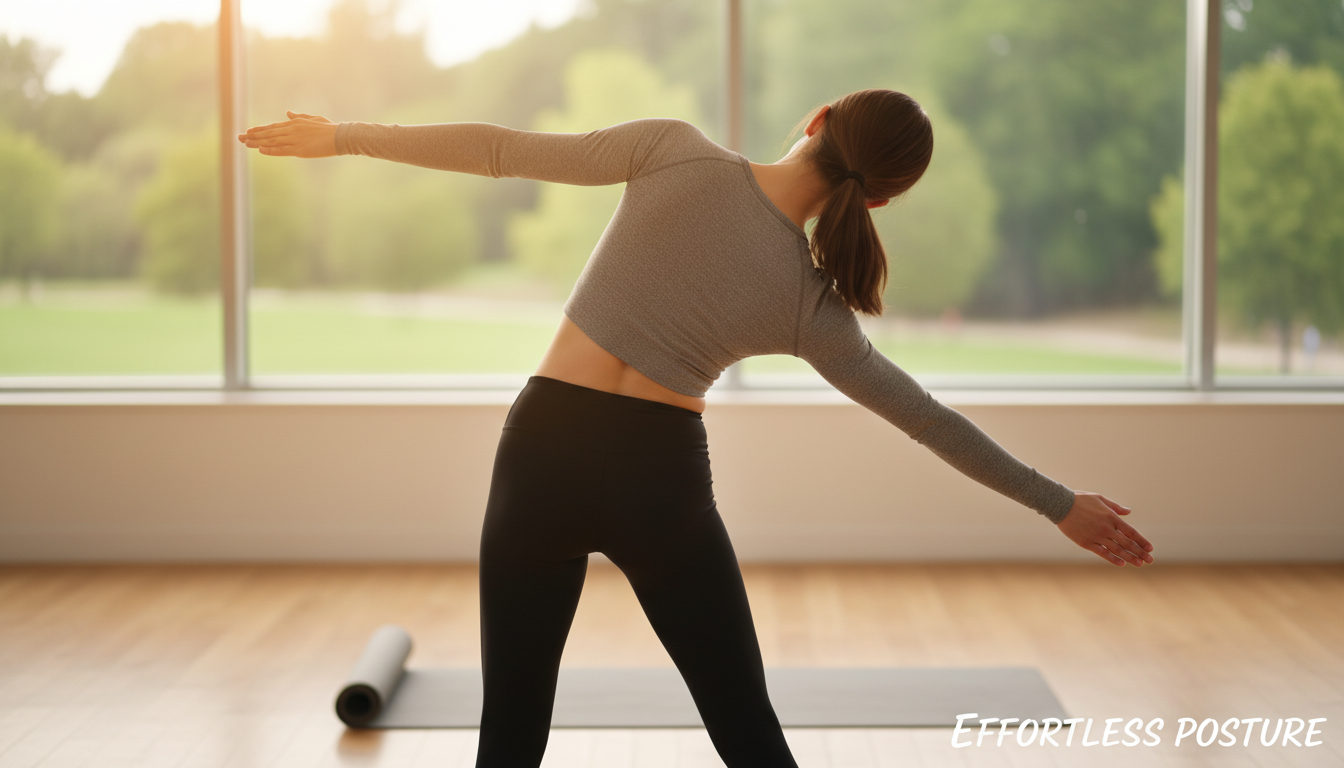
Do you feel stiff after sitting for hours? Many people ignore the need for thoracic spine mobility to improve their posture. Your mid-section is key to your body’s alignment, yet it’s often overlooked.
Improving upper back mobility is the secret to better posture correction. When your joints move well, you feel more comfortable. This simple change helps you stand taller and move with confidence all day.
These movements also boost your breathing efficiency. By opening your chest, you can fully expand your lungs, increasing your energy. Adding upper back stretches to your routine can change how you feel and move. Learn how to keep your body healthy and flexible with these proven techniques.
Key Takeaways
- Prioritizing mid-section flexibility is essential for long-term physical health.
- Better alignment reduces daily stiffness and prevents chronic discomfort.
- Improved joint range allows for deeper, more efficient lung capacity.
- Small, consistent movements lead to lasting changes in your physical presence.
- Unlocking your frame is the secret to moving with ease and confidence.
The Anatomy of a Locked Mid-Back
The secret to effortless posture lies deep within the twelve vertebrae of your thoracic region. This area serves as the structural anchor for your ribcage and the primary support for your respiratory muscles. Prioritizing thoracic spine flexibility is essential for maintaining overall spine health and ensuring your body functions as a cohesive unit.
Understanding the Thoracic Spine
Your thoracic spine consists of twelve individual vertebrae that connect to your ribs. Unlike the highly mobile neck or the weight-bearing lower back, this section is designed for stability and protection. However, it also requires a specific degree of rotation to allow for fluid movement during daily tasks.
When this area becomes rigid, it compromises your thoracic spine health. You may notice that simple reaching or twisting motions become difficult or uncomfortable. Learning ways to enhance thoracic spine movement is the most effective strategy to restore natural function to this vital area.
Why Modern Lifestyle Habits Stiffen the Ribcage
Modern life often forces you to hunch for hours at a time. Whether you are driving, typing at a desk, or scrolling on your phone, you likely adopt a posture that creates an exaggerated curve in your upper back. This repetitive strain leads to a condition known as kyphosis, which effectively locks your ribcage in a fixed position.
To improve upper back flexibility, you must first address these sedentary patterns. Incorporating consistent thoracic spine exercises into your routine helps counteract the effects of gravity and prolonged sitting. By focusing on these movements, you can improve thoracic mobility and regain the freedom of motion you deserve.
| Movement Type | Healthy Spine | Locked Spine |
|---|---|---|
| Rotation | Fluid and pain-free | Stiff and restricted |
| Breathing | Full lung expansion | Shallow, limited capacity |
| Posture | Upright and aligned | Hunched and rounded |
| Daily Comfort | High energy levels | Frequent muscle tension |
The Domino Effect of Poor Thoracic Spine Mobility
A stiff thoracic spine is like a broken link in a chain. It forces other parts of your body to work too hard. When your mid-back can’t move well, your body finds ways to do daily tasks.
This leads to a domino effect, causing chronic pain in other areas. It’s a chain reaction that’s hard to stop.
Improving your upper-body mobility is key to breaking this cycle. By improving your ribcage’s movement, your spine can work as it should. This is crucial for lasting upper back pain relief and protecting your joints.
How Your Neck Compensates for Stiffness
When your thoracic spine is stiff, your neck tries to help out. But your neck is not made for this. It’s meant for stability and fine movements, not for taking on extra work.
This extra work tightens your neck and shoulder muscles. It affects your shoulder health in big ways.
You might notice your head leaning forward when you reach or sit. This is a sign your mid-back isn’t moving right. Over time, it causes tension and fatigue in your upper traps and neck.
The Hidden Link Between Mid-Back Tension and Lower Back Pain
Your lower back also suffers when your thoracic spine is stiff. The lumbar spine can’t rotate as much as it should. So, it can’t handle tasks meant for your mid-back.
When you twist or reach, your lower back has to rotate too much. This can lead to injury.
By focusing on spinal health, you can better distribute forces. Unlocking your mid-back gives your lumbar spine the stability it needs. This simple change is crucial for avoiding back pain and staying active.
Unlocking the Ribcage for Better Breathing Efficiency
Your ribcage is like a cage for your lungs. But when your spine loses flexibility, it becomes a prison. This makes it hard to breathe deeply.
By focusing on respiratory wellness, you can break free. Using proper breathing techniques for mobility lets your ribcage move freely. This way, every breath is deep and refreshing.
The Connection Between Spinal Flexibility and Lung Capacity
Your breathing is linked to the flexibility of your mid-back. Each rib connects to your thoracic spine. So, when your spine is stiff, your ribs can’t move right.
Improving your spinal mobility lets your lungs fill up fully. Using deep breathing techniques with spinal movement trains your body. This is key to better posture and energy.
How Restricted Movement Limits Your Diaphragm
Your diaphragm is key to breathing, but it needs a mobile ribcage. If your thoracic spine is stiff, your intercostal muscles get tight. This stops your diaphragm from working fully.
To fix this, use breathing techniques that focus on the ribcage. Try these three simple exercises to open your chest:
- Seated Ribcage Shifts: Sit up straight and gently move your ribcage side-to-side. Keep your hips still.
- Standing Thoracic Rotations: Hold your shoulders and slowly turn your torso. Focus on your mid-back, not your lower back.
- Wall-Supported Chest Openers: Put your forearms on a doorframe and lean forward. This stretches the tight muscles around your ribcage.
Doing these breathing exercises regularly keeps your ribcage flexible. Using these proper breathing techniques every day ensures your body gets enough oxygen.
Mastering the PhearNot Posture
The PhearNot posture is a new way to move through the world. It’s about standing tall with confidence, not stiffly. When you correct your posture, you feel more natural and graceful. This helps you improve your posture every day.
Defining the Confident Upright Stance
This stance isn’t about forcing your shoulders back. It’s about aligning your spine in a way that feels easy. By improving your posture, you build a strong base for the day. You can improve your posture with exercises that keep your shoulders and spine healthy.
Choosing this posture has many benefits for your body:
- More energy from better airways.
- Less pain in your neck and back.
- A more confident and friendly body.
Why Mobility Beats Muscle Strength for Alignment
Many think big muscles are key to posture alignment. But true alignment comes from being mobile. With improved posture exercises, you work on moving freely without strain.
By focusing on these posture exercises, you align your thoracic spine. This lets you move smoothly. The right exercises make your body strong and ready for anything.
Essential Preparation for Your Mobility Routine
Success in any upper back mobility routine begins before you start stretching. Preparing your space and focus helps make your thoracic spine exercises more effective. This effort ensures your movements help your body in the long run.
Creating a Safe Environment for Spinal Work
A dedicated space is key for consistent practice. Make sure you have enough room to move freely, whether at home or in an office. A stable surface is crucial for safe and controlled movements.
To set up a supportive environment, follow these steps:
- Clear a dedicated area free from furniture or sharp edges.
- Use a non-slip mat to provide stability during floor-based spinal mobility exercises.
- Minimize distractions to maintain the focus needed for precise movement.
- Keep your equipment, such as foam rollers or blocks, within easy reach.
Listening to Your Body During Movement
True thoracic spine flexibility means moving with awareness and respect for your limits. As you do thoracic mobility drills, listen to your body’s signals.
If you feel sharp pain, stop right away and adjust your posture. Spine mobility exercises should feel like a gentle release, not a struggle. Staying mindful prepares your body for a greater range of motion, which is essential for thoracic spine health.
Open Book Rotations for Thoracic Freedom
Getting your thoracic spine to move freely starts with simple, effective movements. The open book stretch is a top upper back mobility exercise for releasing tension. It targets the mid-back and boosts your posture.

This stretch is key for chest opening. It lets your ribcage expand, making breathing deeper and moving easier.
Step-by-Step Execution of the Open Book Stretch
To do this stretch, lie on your side with your knees bent at 90 degrees. Hold your arms straight out in front, palms together.
- Slowly lift your top arm up, keeping your eyes on your hand.
- Rotate your torso as far as you can, keeping your knees together.
- Hold for a few seconds to feel the stretch, then go back to the start.
Doing these thoracic spine stretches regularly boosts your upper back flexibility. Do ten reps on each side for the best results.
“True spinal health is found in the ability to rotate through the thoracic region without compensating through the lower back or neck.”
Common Mistakes to Avoid During Rotation
Many struggle with upper back stretches because they rush or use poor form. It’s crucial to keep your knees together to rotate your thoracic spine, not your hips.
| Common Error | Corrective Action | Benefit |
|---|---|---|
| Lifting knees off the floor | Keep knees pressed together | Isolates the thoracic spine |
| Holding breath | Exhale during rotation | Increases range of motion |
| Moving too quickly | Use slow, controlled motion | Prevents muscle strain |
Avoiding these mistakes keeps your upper back mobility safe and effective. Focus on doing it right to improve upper back flexibility and open up your ribcage for better health.
Quadruped Thread the Needle Drills
The quadrupod thread-the-needle drill is a great way to loosen tension in your mid-back. It uses a four-point stance for stability, allowing for deep, controlled movements. This drill is a top choice for improving your daily movements.
Targeting the Mid-Back Through Controlled Rotation
Start on your hands and knees with your wrists under your shoulders. Reach one arm under your torso, moving your shoulder towards the floor while keeping your hips steady. This stretch helps your shoulder health and thoracic spine mobility.
Regular practice of these back mobility exercises can loosen the rib cage, which can get stiff from sitting too much. This drill is a great chest-opening stretch to fight against a slouchy posture. Here are the main benefits:
- Increased rotational capacity in the thoracic spine.
- Reduced stiffness in the muscles around the shoulder blades.
- Improved coordination between your hips and upper body.
“True mobility is not just about flexibility; it is about the ability to control your body through a full range of motion.”
Modifying the Drill for Increased Range of Motion
If you’re new to spinal mobility exercises, the full rotation might be tough at first. You can start by placing a yoga block under your head as you reach through. This makes it easier for your shoulder to move while still stretching safely.
As you get more comfortable, try to keep your eyes on your hand to increase the rotation. Focus on doing the exercises well rather than doing a lot of them. Listen to your body to keep the thoracic mobility drills safe and effective for your long-term goals.
Seated Thoracic Twists for Daily Maintenance
If you spend a lot of time hunched over a keyboard, these seated twists can help. They are great for fighting off tension. By doing these stretches, you can keep your upper back more flexible throughout the day.
Performing Effective Twists at Your Desk
Start by sitting up straight in your chair with your feet on the floor. Put your right hand on the outside of your left knee. Then, slowly turn your body towards the back of the chair. These upper back mobility exercises are gentle yet very effective for relieving upper back pain.
While twisting, keep your hips facing forward. This makes sure the movement is in your upper back, not your lower back. Adding chest opening stretches to this twist helps expand your chest and improve breathing. Hold each side for a few seconds to get the most benefit.

Integrating Mobility Breaks into Your Workday
Staying active is crucial when you’re at a desk for hours. You don’t need a gym or special gear for these back mobility exercises. Just set a reminder to take a break every hour.
These quick upper back mobility drills only take a minute. They’re great for a busy day. By making movement a regular part of your day, you keep your spine from getting stiff. Looking after your physical health during work hours keeps you comfortable and focused.
Building a Sustainable Upper Back Mobility Routine
Transform your daily movements by creating a lasting upper back mobility routine. Real change takes time, not just one day. By adding thoracic spine exercises to your routine, you support your spinal health and overall well-being.
Frequency and Consistency for Lasting Results
Consistency is key to better posture. Aim to do your thoracic mobility drills four to five times a week. Short, daily workouts are better than one long, tiring session.
Focus on thoracic spine flexibility to fight stiffness from sitting too much. Remember, proper posture tips work best when done regularly. Over time, these small steps naturally correct your thoracic spine alignment.
Tracking Your Progress in Spinal Flexibility
It’s important to track your progress to stay motivated and improve your posture. Note how easy it is to do daily tasks without pain. If reaching overhead or rotating your torso feels easier, you’re on the right track.
Use the table below to track your growth and stay committed to spine mobility exercises. Regular tracking helps you see which upper back posture exercises help you the most.
| Metric | Initial State | Target Goal | Improvement Strategy |
|---|---|---|---|
| Rotation Range | Limited | Full Mobility | Daily Twists |
| Breath Depth | Shallow | Deep Capacity | Ribcage Drills |
| Daily Comfort | Frequent Tension | Pain-Free | Consistent Routine |
| Posture Correction | Slumped | Upright Stance | Regular Alignment |
By combining these improved posture exercises, you make movement a lifelong habit. Stay committed to your thoracic spine health to keep improving your posture. Keep moving, stay consistent, and enjoy a flexible, healthy spine.
Conclusion
Unlocking your thoracic spine is key to better breathing and a confident posture. You can change your body by focusing on spinal health daily.
Regular practice of these movements helps provide lasting relief from upper back pain. Your body will feel more flexible as you make these exercises part of your morning routine. This allows your ribcage to fully expand with each breath.
Improving your breathing sets the stage for more energy all day. Use these simple techniques during your lunch or at your desk. Deep breathing acts as a reset for your nervous system.
Learning to breathe properly for better posture takes time and effort. Small breaks for mobility are crucial for long-term spinal health. Begin your journey to a flexible, pain-free upper back today.