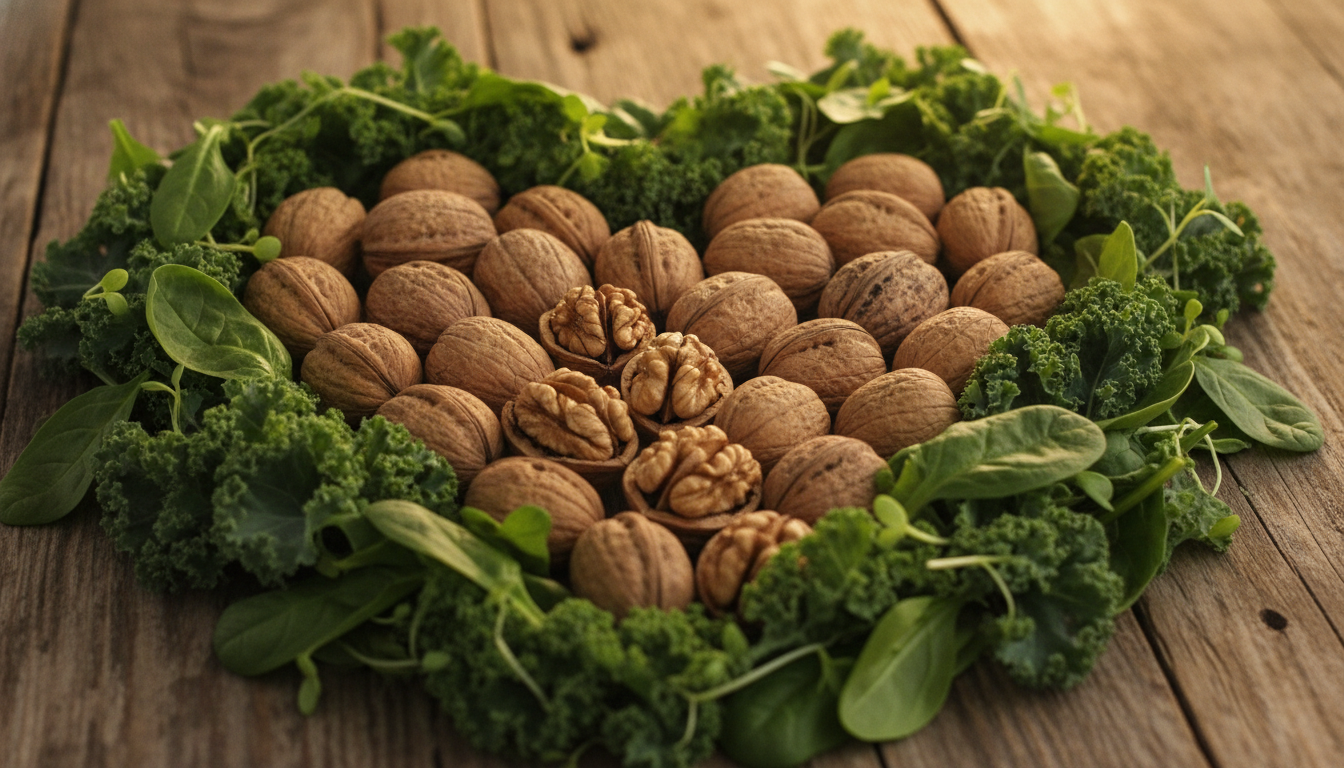
A strong cardiovascular system often starts with the choices you make in your kitchen. Research on walnuts and heart health names these nuts a leading plant-based choice for your daily routine.
These snacks provide alpha-linolenic acid, a vital plant-based omega-3 fatty acid. This nutrient mix helps explain why experts often highlight walnuts for natural body support.
Regular consumption may lower cholesterol and reduce inflammation throughout the body. Walnuts are not a stand-alone cure, but adding them to your diet may help manage cholesterol and heart disease risks. They also support gut bacteria and blood pressure control, helping protect long-term health.
Key Takeaways
- Walnuts provide a rich source of plant-based fats that support cardiovascular function.
- Specific fatty acids help manage healthy cholesterol levels.
- Regular intake is linked to reduced inflammation throughout your body.
- These nuts contribute to a balanced gut microbiome, which aids overall wellness.
- Incorporating this superfood is a simple, effective strategy for long-term protection.
Walnuts, heart health, walnut benefits, alpha-linolenic acid, ALA omega-3: What the New Evidence Shows
You might be surprised that the simple walnut is now viewed as a top food for cardiovascular wellness. Among many heart-healthy nuts, this variety stands out for its unique nutrition. Walnuts offer nutrients that support your body from the inside out.
Why walnuts are receiving renewed attention in cardiovascular nutrition
Researchers are studying how walnuts support walnuts and cardiovascular health. Unlike many snacks, these nuts provide fiber, plant-based protein, and essential micronutrients. The omega-3 fatty acids in walnuts, especially alpha-linolenic acid (ALA), make them a strong choice for healthier eating.
Researchers now know walnuts offer more than healthy fats. They contain polyphenols and antioxidants that work together to support your body. Adding them to your routine gives your body tools beyond basic calories.
What the latest research says about walnuts and heart disease risk
Recent clinical studies show more clearly how these nuts affect internal markers. Much research focuses on walnuts and cholesterol, with evidence linking regular intake to healthier lipid profiles. Scientists also study their possible effects on blood pressure, inflammation, and gut health.
The data suggest these benefits don’t come from a single mechanism. Instead, the synergistic effect of walnut nutrients may support better vascular function. This may help blood vessels stay flexible and responsive, which supports long-term heart protection.
How this news fits into established heart-healthy eating guidance
These findings belong within a broader, balanced approach to nutrition. Experts recommend whole grains, fresh produce, beans, and lean proteins like fish, along with a daily serving of walnuts. This strategy avoids relying on a single “superfood” and builds a strong foundation for your health.
Adding walnuts to your diet can replace less healthy, processed snacks. Choose raw or dry-roasted options, following current medical advice. This simple change supports a heart-healthy pattern that can serve your long-term wellness goals.
What the Meta-Analysis Found About Walnuts and Cholesterol
Scientists recently reviewed 49 clinical trials to study the role of walnut nutrition in managing blood lipids. The evidence offers a clearer view of how these nuts may affect the body. It also provides evidence-based information for improving heart health.
evidence base and what researchers measured
The meta-analysis examined how regular walnut consumption affects key signs of cardiovascular health. Researchers measured LDL cholesterol, total cholesterol, and triglycerides in 49 trials. The combined results showed consistent benefits from omega-3 fatty acids in walnuts.
Average LDL cholesterol reduction of about 5.7 mg/dL
One major finding involved low-density lipoprotein, often called “bad” cholesterol. Participants who added walnuts to their daily routine saw an average reduction of approximately 5.7 mg/dL. This suggests that walnuts can offer a practical, food-based strategy for heart disease management for many adults.
Total cholesterol reduction of about 6.4 mg/dL
The study also measured changes in overall cholesterol levels. Total cholesterol fell by an average of about 6.4 mg/dL. These findings support walnuts as part of a balanced lifestyle for heart disease prevention.
Triglyceride reduction of about 6.2 mg/dL
The research tracked triglycerides, another important blood fat. People who ate walnuts regularly had an average reduction of about 6.2 mg/dL. Adding walnuts to a healthy diet may bring these changes alongside other healthy lifestyle choices.
Why modest changes can matter for long-term cardiovascular health
You might wonder whether these small changes matter. They can add up and support your vascular system over time. It is important to remember that:
- Individual results will vary based on your baseline health.
- Walnuts work best when paired with other heart-healthy habits.
- Consistency is more important than short-term spikes in intake.
- These findings support a holistic approach to wellness.
Always keep in mind that these results are averages across large groups. You should not expect identical outcomes because your biology and overall diet affect your health.
How Walnuts’ Healthy Fats May Protect Your Cardiovascular System
Your heart needs healthy fats, and walnuts provide them in a simple, nutritious food. Adding walnuts to your daily routine gives your body nutrients that support long-term wellness. These walnuts for heart health offer nutrients that support your cardiovascular system.
Alpha-linolenic acid as a plant-based omega-3 fatty acid
Walnuts rank among the best ALA-rich foods in the modern diet. Alpha-linolenic acid (ALA) is an essential omega-3 fatty acid your body cannot make. Because ALA comes from plants, it offers an option for people who rarely eat fish.
Polyunsaturated fats and the replacement of saturated fat
Replacing unhealthy fats can improve your lipid profile. Swap saturated fats from butter or processed snacks for the polyunsaturated fats in walnuts to lower LDL cholesterol. This simple change supports heart health.
How omega-3 fatty acids in walnuts may influence blood vessels
Omega-3 fatty acids in walnuts help keep blood vessels flexible. Flexible vessels support better blood flow and reduce strain on your heart. This may help maintain healthy blood pressure, making walnuts a smart choice for heart maintenance.
The difference between ALA in walnuts and marine omega-3s
It is important to know the differences among omega-3 fats. Marine sources like salmon provide EPA and DHA, while walnuts provide ALA.
Your body can convert some ALA into EPA and DHA, but this process is limited. Still, ALA offers unique protective benefits for your cardiovascular system.
Walnut nutrition beyond fat, including fiber and plant compounds
Walnuts offer benefits beyond their healthy fat content. They contain micronutrients and plant compounds that add to their overall nutritional value. These components appear in every serving:
- Dietary Fiber: Helps manage cholesterol levels and supports digestive health.
- Magnesium: A vital mineral that helps regulate blood pressure.
- Copper and Manganese: Essential trace minerals that support antioxidant defenses.
- Polyphenols: Protective plant compounds that help combat oxidative stress.
Walnuts, Inflammation, and the Processes Behind Heart Disease
Beyond cholesterol numbers, walnuts and heart health both involve managing internal inflammation. Although many people focus on lipid profiles, walnuts’ cardiovascular benefits reach your body’s cellular defense systems.
How chronic inflammation can affect cardiovascular health
Chronic inflammation acts like a slow-burning fire inside your arteries. Over time, this ongoing process can damage the delicate lining of your blood vessels, called the endothelium.
When this lining weakens, plaque can build up more easily. Addressing this stress gives your body a better chance to protect long-term arterial integrity.
Antioxidants and polyphenols in walnuts
Walnuts contain antioxidants that help neutralize harmful free radicals. These compounds, especially polyphenols, help reduce oxidative stress, which can trigger inflammation.
Research focuses mainly on the heart, but these protective compounds may also support walnuts’ brain health. These nutrient-dense nuts may help shield your cells from damage.
How walnuts may support healthier blood vessel function
Healthy blood vessels must stay flexible to manage blood flow well. Walnuts provide nutrients that support this flexibility and smooth circulation.
Flexible vessels reduce the effort your heart needs to pump blood throughout your body. This proactive approach supports a strong cardiovascular system.
Why anti-inflammatory effects complement cholesterol improvements
View these benefits as part of a larger picture. You may wonder how walnuts reduce cholesterol, but anti-inflammatory effects provide an important partner.
Reducing inflammation helps stabilize the environment where cholesterol levels exist. Think of it as a holistic strategy where lowering lipids and calming inflammation work together to protect your heart better than either could alone.
Gut Health, Blood Pressure, and Irregular Heartbeats
Beyond their known effects on cholesterol levels, walnuts may support gut health and heart rhythm. These nutrient-rich nuts combine fiber and healthy fats, which may affect the body in ways scientists still study.
How walnuts may support beneficial gut bacteria
Your digestive system contains a complex community of microbes that supports overall well-being. Research shows that walnut fiber and polyphenols act as prebiotics, or fuel for beneficial gut bacteria.
These nuts may support a diverse, healthy microbiome and help protect the gut lining. This matters because a balanced gut may support better overall health and brain health.
The connection between gut health and blood pressure support
Growing evidence suggests that a healthy gut microbiome may support blood pressure control. When gut bacteria thrive, they produce short-chain fatty acids that help regulate vascular tone.
This promising process may support cardiovascular health, but it cannot cure hypertension on its own. Adding walnuts’ healthy fats to your daily routine may support this balance. However, walnuts should not replace medical treatment for high blood pressure.
What researchers suggest about walnuts and heart rhythm
Some studies examine whether walnuts’ anti-inflammatory properties may help stabilize cardiac rhythm. By lowering systemic inflammation, these nuts might reduce the risk of irregular heartbeats.
However, research on this topic is still developing. Walnuts may offer protection, but researchers are still studying the dose and time needed for meaningful changes in heart rhythm.
What is known and what remains uncertain about irregular heartbeats
Healthy fats and antioxidants clearly support a stronger heart. However, the link between walnut consumption and preventing arrhythmias is less certain than evidence about lipid profiles.
Consider these findings as part of a broader cardiovascular health plan. Research looks promising, but more clinical trials must show whether walnuts independently reduce irregular heartbeats in the general population.
How Many Walnuts Should You Eat for Heart Health?
Adding the right portion of walnuts each day can support your cardiovascular system. These nuts are nutrient-dense, so the right amount helps you gain their antioxidant properties without excess calories.

The evidence-backed target of 1.5 ounces, or 42 grams, daily
Research often points to a specific daily amount for the best results. Clinical studies often cite about 1.5 ounces, or 42 grams, of walnuts each day. This serving provides a concentrated dose of beneficial nutrients that support long-term wellness.
Why even a 1-ounce serving can be a practical starting point
If 1.5 ounces seems like a lot, start with 1 ounce. This serving offers an effective way to add walnut antioxidants to your daily routine. Even this smaller portion supports your overall nutrition goals.
What a daily walnut portion looks like in cups, handfuls, and meals
Seeing your portions makes it easier to include walnuts in a heart-healthy diet. You can spread your daily portion across meals to help keep energy levels steady.
- Breakfast: Sprinkle a quarter-cup of chopped walnuts over your morning oatmeal or yogurt.
- Lunch: Add a small handful to your favorite garden salad for extra crunch.
- Snack: Keep a pre-measured baggie of walnuts at your desk for a quick, heart-smart pick-me-up.
- Dinner: Incorporate crushed walnuts into a crust for fish or mix them into a vegetable stir-fry.
How to keep portions consistent when serving sizes vary
A “handful” can be hard to measure because hand sizes differ. Use a measuring cup or kitchen scale sometimes to get the right amount of walnut antioxidants. This habit helps you get the intended cardiovascular benefits of walnuts without guessing your daily intake.
Why Walnuts Do Not Necessarily Lead to Weight Gain
You might wonder whether walnuts’ high calorie count could hurt your waistline. Although walnuts are energy-dense, eating walnuts for heart health does not automatically cause weight gain.
Accounting for walnuts’ calorie density
Walnuts provide concentrated energy, so portion control remains important. However, your body does not process these calories like processed sugars or refined carbohydrates.
Replacing unhealthy snacks instead of adding extra calories
The best way to incorporate walnuts into your diet is to replace less nutritious foods. Swap processed chips, crackers, or sugary snacks for a handful of walnuts instead of adding them to your usual intake.
“The key to weight management is not just counting calories, but focusing on the quality of the food you consume to ensure long-term satiety and metabolic health.”
Research linking walnut consumption with stable weight or reduced waist circumference
Clinical studies consistently show that moderate walnut consumption does not cause weight gain. Some research even links regular intake with a smaller waist circumference over time. This effect may result from the unique nutritional profile of these omega-3-rich foods.
How satiety, fiber, and healthy fats may affect appetite
The benefits of ALA in walnuts extend beyond cardiovascular support and may help regulate appetite. Fiber, protein, and walnuts’ healthy fats help you feel full longer. This natural fullness can help you manage daily calorie intake without feeling deprived.
Ways to Incorporate Walnuts Into a Heart-Healthy Diet
Adding nutrient-dense walnuts does not require a complete diet overhaul. Small choices can boost your intake of healthy fats, walnuts, and essential nutrients that support your body.
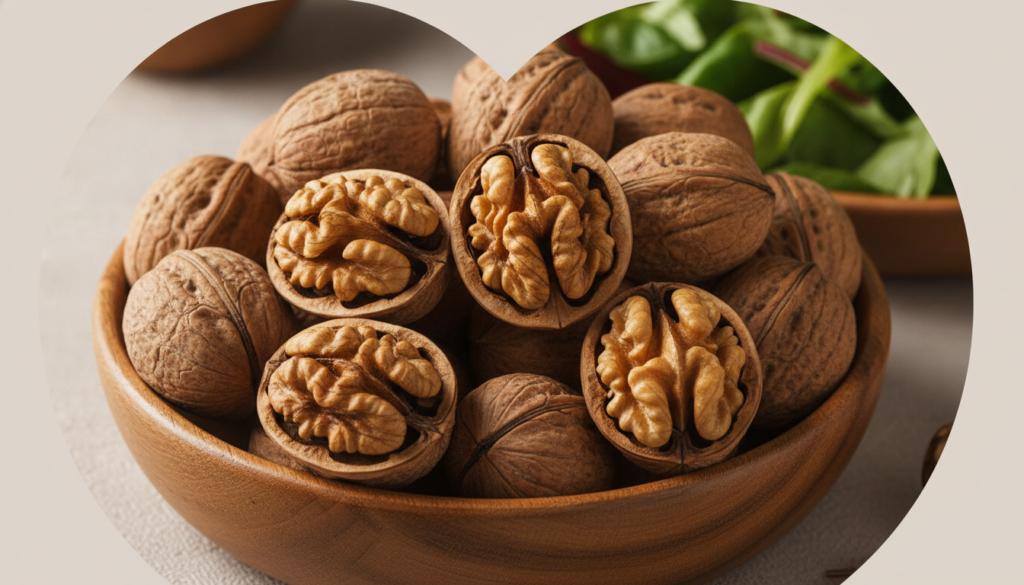
Adding walnuts to oatmeal, yogurt, salads, and whole grains
Start your morning by sprinkling chopped walnuts over warm oatmeal or creamy Greek yogurt. This simple addition provides crunch and a dose of antioxidants to start your day.
At lunch or dinner, toss toasted walnuts into your favorite leafy green salads. They pair well with cooked quinoa or brown rice, adding texture and depth to your heart-healthy diet.
Using walnuts as a replacement for processed snack foods
Many people choose chips or crackers when hunger strikes between meals. Replacing these processed options with walnuts supports your cardiovascular health.
“Small, consistent changes in your daily food choices are the most effective way to build long-term wellness.”
Pairing walnuts with fruits, vegetables, beans, and other heart-healthy foods
Walnuts pair with many whole foods, making them a versatile pantry staple. Their unique flavor works well with sweet and savory ingredients.
Simple American meal and snack combinations
- Pair a small handful of walnuts with a crisp apple or a sliced pear for a quick afternoon snack.
- Mix walnuts into a bean-based chili to add a rich, nutty flavor and extra fiber.
- Combine roasted walnuts with steamed broccoli or sautéed green beans for a nutritious side dish.
- Add crushed walnuts to a fruit smoothie to increase your intake of healthy fats.
Choosing unsalted, raw, or dry-roasted walnuts
To maximize the benefits of eating nuts, choose raw or dry-roasted varieties. These choices provide natural flavor without the extra sodium in many commercial products.
Check labels for added oils or salt to get the most from your nut consumption. These simple, unprocessed choices help you maintain a balanced and heart-healthy diet every day.
Who May Benefit Most From Eating Walnuts?
Knowing who gains most from regular nut consumption for heart health support can guide better heart care. Almost anyone can enjoy walnuts, but some groups may benefit more from eating them daily.
People seeking food-based support for cholesterol levels
If you want to lower cholesterol naturally, walnuts can be a useful food choice. They offer many nutrients that support healthy cholesterol levels. Whole foods give your body tools to support heart health.
Adults building a diet for cardiovascular health or heart disease prevention
Adults focused on preventing heart disease may include walnuts in a balanced diet. They contain alpha-linolenic acid, a plant-based omega-3 fatty acid that supports blood vessel function. Eating walnuts often helps build a strong nutrition plan for your heart.
People replacing butter, processed snacks, or foods high in saturated fat
Replacing unhealthy fats with walnuts offers a simple way to support better health. Choosing this ALA omega-3 source instead of processed snacks can reduce saturated fat intake. This change improves your diet without leaving you feeling deprived.
When to discuss walnut intake with a healthcare professional
Walnuts are generally safe, but you should ask your doctor about specific health concerns. Talk with a healthcare professional if you:
- Have a known tree nut allergy.
- Are managing specific medical conditions that require strict dietary monitoring.
- Need to balance your total daily caloric intake for weight management.
- Are taking medications that might interact with specific dietary supplements or high-fiber foods.
What Walnuts Can and Cannot Do for Heart Disease Prevention
Understanding walnuts’ role in health requires a balanced view of nutrition. These heart-healthy nuts contain beneficial omega-3 fatty acids. They work best as part of a broader cardiovascular health strategy.
Walnuts as one part of an overall heart-healthy diet
Treat your food choices as a team effort, not a search for one superfood. Walnuts work best alongside whole grains, lean proteins, and plenty of fresh produce.
This whole-food approach gives your body a wide range of nutrients. The synergy of your entire plate builds a stronger foundation for long-term wellness.
Why walnuts should not replace prescribed cholesterol or blood pressure treatment
Walnuts and cholesterol management cannot replace medical treatment. If your doctor prescribed heart medication, continue taking it as directed.
These anti-inflammatory foods provide important nutrients, but they cannot replace clinical oversight. Always ask your healthcare provider before making major treatment changes.
How to interpret cholesterol findings without expecting identical results
Studies often report average benefits, such as measurable reductions in LDL cholesterol. Your response may differ because of your genetics, lifestyle, and starting health markers.
You might see your triglycerides lower significantly, while someone else sees smaller changes. Track your progress with regular blood work instead of expecting the exact results from a clinical trial.
Important considerations for allergies, calories, and individual dietary needs
Before adding nuts to your daily routine, consider your personal health profile. If you have a tree-nut allergy, avoid walnuts completely to prevent severe reactions.
Walnuts are also calorie-dense. Include their calories in your daily total to help maintain a healthy weight.
If you take blood-thinning medication, discuss your walnut intake with a healthcare professional. Individual dietary needs vary, and your doctor can help you choose the safest approach for your situation.
Conclusion
Adding walnuts to your routine can support cardiovascular wellness. These nuts for heart disease prevention provide a dense source of plant-based omega-3 fatty acids and essential nutrients. Choosing healthy snacking nuts can replace processed options with a heart-healthy superfood.
Research supports a daily walnut intake of 1.5 ounces, or 42 grams, for many people. A 1-ounce serving is a practical starting point. These amounts provide polyunsaturated fats and support a strategy that includes cholesterol-lowering foods.
Evidence from 49 trials links regular walnut consumption to lower LDL cholesterol, total cholesterol, and triglycerides. These walnut consumption benefits extend beyond lipid profiles. Walnut nutrition supports gut health and heart function, while also supporting blood pressure and long-term cardiovascular resilience.
View walnuts as one part of a broader lifestyle focused on heart disease prevention. Continue following your medical provider’s advice about prescribed treatments while enjoying this plant-based omega-3 source. Better nutrition can build a foundation for a stronger, healthier future.