
Turning 70 is a meaningful milestone, but functional decline is not inevitable. “Reverse aging after 70” does not mean reversing chronological age or turning back time. It means improving measurable health markers, such as cardiovascular fitness, muscle strength, balance, glucose control, and mobility. These changes may help you lower biological age while supporting independence.
True longevity after 70 means helping your body stay resilient, strong, and functional. This article explains how nutrition, resistance training, aerobic exercise, restorative sleep, hydration, and stress management can support healthy aging without promising literal age reversal.
Consistent lifestyle choices can support health, reduce inflammation, protect bone density, and improve daily function. However, discuss major changes with a healthcare professional first, especially if you have cardiovascular disease, osteoporosis, diabetes, balance problems, or take multiple prescriptions. Your medical history should guide every plan.
Key Takeaways
- Track practical health markers, including strength, mobility, blood pressure, glucose, and recovery.
- Use appropriately scaled resistance training and moderate aerobic exercise to support muscle, bones, and metabolic health.
- Prioritize consistent sleep and hydration to support recovery, energy, and daily performance.
- Choose nutrient-dense foods and regular movement to help manage inflammation and support a resilient body.
- Make gradual changes with guidance from qualified medical professionals who understand your needs and goals.
What Current Longevity Research Says About Reverse Aging After 70
Your biological age is not determined by your birth certificate. Chronological age counts the years since birth, while biological age describes how well your cells, tissues, and body systems function. This distinction matters in healthy aging because biological age may differ among people with the same chronological age, although no single test provides a complete picture of health.
Why biological age can change even when chronological age cannot
Your body remains an adaptable system throughout life. Sleep, physical activity, nutrition, stress, medications, and medical conditions can influence inflammation, metabolism, and physical function. Improving these areas may help improve biological age measurements, but it cannot stop chronological age or guarantee that a person can fully reverse biological age.
What recent cellular, metabolic, and geriatric research shows about repair capacity
Current research from geriatric medicine and reputable peer-reviewed reviews suggests that some repair and adaptation capacity remains later in life. Exercise and adequate nutrition can support changes in muscle, cardiovascular fitness, and metabolic function. At the cellular level, researchers study DNA methylation, gene expression, and other patterns that may reflect aging. However, DNA methylation clocks use different algorithms, and their results may not agree. These tools are useful for research, but they do not yet provide a definitive clinical measure of biological age.
Where the evidence is strongest—and where “age reversal” claims go too far
The strongest evidence supports regular exercise, resistance training, nutritious eating, sufficient sleep, and treatment of medical risk factors. These habits may improve blood pressure, glucose levels, strength, inflammation, and quality of life. They do not prove cellular age reversal. Be cautious of products that promise dramatic age changes through one supplement, hormone, or experimental therapy, especially when they lack long-term safety data.
How to distinguish measurable aging markers from unsupported longevity promises
To assess whether an intervention affects biological age, discuss appropriate measures with your doctor. Blood pressure, glucose control, physical strength, cardiovascular fitness, and inflammation levels can help monitor health, while DNA methylation testing may offer additional information in selected research or clinical contexts. Ask how a test was validated, what its limitations are, and whether results can actually measure biological change. Choose evidence-based methods over testimonials and claims that one treatment can reverse every aspect of age-related decline.
Reverse Aging After 70, Lower Biological Age, Longevity After 70 Cellular Repair
Your body’s internal systems may age at a different rate from the calendar. Chronological age counts birthdays, while biological age describes the condition and performance of your organs, tissues, and cells. Supporting cellular repair may improve how your body functions, but it does not literally turn back time or change your birth date.
How biological age differs from the number of birthdays you have had
Chronological age is a fixed record of time. Biological age estimates how lifestyle, genes, surroundings, medical conditions, and daily function affect your health. People with the same chronological age may have different strength, cardiovascular fitness, glucose control, and recovery patterns.
Healthy aging strategies may improve selected measures associated with biological age. Regular movement, adequate nutrition, restorative sleep, and stress management can support metabolic health and normal gene expression. These changes may help improve biological function, but they should not be described as proof that a definitive age number has been reversed.
Markers that may reflect aging rate include blood pressure, glucose control, strength, and inflammation
To understand your health, review several clinical and functional markers with a qualified clinician. No single measure determines biological age. Useful information may include:
- Blood pressure: Repeated readings help assess cardiovascular risk and vascular health.
- Glucose control: HbA1c and other glucose measures show how the body manages blood sugar over time.
- Strength: Grip strength, muscle mass, and a chair-rise test can reflect physical resilience and independence.
- Inflammation: Selected blood levels, such as C-reactive protein, may provide context about systemic inflammation but cannot independently define biological age.
Why your functional capacity matters as much as laboratory measurements
Laboratory tests provide useful context, but they do not describe every aspect of daily health. Gait speed, walking tolerance, balance, chair-rise performance, breathing, and recovery after activity also matter. DNA methylation tests and other measures of gene expression remain important research tools, but different methods can produce different results. Combining functional measures with clinical data gives a more complete picture than trying to measure biological age with one test.
“True longevity is not just about the absence of disease, but the presence of vitality and the ability to engage fully with the world around you.”
Questions to discuss with your clinician before changing your health routine
Before changing exercise, fasting, supplements, or medication routines, ask your healthcare provider to interpret your results and consider your risks. Useful questions include:
- Which baseline markers of cardiovascular and metabolic health should we monitor?
- Could a supplement or fasting plan interact with my medications or medical conditions?
- How can I safely improve strength, walking ability, and recovery?
- Which clinical or functional markers should we reassess, and when?
Cellular Repair Strategies: Autophagy, Telomeres, and Senescent Cells
Your body has several repair and maintenance systems, but their activity changes with age and differs among individuals. Healthy habits may support these systems, although current cellular repair research does not show that lifestyle changes can fully reverse biological aging. Autophagy, telomere biology, DNA damage, oxidative stress, and gene expression are active areas of research, but they are not guaranteed anti-aging solutions.
Autophagy and cellular cleanup through carefully planned fasting
Autophagy is a cellular process that helps recycle damaged components. Studies in cells and animals provide important clues, but evidence that fasting produces a clinically meaningful increase in autophagy in older humans remains limited. A fasting plan should therefore be considered one possible approach to metabolic health, not a proven way to reverse biological aging.
How overnight fasting may support metabolic health without promoting frailty?
Some adults may tolerate a modest overnight interval, such as 12 to 14 hours, but this schedule is not appropriate for everyone. Adequate calories, protein, and fluids remain essential to maintain muscle and prevent frailty. Older adults who are underweight, malnourished, living with an eating-disorder history, or using diabetes medication should obtain medical guidance before changing meal timing.
Why older adults should avoid aggressive fasting without medical supervision
Prolonged or restrictive fasting can cause muscle loss, nutrient deficiencies, low blood sugar, dehydration, and medication complications. People with diabetes, kidney disease, heart disease, or a history of unintentional weight loss may face additional risks. Never use fasting to pursue autophagy for older adults without discussing the plan with a healthcare professional.
What scientists know about telomere lengthening and protective DNA ends
Telomeres protect the ends of chromosomes and generally shorten as cells divide, although the relationship between telomere length and overall health is complex. Approach claims about telomere lengthening in seniors with caution. Researchers are examining how exercise, sleep, stress, nutrition, oxidative stress, and DNA damage may affect telomere maintenance, but no established treatment can reliably reverse biological aging by lengthening telomeres.
How exercise, sleep, stress management, and nutrition may support telomere maintenance
Some studies link regular exercise, sufficient sleep, balanced nutrition, and stress management to healthier aging patterns. They may support cellular function and gene expression, but associations do not prove that these habits directly lengthen telomeres. DNA methylation is another research tool used to study aging; DNA methylation results vary by test, and DNA methylation clocks are not definitive measures of an individual’s biological age.
Senolytic compounds and the effort to remove inflammatory “zombie” cells
Senescent cells have stopped dividing but remain metabolically active. The informal term “zombie cells” describes this state, and some senescent cells can release inflammation-associated signals. Researchers are investigating whether senolytic compounds can selectively remove them, but results from laboratory and early human studies do not yet establish routine benefits for older adults.
Why senolytic therapies remain investigational for routine use in seniors
These rejuvenation therapies remain experimental, and many lack adequate long-term safety data. Supplements marketed as senolytics may interact with medications or carry unknown risks. Treat them as future possibilities, not current age reversal techniques.
How cellular repair approaches fit alongside proven healthy aging habits
Cellular repair strategies should complement, not replace, nutrition, regular movement, restorative sleep, medical screening, and other proven healthy aging habits. These practical ways to support health offer stronger evidence than unregulated products claiming to reverse biological aging.
Build an Anti-Inflammatory Nutrition Plan for Healthy Aging
Health in your seventies depends on your overall eating pattern, not one “superfood.” A Mediterranean-style anti-inflammatory diet for seniors can provide fiber, proteins, vitamins, minerals, and healthy fats. An anti-inflammatory diet seniors can follow should be flexible, culturally familiar, and adjusted for appetite, medical conditions, and nutritional needs.
Use complex carbohydrates to support energy, fiber, and metabolic health over 70
Whole-grain carbohydrates and other fiber-rich foods can support steady energy, digestion, and metabolic health. Oats, quinoa, brown rice, beans, lentils, vegetables, and fruit are useful examples. They may help moderate blood glucose more effectively than foods high in refined carbohydrates, although portion size and the rest of the meal also matter. Adequate food intake is especially important for older adults who are underweight, recovering from illness, or physically active.

Choose anti-inflammatory foods that support cardiovascular and cellular health
A nutrient-dense diet can support cardiovascular and cellular health while helping manage systemic inflammation. Vegetables, fruit, legumes, nuts, seeds, olive oil, and fish provide fiber and nutrients that may help the body respond to oxidative stress. Food cannot eliminate age-related inflammation on its own, but replacing heavily processed choices with varied whole foods can support long-term health.
Vegetables, berries, legumes, nuts, olive oil, and fatty fish
Use these examples as a flexible grocery guide rather than a mandatory list:
- Leafy greens, cruciferous vegetables, and other colorful vegetables
- Fresh or frozen berries and other fruits
- Lentils, chickpeas, black beans, and other legumes
- Walnuts, almonds, chia seeds, and other nuts or seeds
- Extra virgin olive oil and fatty fish, such as salmon or sardines
How to limit excess added sugar, ultra-processed foods, and trans fats
Limit foods high in added sugar, excess sodium, and refined ingredients when possible. Avoid industrial trans fats, and treat highly processed foods as occasional choices rather than dietary staples. Read labels and make gradual swaps that fit your budget and preferences. These changes may help support cardiovascular health and reduce factors associated with chronic inflammation.
“Let food be thy medicine and medicine be thy food.”
Protect bone and nerve health with calcium, vitamin D, and vitamin B12
Calcium and vitamin D support bone health, while vitamin B12 supports red blood cell production and nerve function. Nutritional gaps can become more likely with age because of medication use, reduced appetite, absorption problems, or limited food variety. A clinician can use your diet, symptoms, medical history, and blood levels to identify what you need.
When vitamin D dosage for adults over 70 requires individualized guidance
The right vitamin D dosage for 70-year-olds depends on blood levels, sun exposure, diet, kidney function, medications, and overall health. Do not take high-dose supplements without medical advice. Ask your healthcare provider whether testing or supplementation is appropriate.
How B12 deficiency in seniors can affect energy, nerves, balance, and cognition
A B12 deficiency in seniors may contribute to fatigue, anemia, numbness, balance problems, or cognitive symptoms, although these signs have many possible causes. If they develop, promptly discuss them with a clinician and ask whether B12 levels or other tests are appropriate.
Meet protein and calorie needs to help reverse senior muscle wasting
Maintaining muscle mass supports strength, mobility, and longevity after 70. Include protein-rich foods at meals, such as fish, eggs, dairy, tofu, beans, poultry, or other suitable options. Protein needs vary; people with kidney disease or other medical conditions require individualized guidance. Adequate calories, regular resistance exercise, and protein distribution across the day can help the body preserve muscle mass and function.
Use Resistance Training to Increase Muscle Mass and Bone Strength at 70
Rebuilding physical strength after 70 can improve mobility, confidence, and daily function. Muscle loss becomes more common with age, but appropriately scaled strength training can help preserve muscle mass. To increase muscle mass at 70, use steady, progressive exercise based on your ability, technique, effort, and recovery rather than exhausting workouts.
Why weight training two to three times per week is central to rejuvenation
Resistance exercise two to three times per week can provide the stimulus needed to maintain muscle and support healthy tissue. This frequency is general guidance, not a rule for every person. Allowing recovery between sessions helps the body adapt. Research suggests that regular strength training may support physical function, bone health, insulin sensitivity, and the prevention or management of age-related muscle loss.
How to train major movement patterns safely at home or in a gym
You don’t need a complex gym setup to start resistance training. Functional movement patterns can make daily tasks easier, but the exercises should match your balance, joint health, experience, and current fitness levels.
Squats, hinges, pushes, pulls, carries, and supported balance work
- Squats: Use a chair or countertop for support and practice sitting and standing with controlled movement.
- Hinges: Practice a hip hinge with a neutral spine; a physical therapist can modify it for back pain, osteoporosis, or joint limitations.
- Pushes and Pulls: Use resistance bands, a wall, or light dumbbells to develop upper-body strength without unnecessary strain.
- Carries and Balance: Hold a light object only when safe, or practice supported carries to build grip, trunk stability, and confidence.
How to adjust resistance, repetitions, and recovery for your starting fitness level
Begin with a resistance level that allows controlled form and comfortable breathing. Eight to 12 repetitions can be a useful starting range, but your clinician or trainer may recommend fewer or more based on your needs. Progress gradually by improving technique, adding repetitions, increasing resistance, or performing another set—not all at once. Rest at least one full day between demanding sessions, and reduce the workload if persistent soreness or fatigue affects daily activities.
Senior resistance training benefits beyond muscle size
Strength training offers benefits beyond muscle size. It can support health, posture, balance, blood-sugar management, bone loading, and independence. For people with osteoporosis, arthritis, neuropathy, or a joint replacement, adapt the exercise plan to reduce injury risk and unnecessary impact.
Improving bone density, insulin sensitivity, posture, and independence
Senior resistance training may improve muscle strength around joints, insulin sensitivity, posture, and confidence in everyday movement. It may also support bone strength, although people with osteoporosis need individualized guidance on safe loading and spinal positions.
Warning signs that require a pause or professional assessment
Stop the exercise and seek medical advice for sharp or worsening pain, chest pain, fainting, severe shortness of breath, sudden weakness, confusion, or unusual joint swelling. A history of frailty, falls, or major balance problems is a good reason to consult a physical therapist before starting or progressing strength training. The goal is improved muscle function and metabolic health—not an unsupported promise of “boosting cellular regeneration.”
Improve Metabolic Health Over 70 With Zone 2 Cardio
Moderate aerobic exercise can help you maintain independence as you age. A sustainable metabolic health plan over 70 can support cardiovascular fitness, energy, and daily function without requiring exhausting workouts.
What Zone 2 cardio means for an older adult
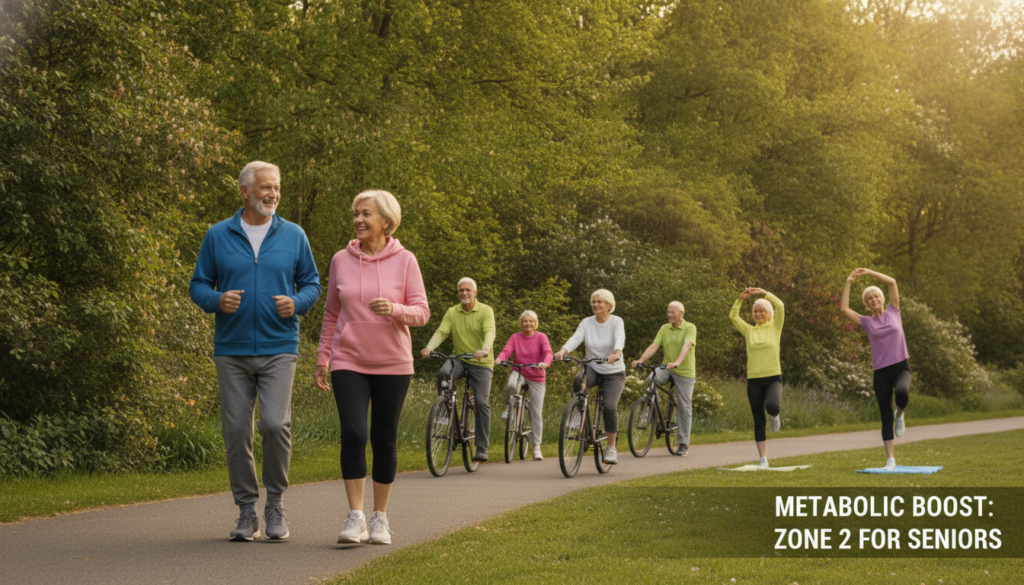
Zone 2 training generally describes steady, moderate exercise that you can sustain while speaking in short sentences. Heart-rate zones vary by fitness, age, testing method, and medication, so don’t treat the label as a precise prescription. Zone 2 cardio may support aerobic capacity and mitochondrial function in seniors, but individual health and safety come first.
How walking, cycling, swimming, and elliptical training can build aerobic capacity
Choose an exercise that feels comfortable and fits your joints, balance, and interests. Low-impact options may reduce stress on the hips and knees, but they are not risk-free for people with cardiac, breathing, or balance conditions.
- Walking: Start at a comfortable pace and gradually increase the duration.
- Cycling: A stationary bike offers seated support and adjustable resistance.
- Swimming: Water supports body weight while providing gentle full-body resistance.
- Elliptical Training: This option provides continuous movement with less ground impact than running.
Use the talk test, perceived exertion, and heart rate recovery to guide intensity
The talk test is a practical way to guide exercise intensity. If you can speak in short sentences but would not want to sing, the effort may be moderate. Perceived exertion also helps: aim for a manageable challenge, not breathlessness or exhaustion.
After a session, view heart rate recovery as one trend, not a standalone diagnosis. Recovery varies with age, fitness, heat, illness, and medications. If your heart rate remains unusually high or symptoms develop, stop and seek medical advice.
How medications and cardiovascular conditions can alter heart rate targets
Beta-blockers and some other medicines can change heart-rate responses, making generic formulas unreliable. Ask your clinician how prescriptions, heart conditions, and other health factors affect safe training levels. A gradual plan may begin with brief sessions and build toward several sessions per week as tolerated.
Combine aerobic work with strength training without overtraining
Pair aerobic training with strength training and appropriate resistance exercise to support cardiovascular health and preserve muscle mass. Space challenging workouts to allow recovery, and take an extra rest day for persistent fatigue, dizziness, or joint pain. This balanced approach can support an active life for years while promoting healthy aging.
Protect Mobility, Balance, and Cognitive Function Every Day
Staying independent after 70 requires regular attention to your body and mind. Building senior functional mobility can help you move through daily life with greater confidence, reduce avoidable fall risks, and maintain participation in activities that matter to you.
Daily balance exercises that support senior functional mobility
Consistent balance exercise may improve stability and coordination, although fall prevention works best when movement is combined with safe footwear, good lighting, strength work, and medical review when needed.
Supported single-leg stands, heel-to-toe walking, sit-to-stands, and tai chi
Add senior balance exercises gradually and use a stable support surface:
- Single-leg stands: Hold a sturdy chair or countertop and lift one foot slightly for 10 to 15 seconds, stopping if you feel unsteady.
- Heel-to-toe walking: Walk beside a counter, placing the heel of one foot near the toes of the other without rushing.
- Sit-to-stands: Rise from a stable chair with controlled movement. Use your hands or a higher seat if your leg strength or balance requires it.
- Tai Chi: This gentle activity may improve body awareness, coordination, and confidence; learn it from a qualified instructor if possible.
How to reduce fall risk by training near a stable support surface
Clear rugs, cords, and clutter before you begin. Wear supportive shoes, exercise near a heavy counter or fixed rail, and ask another person to supervise if you have a fall history or significant balance limitations. A physical therapist can adapt training for arthritis, weakness, neuropathy, or other conditions.
“Movement is a medicine for creating change in a person’s physical, emotional, and mental states.”
Use complex mental challenges to promote cognitive flexibility
The brain may benefit from novelty, learning, and social engagement. New activities can support the cognitive flexibility seniors need when routines or environments change, but no single hobby guarantees protection from cognitive decline.
Learning languages, playing music, solving unfamiliar problems, and navigating new environments
Choose activities that are enjoyable and appropriately challenging:
- Learn a language or practice one you studied years ago.
- Play an instrument or learn a new song to engage attention and coordination.
- Solve puzzles, cook an unfamiliar recipe, or learn a practical skill.
- Explore a new route with appropriate support to challenge spatial memory.
Combine movement and mental stimulation to support brain health after 70
Dual-task activities combine movement with thinking, such as naming grocery items while walking or recalling categories during a balance exercise. They may support brain health after 70, but perform them only in a safe setting and simplify the task if balance worsens.
Practicing these patterns can prepare you for real-life situations that require attention and movement at the same time. Stop if you become dizzy, confused, or unsafe.
Recognize changes that warrant evaluation for vision, hearing, or cognitive decline
New changes in balance, memory, hearing, vision, or daily function deserve attention. Corrective lenses, hearing treatment, adequate lighting, and medication review may improve safety and quality of life for many people.
Schedule appropriate checks with a clinician, audiologist, optometrist, or physical therapist. Seek urgent professional assessment for sudden confusion, a sudden neurological change, repeated falls, or new trouble with everyday tasks. Early evaluation can help identify treatable causes and support independence for years.
Optimize Sleep and Hydration for Nightly Cellular Recovery
Restorative sleep and appropriate hydration support daily recovery, attention, and physical function. They contribute to normal cellular repair and help your body manage the demands of aging, but they should not be described as guaranteed ways to enhance cellular regeneration.
How deep sleep benefits seniors through tissue repair and memory processing
Deep sleep supports memory consolidation and several maintenance processes. Research suggests that sleep helps regulate brain waste clearance, immune activity, and tissue recovery, although these effects vary among individuals. The deep sleep benefits seniors receive may include steadier mood, clearer thinking, and better daytime energy.
“Sleep is the golden chain that ties health and our bodies together.” — Thomas Dekker
This quotation is commonly attributed to Thomas Dekker. Regardless of attribution, consistent sleep remains an important part of healthy aging and may support the recovery seniors need.
Create sleep habits that support consistent recovery
Regular sleep timing, morning light, daytime activity, and a calming evening routine
Keep regular sleep and wake times when possible. Many older adults function well with about seven to nine hours of sleep, but individual needs vary with health, medications, and age.
- Get morning light to support circadian patterns.
- Stay physically active during the day, as tolerated.
- Use a calming routine, such as reading or gentle stretching, before bedtime.
Snoring, insomnia, or nighttime urination may indicate a treatable problem
Discuss persistent insomnia, loud snoring, witnessed breathing pauses, or excessive daytime sleepiness with a clinician. Frequent nighttime urination may relate to prostate conditions, diabetes, medications, or other health changes and deserves evaluation.
Addressing these problems can improve sleep quality and support long-term longevity strategies.
Apply practical senior hydration tips without disrupting sleep
Spread fluids across the day and account for heat, exercise, and medical conditions
Drink fluids regularly, adjusting for heat, exercise, illness, and thirst. Do not deliberately increase or restrict fluids without guidance if you have kidney or heart disease, diabetes, or medication-related fluid limits.
Timing fluids earlier may reduce nighttime interruptions for some people, but your clinician should determine appropriate fluid levels.
Review medications and supplements that may interfere with sleep or hydration
Diuretics, stimulants, and some supplements can affect sleep or hydration. Ask a pharmacist or physician to review your medicines and suggest safe timing changes. These sleep and hydration habits support recovery and long-term health without promising literal age reversal.
Make Cellular Repair Safer With Medical Screening and Personalization
Better health decisions begin with understanding your body, medical history, medications, and current goals. Before starting intensive senior wellness programs, discuss your plans with a qualified clinician. This shared-decision process keeps lifestyle changes grounded in evidence rather than assumptions about age or biological aging.
Establish a baseline before pursuing anti-aging solutions
Blood pressure, cholesterol, glucose, kidney function, blood counts, and medication review
A medical evaluation can help identify appropriate starting points, but not every person needs the same tests. Depending on your symptoms and history, a clinician may review blood pressure, cholesterol levels, glucose, kidney function, blood counts, nutrition, and medications. These measures can provide context about metabolic health and help you track meaningful changes over the coming years.
Understanding your baseline does not prove that you can reverse biological age. It helps you and your clinician decide whether an exercise or diet change is appropriate, monitor safety, and determine whether your biological function improves over time. Testing should reflect your symptoms, risk factors, medication use, and personal priorities.
Identify reversible barriers such as anemia, thyroid disease, malnutrition, or B12 deficiency
Fatigue, weakness, poor balance, or reduced concentration are not always unavoidable effects of age. Treatable conditions may contribute to these symptoms, so ask a clinician to investigate rather than assuming they reflect normal aging. Possible barriers include:
- Iron-deficiency anemia
- Undiagnosed thyroid dysfunction
- Vitamin B12 deficiency
- Inadequate calorie or protein intake
Addressing an underlying problem may improve energy or function, but results vary and do not guarantee a lower biological age. A careful diagnosis creates a safer foundation for evidence-based anti-aging solutions and healthy aging.
Adapt exercise and fasting plans to arthritis, osteoporosis, diabetes, and heart disease
Exercise, fasting, and nutrition plans should reflect your conditions, medications, mobility, and nutritional status. Arthritis, osteoporosis, diabetes, heart disease, kidney disease, or a history of falls may require specific modifications. Ask your care team how to manage blood glucose, avoid excessive stress, protect bones, and maintain adequate protein and calories.
Personalized care works best when you and your clinician weigh the expected benefits, risks, evidence, and alternatives of each intervention together.
Understand the limits of supplements, hormone treatments, and rejuvenation therapies
Products marketed as age reversal technologies, hormone treatments, senolytics, or supplements may have limited research support. Assess claims about reversing biological age for peer-reviewed evidence, regulatory oversight, product quality, and long-term safety. No treatment has been proven to reverse all effects of aging or repair every form of DNA damage.
Why “natural” does not automatically mean safe for older adults
“Natural” products can interact with prescription medicines, affect blood pressure or glucose, and worsen existing conditions. Ask a pharmacist or clinician to review any supplement before use, especially if you take several medications or belong to a group at higher risk of adverse effects.
Use a clinician, registered dietitian, or physical therapist when individualized support is needed
You do not have to pursue rejuvenation for older adults alone. A registered dietitian can adapt a diet to your health and nutrition needs, while a physical therapist can modify movement for pain, weakness, or balance limitations. A clinician can help interpret tests and decide whether a plan may safely improve biological function rather than simply promise to reverse biological age.
Before making a major change, schedule a shared review with your healthcare team. This practical step can reduce medication risks, clarify realistic goals, and keep your healthy aging plan safe and useful.
Turn Longevity Science Into a Sustainable Weekly Plan
A simple weekly plan turns complex research into practical habits that support healthy longevity after 70. Instead of chasing “longevity secrets,” schedule manageable actions that fit your health, energy, preferences, and available time.
Combine the four pillars of healthy aging
Use this checklist as a flexible framework, not a universal prescription. Your clinician can adjust the plan for medical conditions, medications, mobility, and nutrition needs.
Nutrition for cellular health and nutrient sufficiency
Build meals around vegetables, fruit, legumes, whole grains, healthy fats, and adequate protein. A balanced diet can support muscle, energy, and metabolic health. If you have kidney disease, swallowing problems, diabetes, or unintentional weight loss, ask a registered dietitian to personalize your diet.
Strength and Zone 2 cardio for muscle, bone, and metabolism
Many older adults can start resistance or strength training twice a week, adding a third session only when recovery is good. Include comfortable aerobic exercise, such as walking, on one or more other days per week. Progress gradually and allow recovery rather than following a rigid schedule.
Balance and cognitive challenges for independence and brain health
Practice supported balance movements several days per week and add activities that challenge attention, memory, or coordination. These patterns may support independence and brain health, but perform balance work near a stable surface and simplify the task if you feel unsteady.
Sleep and hydration for recovery and daily performance
Keep a regular sleep schedule and aim for an individualized amount of sleep, often about seven to nine hours for adults. Drink fluids regularly unless a clinician has prescribed restrictions. Address stress with calming routines, social connection, and appropriate stress management.
Begin with manageable changes instead of pursuing rapid age reversal
Treat boosting longevity in older adults as a long-term process. Choose one or two small changes, such as a ten-minute walk, a protein-rich breakfast, or a consistent bedtime. Repeat them until they feel manageable, then add another habit. No routine can guarantee that you will reverse biological age, but consistent choices may improve biological function.
Track progress through strength, walking ability, balance, sleep, energy, and laboratory trends
Track useful outcomes without turning health into a constant test. Once a week, note walking tolerance, strength, balance confidence, energy, and sleep quality. Record relevant laboratory results only when your clinician recommends them; unnecessary testing does not prove cellular rejuvenation. Look for gradual changes over weeks and months, not daily fluctuations.
Reassess the plan periodically as your health, medications, and goals change
Your needs may change over the years as medications, symptoms, fitness, and goals change. Review your plan with your healthcare provider every few months or after a major health event. Schedule the next step, monitor how your body responds, and adjust the routine so healthy aging remains safe, realistic, and sustainable throughout your life.
Conclusion
Daily habits can influence how your body functions, even though they cannot stop chronological age or guarantee that you can reverse biological age. The practical goal is to support mobility, metabolic health, cardiovascular fitness, and independence. These changes may help you lower biological age measurements while improving how you feel and function.
Focus on four connected areas: nutrient-dense food, safe exercise and muscle-strengthening activity, cognitive engagement, and restorative sleep. Track useful outcomes such as walking ability, balance, energy, and strength rather than chasing a single age score. These evidence-based strategies can help protect quality of life.
Work with your healthcare team to adapt nutrition, movement, sleep, and stress management to your medical history and goals. No supplement or routine has been proven to fully reverse biological age, but consistent, personalized choices may improve biological function over the years.
Start with one manageable action today: schedule a medical review, take a safe walk, or add a protein-rich food to one meal. Repeat that habit, monitor how your body responds, and build gradually for a healthier, more independent life.