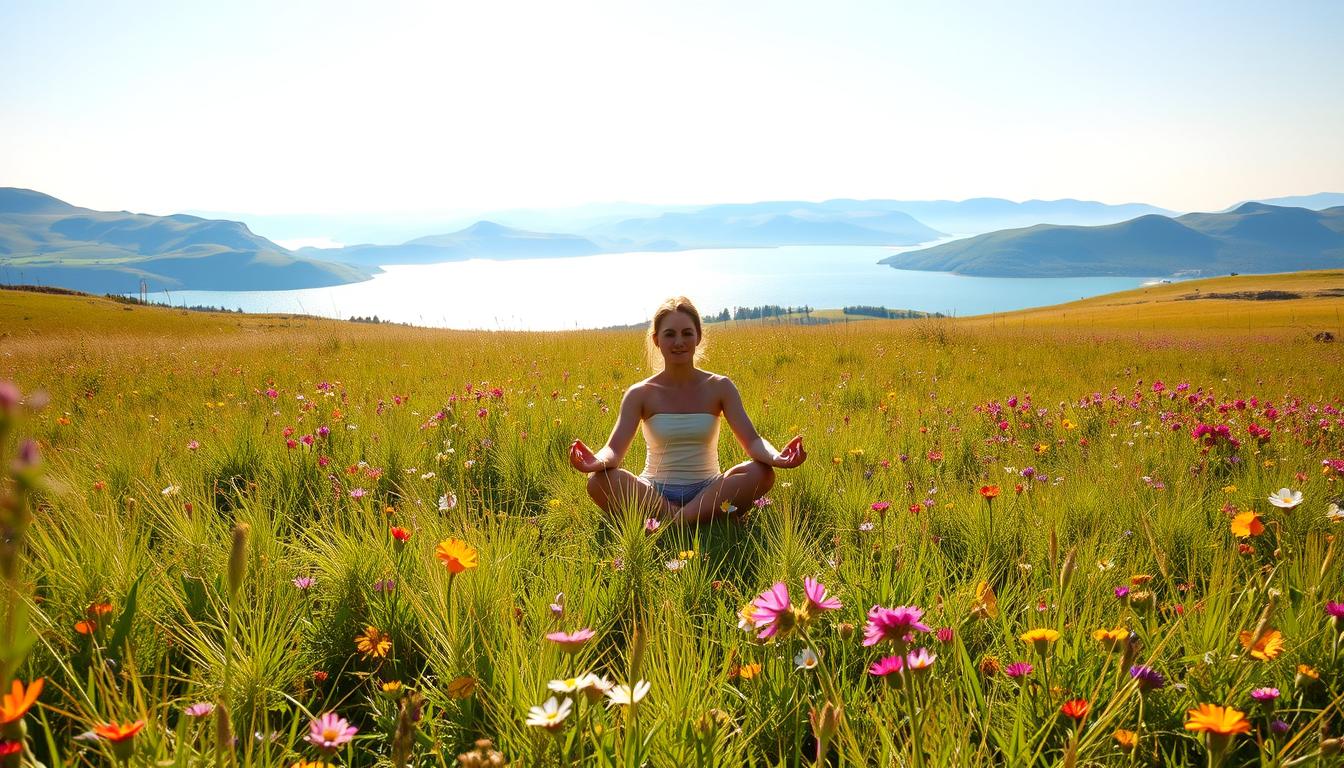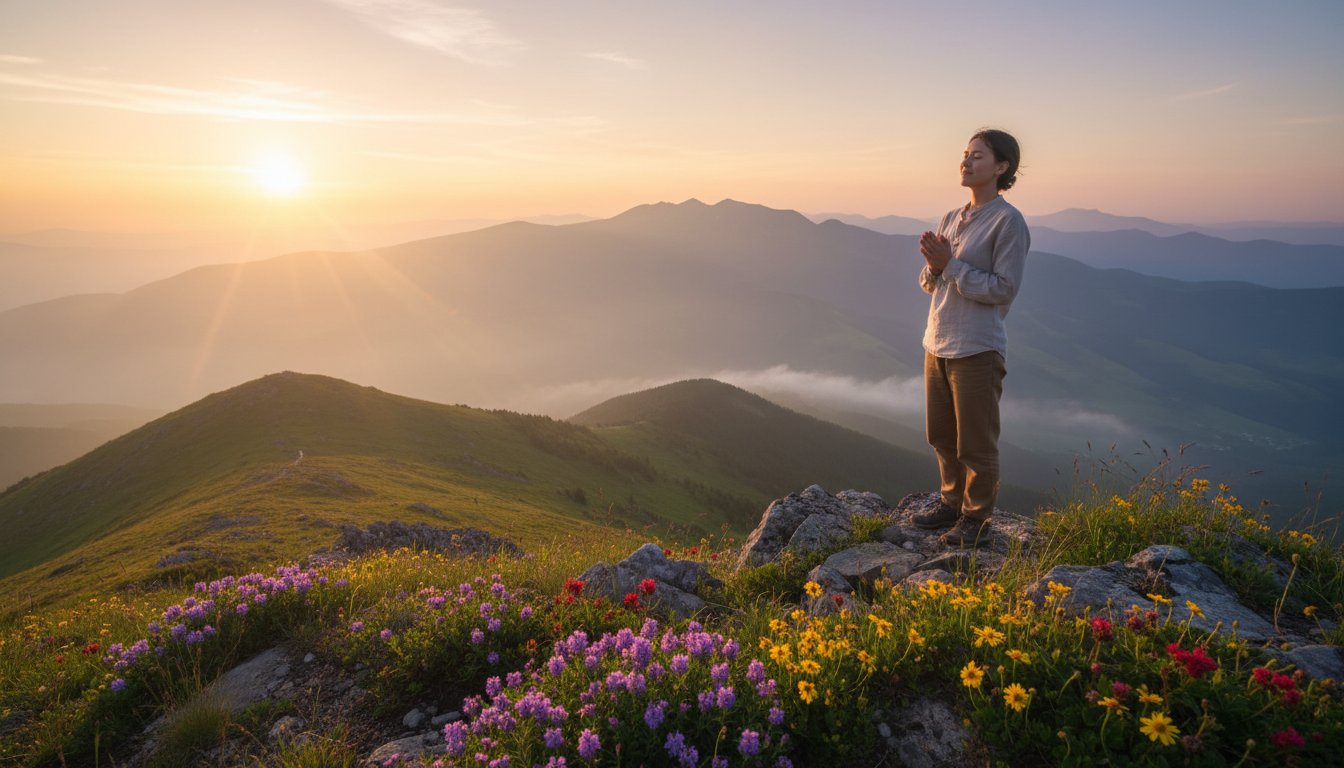
You might think you need to sit in silence for hours to find clarity. But a spiritual awakening without meditation is possible if you prefer staying active. This path connects you deeply to the world and your daily life.
Waking up to your true nature means letting go of your ego. It’s about seeing beyond labels and social roles. You are more than your thoughts; you are the awareness behind them.
Presence isn’t just about closing your eyes. It’s a state of being you can cultivate while walking or working. By focusing on the now, you break free from constant mental noise.
Many seek alternative paths to enlightenment that fit today’s fast-paced life. You can find a deep connection through nature, art, or physical movement. These non-meditation spiritual practices offer a fresh way to live fully and consciously.
You are more than the voice in your head. Recognizing this shift helps you navigate life with grace and less stress.
Key Takeaways
- Awakening involves letting go of the ego.
- You can achieve deep presence through active movement and daily routines.
- Traditional silence is not the only way to experience inner growth.
- Nature and creative arts serve as powerful tools for spiritual connection.
- Realizing you are not your thoughts brings immediate peace.
- Non-traditional paths are designed to fit into a modern, active lifestyle.
Why Spiritual Awakening Without Meditation Is Possible
You might be surprised to learn that spiritual awakening can happen without meditation. The journey to spiritual awakening is diverse. It involves seeing life’s deeper nature, knowing this nature is real, and living with it.
This view makes it clear that many self-awareness practices can lead to spiritual growth. Everyday spirituality and secular spirituality show us how to bring spirituality into our daily lives. This approach is different from isolating it in meditation.
For those with busy lives, spiritual growth is not only possible but also easy to achieve. By adding mindfulness to daily tasks, expressing creativity, or practicing gratitude, you can feel more connected and aware.
The main idea is that spiritual awakening isn’t tied to one method or practice. It’s about seeing the world in a wider way. This lets you tap into your spiritual side, leading to deep growth and change, no matter your lifestyle or background.
Understanding Your Natural Path to Presence
The path to presence is unique to each person. It’s shaped by personal experiences and spiritual beliefs. Presence is more than a state; it’s a personal experience.
Presence means being aware and connected to something bigger than us. It’s about observing thoughts and feelings, not being them. A spiritual teacher once said,
“The greatest miracle is not to walk on water or in the air, but to walk on earth with awareness.”
This awareness is at the heart of presence.
What Presence Actually Feels Like
Being in the presence feels calm and clear. Time seems different, and you feel more connected to your surroundings. It’s like being fully in the moment, without worries of the past or future.
Presence feels different for everyone. Some feel stillness, while others feel intensely alive. The important thing is to recognize and accept your own experience of presence.
Identifying Your Personal Spiritual Style
Your spiritual style shows how you connect with the world. It’s about finding what helps you feel transcendent in daily life. Mindful living helps you stay present in any activity.
To find your spiritual style, think about what makes you feel alive. Is it nature walks, yoga, or art? Reflecting on these can help you understand your path to presence.
Embracing your natural path and spiritual style deepens presence in your life. It’s about being true to yourself and letting your spirituality guide you.
Using Movement to Drop Into the Now
Using movement can help you connect with the present moment. It quiets the mind and awakens the spirit. This way, you can find deeper presence and inner peace.
How Ecstatic Dance Breaks Down Ego
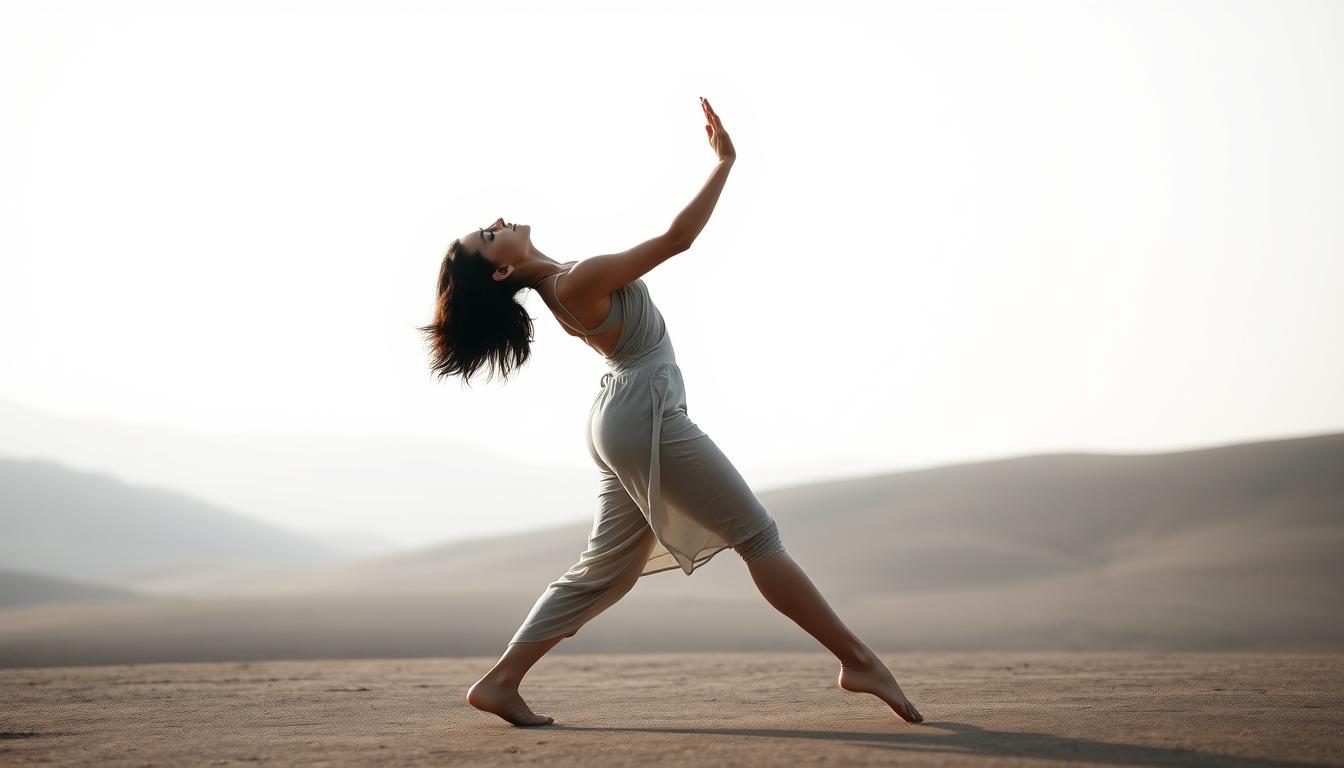
Ecstatic dance helps you let go of your ego. It lets you move freely without structured steps. This breaks down barriers to being present.
As you dance, you release control and follow your intuition. This is very freeing. It helps you connect with your true self beyond ego.
“The ego is like a shadow that follows you everywhere. When you dance with abandon, you begin to shed this shadow, revealing your true self.”
Getting Started with Ecstatic Dance Practice
To start ecstatic dance, find a safe space to move freely. Listen to music that moves you and let your body respond naturally.
- Start with simple movements and let go of inhibition.
- Try different music to find what you like.
- Practice often to deepen your connection with yourself.
What to Expect in Your First Sessions
Your first ecstatic dance sessions may bring up many feelings and sensations. You might feel excited, joyful, uncomfortable, or self-conscious.
Keep practicing, and you’ll get more comfortable. Be patient and fully immerse yourself in the experience.
Yoga as Active Spiritual Practice
Yoga is a powerful way to find presence and inner peace. It combines physical postures, breathwork, and meditation. This helps you connect with your inner self and quiet your mind.
| Yoga Style | Focus | Benefits |
|---|---|---|
| Hatha Yoga | Physical postures and breathwork | Balances body and mind, prepares for meditation |
| Vinyasa Yoga | Flowing movements and breath synchronization | Builds internal heat, increases flexibility and strength |
| Kundalini Yoga | Energy release through postures, breath, and sound | Awakens energy, promotes spiritual growth, and self-awareness |
Choosing the Right Yoga Style for Awakening
There are many yoga styles to choose from. Pick one that fits your goals and preferences. Think about what you want to achieve, whether it’s physical, mental, or spiritual growth.
Try different styles to find what works for you. Don’t be afraid to mix elements to create a practice that suits you.
Laughter Yoga for Instant Presence
Laughter yoga combines laughter exercises with yogic breathing. It helps you find instant presence and joy, no matter what’s happening.
Start laughter yoga today with simple exercises you can incorporate into your daily routine. Begin with deep breathing, then do laughter exercises like:
- Laughing with ‘Ho Ho Ho’ and ‘Ha Ha Ha’
- Cell phone laughter (pretending to answer a phone and laughing)
- Laughter with gestures (using body language to enhance laughter)
Practice regularly to enjoy the benefits of laughter yoga. You’ll feel less stressed and more joyful and connected.
Turning Daily Moments Into Spiritual Rituals
Daily moments can become spiritual rituals with mindfulness and intention. This way, you can deepen your connection and meaning in everyday life.
Conscious Eating as a Grounding Practice
Conscious eating brings mindfulness into your daily routine. It’s about noticing the food’s sensations, flavors, and textures. Also, pay attention to the act of eating itself.
Step-by-Step Guide to Mindful Eating
To practice mindful eating, pick a meal or snack and eat it without distractions. First, observe the food’s appearance, smell, and texture. Then, take small bites and enjoy the flavors and sensations.
- Notice the colors and presentation of the food.
- Smell the food before taking a bite.
- Chew slowly and thoroughly.
Creating Meaningful Food Rituals
Enhance your eating experience with meaningful rituals. This could be setting a beautiful table or saying a blessing before meals.
For example, light a candle before dinner or appreciate the company at meals.
Seeking Beauty in Art and Nature
Engaging with art and nature is transformative. It connects you to something bigger than yourself. Approach these experiences with curiosity and openness to appreciate the world’s beauty.
How to Practice Contemplative Nature Walks
For contemplative nature walks, choose a natural setting, such as a park or forest. Walk slowly, noticing sights, sounds, and sensations.
| Tips for Contemplative Nature Walks | Benefits |
|---|---|
| Pay attention to your surroundings | Increased sense of calm |
| Notice the details of nature | Greater appreciation for beauty |
| Allow yourself to be present | Reduced stress and anxiety |
Using Art Appreciation for Transcendence
Art appreciation can lead to transcendence. Visit museums or galleries and observe the artwork. Notice colors, textures, and emotions.
Let the art move you, and reflect on your emotions and thoughts. This is a profound way to connect with yourself and the world.
Harnessing Creative Expression for Inner Work
Exploring creative activities like writing, painting, and music can open new paths to inner growth. These activities help you discover yourself and release emotions. They allow you to connect with your inner self and grow spiritually.
Writing as a Tool for Self-Discovery
Writing lets you dive into your thoughts, feelings, and experiences. It helps you understand your journey better by putting your inner world into words.
Stream-of-Consciousness Journaling Technique
Stream-of-consciousness journaling means writing down your thoughts and feelings without stopping. It helps you reach your subconscious mind and release emotions.
To try it, set a timer for 10-15 minutes. Write whatever comes to mind without pausing. This can unlock your creative potential and deepen your self-understanding.
Poetry and Prose for Emotional Processing
Poetry and prose are great for processing emotions and reflecting on experiences. Writing creatively helps you work through tough feelings and grow in self-awareness.
Try different writing styles to see what works for you. You might find poetry better for emotions, or prose might suit you more.
Painting and Visual Arts for Release
Visual arts offer a powerful way to express and release emotions. Creating art can be therapeutic, allowing you to express feelings without words.
Intuitive Painting Exercise for Beginners
Intuitive painting means creating without a plan. It taps into your subconscious and unlocks your creativity.
To start, gather art supplies and a dedicated space. Immerse yourself in the process and let go of any expectations.
Sound and Music as Spiritual Channels
Sound and music are powerful tools for spiritual growth and self-expression. They help you connect with your inner self and the world.
Explore different music and sounds to find what resonates with you. Some genres or frequencies might lead to deeper relaxation or inspiration.
Deepening Self-Awareness Through Connection
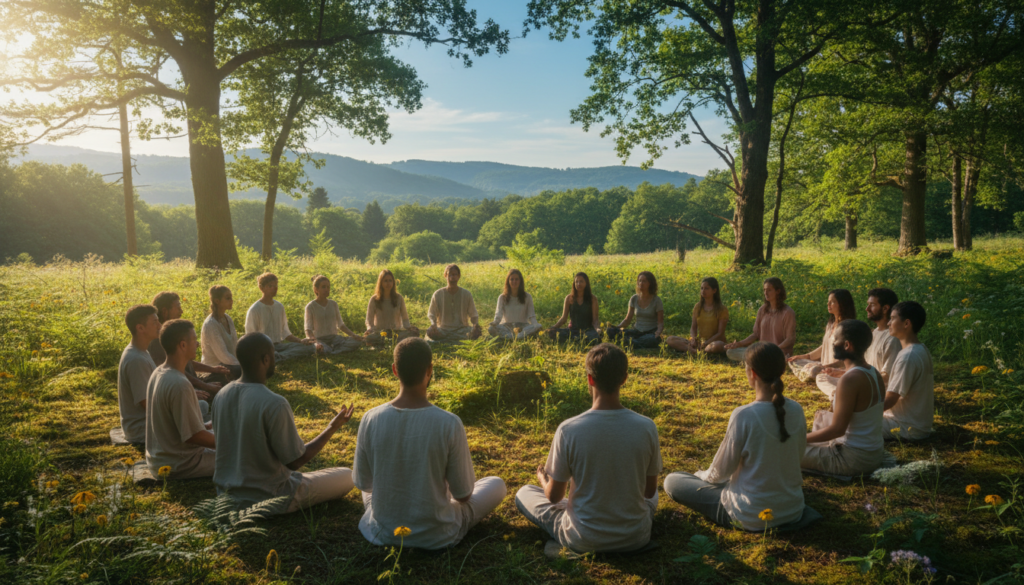
Deepening self-awareness is not a solo journey. It’s greatly enhanced by meaningful connections with others. As you explore your spiritual path, connecting with like-minded people can offer new insights and perspectives.
Practicing Radical Self-Inquiry with Others
Radical self-inquiry with trusted friends or a community can be life-changing. This practice involves asking deep questions that challenge your views and understanding of yourself.
Questions to Ask Your Trusted Friend
When you practice radical self-inquiry, the questions you ask are key. Consider asking:
- What are some patterns you’ve observed in my behavior that I may not be aware of?
- How do you think I can grow or improve in areas that are challenging for me?
- In what ways can I support you, and how can you support me on our spiritual journeys?
Creating a Safe Container for Deep Conversation
To truly benefit from radical self-inquiry, creating a safe space is crucial. This means:
- Building trust and confidentiality
- Being open and honest
- Listening actively and empathetically
Building a Transformative Gratitude Practice
Gratitude is a powerful tool for spiritual growth. Focusing on what you’re thankful for can shift your perspective and cultivate a positive mindset.
Beyond Basic Gratitude Lists
While gratitude journals are helpful, there are other ways to deepen your practice:
- Share your gratitude through acts of kindness or appreciation
- Reflect on the reasons behind your gratitude
- Use gratitude as a meditation focus
Finding Spiritual Community Outside Traditional Settings
You don’t need to look to traditional places to find a supportive community. Consider:
- Joining online forums or social media groups focused on spirituality
- Participating in local workshops or retreats that align with your interests
- Engaging in activities that resonate with your spiritual values, such as volunteering
By embracing connection and community, you can enhance your self-awareness and continue on your spiritual journey.
Discovering Flow States as Active Meditation
Exploring your consciousness might lead you to flow states as a path to active meditation. These states, in which you’re fully absorbed in an activity, aid spiritual growth and presence.
Sports and Physical Activities That Induce Flow
Participating in sports and physical activities can lead to flow states. Running, swimming, or team sports like basketball or soccer are great examples. The goal is to find something that challenges you and brings joy.
In a flow state, time might seem to slow down, and actions become automatic. Your focus is solely on the activity, offering a sense of control and enjoyment. Recognizing these signs helps you know when you’re in flow.
Cultivating Flow in Your Chosen Activity
To enter flow, pick an activity you love and find challenging. Setting clear goals and getting immediate feedback can also boost your experience. For instance, in sports, aiming for specific goals or improving performance can induce flow.
Gardening as Contemplative Practice
Gardening can also lead to flow states and serve as a contemplative practice. It combines physical activity with a connection to nature, making it grounding and meditative.
Turning Garden Work Into Spiritual Connection
To make gardening a spiritual practice, focus on the sensations and processes involved. Notice the feel of the soil, the growth of plants, and the rhythm of your work. This mindfulness fosters a deeper connection and presence.
Crafts and Hands-On Creation for Presence
Crafts and hands-on creation can also induce flow states. Activities like painting, pottery, or woodworking require focus and can lead to a meditative state.
Incorporating these activities into your life can bring the benefits of mindfulness in action and enhance spiritual growth through flow states.
Recognizing Unexpected Catalysts for Awakening
Your journey to spiritual awakening might not be what you expected. Sometimes, life’s surprises can lead to big change. While many seek growth through meditation, others find it in intense life events.
How Intense Grief Can Dissolve the Old Self
Deep grief can shake us to our core. It makes us face life’s fleeting nature and our attachments. This can break down our old self, opening us to new views and a deeper understanding of life.
Working with Grief as a Spiritual Teacher
Grief can teach us deeply if we let it. It shows us our emotional strength and the need to live in the moment. By facing grief, we discover parts of ourselves, leading to true awakening.
Crisis and Breakdown as Breakthrough
Crisis and breakdown are often seen as bad. But they can also spark spiritual growth. When our views are challenged or we step out of our comfort, we grow and change.
Navigating Dark Night Experiences Safely
The dark night of the soul is a deep spiritual crisis. It needs patience, kindness to oneself, and support from others. It’s a journey to let go of the old for the new.
Peak Experiences in Ordinary Life
Peak experiences are moments of deep joy or awe in daily life. They can awaken us spiritually, showing us beyond the ordinary. By embracing these moments, we connect deeper with ourselves, others, and the world.
Being open to unexpected awakenings can deeply change your life. Whether through grief, crisis, or peak moments, each person’s journey to spiritual awakening is unique.
Conclusion: Where Is Your Doorway to Presence Today?
Reflecting on your spiritual journey, you might see presence as a way of life. There are many paths to presence, and what works for one might not work for another. You’ve looked at non-traditional ways to find presence, like using movement and creative expression.
Your doorway to presence could be in moments of peace, like ecstatic dance or yoga. It might also be found in the quiet of nature or the flow of sports. The important thing is to stay open to experiences that bring you closer to now.
Remember, presence is a journey, not a destination. By exploring different paths, you can learn more about yourself and the world. May you find your special doorway to presence and walk through it with an open heart and mind.