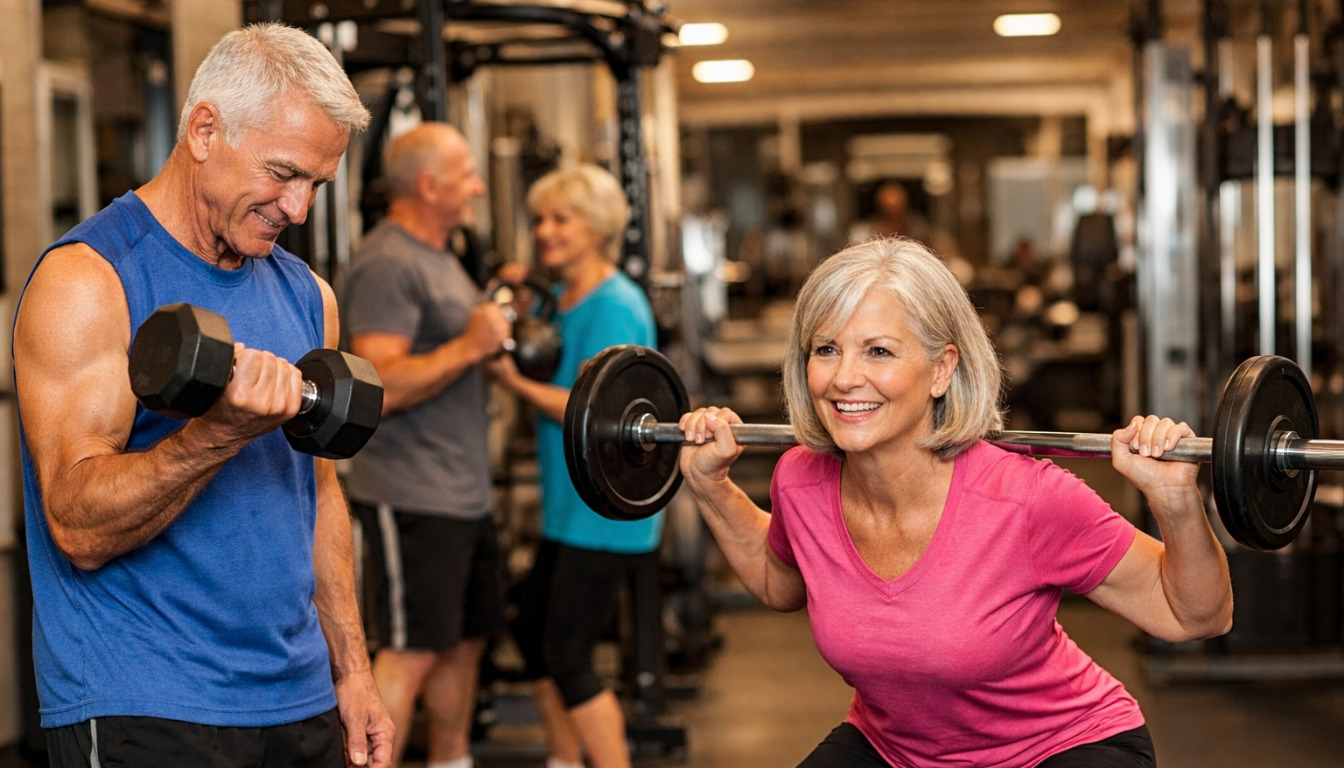
Turning 50 is a big milestone. It’s crucial to stay active to keep your independence and energy. By doing exercises that help you move well, you can fight off muscle loss and stay strong.
Creating a good routine means doing low-impact cardio and strength-building exercises. It’s better to focus on doing things right and often, not just trying to do a lot. This way, you keep your joints healthy and stay full of energy to enjoy life.
Key Takeaways
- Prioritize functional movements to support daily independence.
- Consistency in your routine matters more than high-intensity efforts.
- Combine resistance work with flexibility to protect your joints.
- Focus on balance to prevent falls and improve stability.
- Listen to your body to ensure safe and sustainable progress.
Understanding the Physiological Changes After 50
When you hit your fifties, your body changes a lot. These changes affect how you move every day. Knowing these changes helps you create more effective aging fitness routines to stay healthy.
The Impact of Sarcopenia and Bone Density Loss
Sarcopenia is a big challenge for older people. It’s when your muscles shrink and lose strength. Consistent resistance training is key to fighting this and staying mobile.
Your bones also become weaker, increasing the risk of fractures. Exercises for aging adults that strengthen bones are crucial. It’s a big part of staying fit as a senior.
Why Metabolic Rate Shifts Require New Approaches
Your metabolism slows down with age, changing how your body looks. What worked before might not now. Eating right and exercising harder can help manage these changes.
Seeing these changes as a chance to improve is important. By choosing the right exercises for the aging population, you can keep your metabolism up. This helps you stay energetic and healthy.
The Role of Hormonal Changes in Muscle Recovery
Hormones change after 50, affecting how you recover from exercise. Your muscles might take longer to heal. Knowing this helps you plan your aging and exercise schedule better.
Listening to your body during recovery is key. Adding rest days to your routine helps you avoid overdoing it. Understanding these changes is essential for lasting exercise for aging adults.
Essential Principles of Exercise for People Over 50
Getting fit after 50 is more about daily habits than intense workouts. When you do exercise for people over 50, aim to build a routine that lasts. Focus on age-appropriate fitness to keep your workouts safe and effective.
Prioritizing Consistency Over High-Intensity Bursts
Many think high-intensity workouts are needed after 50. But consistency is key for lasting success. Regular, moderate exercise is better than rare, hard workouts that can hurt you.
Choose active-aging workouts you can keep up with long-term. These tips stress the importance of showing up often. Here are some exercises for older adults to add to their week:
- Daily brisk walking to keep your heart healthy.
- Regular bodyweight exercises to keep muscles strong.
- Stretching often to keep joints moving smoothly.
The Importance of Functional Fitness for Daily Independence
Functional fitness over 50 makes daily life easier. Your workouts should help with everyday tasks. This includes carrying groceries, climbing stairs, or playing with grandkids.
Training for real-life tasks is crucial for seniors. It improves your quality of life by making everyday movements easier. This way, your gym routine supports your daily activities, making you more confident and independent.
Adapting Your Mindset for Sustainable Long-Term Health
Changing how you think about exercise is vital. See it as a lifelong commitment to your future health. This mindset shift is a powerful aging fitness tip.
When you embrace age-appropriate exercise, stop comparing yourself to your younger self. Focus on how these exercises make you feel now. Fitness for mature adults is about celebrating your current abilities and protecting your health for the future.
Building a Foundation with Strength Training
Your journey to a stronger body starts with resistance training. Strength training for seniors fights muscle loss as you age. It also protects your joints and boosts your quality of life.
Why Resistance Training is Non-Negotiable
The benefits of strength training in older age are vast. It supports a healthy metabolism and helps prevent frailty. Lifting weights helps keep your bones and muscles strong.
This senior strength training keeps you safe from injuries. It also helps you manage your weight. Making this effort is key to your long-term health.
Compound Movements for Maximum Efficiency
Compound movements work many muscles at once. They are more efficient than single-muscle exercises. They help you move better in daily life.
Using senior strength and conditioning principles, you gain functional power. This power helps you stay independent.
Squat Variations for Lower Body Power
Squats are key to strong legs. Start with chair squats for form, then move to bodyweight squats. These senior-strength exercises help you move more easily.
Push and Pull Mechanics for Upper Body Strength
Push and pull exercises are crucial for your upper body. Wall push-ups and seated rows are great for beginners. They work your chest, back, and shoulders.
These muscles are important for everyday tasks like carrying groceries or reaching high shelves.
Safe Progression Strategies for Beginners
Start with lighter weights and faster speeds. This builds muscle without hurting your joints. These senior strength training tips keep you safe as you get stronger.
Listen to your body and rest enough. Use elder strength training for the best results. By following these senior strength training exercises, you’ll build a strong foundation for the future.
Improving Mobility and Flexibility to Prevent Injury
Maintaining your independence as you age starts with how well you move. Many exercises for seniors focus on strength but neglect the range of motion. This can cause stiffness and discomfort. By adding mobility exercises for seniors to your routine, you can keep your joints fluid and your body strong.
Dynamic Stretching Before Your Workout
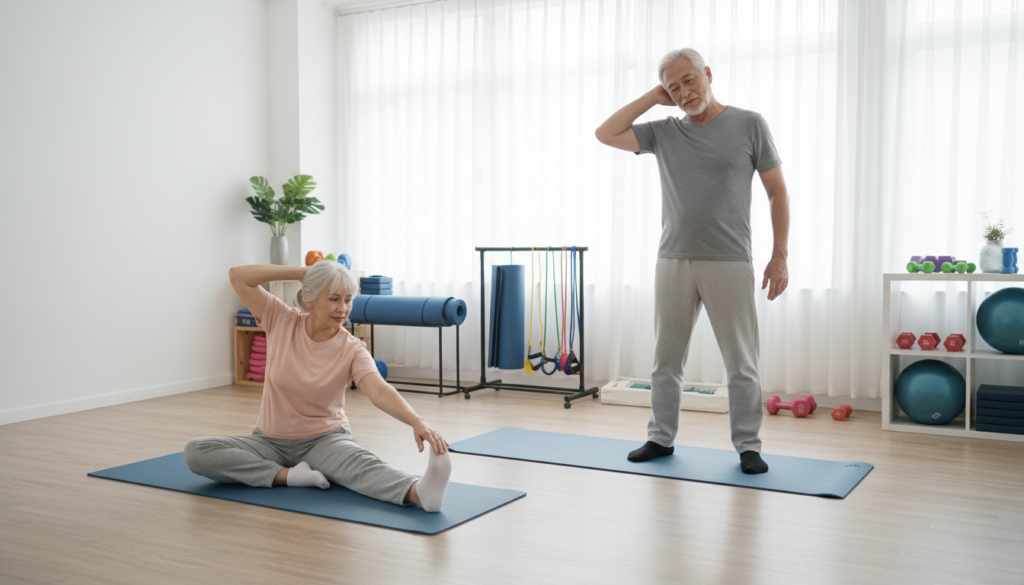
Before starting any intense activity, warm up with dynamic movements. These elderly fitness exercises increase blood flow and prepare your joints. Unlike static holds, dynamic routines help your body transition smoothly into more demanding tasks.
Try simple movements like arm circles or leg swings to get your blood pumping. These elder exercise routines are great at reducing the risk of strains during your main workout. Regular practice ensures your muscles are ready for challenges.
Static Stretching for Recovery and Range of Motion
After your workout, focus on recovery. Flexibility exercises seniors can do after a session help lengthen tight muscles and improve joint health. Hold stretches for 20 to 30 seconds to maximize benefits.
These exercises for elderly individuals are key to daily tasks. Proper cooling down prevents post-workout soreness. This habit is crucial for sustainable elderly fitness routines.
Targeting Tight Areas Like Hips and Shoulders
Many exercises for elderly people often overlook the hips and shoulders. Tight hips can limit your walking stride, while stiff shoulders may hinder reaching overhead. Targeted senior exercises can ease this tightness and restore natural movement.
Focus on gentle stretches that open the chest and release tension in the hip flexors. By dedicating time to these areas, you’ll see significant improvements in movement quality. Staying consistent with these movements is the best way to protect your body from future injury.
Enhancing Balance and Stability
As you get older, your body needs more focus on staying balanced. Many people just lift weights or walk, but balance training over 50 is key to staying safe and independent. It helps protect your joints and lowers the chance of falls.
The Connection Between Core Strength and Fall Prevention
Your core is like a central anchor for your body. Strong abdominal and back muscles support your spine and control your movements. A weak core can make you more likely to lose your balance.
Working on core strength helps you react fast if you trip. It provides a solid base for moving confidently on uneven surfaces. This is a main goal of balance training over 50.
Single-Leg Exercises to Improve Proprioception
Proprioception is your body’s way of knowing where it is in space. As you age, this gets less sharp. Single-leg exercises are key to improving this.
Start by standing on one leg while holding a chair for 15 seconds. As you get stronger, try to stand without the chair. This simple exercise boosts your coordination and ankle stability.
Integrating Balance Work into Your Daily Routine
You don’t need a gym to improve balance. You can add these exercises to your daily tasks. For example, stand on one leg while brushing your teeth or waiting for coffee.
Being consistent is the key to success. Making these small changes keeps your body agile and responsive. The table below shows how different exercises help with stability.
| Exercise Type | Primary Benefit | Difficulty Level |
|---|---|---|
| Single-Leg Stand | Ankle Stability | Beginner |
| Heel-to-Toe Walk | Dynamic Balance | Intermediate |
| Bird-Dog | Core Coordination | Intermediate |
| Tai Chi Movements | Proprioception | Advanced |
Making balance training over 50 a priority is a great investment in your health. Be patient with your progress and enjoy moving through your day with more ease and confidence.
Selecting the Best Low-Impact Cardio Options
Keeping your heart healthy after 50 doesn’t mean you have to hurt your joints. Aim for 150 minutes of moderate activity each week. These low-impact workouts for seniors help raise your heart rate without harming your body.
Benefits of Swimming and Water Aerobics
Water activities are great for those over 50 because they support your body. This reduces the stress on your knees, hips, and ankles. Many senior fitness classes in pools offer workouts that strengthen and improve stamina.
- Natural resistance from water tones muscles without heavy weights.
- Reduced gravity allows for a greater range of motion.
- Water temperature helps soothe stiff joints during movement.
Cycling and Elliptical Training for Joint Health
Gym-based senior fitness workouts, such as cycling and elliptical machines, are good choices. They offer a smooth, easy-on-the-joints motion. These machines are great for effective exercise for seniors looking to stay active year-round.
You can adjust the resistance to fit your fitness level. This makes them ideal for workouts for people over 50. Many older adult exercise classes use these machines to build endurance without the impact of running.
Walking Programs for Cardiovascular Endurance
Walking is the most accessible cardio for older adults. It needs no special gear and can be done almost anywhere. A structured walking program can boost heart health and fitness among older adults with minimal risk of injury.
| Activity Type | Intensity Level | Joint Impact |
|---|---|---|
| Swimming | Moderate | Very Low |
| Cycling | Moderate | Low |
| Brisk Walking | Moderate | Low |
To meet your 150-minute goal, break your sessions into smaller parts. Consistency is key for these low-impact exercises for seniors. Swimming, cycling, or walking are all steps towards a healthier, more active life.
Designing Your Personalized Weekly Routine
A well-structured weekly plan is key to staying active after 50. By making a routine that fits your life, exercise becomes a habit, not a chore. This way, you stay consistent and avoid overtraining.
Structuring Your Days for Recovery and Activity
To create a good over 50 workout plan, mix high-effort days with active recovery. Set aside days for strength training and others for light activities like walking or yoga. This mix is crucial for staying fit in your 50s and beyond.
Use a simple calendar to plan your week. Mark your workouts to stay on track. Remember, consistency is more important than how hard you work for lasting results.
Balancing Strength, Cardio, and Rest
A good over-50 exercise plan includes a variety of activities. Aim for two to three days of strength training to keep muscles strong. Add low-impact cardio for heart health. Always include rest days to let your body heal.
“The greatest wealth is health, and the best way to preserve it is through a balanced, consistent approach to movement.”
When planning your senior fitness routines, remember these key points:
- Strength: Do compound movements twice a week.
- Cardio: Do 150 minutes of moderate activity weekly.
- Rest: Make sure to sleep well and stretch lightly on rest days.
Tracking Progress Without Obsessing Over Metrics
Many people starting fitness programs for 50+ get discouraged when they focus only on weight. Instead, notice how your body feels during everyday tasks. Can you move more easily? Do you have more energy for fun activities?
Tracking progress through how you feel is healthier. Celebrate being able to lift heavier or walk further without getting tired. Focusing on these real-world benefits makes it easier to stay fit over 50.
Safety Guidelines and Injury Prevention Tips
Your journey to better health is about finding the right balance. When you do strength training for seniors, aim for steady progress and long-term health. Don’t rush for quick results.
Listening to Your Body and Recognizing Warning Signs
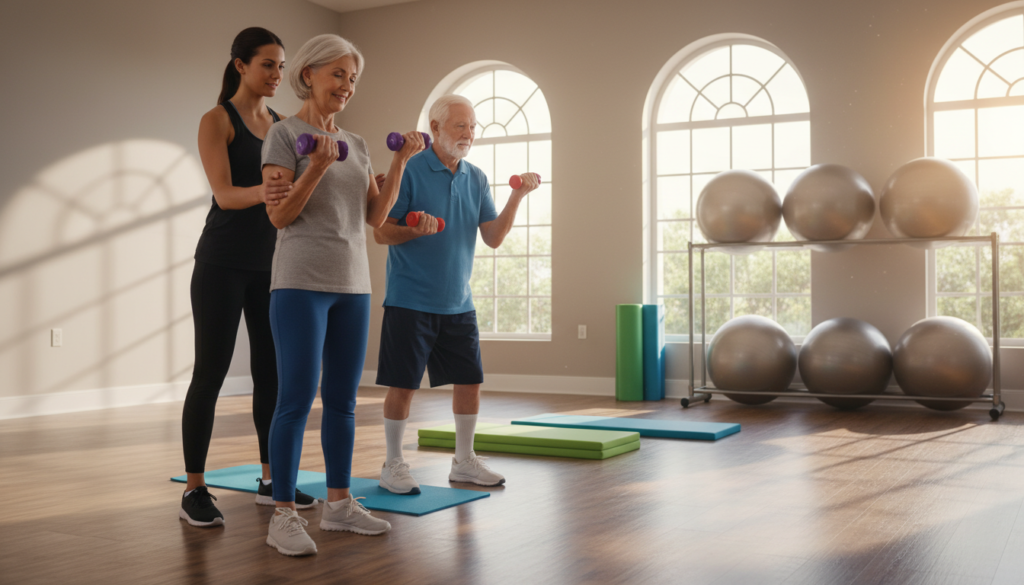
It’s crucial to know the difference between muscle fatigue and injury pain. Good workout tips for older adults tell you to stop if you feel sharp pain or dizziness.
Ignoring these signs can hurt your progress. Always focus on moving well, not just lifting heavy or moving fast.
The Necessity of Proper Warm-ups and Cool-downs
A good exercise program for seniors starts with a warm-up. It gets your muscles ready by improving blood flow and joint health.
Don’t skip the cool-down. It helps your heart rate slow down. Skipping it can cause unnecessary soreness.
When to Consult a Healthcare Professional
Always talk to your doctor before starting a new fitness program for the elderly. This makes sure it’s right for you.
If you have ongoing pain or fatigue, get help fast. Following these elderly exercise guidelines keeps you safe and on track.
The table below shows important safety signs to watch during workouts. These exercise tips for older adults help keep you safe.
| Safety Metric | What to Monitor | Action Required |
|---|---|---|
| Heart Rate | Excessive shortness of breath | Slow down or rest |
| Joint Health | Sharp or stabbing pain | Stop the movement |
| Muscle Feel | Dull, burning fatigue | Continue with caution |
| Recovery | Persistent soreness after 48h | Consult a professional |
Being aware of these factors keeps your exercise program for older adults positive. Training with care leads to lasting success.
Conclusion
After 50, taking charge of your health changes everything. You can unlock new abilities with regular exercise and smart training.
Anti-aging fitness helps fight muscle and bone loss. It builds a strong body for your daily tasks and future freedom.
Focus on exercises that keep you moving well. This keeps you active for years, helping you age well.
You don’t need to be perfect to see progress. Small daily steps lead to big improvements in energy and quality of life.
Begin by doing one thing that makes you feel strong. Your future self will thank you for the health investment you make today.