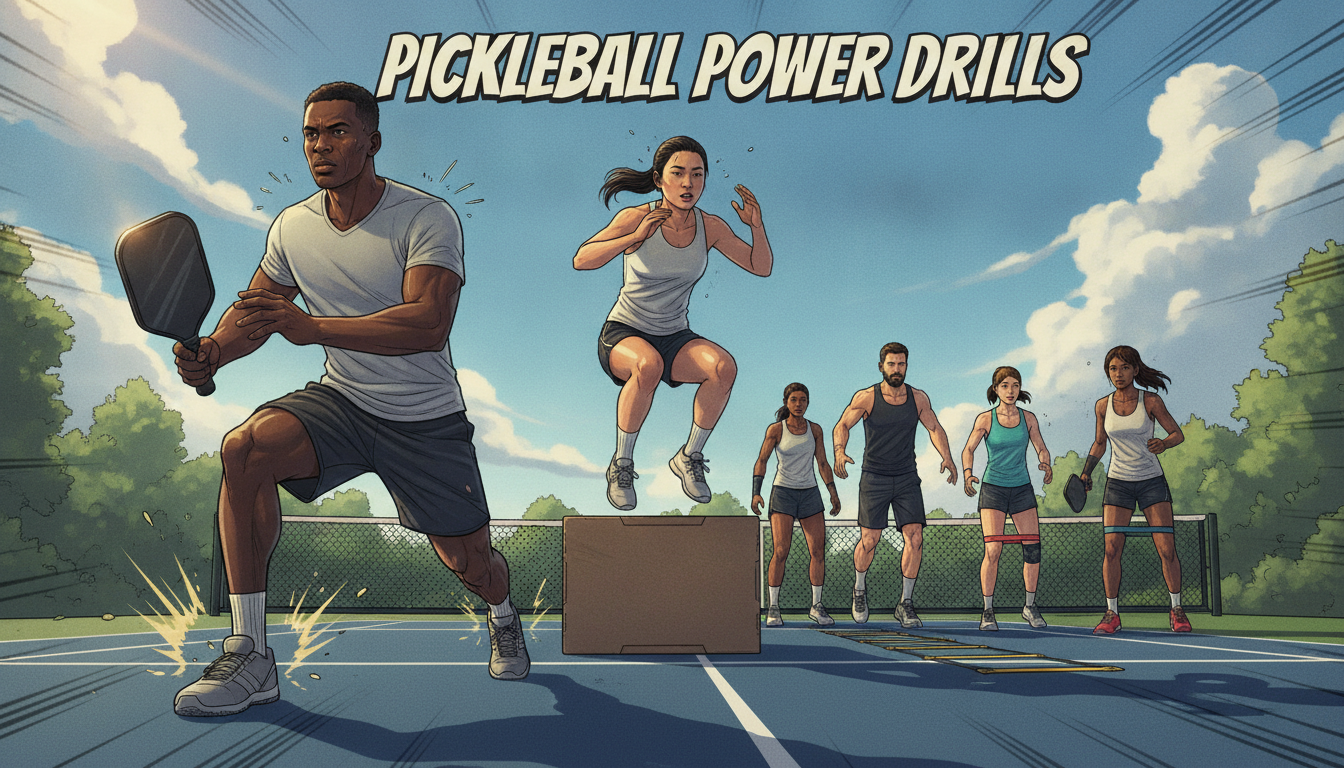
Do you want to dominate the court and stay injury-free? Many players overlook the physical demands of this fast-paced sport. A dedicated pickleball fitness routine is the secret to gaining a competitive edge.
By focusing on specific movements, you can significantly improve your pickleball performance. A structured approach helps you build the lateral agility and explosive power needed for quick net transitions. Whether you are a beginner or a seasoned pro, these best pickleball exercises provide the foundation for long-term success.
Consistency is key when you start your new pickleball training. A balanced pickleball workout targets your core stability and lower-body strength to keep you moving efficiently. Prioritizing your pickleball fitness ensures your body remains durable throughout every match.
Key Takeaways
- Develop lateral agility to reach more shots across the court.
- Build lower-body strength to support explosive movements and quick starts.
- Enhance rotational core stability for more powerful and accurate swings.
- Improve balance to maintain control during intense rallies.
- Increase joint durability to prevent common sports-related injuries.
Understanding the Physical Demands of Pickleball
Pickleball is now the fastest-growing sport in the U.S., attracting millions. It offers many benefits, such as better heart health and stronger social connections. But it’s more challenging than it seems.
Why Court Movement Requires Specialized Training
Many players don’t realize how demanding pickleball is. You need to make quick, explosive movements. These require good coordination and balance.
Adding pickleball strength training to your routine is key. It helps your muscles prepare for the demands of the game. By doing exercises that mimic the game, you keep your body strong during long matches.
Common Injury Patterns in Pickleball Players
The game can lead to injuries, especially strains and sprains. These are common in players over 60. Knowing these risks helps prevent injuries.
The table below shows how certain movements can lead to injuries. It’s important to watch out for these risks.
| Movement Type | Primary Muscle Group | Common Injury Risk |
|---|---|---|
| Lateral Shuffling | Hip Abductors | Ankle Sprains |
| Overhead Reaching | Rotator Cuff | Shoulder Tendonitis |
| Explosive Lunging | Quadriceps | Knee Strain |
| Rapid Pivoting | Calf Muscles | Achilles Tendonitis |
Knowing these injury patterns helps protect your body. Being consistent in your training keeps you playing pickleball for years.
Essential Pickleball Exercises: Pickleball Workout, Pickleball Fitness, and Pickleball Training
Training well is key to going from casual player to top-notch pickleball athlete. By focusing on pickleball conditioning, you get ready for quick changes and fast moves in a game. A regular pickleball workout routine helps you last longer in matches.
Building a Foundation for Court Performance
To really improve pickleball skills, you need to do more than simple drills. Focus on exercises like goblet squats and woodchops. These best pickleball exercises help you move as you do in the game, whether it’s reaching for a dink or serving hard.
Adding these exercises to your pickleball training makes your fitness useful on the court. Strengthening your core and legs helps you hit shots accurately. This is key for anyone aiming to get better at the game.
“True athletic performance on the court is not just about skill; it is about the ability to move your body efficiently through every plane of motion.”
The Role of Functional Movement in Injury Prevention
Putting pickleball injury prevention first is smart for long-term pickleball players. Using pickleball mobility exercises reduces the risk of injuries such as tennis elbow and shoulder strain. These exercises keep your joints flexible and healthy, which is crucial for quick moves.
The table below shows how different training helps you succeed:
| Training Focus | Primary Benefit | Key Exercise |
|---|---|---|
| Lower Body Power | Explosive Movement | Goblet Squats |
| Rotational Core | Powerful Serves | Woodchops |
| Lateral Agility | Defensive Coverage | Side Shuffles |
| Joint Durability | Injury Prevention | Band Pull-Aparts |
Being consistent is key to seeing results from your effective pickleball workout. Whether you’re looking for top pickleball fitness routines or pickleball skills training, remember that functional movement helps you stay strong. Stick to your pickleball fitness routine, and you’ll see big improvements in your game.
Developing Lower-Body Strength for Explosive Power
Your lower body is key for explosive movements on the pickleball court. Pickleball strength training builds a strong base for quick starts and stops. This pickleball strength is crucial for handling the intense demands of play.
Mastering the Goblet Squat for Court Stability
The goblet squat is one of the best pickleball exercises for stability. Holding a weight at chest height engages your core and strengthens your legs. This helps you stay balanced, especially when waiting for the serve.
Adding this to your pickleball power training keeps you stable. Stability means you can react quicker to shots. Regular practice keeps your legs strong, even on long tournament days.
“Strength does not come from physical capacity. It comes from an indomitable will to improve your movement patterns every single day.”
Utilizing Lateral Lunges to Improve Side-to-Side Movement
Pickleball requires quick side-to-side movements. Lateral lunges are great exercises for pickleball players because they improve agility. These pickleball leg exercises strengthen your glutes and inner thighs, key to powerful movements.
To do them right, step wide to the side, keep your chest up, and keep the trailing leg straight. This action is like reaching for a wide shot near the sidelines. Adding these to your routine boosts your court coverage with confidence and speed.
Enhancing Lateral Agility and Footwork Speed
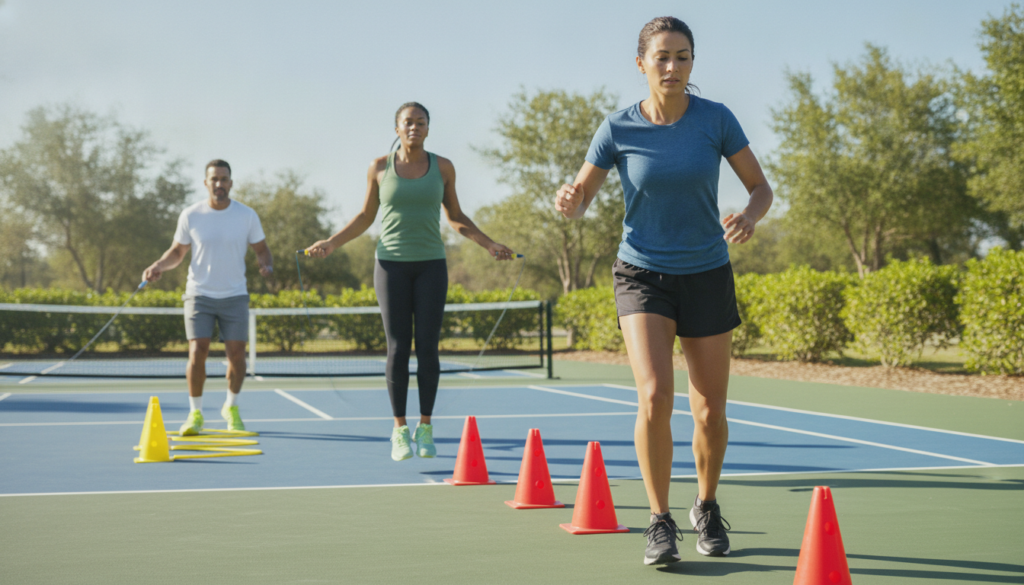
Pickleball at a high level needs quick side-to-side movements. Adding agility exercises to your pickleball training can greatly improve your court coverage. These drills help you stay balanced and reach shots you couldn’t before.
Executing Side Shuffles for Defensive Coverage
Side shuffles are key lateral agility drills for staying low and ready. A wide base improves your balance, crucial for quick defense. These pickleball footwork drills help you move smoothly without losing your paddle’s alignment.
To do them right, keep your knees bent and chest up. Push off your outside foot for speed. Regular practice makes these moves smooth and natural during intense games.
Implementing Skater Jumps for Rapid Direction Changes
Skater jumps are the top effective pickleball training drills for explosive power. They mimic the movements of speed skaters, preparing your muscles for quick stops and starts. This pickleball agility training is key to dominating the transition zone.
Land softly on one leg to build ankle and knee stability. Do these jumps with full effort for better reaction time. As you get better, jump farther to test your coordination.
| Drill Name | Primary Benefit | Difficulty Level |
|---|---|---|
| Side Shuffles | Defensive Coverage | Beginner |
| Skater Jumps | Explosive Power | Intermediate |
| Crossover Steps | Advanced pickleball drills | Advanced |
| Agility Ladder | Pickleball skills training | Intermediate |
| Cone Weaves | Advanced pickleball training drills | Advanced |
Building Rotational Core Stability and Power
Your core is the engine for every powerful swing on the court. It connects your lower-body drive to your upper-body paddle speed. By focusing on pickleball strength training, you ensure energy flows well from your legs to the ball.
A dedicated pickleball core workout helps you control the ball during intense rallies. By focusing on these movements, you improve your skills for more consistent and aggressive play.
The Importance of Woodchops for Powerful Serves
Woodchops are key for building the rotational force needed for explosive serves. This exercise teaches your body to generate power from the hips. By mastering it, you improve your shot velocity.
Regular practice of woodchops enhances your pickleball power training. Your serves will become more penetrating, making them harder for opponents to return. This is a sign of advanced play.
Strengthening the Obliques for Better Reach
Your obliques are crucial for stabilizing your torso on wide shots. Without strong pickleball strength, you might lose balance or struggle to recover. Strengthening these muscles helps you stay upright and ready for the next shot.
The table below shows how specific rotational exercises boost your court performance:
| Exercise | Primary Benefit | Pickleball Application |
|---|---|---|
| Woodchops | Rotational Power | Faster, deeper serves |
| Russian Twists | Oblique Endurance | Better reach on wide shots |
| Plank Rotations | Core Stability | Improved balance during rallies |
| Medicine Ball Throws | Explosive Force | Harder groundstrokes |
Improving Balance and Joint Durability
Staying fit on the court means focusing on balance and joint health. Power is key, but staying balanced is crucial. By doing pickleball balance exercises, you support your joints against the stress of playing.
Maintaining balance is key to preventing pickleball injuries. Strong stabilizing muscles mean less impact on your joints. This helps you play for years without pain.
Single-Leg Romanian Deadlifts for Ankle and Knee Health
The single-leg Romanian deadlift is great for stability. It makes your foot and ankle work harder, improving court control. It also strengthens knee muscles, helping with side movements.
To do it right, follow these steps:
- Stand on one leg with a slight bend in your knee.
- Hinge at your hips while extending your free leg behind you for balance.
- Keep your back flat and lower your torso until you feel a stretch in your hamstring.
- Return to the starting position by engaging your glutes and core.
Band Pull-Aparts to Prevent Shoulder Strain
Shoulder health is crucial for a good serve and smash. Many pickleball exercises focus on the legs but neglect the upper back. This can lead to tennis elbow or rotator cuff strain. Band pull-aparts strengthen your swing muscles.
These exercises help prevent leaning forward during intense play. They strengthen your rear deltoids and rhomboids, improving posture and shoulder mechanics. Here are the benefits:
- Improved posture during long matches.
- Reduced risk of shoulder impingement.
- Better stabilization for your swing mechanics.
Consistency is key to seeing results with these pickleball exercises. Even a few minutes each week can improve joint durability. These movements keep you agile and ready for every point.
Designing Your Three-Day Weekly Training Plan
Following a structured three-day training plan can boost your performance on the court. Consistency is key to any effective pickleball fitness routine. It helps build endurance for long matches. Using top pickleball workout routines prepares your body for the game’s physical demands.
Structuring Strength and Agility Sessions
Combine strength training with pickleball agility exercises to make the most of your time. Focus on movements that mimic court play, such as lateral agility drills and pickleball footwork drills. These sessions should focus on explosive power and quick direction changes.
Integrating pickleball agility into your sessions improves your reaction time and court coverage. Keep the intensity high to simulate the pressure of a competitive match. Regular practice of these pickleball agility exercises will enhance your movement efficiency.
Integrating Mobility and Recovery Days
Recovery is as crucial as training to avoid injuries. Use your off days for mobility work to keep your joints healthy and your muscles flexible. This balanced approach makes your pickleball training sustainable all season.
Use the table below to organize your weekly efforts effectively. This structure balances intensity with rest periods for optimal growth.
| Day | Focus Area | Key Activities |
|---|---|---|
| Day 1 | Strength & Agility | Effective pickleball workout (Squats, Shuffles) |
| Day 2 | Mobility & Recovery | Stretching, Yoga, Light Walking |
| Day 3 | Pickleball Practice | Pickleball routines and footwork drills |
| Weekly Goal | Consistency | Follow all effective pickleball workouts and plans |
By sticking to these pickleball practice routines, you’ll gain the confidence to dominate the court. These pickleball workout plans are flexible, allowing you to adjust based on your fitness level. Stay committed to your pickleball workout routine for consistent improvement in your game.
Executing the Perfect Pre-Match Warm-Up
Your performance on the pickleball court starts before you serve. Many players dive right in, risking stiffness and injury. A good pickleball warm-up gets your body ready for quick movements.
A solid routine makes your joints move smoothly and your muscles ready. Adding pickleball mobility exercises to your routine makes you agile from the start. This is key to playing pickleball for a long time.
Dynamic Stretching Routines for Pickleball
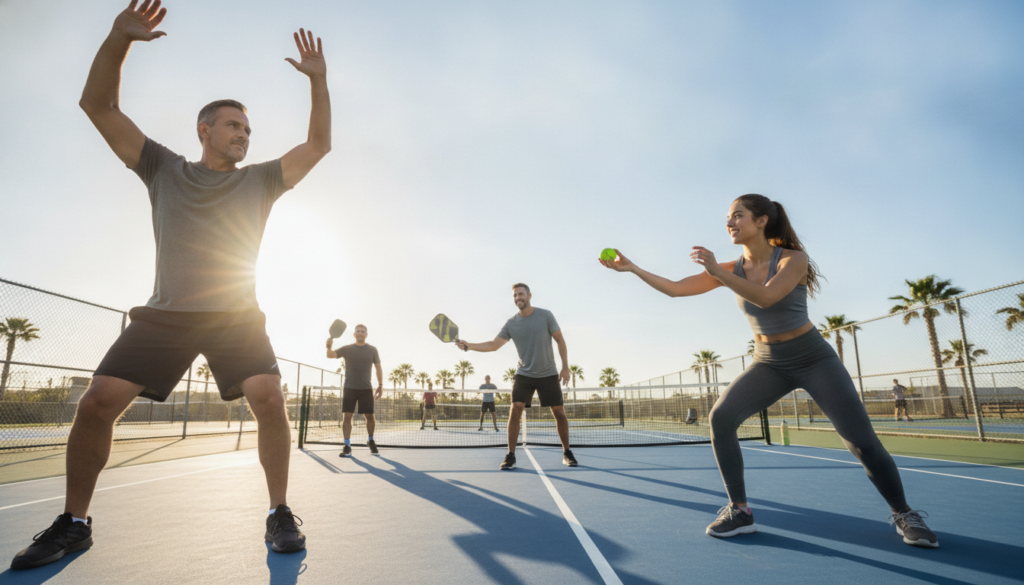
Dynamic stretching is better than static stretching before playing. These movements are like the actions you do on the court. They help your hips, shoulders, and legs move freely.
Leg swings, arm circles, and torso twists are good for your pickleball routines. They boost blood flow to your muscles. This is crucial for effective pickleball training drills later. Regular stretching keeps your body strong and injury-free.
Activating Key Muscle Groups Before Play
You also need to wake up specific muscles used in a match. This includes your glutes, core, and shoulders. Even simple pickleball practice routines can improve your speed and balance.
Try light pickleball training drills, such as shadow swinging or side-shuffling. For better skills, add advanced pickleball drills that focus on footwork. This gets you from relaxed to ready for the game.
Nutrition and Recovery Strategies for Longevity
Your journey to peak athletic performance starts with how you treat your body off the court. Mastering pickleball skills is key, but your body’s longevity also depends on fuel and rest. By following these pickleball fitness tips, you keep your body strong against the game’s demands.
Fueling Your Body for High-Intensity Matches
Nutrition is crucial for improving pickleball performance. Eat complex carbs before matches for energy. Add lean proteins to repair muscles, a big benefit of pickleball for regular players.
Stay hydrated with water and electrolytes to avoid cramps and stay sharp. Follow top pickleball fitness tips like eating 90 minutes before play to avoid stomach issues and keep energy up.
Prioritizing Rest to Avoid Overuse Injuries
Rest is not weakness; it’s vital for pickleball training tips. Muscles need time to heal after intense top pickleball fitness routines or pickleball core workouts. Without enough rest, you risk fatigue and injury that can stop your progress.
Active recovery, like light walking or stretching, is better than doing nothing. It helps remove waste and improves blood flow. Use this guide to balance your pickleball workout plans with recovery.
| Activity Type | Primary Goal | Recommended Frequency |
|---|---|---|
| High-Intensity Play | Skill Application | 3-4 times per week |
| Active Recovery | Muscle Repair | 2 times per week |
| Complete Rest | Systemic Healing | 1 day per week |
Conclusion
Mastering pickleball is more than just playing with a paddle and a ball. You need a strong physical preparation to stay competitive and avoid injuries. Adding specific pickleball exercises to your routine changes how you move during intense games.
Agility exercises for pickleball help you reach shots easily. You’ll cover more of the court when you practice these moves. Balance exercises keep you stable during quick turns and stops.
When your body is ready, your pickleball practice improves. A consistent warm-up prepares your muscles for the demands of the game. These exercises help prevent injuries and keep you playing well.
Use these fitness tips to build a lasting foundation in pickleball. Your dedication to training is key to enjoying the game for years. Start improving your game today and play with confidence.