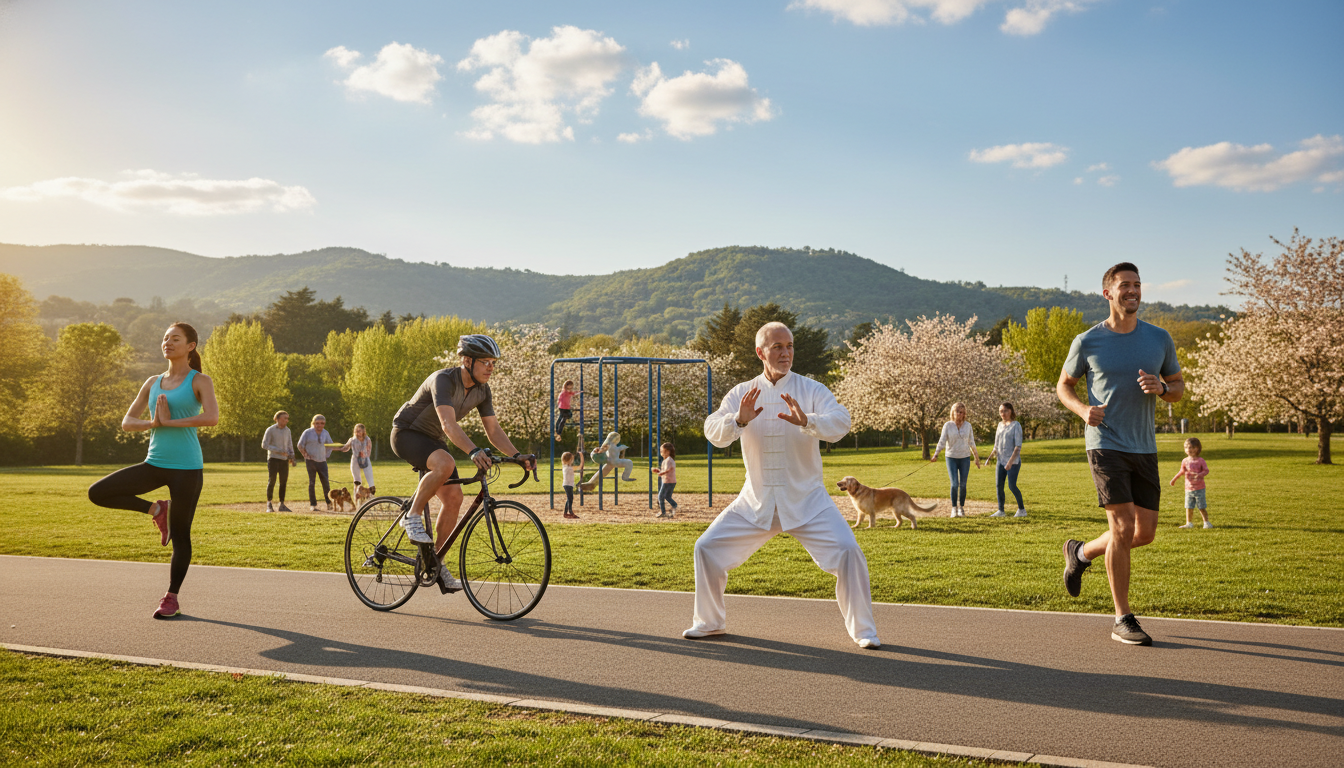
Many think that hitting a high daily step count is key to living longer. But repetitive motion doesn’t meet our body’s complex needs. Harvard research shows that diverse physical activity reduces early death risk by 19%, regardless of the amount.
Walking 5,000 steps on uneven ground is better than walking 10,000 on a flat surface. Activities like reaching, squatting, and twisting boost functional fitness. This keeps your joint health in better shape than repetitive exercises.
Getting out of a sedentary lifestyle is more than just tracking steps. Focus on a variety of movements to prepare your body for everyday life. It’s time to move from just doing cardio to building a lasting body.
Key Takeaways
- Diverse physical activities reduce premature mortality risk by 19%.
- Uneven terrain challenges your body more than flat surfaces.
- Functional training improves your ability to perform daily tasks.
- Repetitive exercise can lead to overuse injuries over time.
- Prioritizing quality of motion is superior to chasing high step counts.
The Myth of the 10,000 Step Benchmark
The 10,000-step goal has become a big deal, but it’s not based on solid science. Walking is great for staying active, but making this a must-do can be misleading. Many focus too much on reaching this goal, rather than the quality of their movement.
By only focusing on steps, you might create an exercise routine that’s not diverse. True health is about moving in different ways, not just counting steps.
Understanding the Origins of the Step Count Goal
The 10,000-step goal started as a marketing idea in the 1960s. It was to promote the “Manpo-kei” pedometer in Japan. The name means “10,000-step meter,” and the number was picked because it looks like a walking person.
“The 10,000-step goal is a marketing creation, not a clinical requirement for health.”
This goal became a worldwide standard for daily activity. But it was never meant to be the ultimate goal for human health. Relying on this number can distract us from better ways to stay well.
Why Repetitive Motion Limits Your Physical Potential
Walking the same path every day is repetitive. It doesn’t challenge your muscles or improve balance in changing environments. This can lead to injuries and stop your body from getting stronger.
Your body needs variety and complexity. By moving only in one direction, you miss out on important movements. Focusing on movement quality, not just steps, helps build a stronger body.
Defining Movement Variety for Functional Longevity
Functional longevity means moving with ease and strength all your life. It’s not just about avoiding injuries. It’s about keeping the freedom to engage with the world freely. By focusing on variety in movement, your body stays ready for life’s surprises.
Breaking free from single-exercise routines unlocks your full potential. Organic fitness makes exercise a part of your health, not a task. This mindset is key to a long, healthy life.
The Core Principles of Natural Movement
Natural movement believes our bodies are meant to be versatile. Instead of doing the same thing over and over, aim for a variety of movements. This holistic movement includes squatting, reaching, twisting, and balancing every day.
“The body is a masterpiece of engineering that thrives on complexity, not repetition.”
Here are the main points of fitness diversity:
- Variability: Always change your speed, direction, and effort.
- Adaptability: Get your muscles ready for uneven surfaces and surprises.
- Sustainability: Pick activities that are easy on your joints, not hard.
How Diverse Patterns Support Aging Joints
As you get older, your joints need a variety of movement patterns to stay healthy. Doing the same exercise over and over can hurt specific areas. Diversified movement patterns spread out the work, keeping your whole body strong.
This variety of exercise helps protect your cartilage and tissues. Movement diversity boosts blood flow and nutrient delivery to areas that are usually left out. Embracing natural and varied motion is the best way to keep your joints mobile for years to come.
The Physiological Benefits of Uneven Terrain
Walking is more than just moving forward. The ground you walk on is just as important. Flat surfaces like gym floors or paved tracks make walking too easy. Walking on uneven terrain, like grass or rocky paths, makes your muscles work harder.
Engaging Stabilizer Muscles Through Unpredictable Surfaces
Walking on uneven surfaces is not just about moving forward. Your ankles, knees, and hips must work together to keep your balance. This kind of movement wakes up muscles that don’t get used much on flat surfaces.
Adding these diverse workouts to your routine has big benefits. Here are some reasons why:
- It strengthens your core muscles for better stability.
- It works the smaller muscles around your joints harder.
- It improves your ankle strength and flexibility.
Proprioception and Balance in Daily Life
Proprioception is your body’s way of knowing where it is in space. It’s key for staying healthy. Walking on uneven terrain trains your body to stay balanced and react quickly. As a movement expert said:
“The body is a masterpiece of adaptation; if you provide it with a predictable environment, it will eventually stop learning. To maintain function, you must introduce complexity.”
Doing agility exercises on different surfaces helps you stay balanced. This is especially important as you get older. These diverse exercises keep your body ready for whatever life throws your way. Embracing diverse movement is not just about staying fit. It’s about keeping your independence and control over your body.
Integrating Reaching, Squatting, and Twisting into Your Routine
Your body gets stronger when you do daily reaching, squatting, and twisting. These functional movement patterns are more than just exercises. They help your body stay flexible and strong for life.
Why Functional Movements Outperform Linear Cardio
Linear cardio, like walking on a treadmill, doesn’t prepare you for daily life. It builds endurance but doesn’t help your joints stay healthy. Functional fitness trains your body to move in all directions, which is key to avoiding injuries.
By focusing on mobility exercises, you train your muscles to work together. This leads to optimal movement that supports your body during daily tasks. Unlike cardio, these movements keep your body flexible and strong.
Adapting Your Environment for Better Mobility
Make your surroundings encourage natural movement. Put things on high shelves to make you reach, or keep them low to squat. These changes help you move better without needing the gym.
Make your home or office active by adding bends and twists. This turns your space into a place that keeps you moving naturally. Doing these small actions regularly can greatly improve your health.
| Movement Type | Primary Benefit | Real-Life Application |
|---|---|---|
| Squatting | Lower body strength | Picking up heavy groceries |
| Reaching | Shoulder health | Storing items on high shelves |
| Twisting | Spinal mobility | Reaching for a seatbelt |
Assessing Your Current Physical Activity Habits
Breaking free from inactive living begins with a clear look at your daily physical activity habits. To boost your physical activity, first understand how you spend your day. Many people think they move more than they actually do, while sitting for hours.
Identifying Patterns of Sedentary Living
Wearable tech is a big hit in 2026, with 50% of U.S. adults using it. These devices show how much you move, revealing hidden gaps. They help you find times when you sit too long.
Look out for these signs of a sedentary lifestyle:
- Spending more than four hours sitting at a desk.
- Use elevators or escalators for short trips.
- Feeling stiff or uncomfortable after sitting.
- Not moving enough outside of exercise.
Moving Beyond the Treadmill Mindset
Many see fitness routines as a chore on a machine. This view misses the value of natural movement all day. By changing your mindset, you can improve your physical wellness and make health more sustainable.
True physical well-being comes from moving in your environment, not just on a treadmill. Try walking on uneven ground or doing functional mobility exercises. This change breaks the routine and prepares you for life’s surprises.
Strategies for Incorporating Movement Variety into Your Day
To boost your fitness, focus on how you move, not just how far. A simple 5,000-step walk can become a full-body workout with the right mindset. Adding variety to your movements challenges your body in new ways without taking up more time.
Transforming a Standard Walk into a Full-Body Workout
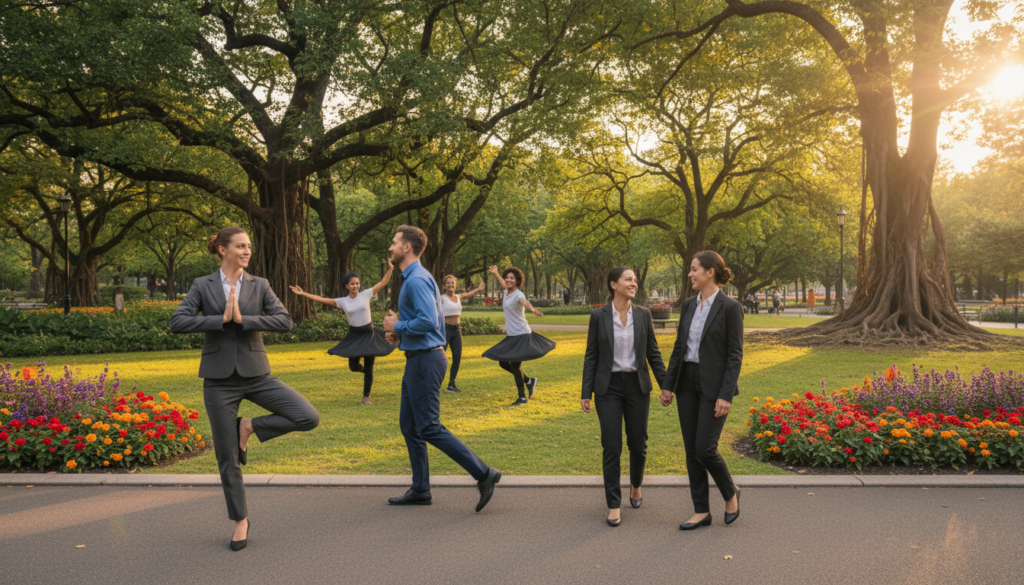
Make your daily walk more effective by adding dynamic movement. Try swinging your arms or reaching overhead as you walk. These changes turn a basic walk into a powerful way to stay active.
Here are some easy ways to boost your exercise routine:
- Walk lunges or side-steps every few hundred feet to work your glutes and core.
- Keep your shoulders back and look straight ahead to improve your posture.
- Alternate between fast and slow walks to challenge your heart and lungs.
Utilizing Stairs and Hills for Dynamic Loading
Walking on hills or stairs is great for building movement diversity. It makes your muscles work harder to keep you stable. This kind of active living improves your balance and coordination.
Using stairs or hills during your walk strengthens your lower body. It’s like getting a workout while just moving around. This helps keep your joints strong and your muscles active, supporting a healthy, active lifestyle.
The Role of Mobility Training in Preventative Care
Transform your physical health by focusing on organic movement. This approach supports long-term function. Unlike just focusing on strength or endurance, true longevity comes from moving well through all motions. Adding mobility training to your routine is key for preventing common aches as you age.
Improving Flexibility Through Organic Movement
Move away from stiff, repetitive gym routines. Instead, choose more natural movement. Organic fitness lets your body explore different motions. This keeps your muscles and tissues flexible.
By moving naturally, your joints can slide smoothly. This avoids the grinding that comes with repetitive stress.
Here are the main benefits of natural movement:
- Increased range of motion in tight areas like the hips and shoulders.
- Better neuromuscular control during everyday tasks.
- Reduced risk of strain through improved tissue elasticity.
Protecting Joint Health for the Long Term
Regular mobility exercises are key to maintaining joint health. It’s easy to feel overconfident when you’re strong. But this can be risky.
Even athletes who feel ready after major surgeries, such as ACL reconstruction, are at higher risk of injury. This is because they feel too confident.
Balance your workouts with flexibility training to avoid this trap. Stay aware of your limits and keep practicing mobility. This way, you protect your body’s structure. Remember, protecting your joint health is a long-term effort. Your daily movement is the best way to ensure your future well-being.
Designing a Holistic Fitness Plan for Optimal Wellness
Long-term health requires a holistic approach to daily movement. Focus on diverse patterns that support your body’s natural mechanics. This way, your training stays effective and fun over time.
Balancing Cardio Volume with Movement Diversity
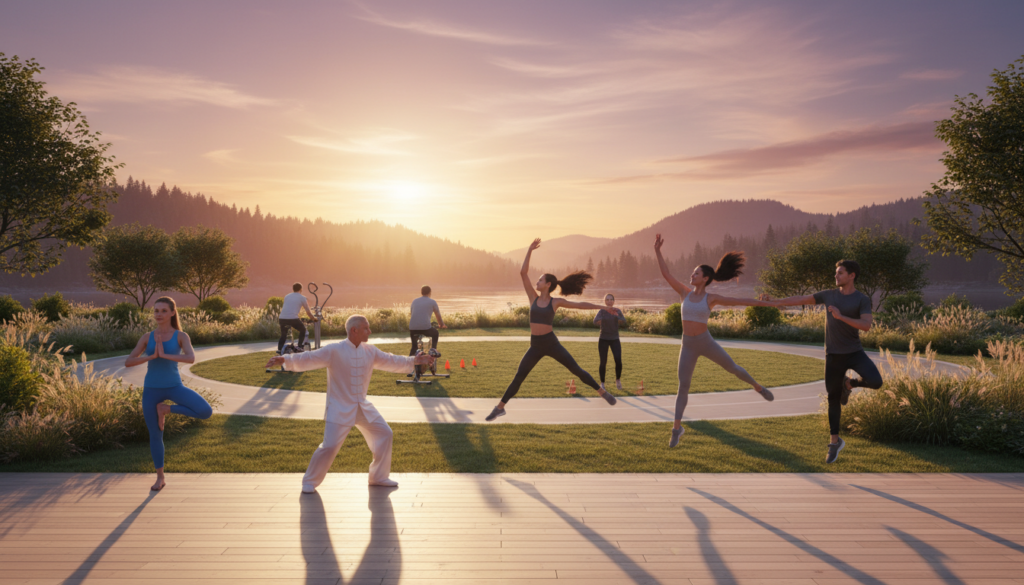
A good routine balances cardio volume with movement diversity. Traditional cardio is great for the heart, but lacks dynamic movement for joints. Adding functional movements to cardio sessions boosts benefits.
Use mobility training in warm-ups or cool-downs to improve range of motion. This keeps activity levels high without overstressing muscles. Embracing exercise diversity strengthens your physical health.
Creating Sustainable Habits for an Active Lifestyle
Building an active lifestyle is about being consistent and varied. Focus on habits that promote optimal movement patterns all day. Small changes can greatly impact your functional fitness journey.
Sustainable habits fit into your busy schedule. Seeing every chance to move as a way to improve functional movement patterns keeps you active long-term. This mindset helps you stay strong and capable as you age.
Your goal is to achieve holistic health with a balanced routine. Prioritizing fitness diversity helps protect your body from repetitive-motion damage. Stay committed to this active living philosophy for lasting benefits.
Overcoming Common Barriers to Diverse Exercise Routines
Breaking through the barriers of a sedentary lifestyle takes more than willpower. Many feel their busy lives leave no time for diverse exercise routines. Yet, small changes can make a big difference. By changing how you see things, you can turn daily challenges into chances for better physical wellness.
Addressing Time Constraints and Accessibility
You don’t need an hour at the gym to boost your joint health. Look for ways to stay active in your daily tasks. Simple actions like taking the stairs or standing while on a call can help your body.
Accessibility is often a mental block, not a physical one. You can add movement to your home or office without expensive gear. Making these small changes helps build a strong base for long-term physical well-being.
Mindful Movement as a Tool for Consistency
Mindful movement helps you stay consistent by focusing on your body’s sensations. Paying attention to your alignment and breath turns everyday tasks into exercise. This method keeps you active even when life gets hectic.
Seeing movement as essential, not a chore, boosts your joint health and keeps you motivated. The table below compares traditional fitness to more flexible, mindful approaches.
| Strategy | Traditional Approach | Mindful Movement |
|---|---|---|
| Time Commitment | Fixed 60-minute blocks | Micro-sessions throughout the day |
| Environment | Requires a gym or studio | Anywhere (home, office, park) |
| Primary Goal | Calorie burning | Functional physical well-being |
| Consistency | Often leads to burnout | Sustainable preventative care |
Choosing ways to stay active that fit your life helps avoid a sedentary lifestyle. Remember, every bit of movement helps your physical wellness. Be patient as you build these lasting habits.
Conclusion
True physical longevity means changing how you see daily activity. Moving away from the same old habits lets you adopt a holistic approach. This supports your body for many years.
Improving flexibility comes from choosing natural movements that challenge your joints. Adding mobility training to your day keeps your muscles strong and flexible. This holistic approach to movement lays a strong foundation for lasting health.
Building an active lifestyle is more than just tracking your steps. It’s about trying different exercises to keep your life interesting. This commitment to holistic fitness helps you stay strong and balanced as you get older.
Begin your journey to holistic wellness with small, mindful movements today. Focus on the quality of your movements to keep living an active life. Your body will thank you for the dynamic challenges it needs to stay strong and capable.