You likely spend hours hunched over a desk, which wreaks havoc on your alignment. Simple movements can effectively reverse this damage.
Incorporating a spinal decompression exercise into your routine offers a quick fix for daily tension. These dead hangs are among the most underrated tools for physical longevity.
By performing these, you will improve shoulder mobility and increase grip strength simultaneously. Discover how these dead hang benefits can restore your natural posture and alleviate chronic back pain today.
Key Takeaways
- Counteract the negative effects of prolonged sitting.
- Relieve pressure on the vertebrae through gravity.
- Enhance joint health and range of motion.
- Build functional forearm and hand power.
- Restore natural alignment for better daily posture.
Understanding the Dead Hangs Benefits: Spinal Decompression Exercise Improves Shoulder Mobility
Starting your journey to a pain-free back is easy. Just let gravity help. By doing a spinal decompression exercise daily, you fight off desk stiffness. It’s not just about getting stronger. It’s key to promote joint health and get your body back in line.
Why Simple Hanging is a Game Changer
The dead hang exercise is simple yet powerful. Hanging from a bar relaxes your muscles. Gravity stretches your spine, easing pressure on your lower back.
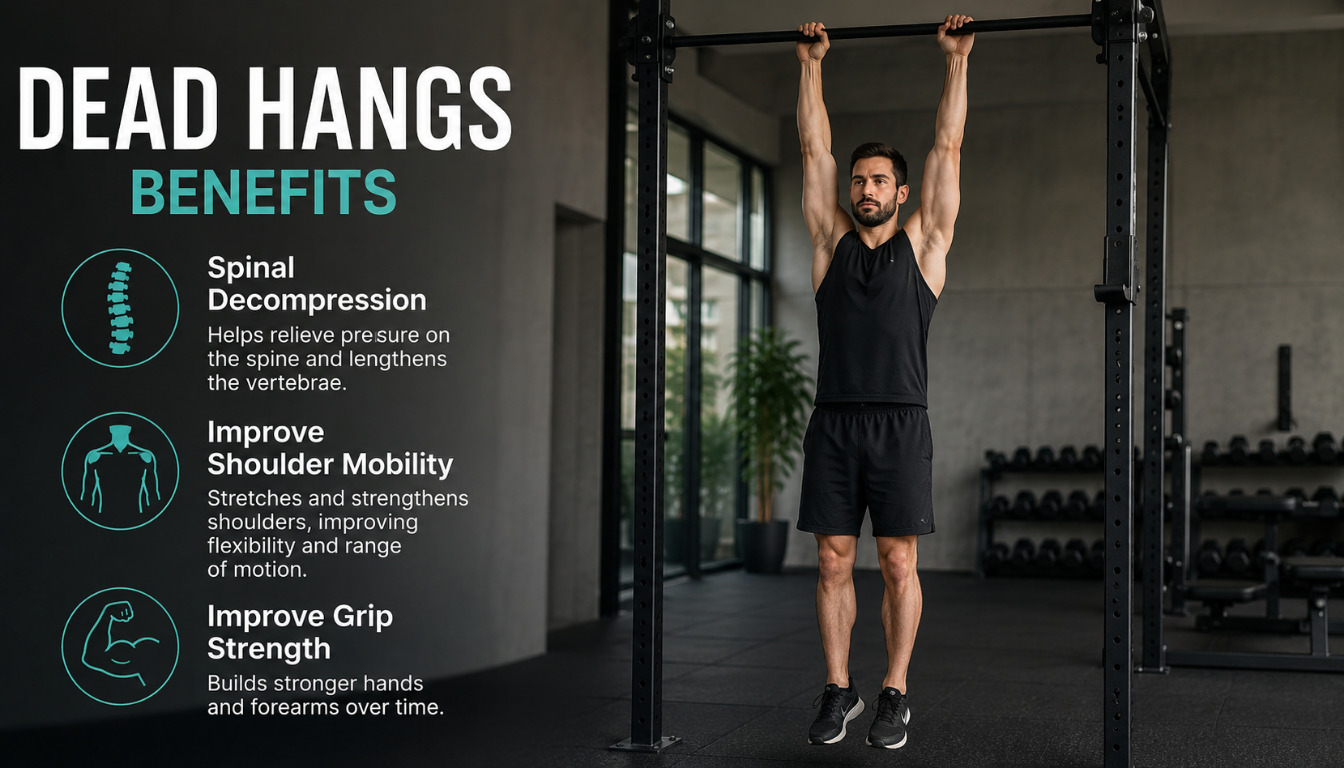
Here are the main benefits of this exercise:
- Reduced back pain through consistent spinal lengthening.
- Improved shoulder mobility by opening up the joint capsule.
- Enhanced grip strength, which serves as a key marker for longevity.
- Better posture by correcting the forward-leaning habits of modern life.
The Science of Decompression and Joint Health
Dead hangs decompress the spine, creating space between vertebrae. This allows spinal discs to rehydrate and recover after sitting or standing. Many say it’s one of the best exercises for spinal decompression today.
“The spine is designed for movement and suspension; by hanging, you provide the necessary relief that modern sedentary life often denies your joints.”
These benefits of hanging exercises also help your shoulders. Regular practice improves shoulder mobility and prevents common issues. Focusing on these benefits keeps your body strong, flexible, and ready for daily activities.
Preparing for Your First Dead Hang Session
Before your first dead-hang workout, get ready for success. Good preparation helps you focus on your form. It makes dead hang a lasting part of your fitness routine.
Selecting the Right Equipment
You need a strong, fixed bar for these joint mobility exercises. A good pull-up bar or gymnastics ring is best. Make sure the bar is high enough so your feet don’t touch the ground when you’re fully extended.
If grip strength holds you back, use chalk to improve your grip. This simple trick keeps your grip secure. Consistency is key, so pick equipment that feels right every time.
Safety First: Using a Box and Proper Foot Placement
Safety is crucial in any hanging exercise routine. Always use a sturdy box or step stool to reach the bar safely. This way, you can mount and dismount without jumping or straining your shoulders.
When stepping onto the box, place your feet firmly on it. This gives you a stable base as you reach for the bar. By controlling how you get on the bar, you protect your joints from sudden impacts or unnecessary tension.
Adjusting for Comfort: The Knee Bend Technique
Learning how to do dead hangs correctly means finding the right body position. If your feet drag on the floor, bend your knees to 90 degrees. This knee bend technique keeps your body compact and prevents your toes from touching the ground.
This adjustment is key to effective bodyweight exercises. It allows for a full, relaxed stretch. Keeping your knees bent also helps keep your spine neutral. Focus on feeling the decompression in your shoulders and upper back as you hang.
| Equipment Item | Primary Purpose | Benefit for Training |
|---|---|---|
| Sturdy Pull-up Bar | Support weight | Stability and safety |
| Step Box | Safe mounting | Prevents shoulder strain |
| Gymnastic Chalk | Enhance grip | Joint mobility improvement |
| Comfortable Mat | Landing zone | Injury prevention |
Mastering the Passive Hang Variation
To unlock true spinal decompression, you need to master the passive hang. This method is the best way to decompress spine structures. It lets gravity work for you, releasing tension in your muscles.
Defining the Passive Hang Technique
The passive hang means letting go completely. You don’t use your back or shoulder muscles. Your shoulders will rise toward your ears, stretching your lats and deepening your thoracic spine.
“True relaxation is not just the absence of effort, but the conscious release of tension that holds your body in a state of constant stress.”
When to Choose the Passive Approach
Choosing between an active and passive hang depends on your goals. For decompression therapy after a long day, go for the passive hang. It’s a top decompression stretch for quick relief.
| Feature | Passive Hang | Active Hang |
|---|---|---|
| Muscle Engagement | Completely Relaxed | Scapular Retraction |
| Primary Goal | Spinal Lengthening | Shoulder Stability |
| Shoulder Position | Near the Ears | Away from Ears |
Focusing on Total Relaxation and Spinal Lengthening
To boost your upper body flexibility, focus on complete stillness. These decompression exercises need deep breathing and letting your lower body hang. Adding this to your flexibility training keeps your spine healthy and pain-free for years.
Engaging with the Active Hang Variation
Active hanging is different from other dead hang styles. It requires you to actively stabilize your body. This is key for those wanting to enhance core stability. Knowing the difference between active and passive hangs is crucial for your progress.
Defining the Active Hang Technique
To do an active hang, you can’t just let your body hang. You must consciously pull your shoulder blades down and back. This is a great way to tense up your whole upper body.
Keeping your shoulders engaged stops your body from fully relaxing. This means you have to hold a firm grip and keep your muscles active. It’s a basic move that prepares you for more advanced exercises.
The Role of Scapular Engagement
Scapular engagement is key to using your shoulder girdle well. Pulling your shoulder blades down helps shoulder strengthening with dead hangs and protects your joints. This movement is essential for good shoulder stability.
This engagement also boosts your core stability. As you stabilize, you naturally strengthen core muscles to stop swinging. This strengthens your spine and improves control during dead hangs for shoulder strength.
Building Upper Body Stability and Strength
Adding this variation to your routine is a great way to improve upper-body function. It’s a full-body workout that targets your lats, traps, and grip. You’ll see how these dead hang benefits strengthen the core and upper body, enhance posture, and build strength.
Working on upper-body strength through regular practice will pay off. By staying active, you challenge your muscles to stay tense longer. This focus on form helps you get the most out of each workout and builds a stronger body.
How to Improve Shoulder Mobility and Prevent Impingement
Your shoulders bear the weight of daily stress. Hanging can unlock a new level of freedom. By focusing on shoulder health benefits, you can fight off stiffness from sitting all day. Regular practice is key to improving shoulder mobility and keeping joints moving smoothly.
The Connection Between Hanging and Shoulder Health
Hanging opens up the glenohumeral joint. This simple action reduces shoulder tension and prevents impingement. Gravity pulls your body down, increasing the shoulder range of motion without heavy equipment.
This upper body stretching is great for joint maintenance. It relaxes and lengthens muscles around the rotator cuff. You’ll see big joint mobility improvement in your daily life.
Correcting Rounded Shoulders and Forward Posture
Many people hunch over screens, leading to poor alignment. Hanging helps pull your chest open and retract your shoulder blades. It’s a top posture correction exercise for a straighter stance.
By improving posture through dead hangs, you counteract the effects of a sedentary lifestyle. This realigns your spine and shoulders, making it a crucial shoulder exercise for better posture. Over time, your body will naturally seek a healthier position.
Routine Drills to Enhance Range of Motion
Include specific shoulder mobility drills in your weekly routine. These mobility-enhancing exercises build strength and flexibility with slow, controlled movements. You don’t need fancy tools; just a sturdy bar and dedication.
- Shoulder stability exercises: Focus on controlled engagement to protect the joint.
- Flexibility training: Use passive hangs to deepen your stretch safely.
- Shoulder mobility exercises: Perform these daily to maintain your gains.
By focusing on these shoulder flexibility exercises, your body stays resilient and pain-free. Remember, shoulder mobility improvement is a journey, not a race. Stay patient, listen to your body, and enjoy the freedom of movement that comes with a healthy, mobile upper body.
Building Grip Strength for Longevity and Performance
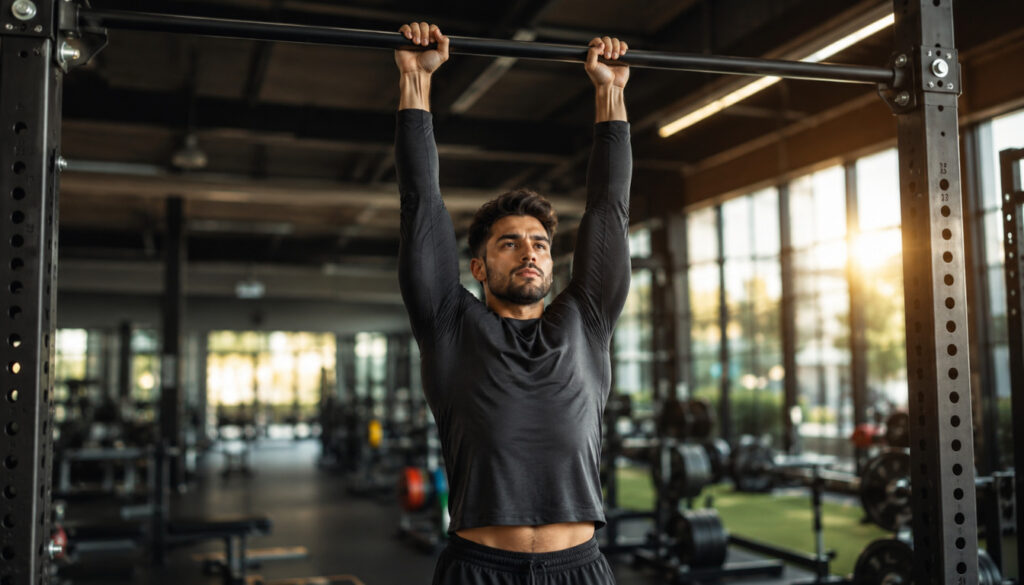
Your grip strength is a key sign of your health and how long you might live. Experts now see holding a bar as a vital health marker. It shows how well your body is doing. By focusing on this simple action, you can gain significant fitness benefits that extend beyond your hands and forearms.
Why Grip Strength is a Vital Health Marker
Studies show that people with stronger grips tend to be healthier over time. When you strengthen your grip, you’re training your nervous system. This is important for staying strong and independent as you get older.
Progressive Overload: From Seconds to Minutes
To really enhance your grip strength with dead hangs, follow the rule of progressive overload. Begin by hanging for 10 to 15 seconds. This lets your tendons and ligaments get used to it. As you get better, hang for longer until you can do a full minute or more.
- Week 1-2: Start with short, controlled holds to build a strong base.
- Week 3-4: Increase your time by 5-10 seconds each session.
- Week 5+: Try to hang for longer to boost upper body strength.
Integrating Hanging into Your Existing Workout Routine
Adding these hanging workouts to your routine can really help. Whether you’re into powerlifting or just like going to the gym, dead hangs offer a special challenge for your muscles. Try doing them at the start to warm up, or at the end to focus on upper-body functionality.
Regular practice will make you better at other big lifts. A stronger grip means you can lift heavier weights with ease. Start now and see how these simple exercises can improve your fitness.
Structuring Your Daily Hanging Protocol
Being consistent is key to reaching your wellness goals. By setting a routine, you turn simple actions into powerful posture correction exercises. This approach helps you get the most out of each session for better spinal health benefits.
Determining Your Ideal Hang Time
To get daily back pain relief, aim for 60 to 120 seconds of hanging. This time is perfect for spinal decompression without straining your grip or shoulders. Your ideal time may change as you get stronger.
Breaking Down Sets: The 30 to 40 Second Rule
When doing hanging exercises for back pain relief, focus on quality over quantity. Break your time into 30 to 40-second sets. This keeps your form perfect and targets active hanging for strong core muscles.
“The secret of getting ahead is getting started, but the secret of staying ahead is consistency in your daily habits.”
Short sets help you avoid poor form. This method boosts core stability and prevents fatigue. Always aim for enhanced spine health through controlled movements.
Consistency: The Key to Long-Term Spinal Alignment
Regular practice is crucial for improving posture through dead hangs. A daily routine gives your body the feedback it needs for proper spinal alignment. This habit will improve your posture and offer consistent back pain relief.
- Perform 30-40 second sets to maintain form.
- Aim for 60-120 seconds of total daily volume.
- Prioritize dead hangs for overall spine health.
- Use dead hangs for back pain relief to enhance core stability.
Addressing Common Mistakes and Troubleshooting
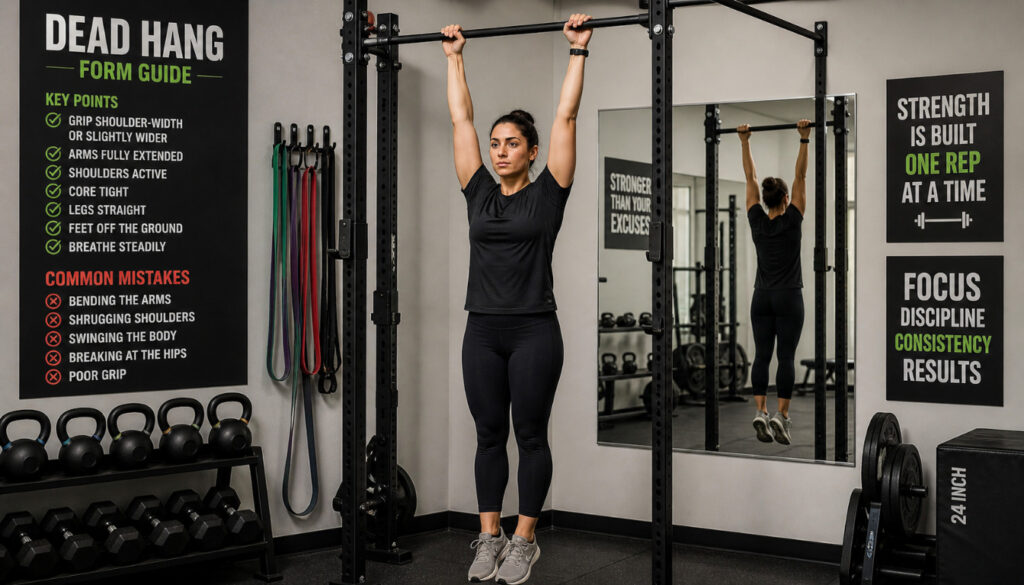
Before you start, it’s key to avoid common mistakes. Learning how to do dead hangs correctly helps you improve shoulder mobility safely. Good form turns this exercise into a daily habit that’s both safe and effective.
Avoiding Over-Stretching and Joint Strain
It’s easy to want to stretch too far, but it can hurt your joints. To keep your joints healthy, move smoothly and avoid jerky actions. Aim for steady, gentle tension to safely increase shoulder range of motion.
Think of these exercises as stretching your body, not testing your limits. If you feel sharp pain, you’ve stretched too far. Always choose stability over stretching to protect your joints.
Listening to Your Body: When to Stop
Your body gives you clues during shoulder health exercises. Know the difference between muscle fatigue and joint pain. If you hear clicking or feel sharp pain, stop right away.
“Progress is not measured by how much you can endure, but by how consistently you can perform without injury.”
Adding shoulder mobility drills to your routine needs patience and self-awareness. If your grip fails or your shoulders feel shaky, stop early. It’s better to be consistent than to risk injury, especially when enjoying the shoulder mobility benefits of regular practice.
Modifications for Beginners and Those with Back Pain
For hanging exercises for back pain relief, don’t start with full body weight. Beginners can use a box or chair to keep their feet on the ground. This helps control the pressure on your spine for back pain relief.
These adjustments are great for those with back pain who want to build strength. As you get stronger, you can reduce the support from your feet. Use the table below to check your progress and adjust your technique as needed.
| Common Issue | Potential Cause | Recommended Fix |
|---|---|---|
| Shoulder Pinching | Excessive range | Reduce hang depth |
| Grip Slipping | Weak forearm strength | Use chalk or gloves |
| Lower Back Strain | Lack of core tension | Engage your abs |
| Shoulder Shrugging | Poor scapular control | Focus on active hang |
Conclusion
Dead hangs are a great way to boost your physical health and fitness. Just a few minutes each day can make a big difference.
Regular dead hangs improve your posture and grip strength. These benefits help you do better in your daily life and sports.
Adding deadlifts to your workout routine helps keep your joints healthy. This means you can move easily and confidently for years.
Begin your dead hang journey today. Your body will thank you with more stability and strength for the long haul.