

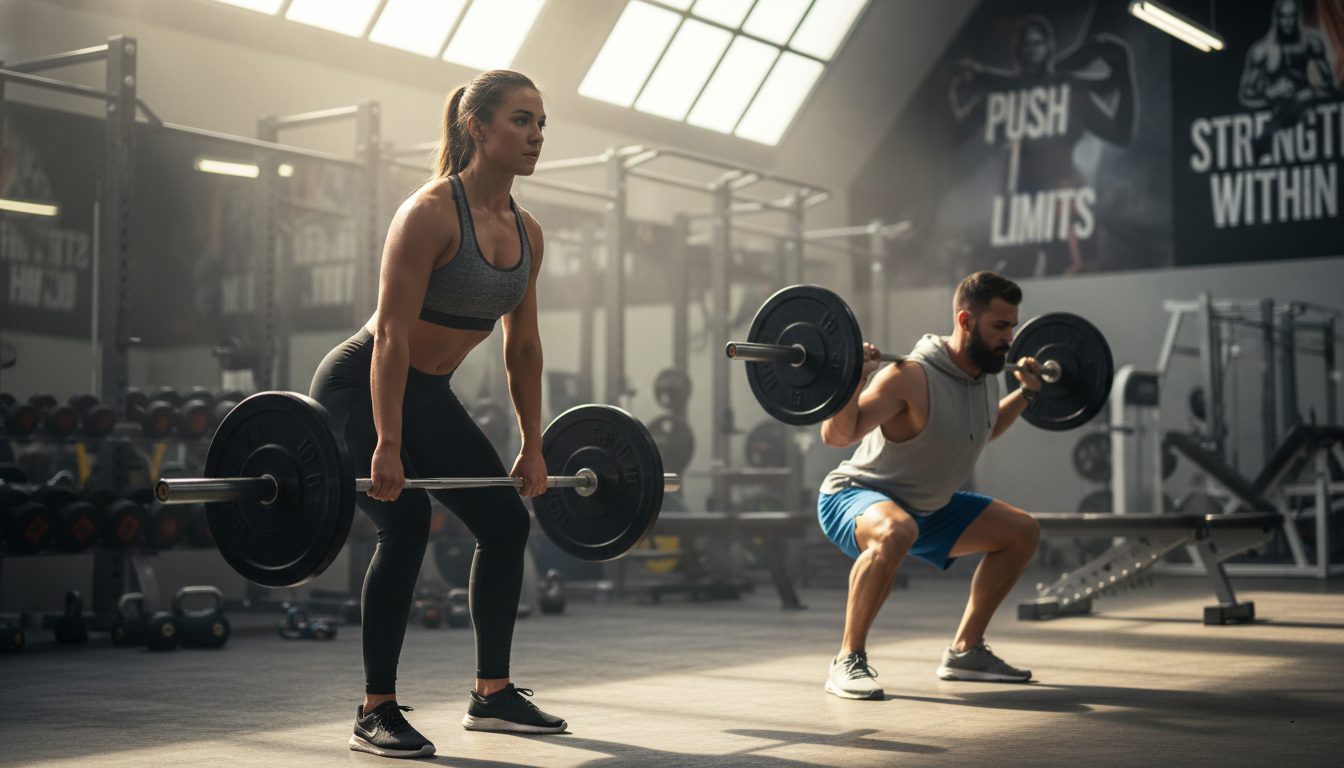
When you go to the gym, you want to do exercises that are worth your time. The deadlift vs squat debate shows these two are key for total-body strength training. Learning them well is crucial for building muscle and power.
These exercises work many muscles at once, like your legs, glutes, and core. They help your whole back work together, giving you big weightlifting advantages. Whether you’re new or experienced, they’re the top weightlifting exercises for getting better over time.
Knowing the deadlift benefits and squat benefits helps you plan your workouts better. Each exercise offers specific weightlifting benefits that enhance your sports skills. Picking the best weightlifting exercise for your goals is key to reaching your best. By focusing on these best weightlifting exercises, you’re setting up for a lifetime of getting stronger.
Key Takeaways
- Compound movements like the squat and deadlift are essential for building functional strength.
- These lifts engage multiple muscle groups simultaneously, maximizing your time in the gym.
- Focusing on proper form helps you build muscle while reducing your risk of injury.
- Both movements serve as the primary foundation for any effective strength training program.
- Mastering these techniques will significantly improve your overall athletic performance and power.
Understanding the Role of Compound Movements in Strength Training
Getting better in the weight room starts with knowing how your body works together. Total-body strength training moves you away from just one muscle at a time. Instead, it focuses on big movements that are like real-life actions. These compound exercises are key for serious training, as they work many muscles at once.
Defining Compound Exercises for Maximum Efficiency
Compound movements work many joints and muscles at once. Doing these muscle-building exercises makes your training more efficient. You work more muscle in less time, which is why they’re the best choice for serious trainers.
“The most effective way to build a strong, resilient body is to focus on the movements that require the most coordination and effort.”
Choosing the best exercises for muscle growth means picking movements that challenge your body. These exercises are great for building muscle because they make your body work hard. Adding them to your routine helps your muscles work together, not alone.
Why Multi-Joint Movements Build Superior Muscle Mass
Multi-joint movements are key because they work many parts of your body at once. This synergistic effect helps you build more muscle than single-joint exercises. Using the best weightlifting exercises boosts your strength and athletic skills.
The table below shows why these movements are best for a full fitness approach:
| Movement Type | Primary Benefit | Muscle Recruitment |
|---|---|---|
| Compound Exercises | Maximum Efficiency | Full Body |
| Isolation Exercises | Targeted Growth | Single Muscle |
| Best Compound Exercises | Functional Power | Integrated Chain |
These muscle-building exercises are crucial for lifting heavy. Focusing on these movements builds a strong base for both looks and power. Sticking with them will change your body and how much you can do.
The Science Behind the Best Weightlifting Exercise: Deadlift Benefits
The deadlift is a top choice for a full-body workout. It focuses on the hips and works many muscles at once. Learning this best weightlifting exercise helps keep you healthy and strong for life.
Targeting the Posterior Chain for Athletic Power
The main benefits of deadlifting come from working the posterior chain. These posterior chain exercises boost your speed and jump height. They strengthen your glutes, hamstrings, and back, giving you the power for sports.
This exercise also strengthens your hips. When you lift heavy, you learn to use your hips, not just your back. This is a big plus for athletes.
Improving Grip Strength and Full-Body Tension
The deadlift is great for working your whole body together. It’s a top full-body workout because it requires your brain and muscles to work together. You must keep your body tight from head to toe to lift correctly.
It also strengthens your grip, which is often a weak point. As you get better, you can lift heavier weights. This makes you stronger and more powerful all over.
The deadlift’s benefits for strength are huge because it makes your body work as a whole. By focusing on this lift, you build the strength needed for everyday tasks and heavy lifting.
Unlocking the Squat Benefits for Lower-Body Development
When you step into the weight room, few movements command as much respect as the squat. This foundational movement is essential for anyone looking to improve their lower-body workouts. By understanding the various squat benefits, you can transform your training routine and achieve significant physical growth.
Why the Squat is the King of Exercises
The squat is often called the king of exercises because it recruits multiple muscle groups simultaneously. It is a staple in functional strength workouts that prioritize real-world movement patterns. The primary benefits of squats include massive quad development and improved hip mobility.
Consider these key squat advantages for your training:
- Increased muscle hypertrophy in the quadriceps and glutes.
- Enhanced athletic power for jumping and sprinting.
- Improved bone density through consistent heavy loading.
“The squat is the ultimate test of strength and the most effective way to build a powerful, resilient body.”
Developing Core Stability Through Heavy Loading
Beyond leg development, the squat is one of the most effective core strength workouts you can perform. When you load a barbell on your back, your midsection must work overtime to stabilize your spine. This process provides unique squat benefits for muscles that isolation exercises simply cannot replicate.
Mastering the benefits of squatting requires maintaining a rigid torso throughout the entire range of motion. This constant tension builds a stronger, more stable core that protects your lower back during daily activities. By prioritizing this movement, you ensure that your body remains capable and injury-resistant for years to come.
Deadlift vs Squat: A Comparative Analysis for Your Routine
When you look at your workout plan, the deadlift vs squat debate is key. Both are crucial for building strength, but they work your body differently. Knowing which one fits your needs is important.
Comparing Muscle Recruitment Patterns
Squats mainly work your knee muscles, especially your quadriceps. Deadlifts, on the other hand, focus on your back and legs. This is because deadlifts are a hinge movement.
Choosing between these exercises affects which muscles get worked the most. Both are vital for building strength, but they impact your body in different ways. Knowing this helps you plan your rest days better.
Determining Which Lift Suits Your Training Goals
If you want to improve in powerlifting, you need to do both squats and deadlifts. Squats help build leg strength, while deadlifts boost your pulling power. Pick the lift that targets your weak spots or competition goals.
If you’re aiming for muscle growth, focus on doing both exercises regularly. This ensures your body grows evenly. Use the table below to help plan your workouts.
| Feature | Squat | Deadlift |
|---|---|---|
| Primary Muscle | Quadriceps | Posterior Chain |
| Joint Action | Knee Dominant | Hip Hinge |
| Training Focus | Leg Hypertrophy | Total Body Power |
| Category | Weightlifting comparison exercises. | Weightlifting comparison exercises. |
Mastering the Barbell Deadlift Technique
The barbell deadlift is key in powerlifting. It helps you get stronger and keeps your joints safe. By learning weightlifting techniques, you’re on your way to reaching your fitness goals.
Setting Up Your Stance and Grip
Start with a strong base. Stand with your feet hip-width apart and the barbell over your feet’s middle. This is a basic powerlifting concept to learn early.
Grab the bar just outside your legs. You can use a double-overhand grip or a mixed grip. Make sure your shins are near the bar, but don’t push it forward.
Executing the Pull with Proper Spinal Alignment
Now, pull your shoulders back and down. Breathe deeply into your belly to stabilize your spine. This barbell deadlift setup helps keep your back straight.
Start lifting by pushing through your heels. Keep the bar close to your body. Focus on pushing the floor away, not pulling with your arms. It takes time and practice to lift correctly, making sure your hips and shoulders move together.
Common Mistakes to Avoid During the Lift
Many lifters face form issues that slow their progress. Spotting these problems early helps you lift heavier weights safely. Here are common mistakes and how to fix them.
| Common Error | Impact on Lift | Corrective Action |
|---|---|---|
| Rounding the back | High injury risk | Engage lats and brace core |
| Bar drifting forward | Increased lower back strain | Keep the bar against the shins |
| Jerking the weight | Loss of tension | Pull the slack out of the bar |
| Hyperextending spine | Excessive lumbar stress | Finish in a neutral position |
Perfecting Your Back Squat Form
Improving your movement patterns is key to boosting your lower-body strength exercises. By mastering weightlifting techniques, you protect your joints and unlock your training’s full potential. Regular practice of these movements brings significant squat advantages over time.
Establishing a Solid Foundation and Bar Placement
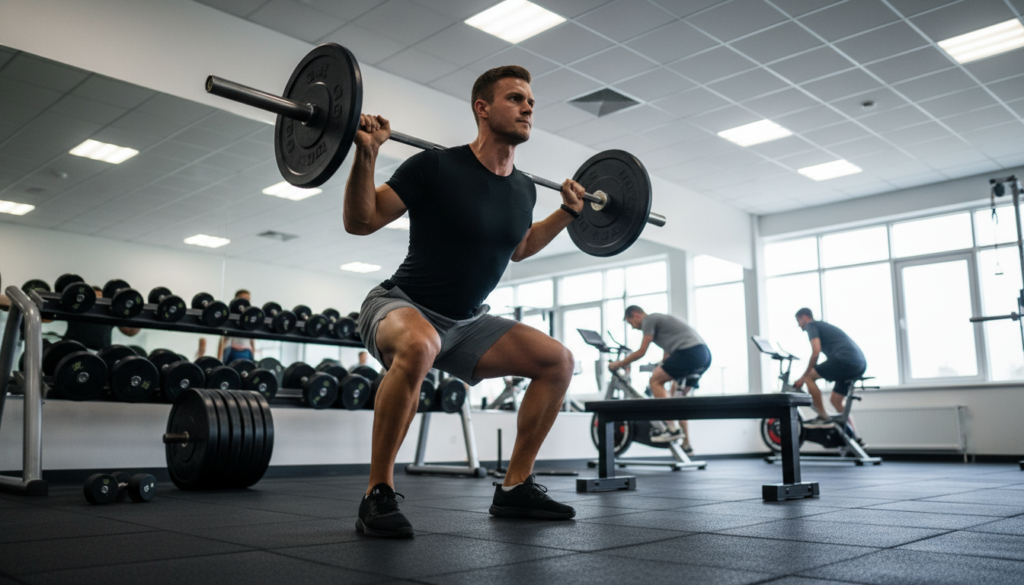
Your back squat training starts with a solid setup. Position the barbell on your upper traps or rear deltoids, ensuring it feels balanced. A wider grip helps keep this balance, while keeping your spine neutral is crucial.
Stand with your feet wider than shoulder-width apart, toes pointing outward. This stance helps engage your glutes and hamstrings. Following these squat form tips early on helps avoid common mistakes.
Maintaining Depth and Knee Tracking
To get the most from squats, aim for proper depth. Lower your hips until your thighs are parallel to the floor. This full range of motion is essential for working your quadriceps and glutes.
As you go down, push your knees outward to align with your toes. This prevents knee caving, a common cause of discomfort. Keeping your weight on your mid-foot ensures optimal balance throughout the lift.
Safety Tips for Heavy Squatting
Safety is crucial when doing powerlifting exercises with heavy weights. Always engage your core by taking a deep breath into your abdomen before starting. This internal pressure acts as a natural belt for your spine.
Here are key safety tips for enjoying the long-term benefits of squats:
- Always use safety pins or a rack set to the right height.
- Have a qualified spotter present when trying personal records.
- Control the lift’s eccentric phase rather than dropping quickly.
- Avoid overextending your lower back at the top of the movement.
The Trap Bar Deadlift as a Safer Alternative
The trap bar deadlift is a game-changer for those looking to gain strength safely. It’s a safer option than the traditional barbell deadlift, which requires a lot of skill. Using the trap bar lets you maintain high intensity while protecting your joints.
Why the Trap Bar Reduces Lower Back Stress
The trap bar’s design is its main advantage. Unlike the barbell deadlift, where the weight is in front of your shins, the trap bar lets you step inside. This puts the weight right in line with your body’s center.
This setup keeps your spine straighter during the lift. It reduces the pressure on your lower back discs. You get the deadlift benefits for strength without the usual floor-pulling strain.
Accessibility for Beginners and Mobility-Challenged Lifters
For gym newbies, the trap bar is a great place to start. It makes learning how to deadlift easier, without needing to know complex techniques. It’s a key part of strength training for beginners.
Those with mobility issues find the trap bar helpful, too. You don’t need the extreme flexibility required by the traditional deadlift. The trap bar lets you enjoy the benefits of deadlifting safely, within your current abilities. It’s a sustainable and effective way to progress over time.
Integrating Both Lifts into a Balanced Weekly Program
Getting strong all over means planning your workouts well. Full-body workout exercises are tough on your body. So, you need to plan carefully to keep growing and avoid getting too tired.
Structuring Your Training Split for Recovery
For the best results with strength training, don’t do heavy squats and deadlifts on the same day. These exercises are very hard on your body. You need at least 48 to 72 hours to recover.
Here are some tips for your lower body workouts:
- Start the week with a heavy squat session.
- Have a separate day for deadlifts to stay focused.
- Use active recovery days, like light walking, between heavy workouts.
- Make sure to get enough sleep and stay hydrated to support your body’s healing.
Balancing Volume and Intensity for Strength Gains
To get the most out of your gym workout benefits, think about how much weight you lift and how many sets you do. You don’t have to lift the heaviest every time. Focus on making small, steady gains over time.
Seeing squats and deadlifts as optimal weightlifting exercises means paying attention to your fatigue. If you’re too tired, your strength won’t grow. Here’s how to keep a good balance:
- Vary your intensity: Switch between heavy, low-rep days and moderate, high-volume days.
- Monitor your recovery: If you’re sore or tired, lighten the load for that day.
- Track your progress: Keep a log to make sure you’re getting stronger safely.
Optimizing Your Nutrition and Recovery for Heavy Lifting
To really boost your strength, focus on your nutrition and rest as much as your workouts. Muscle-building exercises kick-start growth, but your body needs targeted support to repair and adapt. Skipping these steps can stall your progress or lead to burnout.
By prioritizing recovery, you give your body the fuel it needs. This approach is key to lasting performance improvement.
Fueling Your Workouts for Maximum Performance
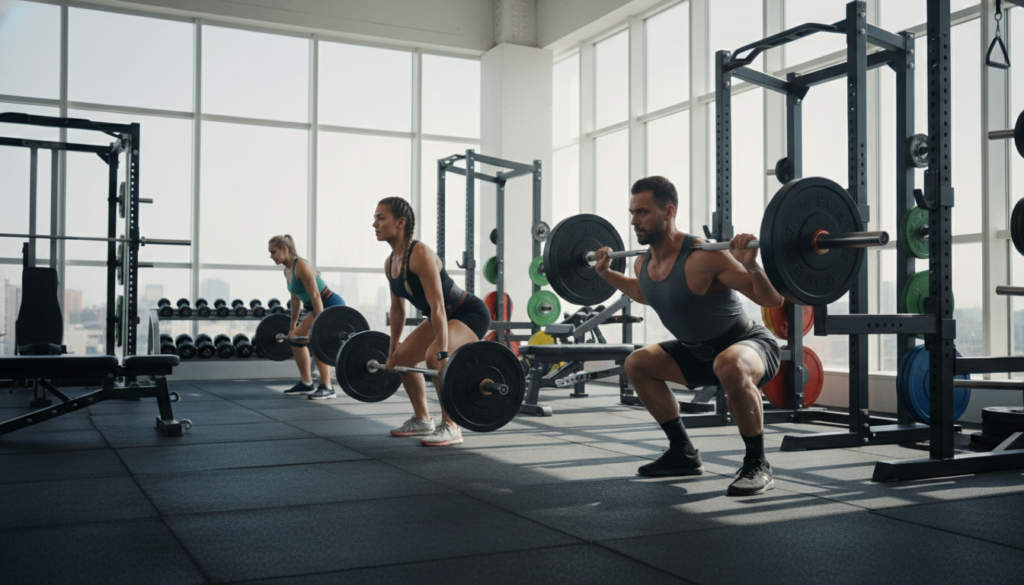
Good nutrition is the base for your core strength workouts. Aim for a mix of quality proteins, complex carbs, and healthy fats to keep your energy up. High protein is especially important for strength and hypertrophy, as it fuels muscle repair.
Timing your meals right can also boost your weightlifting benefits. A carb-heavy meal before lifting keeps your blood sugar steady. Post-workout, the right food helps you recover fast. Don’t forget to drink plenty of water, as dehydration can hurt your performance.
The Importance of Rest Days in Strength Cycles
Rest days are not just downtime; they’re crucial for growth. They let your muscles repair and get stronger. Without enough rest, you risk overtraining and feeling drained.
Adding rest to your routine lets you fully enjoy the benefits of a gym workout. You might do light activities like walking to keep your muscles nourished. This approach ensures you’re always ready to set new records.
The benefits of lifting weights come from good recovery habits. Staying consistent with your diet and sleep will lead to steady progress and better health. View recovery as essential to your training for the best results.
Progressive Overload Strategies for Long-Term Growth
Growing muscle in the gym is not random. It’s a planned effort. To get the most out of your workouts, you need to push your body harder each time. This way, your muscles get stronger and bigger over time.
Tracking Your Lifts to Ensure Consistent Progress
You can’t improve what you don’t measure. Keeping a workout log is key to getting stronger. Use a digital app or a notebook to track your sets, reps, and weights. This helps you see how you’re doing.
Looking back at your log tells you when to up the challenge. This way, you avoid getting stuck and stay on track with your goals. Keeping a consistent log is what separates good from great.
“Success is the sum of small efforts, repeated day in and day out.”
Adjusting Rep Ranges and Weight for Hypertrophy
To build both strength and muscle, you need to change your workout plan. When you find a weight too easy, it’s time to lift more or do more reps. This change makes your muscles work harder and grow.
Here’s how to tweak your workouts to get the most out of them:
| Goal | Rep Range | Intensity | Rest Period |
|---|---|---|---|
| Strength | 1–5 Reps | 85–95% 1RM | 3–5 Minutes |
| Hypertrophy | 8–12 Reps | 65–80% 1RM | 60–90 Seconds |
| Endurance | 15+ Reps | 50–60% 1RM | 30–60 Seconds |
Don’t forget, rest is part of the process. Mix up your workouts with heavy days and lighter days. This variety helps your body grow. Stay committed, track your progress, and watch your strength soar.
Addressing Mobility and Flexibility for Better Lifting
To get the most out of strength training benefits, focus on your body’s movement. Many athletes overlook the importance of mobility. It’s key for functional strength workouts to move with ease and precision.
Working on your range of motion helps protect your joints. It also unlocks new performance levels.
“Flexibility is the silent partner of strength; without it, your potential remains locked behind the walls of tight muscles and restricted joints.”
Essential Stretches to Improve Squat Depth
Getting into a deep, stable squat is crucial for back squat training. If you find your heels lifting or your chest falling, you need to work on your ankle and hip flexibility. Simple stretches like the goblet squat hold or couch stretch can greatly improve your form.
Try deep lunges to open up your ankle joint. Focus on pushing your knee over your toes. This helps keep your torso upright and prevents injuries.
Preparing Your Hips and Ankles for the Deadlift
The deadlift requires special preparation, focusing on the back and hip hinge. Tight hips can cause a rounded back during heavy lifts. To avoid this, work on hip flexor stretches and glute activation.
Use dynamic exercises like bird-dogs or glute bridges to prepare for the deadlift. These fitness benefits improve your posture and stability. A mobile ankle and flexible hip create a strong base for safer, more powerful lifts.
Conclusion
Building a strong body means knowing how it reacts to heavy weights. You now know how to weigh the benefits of deadlifts and squats. This helps you create a workout plan that fits your body perfectly.
For beginners, starting with basic movements is key. The trap bar deadlift is great for beginners because it’s easy on the back. It helps build power and is essential for long-term fitness and avoiding injuries.
Choosing the right exercises is crucial. By comparing different lifts, you can pick the best ones for you. This helps you track your progress and stay focused on what works best for your body.
Your success in the gym depends on your dedication to proper form and recovery. Keep challenging yourself with smart workouts and never give up. You have everything you need to improve your training and see lasting results.

This commentary stands out for its professional polish and thoughtful treatment of a timely and relevant issue.