Your body has a powerful engine that processes nutrients and filters toxins. This engine works hard every day to keep you healthy. Prioritizing your internal well-being is key to lasting energy and strength.
You don’t need expensive programs to improve liver health naturally. Simple, science-backed lifestyle choices can help. By following liver health tips, you can manage your metabolism and protect your cells.
This guide shows you how to boost liver function naturally. We’ll look at natural methods for fatty liver prevention and a gentle natural liver detox. Let’s explore daily habits that make a big difference.
Key Takeaways
- The liver acts as your primary metabolic engine and detoxification center.
- Optimal function relies on consistent lifestyle habits, not extreme cleanses.
- Reducing sugar and processed foods prevents fat accumulation in the organ.
- Strategic eating windows and quality proteins support cellular repair.
- Small, daily changes lead to significant improvements in energy and vitality.
Understanding Your Liver: The Body’s Metabolic Engine
Imagine a complex chemical factory working 24/7 inside your abdomen; that’s your liver. This vital organ does over 500 essential tasks every day. By maintaining liver health naturally, you keep your body balanced and efficient.
The Multifaceted Role of the Liver in Daily Health
Your liver filters your blood, removing toxins and waste. It also plays a key role in metabolic regulation by processing nutrients. It makes proteins for blood clotting and stores vitamins and minerals.
To support these processes, eat liver-healthy foods. Adding liver-supportive foods to your meals helps your body repair itself. These nutrients help the liver manage energy and hormone balance.
Signs Your Liver May Need Extra Support
The liver is resilient, but it can hide signs of distress until damage is significant. However, your body may send subtle signals when it’s struggling. Recognizing these early warning signs is crucial for holistic liver health.
Common signs that your liver may need extra attention include:
- Persistent, unexplained fatigue that doesn’t improve with rest.
- Yellowing of the skin or eyes, medically known as jaundice.
- Digestive discomfort or bloating after eating fatty meals.
- Difficulty losing weight despite consistent effort.
If you notice these symptoms, it’s time to rethink your daily habits. Making liver-boosting lifestyle choices can help restore your metabolic function. Prioritizing your liver today is the best way to protect your long-term wellness.
How to Improve Liver Health Naturally Through Metabolic Optimization
To master your wellness, you must understand the link between metabolic health and liver function. Your liver is key to processing what you eat and keeping your body running well. But when it’s stressed, your liver suffers.
By focusing on your body’s internal health, you can prevent fat buildup and support your liver’s healing. This approach is key to long-term health and disease prevention.
The Connection Between Insulin Resistance and Liver Fat
Fatty liver disease often starts when your body can’t handle blood sugar well. Insulin resistance makes your cells ignore insulin, forcing your liver to store fat instead of burning it. This fat buildup in liver cells causes inflammation and damage.
To avoid this, it’s crucial to live a healthy lifestyle. Stabilizing your blood sugar helps your liver do its job without storing fat.
Why Metabolic Health is the Foundation of Liver Function
Your metabolic state affects how well your liver works. When your metabolism is balanced, your liver can focus on detoxifying and processing nutrients. This is the best way to prevent fatty liver naturally.
Good metabolic health helps your body eliminate toxins and hormones more easily. Here are some important fatty liver prevention tips:
- Maintain a regular sleep schedule to help regulate metabolic hormones.
- Do daily exercise to improve insulin sensitivity.
- Eat whole, nutrient-rich foods to keep blood sugar stable.
- Watch your sugar intake to avoid fat storage.
By making these liver-healthy lifestyle changes, you support your body’s stability. This helps your liver stay healthy for longer.
Reducing Sugar and Refined Carbohydrates to Prevent Fatty Liver
Managing your sugar intake is key to naturally preventing fatty liver. Too much sugar can harm your liver and cause fat buildup. A clean diet is essential for holistic liver support.
The Impact of Fructose on De Novo Lipogenesis
Your liver mainly processes fructose, a sugar found in many sweet drinks and foods. Unlike glucose, the liver processes most fructose.
Too much fructose leads to de novo lipogenesis. This means your liver turns sugar into fat. This fat buildup can cause non-alcoholic fatty liver disease. Cutting down on sugar is crucial for liver care remedies.
“The liver is the metabolic gatekeeper of the body; when we flood it with refined sugars, we essentially force it to store fat it was never designed to hold.”
Strategies for Cutting Hidden Sugars in Your Diet
Hidden sugars are in many “healthy” products. To keep your liver healthy, read nutrition labels carefully. Watch out for sucrose, high-fructose corn syrup, maltose, and dextrose.
Choosing whole foods can help your liver. Here are some tips to reduce sugar intake:
- Replace sugary drinks with sparkling water or herbal tea.
- Choose whole fruits over fruit juices for more fiber.
- Make your own meals to avoid hidden sweeteners in restaurant foods.
Identifying Processed Foods to Avoid
Processed foods can harm your metabolism. They are often very tasty, which can lead to overeating and high insulin levels. To prevent fatty liver, avoid these foods:
- Breakfast cereals with added sugars and refined grains.
- Commercial baked goods like muffins, cookies, and pastries.
- Sweetened yogurts and flavored dairy products.
- Pre-packaged snacks with refined flour and added syrups.
Prioritizing Quality Proteins and Healthy Fats for Liver Repair
The key to liver health is in the amino acids and healthy fats you eat. Choosing the right foods for a healthy liver gives your body what it needs to fix cells and work well. This helps your body stay strong and handle stress better.
Amino Acids Necessary for Liver Detoxification Pathways
Your liver has a complex detox process that needs specific amino acids. High-quality proteins provide the amino acids your liver needs to detoxify toxins. Without these critical nutrients, toxins can build up in your body.
Eating a variety of proteins, such as wild-caught fish, grass-fed beef, and organic chicken, is key. These foods have all the amino acids your liver needs to heal. Choosing these proteins is a smart, liver-friendly lifestyle choice for your health.
Choosing Healthy Fats to Reduce Hepatic Inflammation
Not all fats are good for your organs. Processed oils can cause inflammation, but healthy fats like those in avocados, olive oil, and walnuts help keep cells healthy. These fats support liver function by helping prevent fat buildup in the liver.
Adding these fats to your meals keeps your liver cells healthy. While some might consider a supplement for liver health, the greatest impact comes from eating nutrient-rich foods. By focusing on these healthy fats, you help your liver stay strong against today’s environmental threats.
Implementing Strategic Eating Windows for Liver Rest
Our busy lives often push our bodies too hard. But intermittent fasting and liver health are closely linked through rest. Giving your body time to rest lets your liver focus on repair instead of just processing. This simple change can greatly improve your health over time.
How Intermittent Fasting Supports Autophagy in Liver Cells
When you fast for a while, your liver goes into autophagy. This is when your body cleans out old or damaged cells. It’s like a recycling program for your liver, helping it stay healthy.
This cleaning process is key to reducing liver inflammation and stopping harmful waste buildup. It’s like a nightly cleanup crew for your liver. Without it, your liver can’t repair itself properly.
“Metabolic flexibility is the hallmark of a healthy liver, and strategic fasting is the most effective tool to restore that balance.”
Structuring Your Day for Optimal Metabolic Recovery
For a healthy liver, it’s not just about what you eat but when. Eating less often helps avoid insulin spikes that can harm your liver. This keeps your weight in check and supports your metabolism.
The table below shows how different eating patterns affect your liver’s recovery and function.
| Eating Pattern | Liver Rest Duration | Metabolic Impact | Primary Benefit |
|---|---|---|---|
| Standard 12/12 | 12 Hours | Moderate | Basic Maintenance |
| Time-Restricted 16/8 | 16 Hours | High | Enhanced Autophagy |
| OMAD (One Meal) | 23 Hours | Very High | Deep Repair |
Remember, fasting is powerful, but don’t forget to take your liver-health supplements during your eating window. Always talk to a professional before changing your routine. Adding these habits and liver support supplements can strengthen your health journey.
Harnessing the Power of Liver-Supportive Vegetables and Greens
If you want to keep your liver healthy, check out the produce aisle. The food you eat fuels your body’s metabolic engine. Certain plants have compounds that help repair it. By picking the right foods, you boost your body’s waste removal.

Benefits of Cruciferous Vegetables for Phase II Detoxification
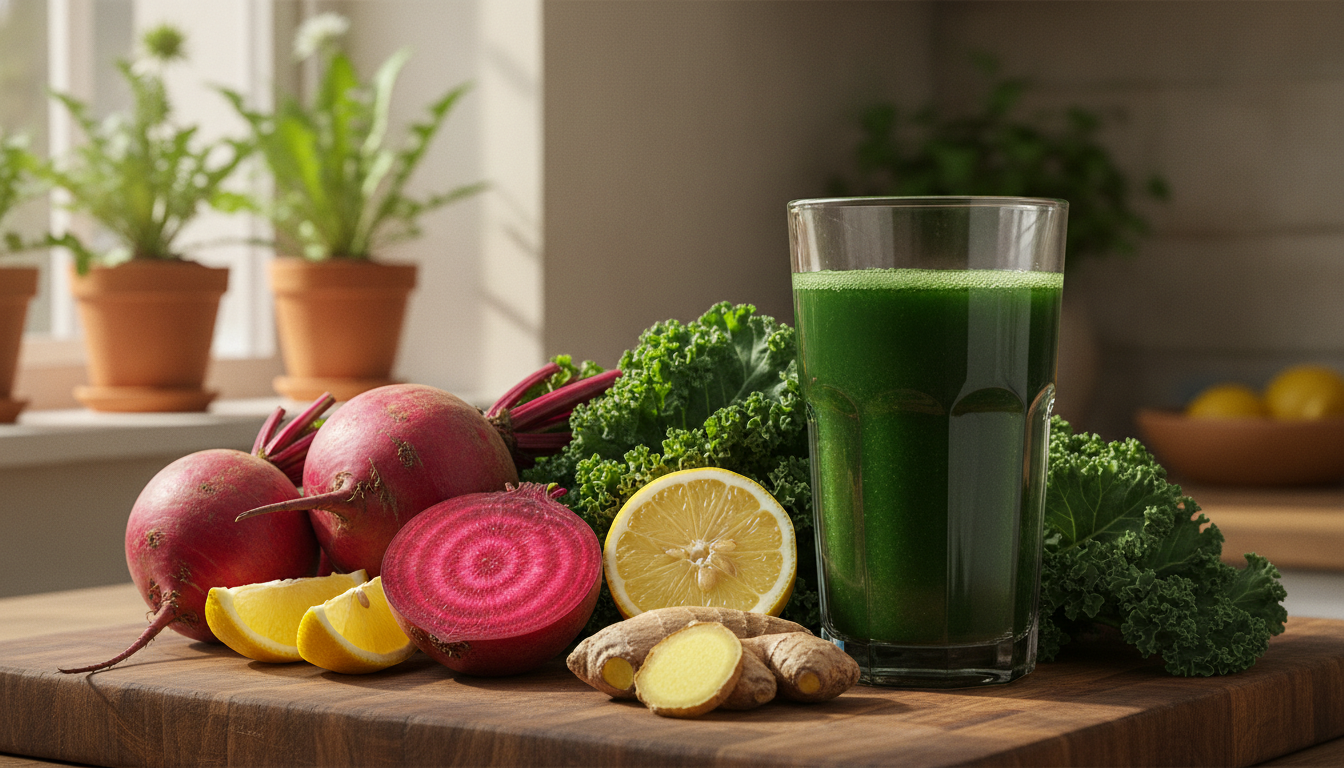
Cruciferous veggies like broccoli and cauliflower are nutritional powerhouses. They contain compounds that boost the liver’s detox pathways. This helps neutralize toxins and remove them from your body.
“The inclusion of diverse, fiber-rich vegetables is the cornerstone of any effective, long-term strategy for metabolic wellness and organ support.”
Using Bitter Greens to Stimulate Bile Flow
Bitter greens are also great for your liver. They help with digestion and bile production. Bile is essential for breaking down fats and cholesterol. This makes it easier for your liver to process waste.
Incorporating Arugula, Dandelion, and Radicchio into Meals
Adding these liver-cleansing foods to your diet is easy. They support a natural liver cleanse through simple meals:
- Arugula: Add it to your morning omelet or make a fresh salad.
- Dandelion Greens: Sauté them with garlic and olive oil to keep their nutrients.
- Radicchio: Grill wedges for a crunchy side dish with your protein.
By choosing these nutrient-rich foods, you help your body thrive. These small changes can lead to lasting vitality and better metabolic health.
The Role of Coffee and Hydration in Liver Function
Did you know your morning coffee does more than just wake you up? Simple habits can be powerful methods for liver detoxification. By choosing what you eat and drink each day, you can naturally support liver health. This is easier than using complex or expensive methods.
Why Black Coffee is Linked to Lower Liver Enzyme Levels
Studies show black coffee has big liver benefits. Coffee’s antioxidants fight inflammation and protect liver cells. This can lower liver enzyme levels, suggesting better organ health.
Drinking coffee without sugar or heavy cream keeps insulin levels steady. This lets your liver do its job better. Consistency is key for long-term liver support.
The Importance of Proper Hydration for Toxin Filtration
Water helps move nutrients and remove waste. It’s vital for holistic liver health approaches. Without enough, your liver can’t filter toxins well.
Staying hydrated is part of holistic liver health strategies. Drink plenty of water to help bile flow smoothly. This keeps your body’s systems working right and prevents harmful buildup.
| Habit | Primary Benefit | Frequency |
|---|---|---|
| Black Coffee | Lowers liver enzymes | 1-3 cups daily |
| Pure Water | Toxin filtration | Throughout the day |
| Herbal Tea | Hydration support | As needed |
Essential Nutrients and Supplements for Liver Resilience
To optimize liver function, focus on key nutrients and antioxidants. A clean diet is a good start, but supplements can help fight daily stress. The right nutrients support natural regeneration and long-term health.

Choline-Rich Foods for Preventing Fat Accumulation
Choline is crucial for lipid metabolism. It helps remove lipids from the liver, preventing fat buildup. Eating choline-rich foods for fatty liver management supports metabolic health.
Egg yolks, beef liver, and cruciferous veggies are rich in choline. Adding these to your diet helps your liver process fat more effectively. This simple change supports a healthy, lean liver.
The Therapeutic Potential of Milk Thistle and Silymarin
People have used milk thistle for centuries. Modern studies show the benefits of milk thistle, especially silymarin. This extract protects liver cells and may stimulate new tissue growth.
Silymarin shields cells from toxins. Many people find that milk thistle supplements help the liver repair itself naturally after stress. It’s a respected botanical for liver health.
Alpha-Lipoic Acid: A Potent Antioxidant for Liver Health
Alpha-lipoic acid is a powerful antioxidant. It works in both water- and fat-soluble environments. This ability helps neutralize free radicals in the liver. Using alpha-lipoic acid for liver support can lower inflammation and improve metabolism.
This compound also boosts insulin sensitivity. This indirectly reduces liver workload. Combining these nutrients with a balanced lifestyle strengthens your body’s defense. Consistency leads to lasting health improvements.
Minimizing the Toxic Load: Alcohol, Medications, and Environment
Starting your journey toward long-term health begins with reducing the toxins your liver faces daily. By easing its workload, you help it focus on repair and growth. It’s not just about what you eat, but also what you avoid.
Reducing Alcohol Consumption to Allow Liver Regeneration
Drinking too much alcohol puts a heavy burden on your liver. It forces it to detoxify instead of doing other important jobs. Limiting or cutting out alcohol is a key step to supporting your liver’s health.
When you stop drinking, your liver can heal and grow better. This change can help you feel more energetic and improve how your body works. Your body will thank you for not fighting off alcohol’s effects all the time.
Managing Unnecessary Medications and Supplements
Many people unknowingly harm their liver with too many medications and supplements. Each one adds to the liver’s workload, which can lead to fatigue. Review your medicines and talk to a doctor about what you really need.
Be careful with over-the-counter pain relievers, as they can be hard on your liver. Instead of using synthetic fixes for small problems, look for natural alternatives. Cutting down on supplements can also help reduce stress on your body.
Reducing Exposure to Environmental Toxins and Endocrine Disruptors
Your liver also works hard to remove toxins from everyday items, plastics, and the air. These toxins can mess with your hormones and make your liver work too hard. While a liver-friendly diet matters, reducing exposure to synthetic chemicals at home is equally crucial.
Try using natural cleaning products and avoid plastic containers that can leak chemicals into your food. Lowering your exposure to these toxins helps your body detox naturally. Adopting these holistic liver health remedies helps keep your liver strong and efficient, supporting your overall health.
Lifestyle Habits That Promote Long-Term Liver Vitality
Your liver is a strong organ that works best with the right support. Eating well is key, but your daily habits are crucial too. By adding these habits, you can choose foods that support liver health and help your body process them well.
The Impact of Regular Physical Activity on Liver Fat
Regular exercise greatly benefits your liver. It reduces fat in liver cells. This helps your body use insulin better, improving your metabolism.
You don’t need to run marathons to help your liver. Simple activities like walking, swimming, or strength training can make a big difference. Moving your body helps your liver use energy instead of storing it as fat.
Managing Stress to Support Hormone Balance and Liver Health
Too much stress can harm your liver. It releases cortisol, which can mess with your metabolism. Keeping stress levels down is key to liver health.
Try activities like deep breathing, meditation, or yoga to manage stress. These practices reduce inflammation and help your liver. Supplements can help, but they work best when you’re calm and balanced.
Prioritizing Sleep for Natural Liver Repair Cycles
Sleep is more than just rest; it’s when your body cleanses and repairs itself. During deep sleep, your liver does important work. Not getting enough sleep can harm your liver.
Try to sleep seven to nine hours each night. A regular bedtime routine helps your body stay in sync. This table shows how these habits help your overall health.
| Lifestyle Habit | Primary Benefit | Impact on Liver |
|---|---|---|
| Regular Exercise | Reduces Hepatic Fat | High |
| Stress Management | Balances Cortisol | Moderate |
| Quality Sleep | Supports Repair Cycles | High |
| Mindful Hydration | Aids Toxin Filtration | Moderate |
Conclusion
Your journey to better health starts with consistent habits, not quick fixes. Eating a nutrient-rich diet helps your liver repair itself every day. These tips guide you toward lasting health and balance.
Making lifestyle changes that boost your liver health is key. Choose whole foods and drink plenty of water. Avoiding processed foods helps your organs stay healthy. This approach keeps your metabolism running well every day.
Detoxing your liver is simple: eat well and reduce stress. A balanced diet is the best way to support your liver. By following these tips, you build long-term energy.
You can improve your health with daily choices. Look for natural remedies that fit your body’s needs. Natural care leads to more energy and better health. Start these healthy habits today for a brighter future.