


You’ve probably heard about intermittent fasting as a way to lose weight. It involves alternating periods of fasting and eating. This method has become well-known for its health benefits.
Studies show that intermittent fasting can help you lose weight and improve your health. It’s especially helpful for those dealing with obesity. By trying this method, you might reach your weight loss goals.
Key Takeaways
- Intermittent fasting is an eating pattern that alternates between fasting and eating periods.
- It has gained popularity as a potential strategy for weight loss and overall health improvement.
- Research suggests that intermittent fasting may lead to body weight reduction.
- This approach may be particularly beneficial for individuals struggling with obesity.
- Intermittent fasting offers flexibility with various fasting methods available.
Understanding the Science Behind Intermittent Fasting
Intermittent fasting isn’t just about when you eat. It’s about how it changes your body’s metabolism. This can lead to weight loss and better health.
It works by using your body’s natural processes. Your body usually uses glucose for energy. But when you fast, it uses fat instead, a process called metabolic switching.
The Metabolic Switch: How Your Body Burns Fat
After 10–12 hours without food, your body uses up glucose. Then, it starts burning fat for energy. This switch is key for losing fat.
Insulin Sensitivity and Fat Storage
Intermittent fasting also boosts insulin sensitivity. This helps your body manage blood sugar better. When you’re insulin sensitive, you store less fat, especially around the belly.
Caloric Reduction Without Counting Calories
One great thing about intermittent fasting is it often cuts down your calorie intake. You eat fewer calories because you’re eating in a shorter window. This can help you lose weight.
| Metabolic Change | Effect of Intermittent Fasting |
|---|---|
| Metabolic Switching | Increased fat burning for energy |
| Insulin Sensitivity | Improved glucose metabolism |
| Caloric Intake | Natural reduction in overall calories consumed |
Understanding these changes helps explain how intermittent fasting aids weight loss and overall health.
Time-Restricted Eating, 16/8 Method, Alternate-Day Fasting, and Calorie Restrictions
There are many ways to practice intermittent fasting, such as the 16/8 method and the 5:2 diet. Each method can fit your lifestyle and help you reach your health goals.
Time-Restricted Eating (TRE) Explained
Time-restricted eating limits your food intake to a few hours a day. It helps your body’s natural rhythms and boosts metabolic health. By eating less, your body might burn fat better.
The Popular 16/8 Method
The 16/8 method is very popular. You fast for 16 hours and eat in an 8-hour window. For example, you might skip breakfast and eat from noon to 8 PM. It’s easy because you eat a lot during the day.
Alternate-Day Fasting Approach
Alternate-day fasting switches between normal eating days and days with little or no calories. It’s tough but can lead to weight loss and better insulin control.
The 5:2 Diet Framework
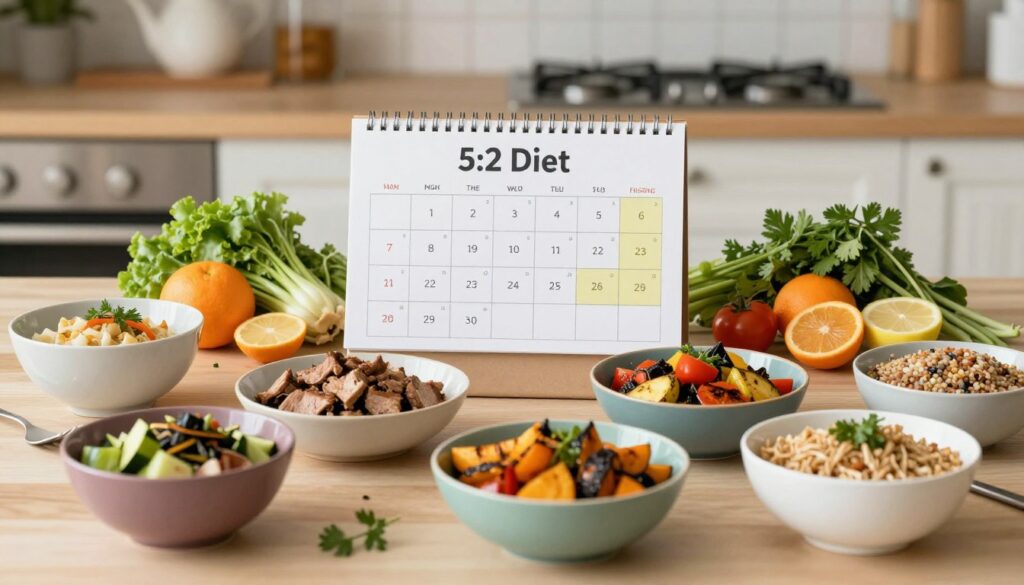
The 5:2 diet lets you eat normally for five days and limits calories to 500-600 on the other two. It’s flexible and easier to follow than strict fasting.
| Method | Description | Benefits |
|---|---|---|
| Time-Restricted Eating | Eating within a limited window | Improved circadian rhythms, metabolic health |
| 16/8 Method | 16 hours fasting, 8 hours eating | Easy to follow, weight loss |
| Alternate-Day Fasting | Alternating between fasting and eating days | Effective weight loss, improved insulin sensitivity |
| 5:2 Diet | Normal eating for 5 days, restricted calories for 2 days | Flexible, weight loss, improved health markers |
Who Should (and Shouldn’t) Try Intermittent Fasting
Before starting intermittent fasting, check your health first. It can help with weight loss and better health, but it’s not for everyone.
Ideal Candidates for Fasting Protocols
Healthy adults wanting to lose weight or improve their health might try it. It’s also good for those who don’t like counting calories.
Medical Conditions That Contraindicate Fasting
Some health issues make fasting risky. These include diabetes, eating disorders, and heart disease. If you have these, talk to your doctor first.
| Medical Condition | Risks Associated with Fasting |
|---|---|
| Diabetes | Risk of hypoglycemia or hyperglycemia |
| Eating Disorders | Potential for exacerbating the condition |
| Heart Disease | Risk of inadequate nutrition or dehydration |
Consulting Healthcare Providers Before Starting
Always talk to a healthcare provider before fasting, especially if you have health issues. They can guide you safely based on your health.
Special Considerations for Different Age Groups
Age matters in fasting. Older adults need to focus on getting enough nutrients. Younger people should eat well at mealtimes.
Getting Started with Intermittent Fasting
Before starting intermittent fasting, it’s important to set your goals and pick a method that suits you. This planning is crucial for a successful fasting journey.
Determining Your Fasting Goals
Your goals might be to lose weight or improve insulin sensitivity. Clearly defining your goals helps you pick the right fasting method. Think about what you want to achieve and how fasting can help.
Choosing the Right Fasting Method for Your Lifestyle
There are many fasting methods, like the 16/8 Method, Alternate-Day Fasting, and the 5:2 Diet. Choosing a method that fits your daily routine and preferences is key to sticking with it. If you’re new, starting with the 16/8 Method might be easier.
Creating Your Fasting Schedule
After picking a method, create a schedule that works for you. This could mean skipping breakfast, eating only during certain times, or fasting on alternate days. Being consistent is important for results.
Tracking Apps and Tools
Using tracking apps and tools can improve fasting. They help track your progress, remind you, and provide insights into your eating habits. Apps like MyFitnessPal for calorie tracking and Fasting Tracker for fasting periods are popular.
To get used to fasting, start by shortening your eating window or fasting once a week. Eating a protein-rich diet during your eating times can also help you feel fuller longer.
- Start by defining your fasting goals and choosing a method.
- Create a fasting schedule that fits your lifestyle.
- Use tracking apps to monitor your progress.
- Ease into fasting by gradually adjusting your eating window.
The 16/8 Method: Step-by-Step Implementation
The 16/8 method is a type of intermittent fasting. It means you eat only during an 8-hour window and fast for 16 hours. It’s simple and flexible, making it easy to follow.
Setting Your Eating Window
To start the 16/8 method, pick your eating time. Many people eat from noon to 8 p.m. This way, you skip breakfast but still enjoy meals. Pick a time that works for you.
Managing Hunger During Fasting Hours
It’s important to manage hunger during fasting. Drinking water, black coffee, or unsweetened tea helps. Also, eating nutrient-dense foods during meals helps keep you full.
What to Consume During Eating Windows
When you eat, choose whole, nutrient-rich foods. This includes veggies, lean proteins, and whole grains. Don’t overeat, and try to keep your calorie intake balanced for weight loss.
Sample Meal Plans
Here’s a sample meal plan for the 16/8 method:
- Lunch at noon: Grilled chicken salad
- Snack at 3 p.m.: Apple slices with almond butter
- Dinner at 7 p.m.: Baked salmon with quinoa and steamed broccoli
Adjust your meal sizes based on how many calories you need and how active you are.
The 5:2 Diet: How to Follow This Approach
The 5:2 diet is a simple way to add intermittent fasting to your life. You eat only 500-600 calories on two days a week. This makes it easier for many people since you can eat normally for five days.
Planning Your 500-600 Calorie Days
When you’re on calorie-restricted days, planning your meals is key. Divide your calories into 2-3 meals. Choose nutrient-dense foods like lean proteins, veggies, and whole grains.
Nutrient-Dense Foods for Restricted Days
On fasting days, eat low-calorie, nutrient-rich foods. Leafy greens, lean meats, fish, and low-calorie fruits are good choices. For example, you could have scrambled eggs with spinach for breakfast, a grilled chicken salad for lunch, and baked cod with veggies for dinner.
Maintaining Normal Eating on Non-Fasting Days
On non-fasting days, you can eat as you normally would without counting calories. Still, try to eat a balanced diet with whole foods. Avoid overeating, as it can undo the benefits of fasting.
Sample 5:2 Weekly Schedule
| Day | Eating Pattern | Calorie Intake |
|---|---|---|
| Monday | Normal Eating | Normal |
| Tuesday | Calorie Restriction | 500-600 calories |
| Wednesday | Normal Eating | Normal |
| Thursday | Normal Eating | Normal |
| Friday | Calorie Restriction | 500-600 calories |
| Saturday | Normal Eating | Normal |
| Sunday | Normal Eating | Normal |
By sticking to this schedule and eating nutrient-dense foods on restricted days, you can easily follow the 5:2 diet. This might also help improve your body mass index (BMI) over time.
Alternate-Day Fasting: Strategies for Success
Alternate-day fasting is popular for weight loss and better health. It means eating normally one day and less or fasting the next.
Full Fasting vs. Modified Fasting Days
There are two main ways to do alternate-day fasting. Full fasting means no calories on fasting days. Modified fasting lets you eat up to 25% of your daily calories. Studies show both can help with weight loss, but modified fasting might be easier for some.
Managing Energy Levels Between Fasting Days
It’s key to keep energy up with alternate-day fasting. Eat nutrient-rich foods on non-fasting days. Also, drink lots of water every day.
Psychological Approaches to Alternate-Day Fasting
The mind plays a big role in the success of fasting. To help, set goals, track your progress, and find support from others who fast.
Troubleshooting Common Challenges
Challenges such as hunger, social issues, and nutrient gaps can occur. To deal with them:
- Plan your meals to get enough nutrients.
- Keep busy on fasting days to ignore hunger.
- Tell your friends and family about your fasting to get their support.
Using these tips can help you overcome fasting challenges and reach your health goals.
What to Consume During Fasting Periods
When fasting, it’s key to drink zero-calorie beverages. Staying hydrated is vital. There are many drinks you can have to help with fasting.
Zero-Calorie Beverages Guide
Hydration is crucial for fasting. You can drink water, black coffee, and unsweetened tea. These drinks won’t break your fast and can help with hunger.

The Role of Water, Coffee, and Tea
Water is the best choice for staying hydrated. It’s calorie-free and keeps your body working right. Black coffee and unsweetened tea are also good. They’re low in calories and can help you feel less hungry. But watch out for coffee if it makes you hungrier.
Common Fasting Mistakes to Avoid
Not drinking enough water is a big mistake. Also, don’t drink high-calorie drinks during fasting. They can ruin your fast and slow down weight loss.
Breaking a Fast Properly
When it’s time to break a fast, start slow. Eat foods rich in nutrients and don’t overeat. This can cause discomfort and increase your insulin resistance and ketosis.
Choose meals with proteins, healthy fats, and complex carbs. Being careful about what you drink and eat during fasting can improve your health. It supports hydration and improves metabolic health.
Tracking Progress and Adjusting Your Approach
To get the most out of intermittent fasting, tracking your progress is key. It’s not just about watching your weight. You also need to monitor other health metrics and adjust your fasting plan as needed.
Effective Metrics Beyond the Scale
While losing weight is important, it’s not the only thing to track. You should also keep an eye on:
- Body fat percentage
- Blood sugar levels
- Energy levels
- Mental clarity and focus
Monitoring these metrics gives you a full picture of your health. It shows how your body reacts to fasting.
Setting Realistic Timelines for Results
When you start fasting, it’s important to have realistic goals. Everyone’s body is different, and results can vary. Be patient and don’t rush it.
| Timeline | Expected Changes |
|---|---|
| First Week | Adjustment period, potential weight loss |
| 2-4 Weeks | Noticeable weight loss, improved energy |
| 1-3 Months | Significant weight loss, improved metabolic health |
When and How to Modify Your Fasting Protocol
If you’re not seeing the results you want, it might be time to change your fasting plan. You could try a different schedule, adjust your diet, or try a new type of fasting.
Combining Fasting with Other Healthy Habits
Adding other healthy habits to your fasting routine can boost its benefits. Think about adding:
- A balanced diet rich in nutrients
- Regular physical activity
- Adequate sleep
- Stress management techniques
By mixing these habits with fasting, you might see better results, like improved autophagy and overall health.
By tracking your progress and making adjustments, you can make the most of intermittent fasting. This way, you can reach your health and weight loss goals.
Conclusion
Intermittent fasting can help you lose weight and improve your health. It’s important to know the different methods, like time-restricted feeding and alternate-day fasting. This way, you can pick what works best for you.
The benefits of intermittent fasting last over time, leading to lasting weight loss. Time-restricted feeding is simpler than counting calories. It doesn’t require you to keep track of every calorie you eat.
Before starting intermittent fasting, consider your needs and health. This helps you get the most benefits while avoiding any negative effects. It makes your weight loss journey more successful and lasting.

such an indepth and professional article, i enjoy it, you can visit my page, the best webdesign agency in dortmund Germany https://webdesignagenturdortmund.de/ top webdesigners. Thank you