

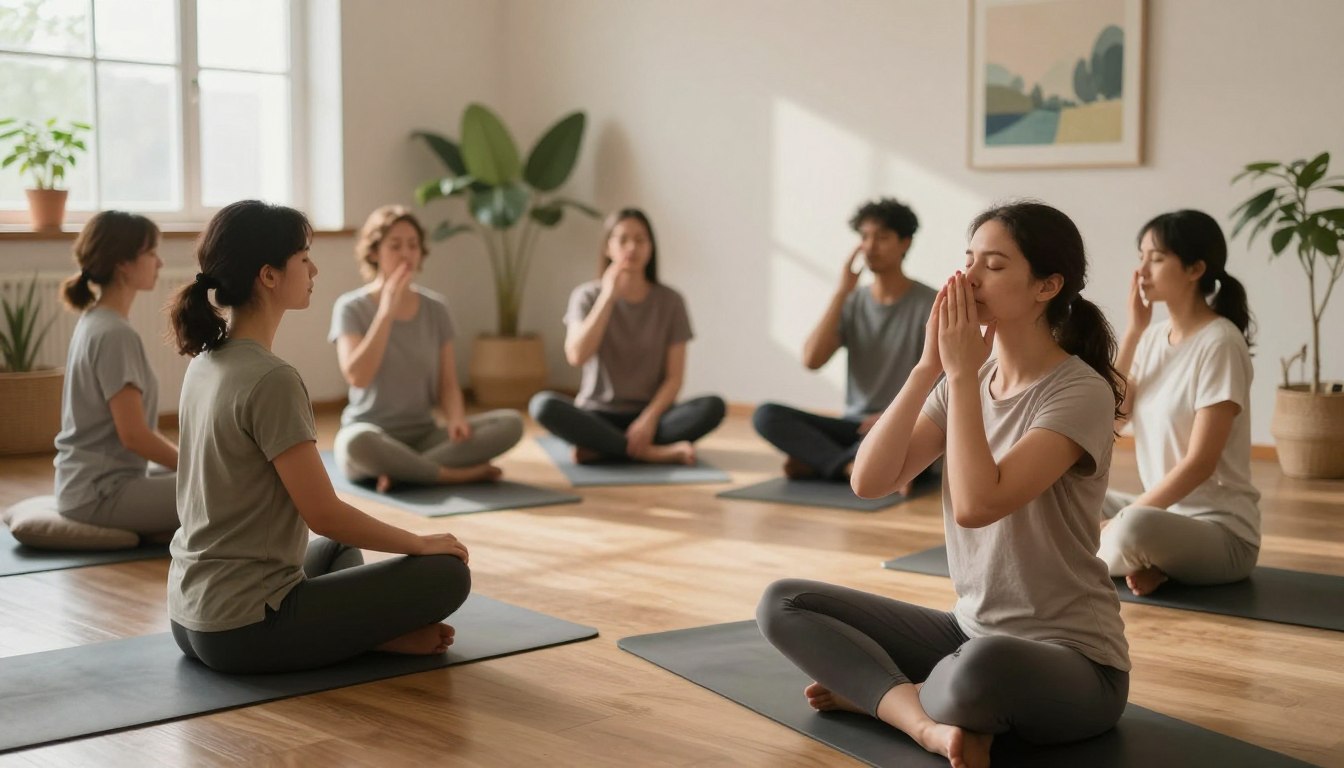
Feeling overwhelmed can trigger your body’s stress response. This leaves you in a state of high tension. Conscious breathing can calm your mind and body.
By focusing on your breath, you can shift from a stressed state to a calm one. Studies show that simple breathing techniques can lower stress and improve emotional balance.
This article will cover three effective techniques for managing stress and relaxation. By incorporating these simple methods into your daily routine, you can approach life’s challenges with clarity and composure.
Key Takeaways
- Discover simple breathing techniques to calm your mind and body.
- Learn how conscious breathing can reduce stress and improve emotional balance.
- Explore three effective methods to manage stress and promote relaxation.
- Understand how to incorporate these techniques into your daily routine.
- Improve your ability to navigate life’s challenges with clarity and composure.
The Science Behind Breathwork for Anxiety and Nervous System Reset
Breathwork can reset your nervous system and help with anxiety. When stressed, your body goes into “fight or flight” mode. This makes your heart race, muscles tighten, and breathing shallow. But conscious breathing can calm you down, activating your body’s rest mode.
Understanding Your Fight-or-Flight Response
Your body’s fight-or-flight response is a natural stress reaction. Stress hormones like adrenaline and cortisol trigger it. This response is intended to be short-lived and helps you respond to threats. But long-term stress can keep this response active, causing anxiety and health problems.
Managing this response starts with knowing how it works. When in fight-or-flight mode, your:
- Heart rate increases, preparing your body to either fight or flee.
- Breathing becomes rapid and shallow, increasing oxygen delivery to your muscles.
- Muscles tense, readying your body for action.
How Conscious Breathing Creates Physiological Change
Conscious breathing can change your body’s state by activating your relaxation system. When you breathe deeply and on purpose, you:
- Slow your heart rateto reduce stress on your body.
- Lowering your blood pressure helps you feel calmer.
- Promote relaxationto ease muscle tension and anxiety.
Integrating conscious breathing into your daily routine can help manage stress and anxiety. It leads to a nervous system reset, improving your overall well-being.
The Mind-Body Connection: How Breath Affects Your Mental State
Your breath and mental state are closely linked. This connection is key to managing stress and anxiety. Studies show that conscious breathing can significantly improve your mental health by affecting your body’s nervous system.
The vagus nerve is a vital part of this connection. It helps control many body functions, including how we handle stress.
The Vagus Nerve: Your Body’s Stress Regulator
The vagus nerve controls your body’s stress response. It affects your heart rate, digestion, and breathing. Using breathwork techniques to stimulate the vagus nerve can calm you down and reduce stress and anxiety.
Dr. Andrew Weil, an expert in integrative medicine, says, “The vagus nerve is key for our ‘rest and digest’ functions. Stimulating it can greatly improve our well-being.”
Breaking the Anxiety Cycle Through Breath
Anxiety can create a cycle of stress and shallow breathing. Conscious breathing practices can help by telling your brain to relax. This can lower anxiety.
Integrating breathwork techniques into your daily routine can reset your nervous system. It can also boost your mental strength. Regular practice can significantly reduce stress and anxiety, improving your mental health.
Box Breathing: The 4-4-4-4 Technique for Immediate Calm
The box breathing technique, also known as the 4-4-4-4 method, is a simple way to calm your nervous system. It involves breathing in for four counts, holding for four, exhaling for four, and holding again for four. This method helps you find calm and focus, making it great for stress management.
Step-by-Step Guide to Box Breathing
To practice box breathing effectively, follow these steps:
Proper Posture and Preparation
Start by sitting or standing comfortably. Close your eyes and relax your shoulders. Release any tension you might have.
The Four-Count Breathing Pattern
Breathe in through your nose for four counts, filling your lungs. Hold your breath for four counts. Then breathe out through your mouth for four counts, fully exhaling. Hold your breath again for four counts. This is one cycle of box breathing.
Common Mistakes to Avoid
A common mistake is failing to maintain a steady count. Try to breathe slowly and consistently. Also, make sure to breathe deeply and hold your breath as instructed.
When to Use Box Breathing for Stress Relief
Box breathing is great for stressful situations or when you feel overwhelmed. It’s easy to do anywhere, making it a discreet way to calm down. Use it before big meetings, during work breaks, or whenever you need a calm moment.
Benefits of Regular Box Breathing Practice
Practicing box breathing regularly can reduce stress and anxiety. It also improves focus and overall well-being. By making it part of your daily routine, you’ll become more resilient to stress and stay calm under pressure.
The 4-7-8 Technique: Your Natural Tranquilizer
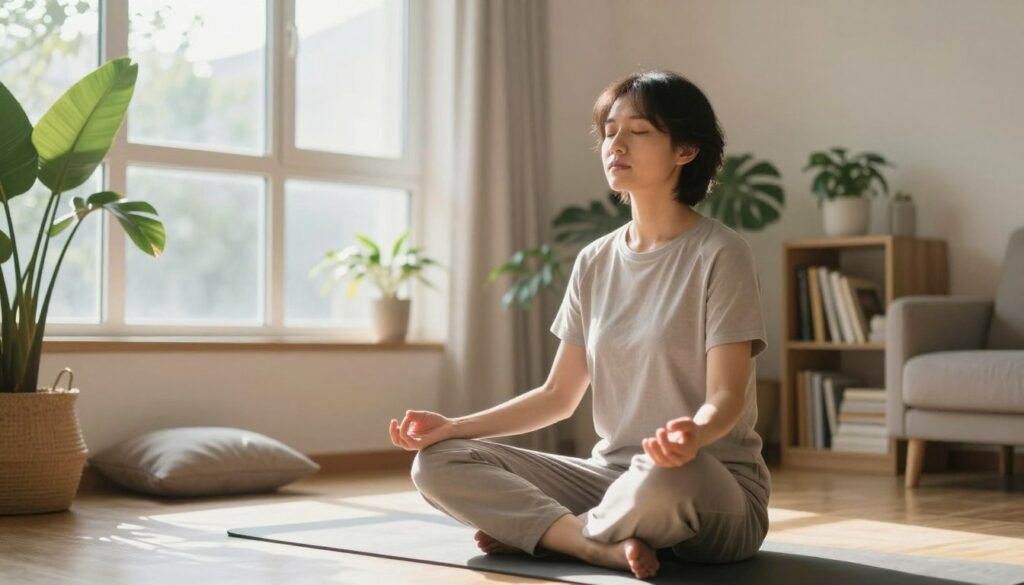
The 4-7-8 method, made famous by Dr. Andrew Weil, is a breathing exercise. It calms your nervous system and boosts sleep quality. This technique uses a special breathing pattern to lower anxiety and relax you.
How to Perform the 4-7-8 Breathing Method
To begin with, the 4-7-8 breathing technique requires you to know the basic steps. Here’s a simple guide to get you started.
Getting Started: Position and Mindset
Start by sitting comfortably with your back straight. Close your eyes and breathe in deeply through your nose. Feel your belly rise as you inhale.
The Three-Phase Breathing Pattern
The 4-7-8 technique has three phases:
- Inhale through your nose for a count of 4.
- Hold your breath for a count of 7.
- Exhale through your mouth for a count of 8.
Building Your Practice Gradually
Begin with a few cycles and increase as you get more comfortable. Regular practice is key to enjoying the full benefits.
Ideal Scenarios for Using the 4-7-8 Technique
The 4-7-8 breathing technique is versatile. It’s great when you’re feeling anxious or stressed, or when you can’t fall asleep.
| Situation | Benefit |
|---|---|
| Before Bed | Promotes relaxation and improves sleep quality |
| During Stressful Moments | Reduces anxiety and calms the nervous system |
| During Meditation | Enhances the meditative state and promotes more profound relaxation |
The Science-Backed Benefits of 4-7-8 Breathing
Studies show that the 4-7-8 technique is suitable for both the body and the mind. It can lower anxiety, improve sleep, and slow your heart rate.
By adding the 4-7-8 technique to your daily routine, you can see these benefits for yourself. It can significantly improve your well-being.
The Physiological Sigh: Reset Your Nervous System in Seconds
Learn how the Physiological Sigh can instantly calm your nervous system. It’s a simple breathwork for anxiety method that works anywhere, anytime.
Executing the Perfect Physiological Sigh
To do the Physiological Sigh, follow a few easy steps. It’s a double inhale followed by a slow exhale. Let’s dive into the details.
The Double-Inhale Technique
The first part is the double inhale. Breathe in through your nose, filling your lungs a bit. Then, inhale again before exhaling. This step is key to the technique’s success.
The Slow Exhale Method
After inhaling twice, exhale slowly through your mouth. The slow exhale calms your nervous system. It also slows down your heart rate and promotes relaxation.
Repeating for Maximum Benefit
For the best results, repeat the Physiological Sigh a few times. This repetition boosts its calming effects. It’s a great way to manage anxiety.
When to Implement the Physiological Sigh
Use the Physiological Sigh during stressful or anxious moments. It’s handy in many situations, like before a big presentation or during a panic attack.
| Situation | Benefit of Physiological Sigh |
|---|---|
| Before a big presentation | Reduces anxiety and calms nerves |
| During a panic attack | Helps regain control and calmness |
| When feeling overwhelmed | Provides immediate stress relief |
Why This Technique Works So Effectively
The Physiological Sigh directly affects your nervous system. The double inhale followed by a slow exhale regulates your breathing. This calms your mind and body, making it a top breathwork method for anxiety.
Adding the Physiological Sigh to your daily routine helps manage stress and anxiety. It’s a simple yet powerful tool for calm and relaxation in various situations.
Integrating Breathwork for Anxiety into Your Daily Routine
Adding breathwork to your daily life can significantly reduce stress and anxiety. Simple techniques can be included in your morning, day, and evening routines. This can help you manage anxiety and boost your well-being.
Morning Breathwork for Starting Your Day Centered
Starting with breathwork can improve your day. Begin with a 5-minute morning routine. Sit comfortably, close your eyes, and use the 4-7-8 technique. This helps you feel ready for the day.
Benefits of morning breathwork include more energy and calm. These feelings can last all day.
Quick Resets Throughout the Day
Adding quick breathwork breaks during the day is also helpful. Use box breathing or the physiological sigh for short breaks. These can reduce stress and improve focus and productivity.
Evening Practice for Better Sleep
Ending your day with breathwork can help you sleep better. Try the 4-7-8 method before bed. It tells your body it’s time to sleep, leading to better rest.
By making breathwork a daily habit, you gain a powerful tool to manage anxiety. It can significantly improve your quality of life.
Breathwork for Specific High-Stress Scenarios
In moments of intense pressure, your breath can be the key to regaining control and composure. Breathwork techniques offer a simple yet effective way to manage stress and anxiety in various high-pressure situations.
Before Important Meetings or Presentations
Using box breathing before a big meeting or presentation can help calm your nerves. This technique involves breathing in for 4 seconds, holding for 4 seconds, exhaling for 4 seconds, and holding again for 4 seconds. It helps to slow down your heart rate and clear your mind.
- Practice box breathing 5-10 minutes before the event
- Focus on the count to distract yourself from anxious thoughts
- Use this technique to boost confidence and clarity
During Conflict or Difficult Conversations
During tense conversations, physiological sighs can help reduce stress. This involves taking a deep breath through the nose, followed by a shorter, second breath, then exhaling slowly through the mouth. It helps to regulate your nervous system and remain calm.
- Use physiological sighs discreetly during the conversation
- Practice regularly to improve your ability to stay calm under pressure
Managing Panic Attacks with Breathwork
For managing panic attacks, the 4-7-8 breathing technique can be particularly effective. This involves breathing in through the nose for a count of 4, holding the breath for 7, and exhaling through the mouth for 8. It helps slow your heart rate and reduce panic symptoms.
- Practice this technique regularly to build resilience
- Use it as soon as you feel the onset of a panic attack
- Combine with other relaxation techniques for enhanced effectiveness
By incorporating these breathwork techniques into your daily life, you can better manage high-stress scenarios and achieve a nervous system reset, leading to improved overall well-being.
Common Challenges and Troubleshooting Your Breathwork Practice
Breathwork is a great way to calm your nervous system. But you might face some obstacles. Knowing how to deal with these challenges is key to a successful practice.
When You Can’t Focus on Your Breath
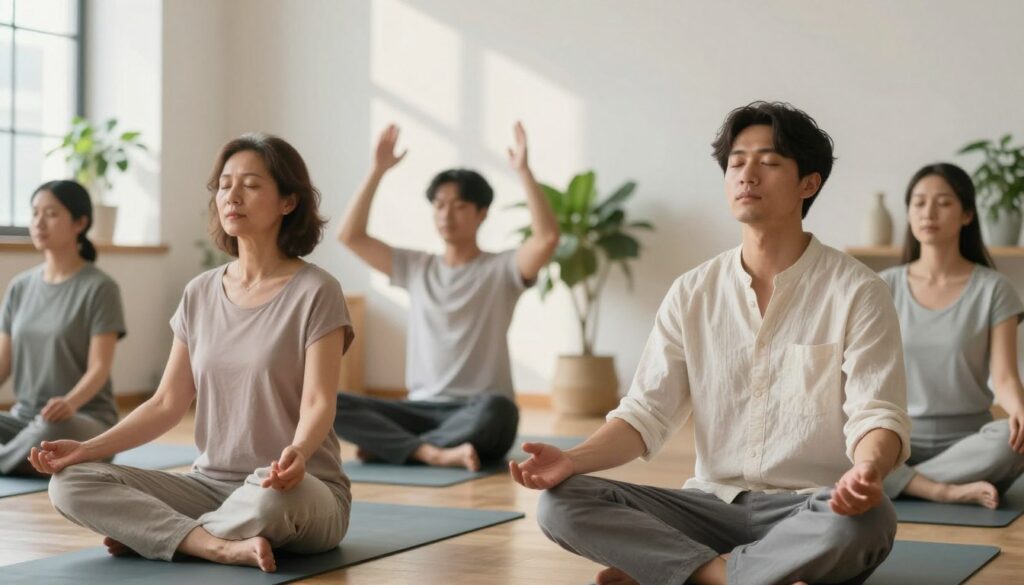
It’s common to find it hard to focus on your breath. Your mind might wander. To help, find a quiet, comfy spot with few distractions.
Start with short sessions and slowly increase the time. The goal is to refocus on your breath gently.
Dealing with Impatience and Resistance
Feeling impatient or resistant is another challenge. You might think you’re not doing it right. It’s important to be kind to yourself.
Be patient and remember that the benefits take time. If you’re resistant, try to figure out why. Maybe you’re uncomfortable or need a different approach.
“The breath is a powerful tool that can influence our nervous system, emotional state, and overall well-being.”
Adapting Techniques for Your Unique Needs
Finding the correct breathwork technique for you is crucial. If box breathing doesn’t work, try something else. Experiment to see what suits you best.
By tackling these common challenges, you can improve your breathwork. With patience and practice, you’ll handle life’s challenges better.
Conclusion: Your Breath as Your Constant Ally
You now have the tools to manage stress and anxiety. Simple yet powerful breathwork techniques can help. By adding practices like the 4-7-8 technique to your day, you’ll become more resilient and feel better overall.
Breathwork is a simple way to manage stress. It helps reset your nervous system and takes back control of your mind. Regular use of these techniques can help you feel more balanced and calm.
Remember, your breath is always with you, ready to help with stress and relaxation. By making breathwork a part of your routine, you’ll face life’s challenges with clarity and calmness.
Wow, amazing info! Definitely bookmarking this. Love the site! I’m from Yakutsk. Let�s swap links!
Awesome content. Saved! I’m from Yakutia. Happy to exchange links.
naturally like your web site however you need to take a look at the spelling on several of your posts. A number of them are rife with spelling problems and I find it very bothersome to tell the truth on the other hand I will surely come again again.
You’re so awesome! I don’t believe I have read a single thing like that before. So great to find someone with some original thoughts on this topic. Really.. thank you for starting this up. This website is something that is needed on the internet, someone with a little originality!