

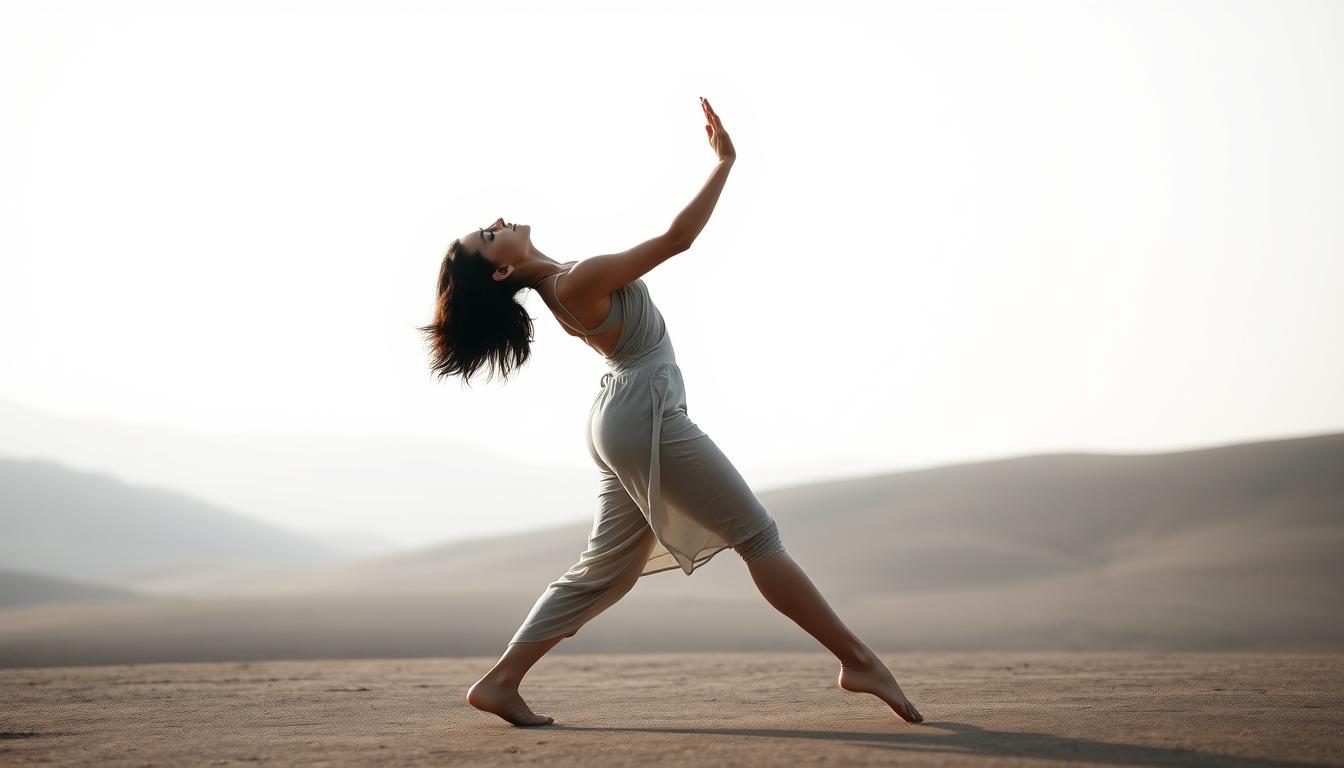
Exercise is more than just for your body; it’s great for your mind too. By adding mindfulness to your workouts, you can make them a calming experience. This can help lower your stress and improve your mood.
When you focus on your breath and body while exercising, it can change your life. This conscious way of moving helps you stay in the moment. It lets you forget about worries and stress.
Mixing physical activity with mindfulness can make you feel more calm and focused. This way of exercising is good for both your body and mind. It helps you feel better overall.
Key Takeaways
- Transform your workout into a meditative experience
- Reduce anxiety and enhance mental state through mindful exercise
- Focus on breath and body to tap into the present moment
- Combine physical activity with mindfulness for a holistic approach to health
- Cultivate a deeper sense of calm and focus through conscious movement
The Powerful Connection Between Movement and Mind
Physical activity is a strong tool for mental health. It can lower anxiety and boost emotional clarity. When we exercise, we’re not just getting fitter. We’re also strengthening the bond between our body and mind.
Understanding the Science Behind Exercise and Mental Wellbeing
Studies show that exercise greatly affects our mental health. It releases endorphins that lift our mood and cuts down stress. This science highlights the need to add mindfulness to our workouts. It turns them into moving meditations that care for both our body and mind.
Why Traditional Workouts Often Miss the Mental Component
Traditional workouts mainly aim for physical results, ignoring the mental and emotional gains. By skipping the mental side, people might not get the most from their workouts. This can affect their emotional clarity and overall health.
It’s crucial to see the deep connection between physical activity and our mental state. We should adopt a more complete approach to exercise. This way, we can build a stronger bond between our body and mind.
What Makes a Workout Mindful?
Mindfulness in fitness is more than just moving your body. It’s about connecting your mind and body deeply. This connection turns a simple workout into a meditative experience. To grasp what makes a workout mindful, we must look at its core elements and how they differ from usual exercise.
The Key Elements of Mindfulness in Fitness
Mindful exercise has several key elements that set it apart. It focuses on breath awareness, body scanning, and intentional movement. These aspects help people become more aware and present during their workouts.
How Conscious Movement Differs from Regular Exercise
Conscious movement, or mindful exercise, focuses on the mind-body connection. Unlike regular exercise, it encourages being in the moment. This leads to a deeper understanding of your body’s strengths and weaknesses.
Adding mindfulness to your workouts can improve your overall well-being. It also helps you have a more positive view of exercise.
The Benefits of Moving Meditation
Moving meditation offers many benefits, affecting our physical health, mental clarity, and emotional strength. It combines physical activity with mindfulness. This leads to a significant improvement in overall wellbeing.
One major benefit is its role in holistic wellness. It teaches us to be fully present in the moment. This deepens our connection between body and mind.
Physical Advantages Beyond Traditional Exercise
Moving meditation provides physical benefits that traditional exercise can’t match. These include:
- Improved flexibility and balance
- Enhanced cardiovascular health
- Increased strength and endurance
By focusing on the breath and being present, we can improve our physical performance. We also lower the risk of injury.
Mental and Emotional Clarity Through Mindful Movement
Regular moving meditation practice boosts mental and emotional clarity. It does this by:
- Helping us stay present in our movements, increasing body awareness
- Reducing mental distractions and promoting calm
- Improving emotional control and resilience
This clarity can improve our lives in many ways, enhancing our overall quality of life.
Stress Reduction and Anxiety Management
Moving meditation is great for managing stress and anxiety. It helps by:
- Lowering cortisol levels and reducing stress
- Improving mood and reducing anxiety symptoms
- Boosting overall wellbeing
As we continue with moving meditation, we experience these benefits. This leads to a more balanced and fulfilling life.
Preparing Your Mind and Space for a Mindful Workout
Starting a mindful workout needs the right mindset and space. As you align your mental and physical states, you’re ready for a meaningful exercise session.

Setting Intentions and Creating Mental Space
Begin by setting clear intentions for your workout. Think about what you want to get out of it, like better health or less stress. It’s about letting go of distractions and being in the now.
Jon Kabat-Zinn says, “The best way to take care of the future is to take care of the present moment.” This is key for a mindful workout.
“The best way to take care of the future is to take care of the present moment.” – Jon Kabat-Zinn
Designing an Environment That Supports Presence
Your workout space is important for staying present. Create a space with no distractions, clean and well-lit. Think about how the atmosphere makes you feel.
- Find a quiet spot away from loud noises.
- Use calming colors or decor to help your mood.
- Make sure the room is the right temperature for your workout.
By designing an environment that supports presence, you can keep your focus on your breath and body. This reduces anxiety and improves your mental state.
Mastering Breath as Your Anchor During Exercise
To truly master mindfulness in motion, it’s essential to harness the power of breath. Breath control is a fundamental element that can transform any workout into a meditative experience. By focusing on synchronized breathing, individuals can enhance their physical performance while cultivating mental clarity.
Synchronized Breathing Techniques for Different Workout Types
Different exercises require distinct breathing patterns. For instance, during cardio activities like running or cycling, adopting a rhythmic breathing pattern can help maintain a steady pace. In contrast, strength training exercises benefit from exhaling during the exertion phase and inhaling during the relaxation phase. Understanding these techniques can significantly improve workout efficiency.
Using Breath to Center Yourself in Challenging Moments
There will inevitably be challenging moments during any workout. It’s in these instances that breath becomes a powerful tool for maintaining focus. By concentrating on deep, controlled breaths, individuals can reduce anxiety and stay present. This mindful approach to exercise not only enhances physical performance but also contributes to a more positive overall experience.
Incorporating mindful breathing into your exercise routine can lead to a more fulfilling and effective workout. As you continue on your journey to mindfulness in fitness, remember that breath is your anchor, keeping you grounded and focused on the present moment.
Developing Body Awareness While in Motion
Being aware of our body while moving is key to better exercise and health. It turns our workouts into mindful and rewarding experiences.
When we’re active, listening to our body is crucial. We should notice our posture, limb movements, and muscle feelings. This helps us perform better, avoid injuries, and enjoy our workouts more.
Practicing Active Body Scanning During Movement
Active body scanning means focusing on our body parts as we move. Start by noticing your breath, then move to your feet, arms, or muscles. This boosts our body awareness and connection.
For instance, while running, focus on your feet, breath, or arm movement. It turns running into a meditative, refreshing experience.
Techniques for Recognizing and Releasing Physical Tension
It’s important to release physical tension for a healthy workout. Pause to scan your body for tight spots. Then, use deep breathing, stretching, or posture adjustments to relax.
| Technique | Description | Benefit |
|---|---|---|
| Deep Breathing | Focus on slow, deep breaths to calm the nervous system | Reduces stress and anxiety |
| Progressive Muscle Relaxation | Tense and then relax different muscle groups | Releases physical tension |
| Posture Adjustment | Adjust your posture to reduce strain on muscles | Improves comfort and reduces injury risk |
Using these techniques in our workouts boosts body awareness and reduces tension. As we practice, we’ll find exercise more fulfilling for both body and mind.

Mindfulness in Fitness: Practical Applications for Popular Workouts
Mindfulness in fitness is more than just a concept. It’s a real way to make workouts better by focusing on the mind-body connection. Being present and aware during exercise turns workouts into meditative experiences. This helps with holistic wellness.
Transforming Running into a Moving Meditation
Running can be like a moving meditation. Focus on your breath, the feel of your feet on the ground, and your body’s rhythm. This mindfulness makes running more enjoyable and fulfilling.
Bringing Presence to Strength Training and Weight Lifting
Mindfulness in strength training and weight lifting means paying attention to your body’s alignment and the movement of weights. It also helps you breathe better. This makes your workout more effective and safer.
Enhancing Mind-Body Connection in Yoga, Pilates, and Dance
Yoga, Pilates, and dance are perfect for mindfulness because they focus on movement and body awareness. By focusing on your breath and body sensations, you can deepen your mind-body connection. This makes your practice more rewarding.
| Workout Type | Mindfulness Technique | Benefit |
|---|---|---|
| Running | Focus on breath and foot strike | Enhanced endurance and enjoyment |
| Strength Training | Attention to body alignment and breath | Improved form and reduced injury risk |
| Yoga/Pilates/Dance | Emphasis on breath and body sensations | Deeper mind-body connection and fulfillment |
Using mindfulness in different workouts leads to a more complete fitness approach. It boosts both physical and mental health.
Cultivating Emotional Clarity Through Intentional Movement
When we move with purpose, we get to know our emotions better. This link between body movement and feeling our feelings is key to mindful exercise.
Mindful exercise is more than just moving. It’s about being fully present in our actions. By paying attention to our breath and body sensations, we let go of hidden emotions and understand our feelings better.
Using Exercise to Process and Release Emotions
Exercise can help us deal with our emotions when done mindfully. It helps us release physical and emotional tension. This way, we can handle tough feelings in a healthy manner.
How Movement Creates Space for Emotional Insights
Moving with awareness creates a space for us to reflect. This space helps us understand our emotional reactions and manage them better.
Through mindful exercise, we boost our physical and emotional health. Being present in our movements leads to clearer emotions and stronger resilience.
Overcoming Distractions and Maintaining Present-Moment Awareness
When we exercise, our minds often stray. This makes it hard to stay focused. To turn your workout into a meditation, you need to learn how to ignore distractions and stay in the moment.
One big challenge is dealing with outside interruptions. Strategies for minimizing distractions include choosing a workout environment that supports your focus, like a quiet gym or a private outdoor spot. Also, telling others about your workout time can cut down on interruptions.
Managing External Interruptions
To reduce outside distractions, try these methods:
- Find a workout spot with little noise and few interruptions.
- Wear noise-cancelling headphones or listen to soothing music.
- Tell family and friends about your workout times to avoid being bothered.
Quieting Internal Mental Chatter
Dealing with internal distractions, like constant thoughts, is tough. Here are ways to quiet your mind:
- Focus on your breath or a simple phrase to keep your mind on track.
- Pay attention to how your body feels and moves.
- Use positive words to yourself to keep a good attitude.
The Practice of Gentle Return to Presence
If your mind drifts off, gently bring it back to the present. This gentle return is key to staying mindful while exercising. With practice, you’ll get better at staying present, even when it’s hard.
By using these strategies in your workouts, you can improve your mental and physical connection. This makes your exercise more meaningful and rewarding.
Finding Mindfulness in High-Intensity and Challenging Workouts
High-intensity exercise and mindfulness go hand in hand. It might seem odd to practice mindfulness during tough workouts. Yet, it can make exercise more enjoyable and beneficial.
During intense workouts, it’s easy to lose focus. But, by paying attention to breath and body, workouts can become more meaningful. This means being fully present, noticing the challenges, and using them to grow awareness.
Discovering Calm Within Intensity and Discomfort
Finding calm in intense workouts is key. Focus on your breath to stay grounded. This helps reduce stress and improves your mental state while exercising.
| Technique | Description | Benefit |
|---|---|---|
| Focused Breathing | Concentrate on breath patterns during exercise | Reduces stress and anxiety |
| Body Awareness | Pay attention to bodily sensations | Enhances physical performance |
| Mindful Movement | Be present in each movement | Improves overall workout experience |
Using Physical Challenges as Gateways to Deeper Awareness
Workout challenges can lead to deeper awareness. By facing and overcoming discomfort, you learn more about your limits. This knowledge helps in other life areas, boosting well-being.
Mindfulness in fitness is more than physical gains. It’s about mental clarity and emotional strength. Adding mindfulness to intense workouts offers a complete exercise experience.
Conclusion: Embracing the Lifelong Journey of Mindful Movement
Incorporating meditation into your workout can change your life. It helps both your body and mind. By focusing on your breath and body, you can feel less anxious and more emotionally clear.
Practicing moving meditation connects your body and mind deeply. This helps you face life’s challenges better. Keep going, be consistent, and patient, and you’ll grow with each mindful moment.
Using mindful movement in your exercise can make it a powerful tool for your wellbeing. It unlocks your body and mind’s full potential. May you find peace, clarity, and joy in moving meditation.

helloI like your writing very so much proportion we keep up a correspondence extra approximately your post on AOL I need an expert in this space to unravel my problem May be that is you Taking a look forward to see you