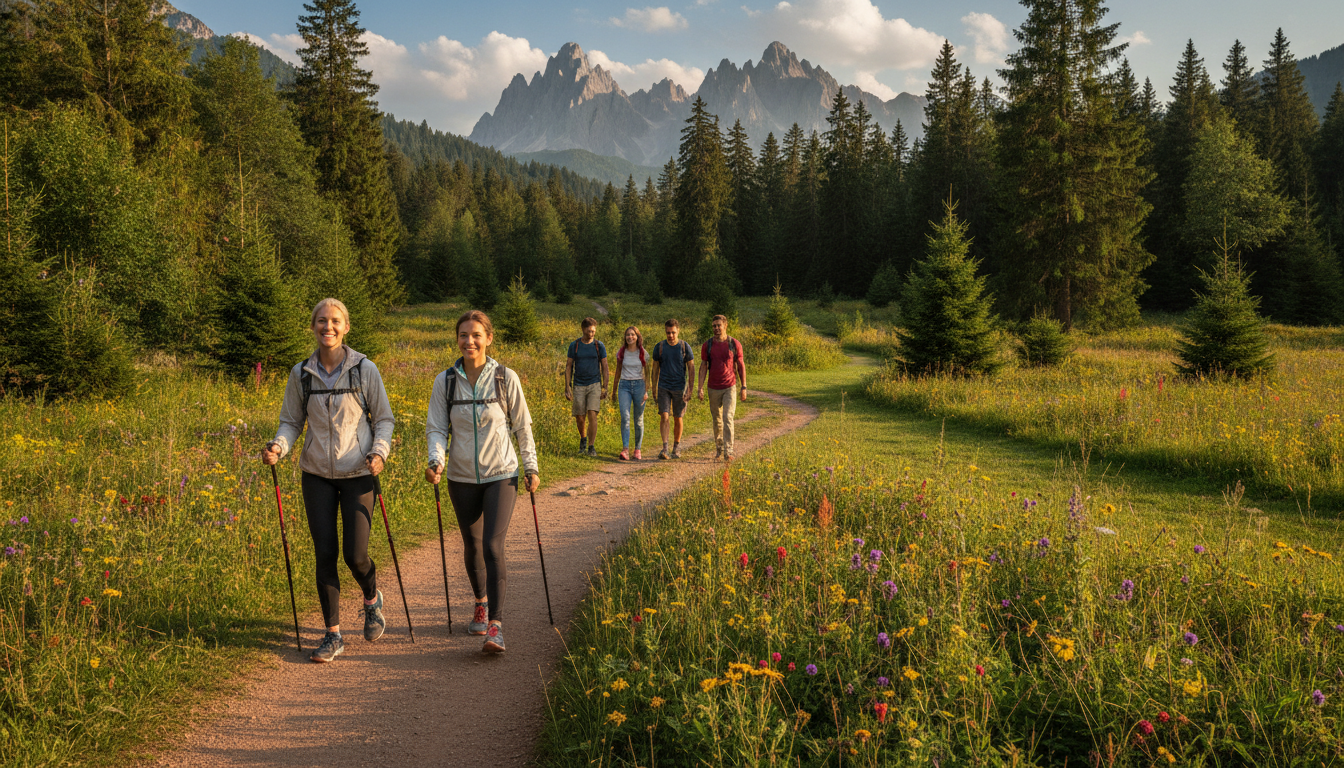
People are moving away from traditional gyms and towards nature. This shift towards active living is changing how we view wellness. It’s all about getting fresh air and sunlight.
Whether you love walking in the woods or tackling tough trails, these activities are exciting. You can play pickleball in parks or do yoga under trees. The choices keep getting bigger.
Studies show that exercising outdoors lowers stress and boosts your mind. Switching from a treadmill to a scenic path can keep you motivated. This article will help you enjoy these changes safely and protect our beautiful public lands.
Key Takeaways
- Nature-based exercise significantly reduces stress and boosts mental clarity.
- Popular activities include walking, running, and group sports like pickleball.
- Consistent movement in natural settings improves long-term exercise adherence.
- Safety and proper gear remain essential for a positive experience.
- Responsible recreation helps protect the environment for future generations.
Outdoor fitness, outdoor fitness trends, outdoor workouts, hiking fitness, trail: What Is Changing
Fitness is moving from indoor gyms to the great outdoors. More people are choosing trails over crowded gyms. This shift reflects a bigger change in how we approach health.
Why You Are Trading Traditional Gyms for Nature Workouts
Gyms can feel the same every day. But nature exercise offers a fresh challenge. It works your body and mind in new ways.
“Nature is not a place to visit. It is home.”
Outdoor exercise also offers a unique experience. It combines fresh air, light, and scenery. This mix lowers stress and makes workouts feel refreshing.
How Outdoor Fitness Became a Major Wellness Trend
Outdoor fitness used to be for athletes only. Now, Nordic walking is for everyone. It’s a full-body workout that’s easy on the joints.
More people are joining in, from retirees to families. The growth of green exercise has led to more clubs and programs. This makes it easy for anyone to start, no matter their fitness level.
| Feature | Traditional Gym | Outdoor Fitness |
|---|---|---|
| Environment | Controlled, Indoor | Dynamic, Natural |
| Equipment | Fixed Machines | Bodyweight & Terrain |
| Mental Impact | Focus on Repetition | Stress Reduction |
Why the Movement Is More Than a Passing Fad
Is this just a trend? The evidence says no. Trail running and outdoor activities are here to stay. They offer a sustainable way to stay healthy.
There’s something for everyone, from casual walks to intense hikes. By moving outdoors, you’re building a healthier lifestyle. It’s not just about exercise; it’s about connecting with nature.
How Exercise in Nature Can Improve Your Health and Motivation
Nature boosts your health by making exercise feel restorative. Moving from indoors to outdoors connects you with nature’s rhythms. This change often boosts your motivation and helps you stick to your fitness goals.
Stress Relief and Mental Restoration in Green Spaces
Green spaces offer natural stress relief. Studies show they lower cortisol levels, the stress hormone. You’ll likely feel clearer and more focused after spending time in nature.
Fresh Air, Daylight, and Mood Support
Natural daylight is key for mood and energy. Outdoor exercise gives you fresh air and light. This combo boosts your mood and energy levels.
Why Natural Scenery Can Make Exercise Feel Easier
Nature’s beauty distracts you from hard work. Instead of looking at walls, you see changing views. This makes workouts feel less hard and more interesting than indoor ones.
Using Enjoyment and Variety to Build Exercise Adherence
Staying interested in exercise is key for long-term success. Try different activities like functional fitness and outdoor strength training. You might also enjoy pickleball fitness for fun and health.
For a calm pace, try outdoor yoga and outdoor Pilates. They help build strength while enjoying nature. Enjoying your workouts makes it easier to maintain a healthy lifestyle.
How to Choose the Right Outdoor Fitness Activity for Your Goals
The outdoors is perfect for your active lifestyle, whether you want intense workouts or a calm escape. Finding the right activity means balancing your fitness goals with nature’s challenges. As we look ahead to fitness trends in 2026, more people are choosing outdoor activities that are both meaningful and healing.
Choose Hiking Fitness for Endurance and Exploration
Hiking is great for building endurance and exploring new places. It lets you set your own pace, making it ideal for those focused on long-term stamina. The uneven terrain also works your core and stabilizer muscles.
Choose Trail Walking for a Lower-Impact Starting Point
Trail walking is a gentle start for beginners. It offers fresh air without the hard impact of running on pavement. It’s ideal for building a consistent routine while protecting your joints.
Choose Nordic Walking for a Full-Body Workout
Nordic walking uses poles to work your upper body and legs. It burns more calories and improves your posture. It’s great for a full-body workout that’s stable on different surfaces.
Choose Trail Running for Speed, Power, and Cardiovascular Fitness
Trail running is intense and requires power and agility. It involves navigating obstacles, which boosts your body’s adaptability. It’s best for those with a solid cardiovascular base.
Choose Outdoor Strength Training for Functional Fitness
Outdoor strength training uses natural features for effective exercises. It builds functional fitness for everyday life. It’s a creative way to stay strong while enjoying nature.
Match Intensity, Terrain, and Recovery to Your Current Fitness Level
Always check your fitness level before starting a new routine. High-intensity activities like trail running need rest days to avoid injury. New wellness trends like wild swimming and cold water immersion offer recovery benefits but need safety planning and gradual exposure.
| Activity | Primary Goal | Impact Level | Intensity |
|---|---|---|---|
| Hiking | Endurance | Low to Moderate | Moderate |
| Trail Walking | Consistency | Low | Low |
| Nordic Walking | Full-Body Tone | Low | Moderate |
| Trail Running | Power/Speed | High | High |
| Strength Training | Functional Strength | Moderate | Moderate |
How to Start Hiking and Trail Walking Safely
Want to boost your fitness over 45? Start with a trail routine. It’s all about patience and safety, not rushing. This way, you can stay motivated all year.
Select a Trail That Matches Your Experience
Start with trails that fit your fitness level. Look for local parks with easy, flat trails. Avoid steep or technical paths until you’re more confident.
Plan Distance, Elevation, Surface, and Turnaround Points
Know your route before you go. Check the distance and elevation to manage your energy. Pick a clear turnaround point to avoid overdoing it during your outdoor exercise.
- Check the trail surface for loose rocks or roots.
- Review weather forecasts to ensure safe conditions.
- Note the location of trailheads and parking areas.
Build a Practical Hiking and Trail-Walking Routine
Consistency is key for healthy aging. Start with short walks and gradually increase time. This way, you avoid exhaustion and soreness.
Use the Talk Test and Perceived Effort to Control Intensity
Be able to talk while walking. If you’re out of breath, slow down. This keeps you in a safe, aerobic zone.
Pack Water, Navigation Tools, Weather Protection, and First-Aid Supplies
Being prepared keeps you safe and comfy. You don’t need fancy gear, but functional clothes help. Carry a pack with:
- At least one liter of water for every hour of activity.
- A physical map or a reliable GPS app for navigation.
- A lightweight, moisture-wicking jacket for sudden weather changes.
- A basic first-aid kit with bandages and antiseptic wipes.
How to Use Nordic Walking Poles Correctly
Learning to use Nordic walking poles right is key to a better outdoor training experience. Unlike trekking, where poles just support you, Nordic walking makes you push against the ground with each step. This action works your core, shoulders, and arms, making walking a full-body workout.
Choose Poles With the Correct Length and Hand Straps
For top trail fitness, your gear must fit you perfectly. Your poles should be the right height, so your elbow is at a 90-degree angle when the tip hits the ground. Use special hand straps that let you release the pole easily during the backswing.
Learn the Basic Nordic Walking Arm Swing
The arm swing is key for your Nordic walking workouts. Keep your arms near your body and swing from the shoulder, not the elbow. As you step forward, extend the opposite arm and plant the pole at a slight angle behind your heel.
Coordinate Your Pole Plant With Your Stride
Getting your pole and stride in sync is crucial for a smooth gait. Your pole should hit the ground at the same time as your opposite heel. This timing gives you stability and propulsion, helping you stay steady on different terrains.
Practice on Flat Ground Before Adding Hills
Practice on flat ground before tackling hills. This helps you focus on your rhythm and posture without uneven ground getting in the way. Once you’re confident, you can start adding hills to boost the intensity of your wilderness fitness routine.
Progress From Technique Drills to Longer Nordic Walking Sessions
Begin with short drills to build muscle memory before longer trail walks. Start with single-poling to focus on arm movement, then move to double-poling. As you get better, your nature workouts will be more enjoyable and sustainable.
Remember, poles are great for trail fitness, but listen to your body. If you have injuries or health issues, talk to a pro before starting. With the right approach, you can enjoy Nordic walking for years.
How to Build an Outdoor Workout Routine That Lasts
To make outdoor health and wellness a lasting habit, balance intensity with recovery. Mix different movements in nature to make every workout a lasting habit. This keeps you motivated over time.
Combine Steady-State Cardio With Short Strength Intervals
The best wilderness workouts mix steady movement with short, intense efforts. Start with a twenty-minute hike or walk to get your heart rate up. Then add short strength-training intervals every five to ten minutes to work your muscles.
This mix boosts your heart health and muscle strength. For better form and new trails, try local outdoor fitness classes.
Use Benches, Stairs, Hills, and Body Weight for Outdoor Strength Training
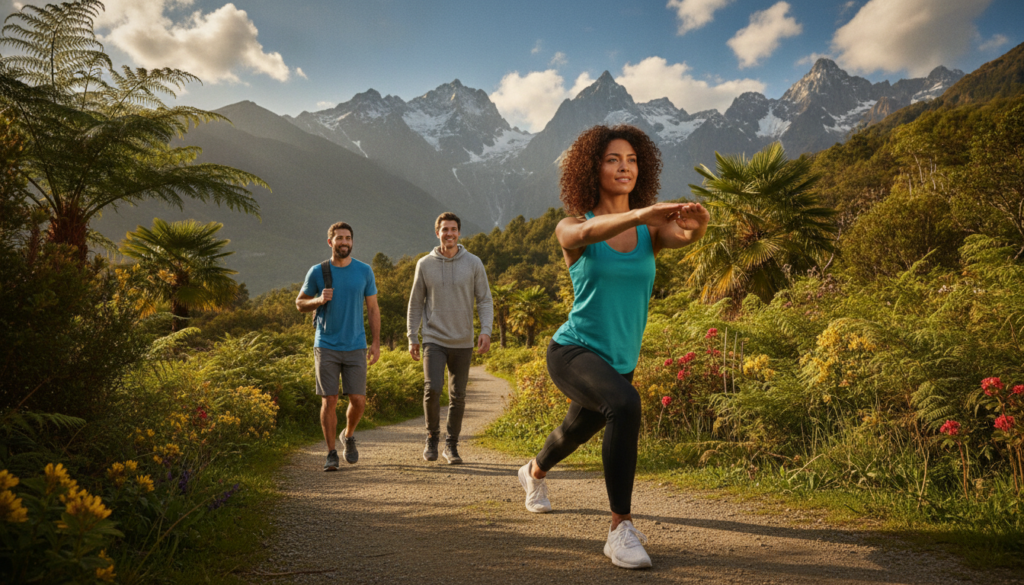
You don’t need a gym to get strong. Parks and trails have natural and man-made equipment for great workouts.
- Benches: Do triceps dips, elevated push-ups, or step-ups here.
- Stairs: Climb stairs for explosive leg power.
- Hills: Use inclines for lunges or hill sprints.
- Body Weight: Do squats, planks, and lunges on flat ground.
Schedule Warm-Ups, Cooldowns, and Recovery Days
Consistency helps prevent injury and manage fatigue. Spend five minutes on dynamic stretches before starting your outdoor fitness routine. Afterward, cool down with static stretches to improve flexibility and reduce soreness.
Adapt Your Routine for Fitness Over 45 and Healthy Aging
As you age, your body needs more care. Choose low-impact outdoor fitness activities like walking on soft trails. Add more recovery days to let your body repair and strengthen.
| Activity Type | Focus Area | Intensity Level |
|---|---|---|
| Steady-State Walking | Cardiovascular Health | Moderate |
| Hill Intervals | Leg Power | High |
| Bench Strength | Upper Body | Moderate |
Track Consistency Instead of Chasing Exhaustion
Many focus on how tired they feel after working out. Instead, log how many sessions you do each month. Focusing on the process helps build a lasting lifestyle for your goals.
Listen to your body and adjust your intensity. Prioritize steady progress to keep your time in nature energizing, not exhausting.
Outdoor Activities Expanding Beyond Hiking and Trail Walking
Nature is more than just hiking paths. It invites you to try yoga, cold water swimming, and more. By trying different activities, you can keep your body and mind active year-round. Fitness in nature lets you choose what works best for you.
Trail Running and Running Trails
Running trails are great for a tough workout. They strengthen your legs and make your body more agile. Running on trails is better than running on flat ground because it works your muscles harder.
Pickleball Fitness and Other Social Outdoor Sports
Pickleball is changing how we see fitness in the great outdoors. It’s a fun way to stay active with friends. You can also join outdoor fitness classes in parks for a group workout.
Outdoor Yoga and Outdoor Pilates
Yoga or Pilates in a park is amazing for balance. The fresh air helps you focus better. Many people find the best spots for these exercises are in nature.
“Nature is not a place to visit. It is home.”
Wild Swimming and Cold Water Immersion
Wild swimming is popular for its refreshing effect. It’s a way to connect with nature. But be careful and know your limits.
Understand Water Temperature, Supervision, and Gradual Acclimation
Always check the water temperature before swimming. Make sure you have a safe way to get in and out. Never swim alone. Start with short swims to get used to the cold.
How Outdoor Fitness Is Reshaping the Fitness Industry
As nature fitness grows, the whole industry is changing. Traditional gyms are now just one part of the fitness world. People want to work out in fresh air and open spaces.
Outdoor Fitness Classes and Guided Training Programs
Trainers now take sessions outdoors. Parks, beaches, and trails are the new gyms. They use nature for workouts, making them different from indoor gyms.
Guided groups offer everything from intense workouts to relaxing exercises. These programs focus on community, helping you get fit and meet new people.
Growth of Outdoor Gyms and Recreational Spaces
Cities are adding outdoor gyms to meet the demand for outdoor exercises. These gyms have equipment like pull-up bars and step platforms. They’re made to last outside.
By adding these gyms to parks, cities help everyone get fit without a gym membership. It shows their commitment to public health and making wellness accessible.
How Wearable Technology Supports Trail Fitness
Wearable devices are key for trail fitness. They track your progress and keep you safe. They’re essential for outdoor adventures.
Use GPS, Heart Rate, Elevation, and Weather Data Responsibly
Tracking your stats is good, but don’t let it lead to unhealthy competition. Use your GPS and elevation data to plan safe routes. Always check the weather before you go out.
Remember, consistency matters more than intensity. Don’t push yourself too hard just to beat a record.
Why Gorpcore Apparel Combines Performance With Everyday Style
“Gorpcore” has made outdoor gear fashionable. It combines durability with style, perfect for both the trail and city streets.
When picking your gear, keep these tips in mind:
- Invest in moisture-wicking base layers to manage sweat.
- Choose footwear with aggressive tread patterns for better traction on uneven surfaces.
- Use hydration vests or packs to keep water accessible without carrying heavy bottles.
- Wear high-visibility colors or reflective gear if you plan to exercise near roads or during low-light hours.
Choosing gear that’s both functional and comfortable makes outdoor workouts enjoyable. This style lets you easily move from hiking to daily tasks.
How to Make Outdoor Exercise Accessible in Every Season
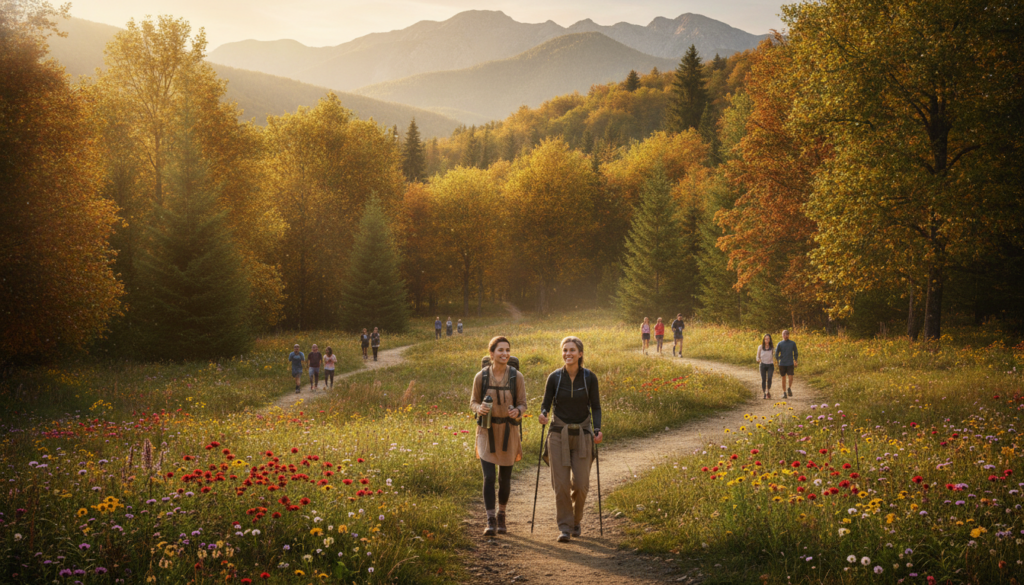
With the right gear and safety tips, it’s easier to enjoy the outdoors year-round. While nature fitness trends often focus on sunny days, you can keep up through every season. Staying consistent is key to long-term health, and nature is always open for a workout.
Adjust Your Clothing and Equipment for Heat, Cold, and Rain
To stay comfy, learn to layer up. In cold months, wear moisture-wicking base layers and insulated shells to keep warm without getting wet. In summer, choose lightweight, breathable clothes to avoid overheating during outdoor activities.
Carry the right tools for the weather. This means high-visibility gear for winter, sturdy shoes for icy paths, and good hydration systems for hot days. Being prepared is crucial for a successful outdoor workout.
Choose Safe Alternatives When Weather Disrupts Your Plan
When the weather is too harsh, it’s best to change plans. If air quality is bad, lightning is around, or trails are flooded, find an indoor workout or visit a community center. This keeps your great-outdoors fitness spirit alive.
“The best workout is the one that keeps you moving safely and consistently, regardless of the environment.”
Find Accessible Trails, Parks, and Community Outdoor Programs
You don’t need mountains to enjoy nature fitness. Urban areas have paved trails, public parks, and greenways open all year. Look for local groups that organize walks or fitness classes for motivation and community.
Reduce Cost Barriers With Simple Gear and Public Spaces
You don’t need expensive gear for a great workout. You can create effective outdoor workout routines with just your body and public spaces. Here are some budget-friendly tips:
- Use park benches for step-ups and tricep dips.
- Walk or jog on public sidewalks and neighborhood tracks.
- Find free trail maps and guides at local libraries.
- Buy one pair of versatile, high-quality walking shoes instead of specialized gear.
Use a Buddy System and Share Your Route
Safety is always first when exploring new places. Always tell someone your route and when you’ll be back. If you can, bring a friend for safety and to share the fun during your outdoor activities.
Challenges You Should Consider Before Training Outdoors
Starting an outdoor adventure fitness journey needs more than just excitement. It requires understanding the environment. The benefits of exercising outside are great, but you must know the challenges that could affect your safety and experience.
Weather, Heat, Air Quality, and Seasonal Hazards
Nature is full of surprises, and your al fresco workouts should always consider the weather. Extreme heat, sudden storms, or bad air quality can quickly make a workout dangerous.
Also, watch out for seasonal dangers like ticks, poison ivy, or slippery, muddy paths. Always check local reports before going out to make sure the area suits your activity level.
Overcrowded Trails and Conflicts Between Users
Busy parks can ruin your outdoor wellness vibe. When trails are crowded, it’s easy for people to get upset with each other.
Being patient and aware of your surroundings can help avoid fights. Remember, we’re all there to enjoy the outdoors, so being polite and cooperative is key for a good time.
Unequal Access to Safe Parks and Natural Areas
Not everyone can easily get to good green spaces. Things like transportation, how close you live to trails, and having the right gear can be obstacles to al fresco fitness.
If your area lacks good parks, look for community programs or urban park projects. Supporting these efforts can help more people enjoy the outdoors safely.
Respect Local Rules, Wildlife, and Other Trail Users
To keep our natural areas healthy, follow all rules and guidelines. Respect wildlife by staying far away and using marked paths to protect their homes and prevent damage.
Always give way to others and keep quiet to keep the peace. Being a responsible trail user helps keep these places open and enjoyable for everyone.
When to Modify or Skip an Outdoor Workout
The health benefits of outdoor fitness don’t mean you should ignore your body. If you’re not feeling well, in pain, or if there are environmental warnings, it’s best to change your plans.
You might shorten your route, find a safer place to work out, or take a day off. Putting your health first is the best way to keep a healthy, active lifestyle.
How to Practice Trail Conservation While You Exercise
True wellness means caring for the natural places where you work out. When you focus on wilderness training, you promise to protect the ecosystems that support your activities.
Follow Leave No Trace Principles
The “Leave No Trace” philosophy is key to responsible recreation. It makes sure your fresh air fitness doesn’t harm the environment.
- Plan ahead and prepare for your specific route.
- Travel and camp on durable surfaces.
- Respect wildlife and observe from a distance.
- Leave what you find, including rocks and plants.
Stay on Marked Trails and Avoid Erosion Damage
Stay on designated paths to keep the landscape healthy. Going off-trail can damage the soil and plants, causing erosion during storms.
By following the path, you help protect the nature that makes fitness in nature so rewarding. Even a small detour can harm fragile habitats.
Manage Waste, Noise, Pets, and Group Size
Your impact on the trail depends on how you manage your presence. Keeping noise down lets others enjoy the peace of the woods. Proper waste disposal keeps the area clean.
If you have a pet, always keep it on a leash to protect wildlife and other hikers. Also, keep your group small to reduce your impact and ensure a peaceful forest fitness experience for all.
Support Local Parks, Trail Organizations, and Conservation Projects
You can help keep your favorite trails alive. Many local parks need volunteers to maintain paths and clear debris.
Donating your time or resources to organizations that protect these lands is a great way to help. Supporting these groups keeps trails open and safe for future athletes.
Make Outdoor Fitness Part of a Sustainable Active Lifestyle
Adding conservation to your routine makes outdoor fitness more meaningful. Treating the environment with respect deepens your connection to nature.
A sustainable lifestyle keeps trails resilient and beautiful. As a steward, you contribute to healthier communities and help keep nature vibrant for all.
Conclusion
Your journey into the great outdoors is a step towards a better, more fulfilling life. Outdoor activities bring mental clarity and physical challenge that indoor spaces can’t match.
This trend is popular because it offers a wide range of activities. You can hike at a steady pace or run trails at high intensity. By starting with what you can do, you keep enjoying it for years.
Staying safe is key to enjoying nature. Make sure you have the right gear, check the weather, and get enough rest. By doing this, you help protect these beautiful places for others to enjoy.
Sticking to these habits helps you stay healthy and well for a long time. Every step you take helps you grow and keeps our world beautiful. Begin your next outdoor adventure with confidence and a sense of purpose today.