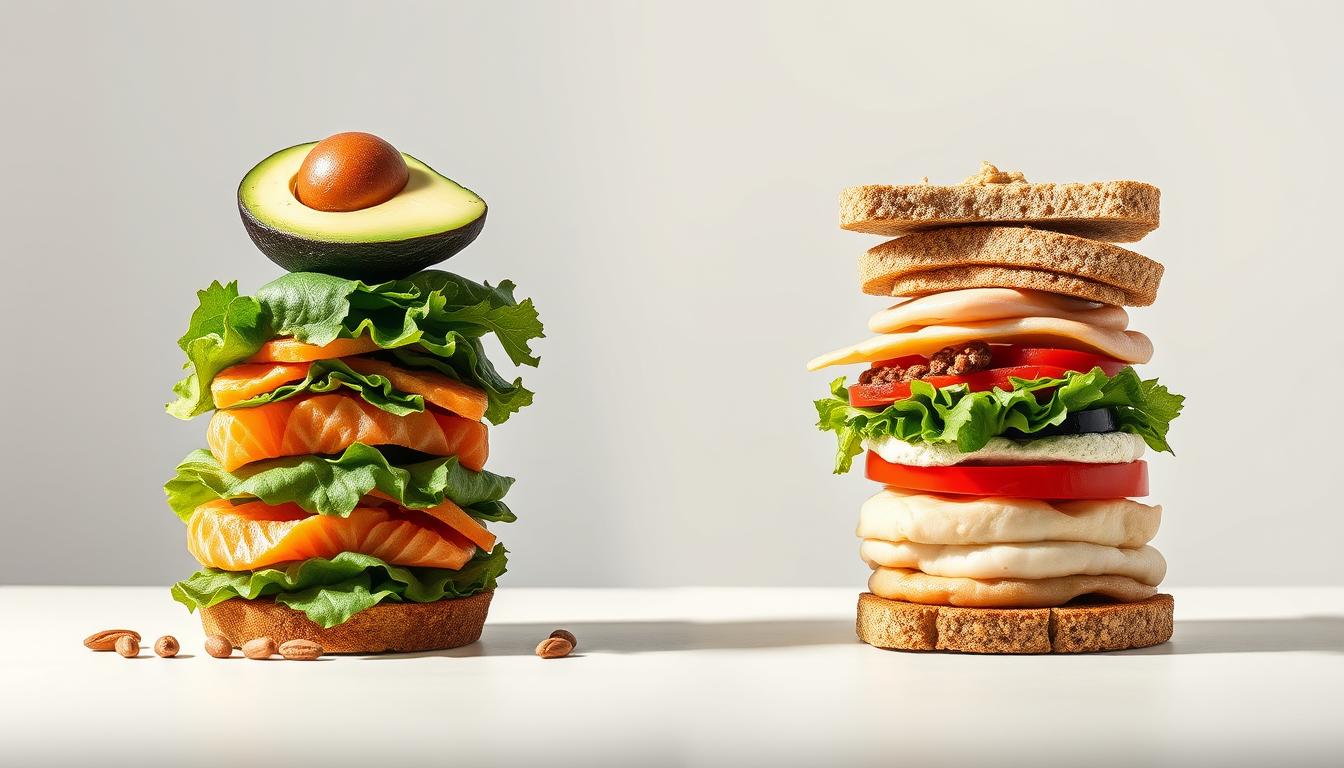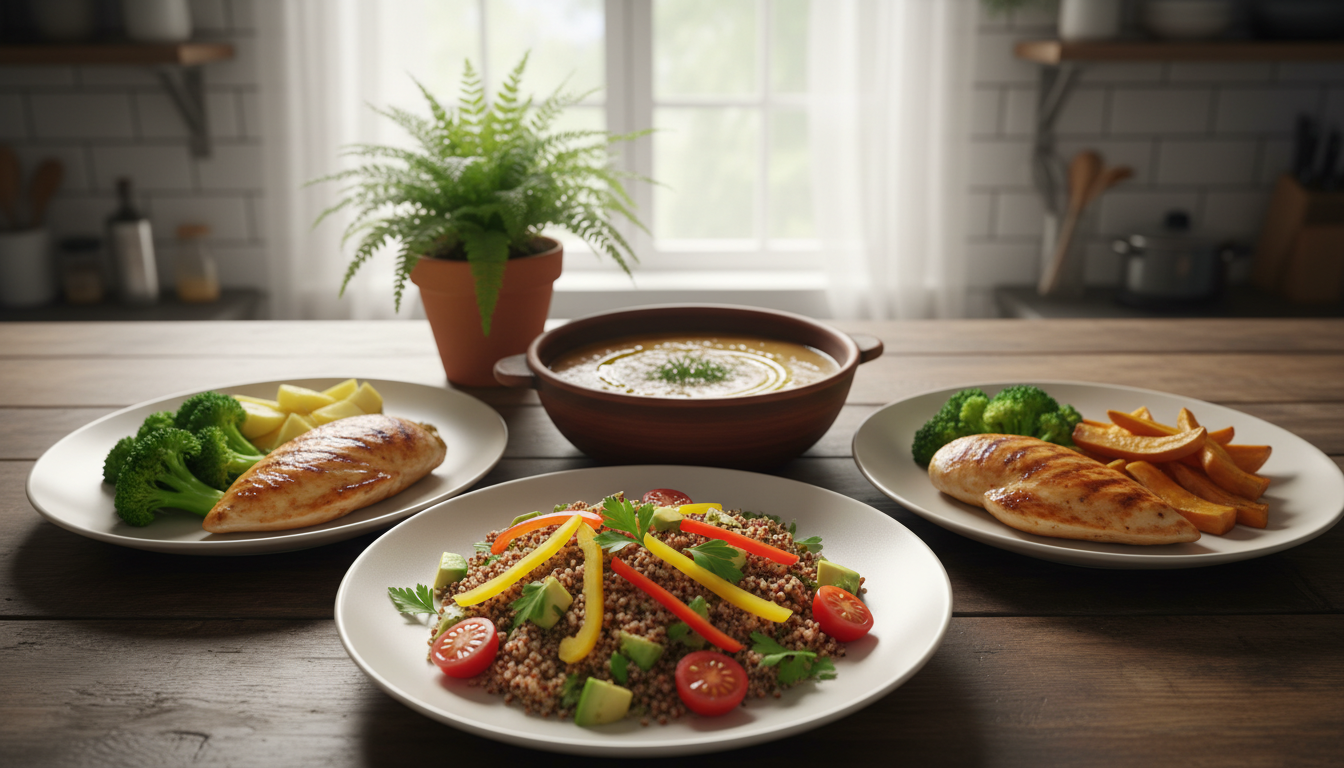
Ever eaten a 500-calorie lunch and then craved snacks an hour later? It’s a common problem that makes you wonder about your willpower. The truth is, your body reacts differently to different foods.
The math might seem easy, but the science is more complex. What you choose to eat can make a big difference. By picking filling meals, you can change how your body feels after eating.
Understanding the science behind your food is key to success. You don’t have to count every calorie if you focus on foods that keep you feeling full longer. This way, you can reach your goals without fighting constant hunger.
Key Takeaways
- Not all 500-calorie portions provide the same level of satisfaction.
- The secret to staying satisfied lies in your specific ingredient choices.
- Prioritizing certain items helps you avoid mid-afternoon snacking.
- Simple energy math often ignores how your body processes different items.
- Sustainable habits are built by choosing options that keep you feeling full.
Beyond the Calorie Count: Rethinking Weight Management
Your body is not just a simple calculator. It’s much more complex than basic math. Traditional weight management plans often say all calories are the same. But they don’t consider how different foods affect your hormones and hunger.
The Flaw in the Calories In vs. Calories Out Model
The usual way to lose weight is to burn more energy than you eat. But this doesn’t work well in real life. It ignores the quality of your food.
This old model has many problems:
- It doesn’t look at how different foods make you feel full.
- It doesn’t see how fiber and protein affect your blood sugar.
- It treats unhealthy snacks the same as healthy, whole foods.
Why Your Brain Prioritizes Fullness Over Energy Math
Your brain wants to keep you alive, so it listens to fullness signals more than calorie counts. Eating foods that don’t make you feel full can confuse your body. This is why good weight management strategies focus on how full you feel, not just calories.
Changing how you think about food can help. Instead of fighting hunger, choose foods that naturally make you feel full. This approach is key for lasting results without feeling deprived all the time.
Understanding the Satiety Index and How It Works
Ever wondered why a small snack doesn’t fill you up, but a big meal does? The satiety index is the answer. It helps you go beyond counting calories to see how foods affect your hunger. By choosing foods with higher scores, you can better control your hunger throughout the day.
The Science Behind the Satiety Score
The satiety score was created in 1995 to rank foods. It shows why some foods make you feel full longer than others. Each food gets a score based on how long it keeps you from feeling hungry.
Foods with high scores help you eat fewer calories but still feel full. This is great for managing your weight. It encourages you to choose foods that are good for you.
How Researchers Measure Fullness Factor
To find the fullness factor, scientists do studies. They have people eat a set amount of food and then check their hunger levels. This helps figure out how long each food keeps you full.
They look at how the body reacts to different foods. This way, they find out which foods are best at helping them feel full. Using the satiety index, you can make a diet that helps you eat less.
The Biological Mechanics of Hunger Management
Hunger is more than just a feeling; it’s a complex process that keeps you alive. By understanding how your body signals hunger, you can better manage your hunger and make smarter food choices. Your brain and digestive system work together to control how much energy you take in.
The Role of Gastric Distension in Appetite Control
One key way your body knows it’s full is through gastric distension. This happens when your stomach stretches from eating. Special sensors in your stomach lining feel this stretching and tell your brain to stop eating.
This is a crucial part of appetite control. Eating foods that are high in volume but low in calories triggers these sensors well. This feedback loop helps you feel full without overeating.
Hormonal Signaling: Ghrelin and Leptin Explained
Your body uses a complex chemical language to control when you want to eat. Two main hormones, ghrelin and leptin, are key players in this.
- Ghrelin: Known as the “hunger hormone,” it’s made in your stomach and tells your brain it’s time to eat.
- Leptin: Made by your fat cells, this hormone tells your brain you have enough energy stored, helping control your appetite.
What you eat can affect these signals. For instance, eating more protein is a smart move. Protein lowers ghrelin levels and boosts peptide YY, a hormone that signals fullness. Understanding these internal mechanics lets you work with your body rather than against it.
Comparing Nutrient Density and Satiety Levels
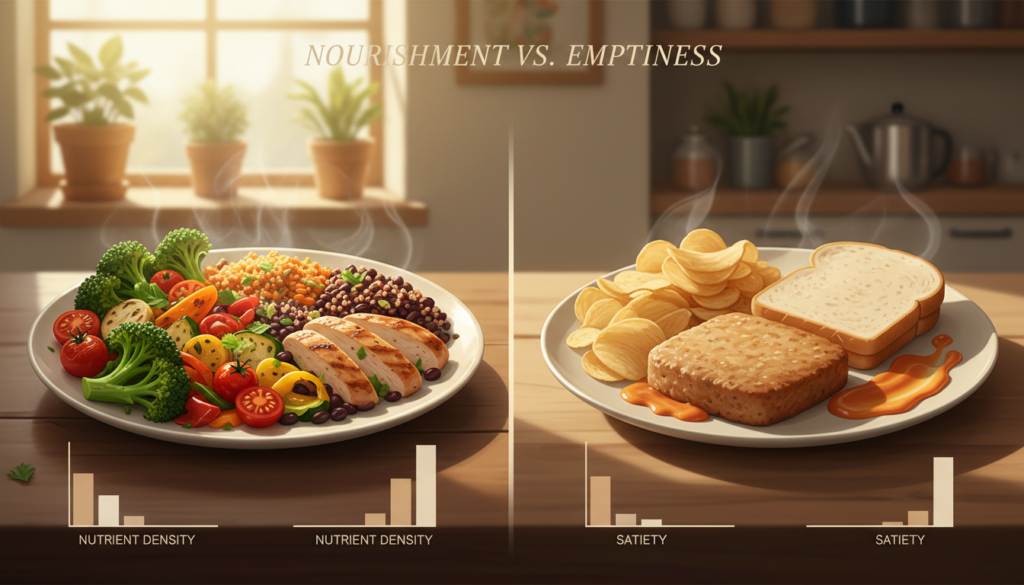
Did you know that the way your food is structured affects your hunger? It’s not just about calorie counts. The nutritional value of your food has a big impact on how long you feel full. By choosing foods wisely, you can better control your hunger.
The satiety index helps rank foods by how well they keep you full. Foods rich in nutrient density offer more volume and fiber. This makes you feel full for longer without having to count every calorie.
Oatmeal vs. Croissants: A Tale of Two Breakfasts
Think about your morning meal. Oatmeal is a great example of a food that keeps you full. It absorbs water and expands in your stomach. This expansion tells your brain you’ve eaten enough.
On the other hand, croissants are processed and low in fiber. They might have similar calories, but they offer little nutritional value. This leads to a quick rise and fall in blood sugar. You’ll likely want a snack before lunch.
Boiled Potatoes vs. White Rice: The Impact of Food Structure
How your body processes energy depends on the structure of the food. Boiled potatoes rank high on the satiety index. Their unique structure and high water content make you feel full.
White rice, often processed without its outer layers, is digested quickly. This can lower satiety levels over time. Eating whole, intact foods is a powerful strategy for weight management.
The Kings of Satiety: Foods That Keep You Full
Discovering the “Kings of Satiety” is your secret weapon for long-term weight management. When you prioritize high satiety foods, you naturally reduce your desire to snack between meals. These foods help you stay on track without the constant fear of hunger.
High-Protein Powerhouses for Long-Term Satisfaction
Protein is widely recognized as the most satiating macronutrient. It works by suppressing hunger hormones and increasing the production of peptides that signal fullness to your brain. By incorporating more protein into your diet, you can significantly improve your satiety levels throughout the day.
Focusing on lean sources ensures you get the best nutritional value without excess calories. Consider adding these options to your daily routine to keep your hunger in check:
- Greek yogurt or cottage cheese
- Lean chicken breast or turkey
- Wild-caught fish like salmon
- Eggs and plant-based proteins like lentils
The Importance of Fiber-Rich Whole Foods
Beyond protein, fiber is essential for maintaining a feeling of fullness. These filling foods slow down digestion, keeping your blood sugar stable and preventing sudden cravings. Choosing whole, unprocessed options is the best way to ensure you are getting enough fiber to support your goals.
When you consume foods that keep you full, you are essentially choosing volume over empty calories. Vegetables, legumes, and whole grains provide the bulk your stomach needs to feel satisfied. By building your meals around these fiber-rich staples, you can maintain your weight loss journey while feeling energized and nourished.
How to Build Satiating Meals for Weight Loss
Creating satiating meals is key for those wanting to lose weight without feeling hungry. By paying attention to what’s on your plate, you can naturally control your hunger. These weight-loss tips will help you focus on foods that keep you full, not just on calorie counting.
Balancing Macronutrients for Maximum Fullness
To stay full, balance the macronutrients in your meals. Protein should be the main part of your meal, as it’s the most filling. Combining lean proteins with fiber-rich carbs and healthy fats makes you feel full for longer.
Include protein sources like chicken, tofu, or beans with veggies. This mix stops blood sugar spikes that cause cravings later. Eating these satiating foods gives your body the energy it needs all day.
The Role of Water Content in Volume Eating
Volume eating uses foods with lots of water and air. These foods take up more space in your stomach, letting you eat more without consuming more calories. It’s a simple yet effective weight-loss tip for those who struggle with portion sizes.
Adding filling foods like leafy greens, cucumbers, berries, and broth-based soups makes you feel full. These foods add bulk without too many calories. By choosing these filling meals, you can keep your calorie intake down without feeling hungry.
Common Pitfalls in Your Hunger Management Strategy
Even with the best intentions, your weight management strategies can easily be derailed by hidden dietary traps. Many people focus solely on the numbers on a nutrition label, while ignoring how their bodies process different forms of energy. Recognizing these common mistakes is a vital step toward mastering your hunger management and achieving long-term success.
Why Liquid Calories Sabotage Your Satiety
Liquid calories, such as fruit smoothies, sodas, and sweetened juices, often bypass your body’s natural satiety mechanisms. Because these drinks lack the physical structure of whole foods, they do not trigger the same fullness signals in your brain. You may consume a high number of calories in seconds, yet feel hungry again shortly after.
When you drink your calories, you miss out on the mechanical process of chewing. This essential act signals to your digestive system that a meal is occurring. Without this feedback, your hormones do not regulate appetite effectively, which makes consistent weight management much harder to maintain.
The Hidden Dangers of Highly Processed Snacks
Highly processed snacks are engineered to be hyper-palatable, often combining sugar, salt, and unhealthy fats. These items cause rapid spikes in your blood sugar levels, followed by a sharp crash. This cycle leaves you craving more food almost immediately, which undermines your weight management strategies.
Choosing whole, fiber-rich foods instead of refined snacks helps stabilize your energy. By avoiding these processed traps, you gain better control over your daily hunger management. The following table highlights why whole foods are superior for keeping you satisfied throughout the day.
| Food Category | Satiety Impact | Blood Sugar Effect |
|---|---|---|
| Whole Fruit | High | Stable |
| Fruit Juice | Low | Rapid Spike |
| Whole Nuts | High | Minimal Impact |
| Processed Chips | Low | High Volatility |
Practical Tips for Controlling Appetite Daily
Changing how you relate to food can be simple. By making small changes to your daily routine, you can better manage your hunger. It’s not just about what you eat, but also how you eat. These adjustments can help you feel full and keep you on track with your health goals.

Mindful Eating Techniques to Enhance Satiety
One key tip for losing weight is to eat more mindfully. Eating slowly and chewing well tells your brain you’re being fed. Rushing through meals can make you miss the signals of fullness, leading to overeating.
Adding a crunch factor to your meals can help. Eating raw veggies like carrots or apples makes you chew more. This slows you down and helps you feel full with less food, controlling your appetite.
“The secret of success is to be ready when your opportunity comes.”
Strategic Timing of Meals to Prevent Cravings
Being consistent is key to managing hunger. Skipping meals or waiting too long can drop your blood sugar, causing cravings. Eating at regular times helps your body stay in balance.
Eating evenly throughout the day keeps your energy steady. This is especially helpful for avoiding late-night snacks. Keeping your body fueled regularly helps you control your appetite and avoid unhealthy snacks.
Customizing Your Diet for Sustainable Weight Loss
You are unique, and your body’s response to food is different. General guidelines are a good start, but success comes from tailoring your diet. Focus on nutrient density to create a satisfying plan without feeling deprived.
Adjusting Your Plate for Personal Satiety Needs
Everyone reacts differently to food. Some people feel full from high-fiber veggies, while others need healthy fats. Try different satiating meals to find what works for you.
Choosing high satiety foods helps you avoid overeating. Notice how your energy changes after eating. If you feel tired in the afternoon, try a snack with a higher satiety index score.
Tracking Your Satiety Scale to Find What Works
Keeping a log can change your weight management. Use a satiety scale to rate your hunger before and after meals. This helps you find the most satisfying foods.
Record your satiety score for a week to see patterns. You might find that certain foods keep you full longer. This data makes your diet flexible, helping you reach your weight goals.
By tracking your satiety scale, you can make better food choices anywhere. The goal is to enjoy high satiety foods. When your diet matches your body’s needs, staying on track becomes easy.
Conclusion
Weight management is more than just looking at nutrition labels. You can change your body by choosing high-quality foods. These foods signal to your brain that you’re full.
By choosing foods that keep you full, you can get through your day without hunger pangs. These foods give your body the energy it needs to work well.
Use a personal satiety scale to see how meals affect your hunger. This tool helps you find the best foods for your body.
Small changes in your daily life can make a big difference in your health. By focusing on foods with volume and fiber, you control your hunger. This makes reaching your goals easier.
Your journey to a healthier life begins with the next meal you make. Listen to your body and use the science of fullness to keep succeeding.