

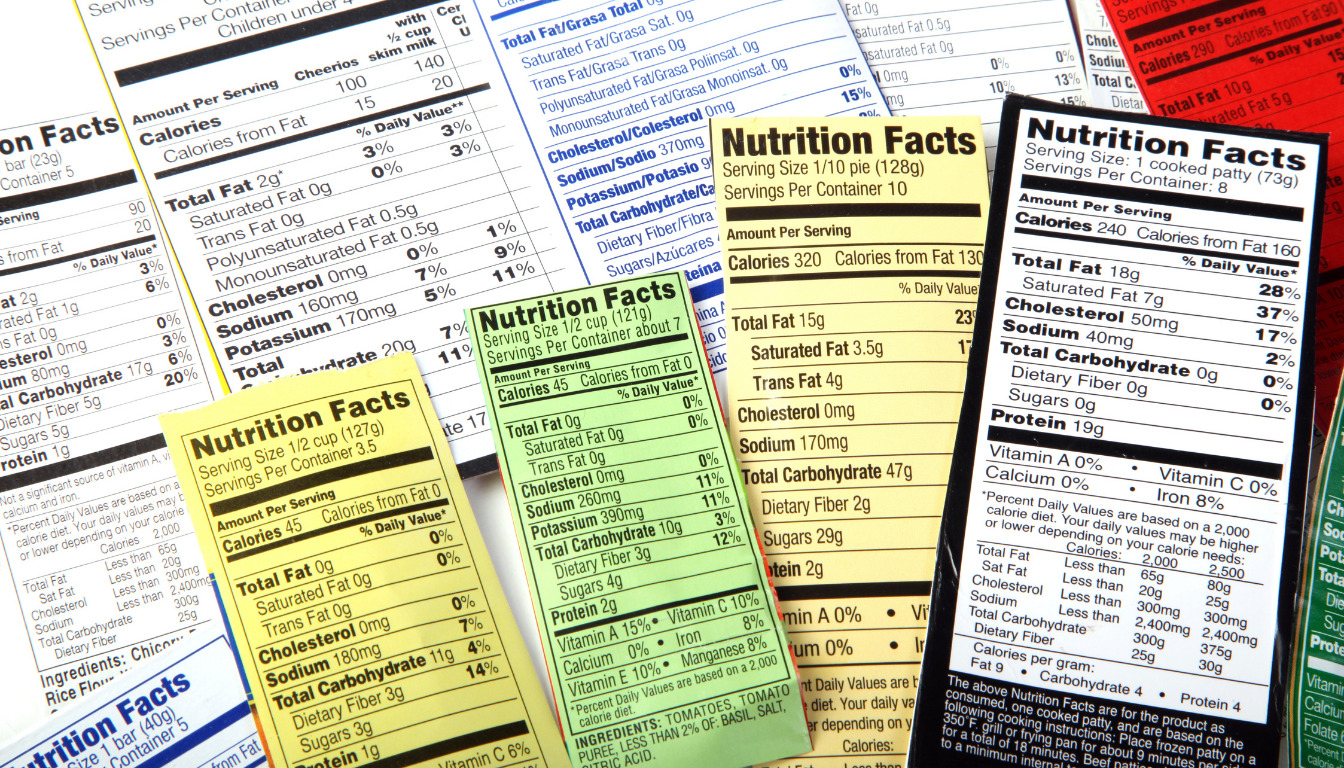
Making smart choices at the grocery store is key to managing your weight. It’s important to understand the nutrition facts on packaged foods. Micaela Karlsen, PhD, MSPH, says knowing what’s in your food helps you make better choices.
Learning to read nutrition facts can help you make better choices. This article will show you how. It will help you become a savvy shopper and manage your weight better.
Key Takeaways
- Understand the importance of reading nutrition facts for weight management
- Learn how to make informed choices at the grocery store
- Discover how to demystify the information on packaged foods
- Make empowered, fat-loss-friendly choices
- Become a savvy shopper and take control of your weight management journey
The Impact of Food Labels on Your Weight Management Journey
To manage your weight, you must first understand your food labels. Reading labels is more than just looking at calories. It’s about knowing the nutrients that help or hurt your weight goals.
How Label Literacy Affects Your Food Choices
Knowing how to read food labels helps you make better choices. You learn about serving sizes and nutrients. This way, you can spot hidden sugars and fats that can make you gain weight. For example, a product might seem low in fat but could contain a lot of sugar. Being label-savvy helps you see through these tricks.
The Hidden Cost of Ignoring Nutrition Information
Neglecting nutrition can undermine your weight goals. Eating too much hidden sugar and unhealthy fats can cause weight gain and health problems. Here’s how ignoring nutrition can affect your weight:
| Nutrient | Impact on Weight Management |
|---|---|
| Hidden Sugars | Contributes to weight gain and increased risk of diabetes |
| Unhealthy Fats | Leads to weight gain and increased risk of heart disease |
| Serving Size Awareness | Affects portion control and overall calorie intake |
Being aware of these factors helps you make choices that support your weight goals.
The Anatomy of a Nutrition Facts Label
Learning to read Nutrition Facts labels is key to eating healthier. These labels are full of info about your food. Knowing what they say can help you control your weight.
Mandatory Elements on US Food Labels
US food labels must include specific information to help you choose wisely. These include:
- Nutrition Facts title: Marks the start of the nutrition info.
- Serving size and servings per container: Shows how much food you get.
- Calories and calories from fat: Tell you how much energy the food has.
- Nutrient amounts: List amounts of nutrients like fat, sodium, and carbs.
Recent Changes to FDA Label Requirements
The FDA has updated Nutrition Facts labels to help you better. Two big changes stand out:
Added Sugars Disclosure
The new label now shows added sugars. This helps you see how much sugar is added during the making.
Realistic Serving Sizes
Serving sizes have been updated to match what we really eat. This makes the label more useful for everyday eating.
| Nutrient | Old Label | New Label |
|---|---|---|
| Serving Size | Based on typical consumption in the 1990s | Updated to reflect current eating habits |
| Added Sugars | Not listed separately | Listed in grams and % Daily Value |
| Calories from Fat | Displayed | Removed, focus on total calories |
By understanding these changes and the required labels, you can make better dietary choices. This helps you manage your weight better.
Mastering Serving Size Awareness for Portion Control
Understanding serving sizes is key to controlling your diet and weight. Food labels often mislead consumers, leading to overeating. Knowing the difference between “per serving” and “per container” is crucial.
Understanding “Per Serving” vs. “Per Container” Metrics
Food labels show nutritional info in two ways: “per serving” and “per container.” “Per serving” refers to a specific amount, such as cups or grams. “Per container” applies to the entire package. It’s important to know these differences.
For example, a bag of chips might have 2.5 servings. Eating the whole bag means you’ve had 2.5 times the “per serving” amount. Always check both “per serving” and “per container” metrics to get an accurate picture of your nutritional consumption.
How Manufacturers Manipulate Serving Sizes
Food manufacturers sometimes adjust serving sizes to appear healthier. They might use small sizes or round down values. Knowing these tricks helps you make better choices.
The Single-Serving Package Trap
Some products appear to be single servings but actually contain more. Be cautious of large packages or containers labeled as “single serving”, as they may be misleading.
Calculating True Nutritional Impact
To understand a food’s true nutritional value, think about how much you eat. If it’s more than one serving, multiply the values. For example, eating a whole container of yogurt that’s 2 servings means doubling the values.
- Check the serving size and number of servings per container.
- Compare the “per serving” and “per container” nutritional information.
- Adjust the nutritional values based on your actual consumption.
By understanding serving sizes, you can better manage your weight and diet.
Reading Food Labels to Track Calorie Intake Effectively
Knowing how to read food labels is key to managing your weight. It’s important to understand the calorie content of what you eat. This is true whether you’re trying to lose, maintain, or gain weight.
Aligning Label Calories with Your Weight Goals
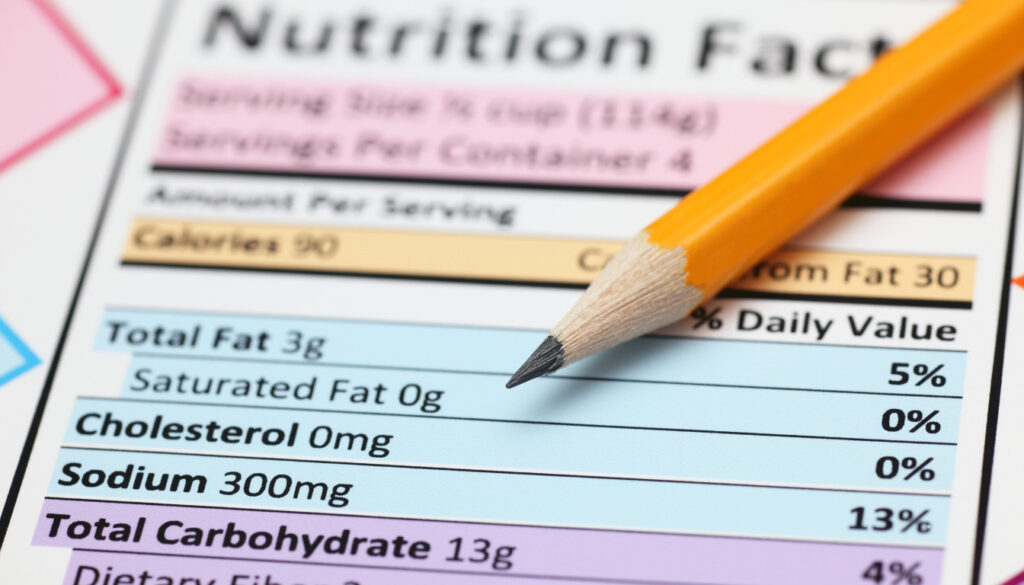
To align your weight goals with food-label calories, first determine your daily calorie needs. The Nutrition Facts label is a good starting point. It shows calories per serving. For example, if you want to lose weight, you might need to eat fewer calories than the label suggests.
Let’s say a label says one cup has 200 calories. If you eat two cups, you’ve had 400 calories. Keeping track of this helps you make better diet choices.
The Calorie Quality Equation: Not All Calories Are Equal
The quality of calories is as important as the amount. Not all calories are created equal in nutritional value. For instance, 100 calories from almonds will affect your body differently than 100 calories from a sugary snack.
“The quality of your calories matters. Focus on nutrient-dense foods to get the most nutritional bang for your caloric buck.” – A registered dietitian
To judge calorie quality, check the ingredient list and nutrition facts. Foods with lots of added sugars, saturated fats, and sodium are lower quality. Foods high in fiber, vitamins, and minerals are better.
| Calorie Source | Nutritional Value | Impact on Weight Management |
|---|---|---|
| Sugary Snacks | Low in nutrients, high in empty calories | Negative |
| Nuts and Seeds | High in healthy fats, protein, and fiber | Positive |
| Whole Grains | Rich in fiber, vitamins, and minerals | Positive |
Spotting Hidden Sugars in Ingredient Lists
Looking at food labels can be tricky. It’s hard to find hidden sugars because they have many names. This makes it tough for us to know how much sugar is in what we eat.
To shop smart, you need to know sugar’s many disguises. Knowing this helps you choose better foods. It also makes it easier to maintain your weight.
The 60+ Names for Sugar on Food Labels
Food labels list over 60 names for sugar. You’ll see common ones like sucrose and glucose. However, there are also names such as dextrose and maltose that might surprise you.
Common Sugar Aliases (Dextrose, Maltose, etc.)
Some common names for sugar include:
- Dextrose
- Maltose
- Fructose
- Lactose
- High Fructose Corn Syrup
- Maltodextrin
Natural vs. Added Sugars: What’s the Difference?
It’s key to know the difference between natural and added sugars. Natural sugars are found in foods like fruits and milk. Added sugars, by contrast, are added during processing. Knowing this helps you pick healthier options.
| Sugar Type | Examples | Typical Foods |
|---|---|---|
| Natural Sugars | Fructose, Lactose | Fruits, Milk |
| Added Sugars | Sucrose, High Fructose Corn Syrup | Processed Snacks, Sweetened Beverages |
How Hidden Sugars Sabotage Weight Management
Hidden sugars can really mess with your weight goals. Eating too much sugar leads to increased calories, insulin resistance, and cravings for more sweets. This makes it difficult to maintain a healthy weight.
By carefully reading labels and spotting sugar’s many names, you can control your sugar intake. This helps you achieve your weight-management goals.
Decoding Protein Information for Muscle Maintenance
To keep your muscles strong, it’s key to know what protein labels say. Protein is vital for repairing and building muscle. When reading labels, don’t just look at the protein content. It’s also important to know the quality.
Complete vs. Incomplete Proteins on Labels
Proteins are either complete or incomplete, based on their amino acids. Complete proteins have all nine essential amino acids your body can’t make. These are found in animal products like meat, eggs, and dairy. Incomplete proteins, found in plants such as beans and grains, lack certain amino acids.
Optimal Protein Sources for Weight Control
To manage your weight and maintain muscle strength, choose high-quality protein. Lean meats, fish, and eggs are great options. If you eat plants, mix different sources, such as beans with rice, to get all amino acids.
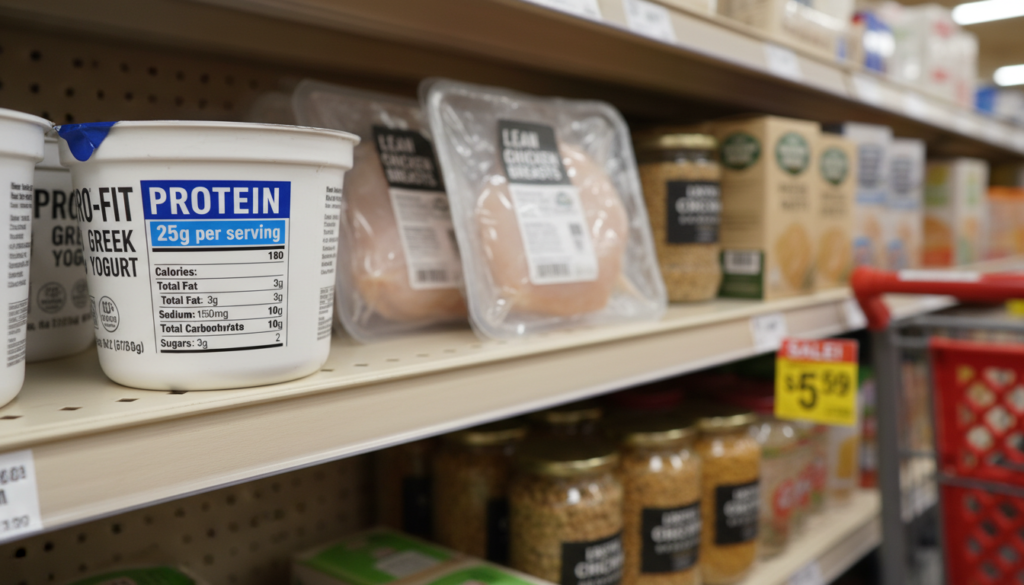
Knowing this helps you make better choices. These choices support your muscle health and weight goals.
Navigating Fat Content for Satiety and Health
The quality of dietary fat is key to your health and satiety. Fats provide energy, support vitamin absorption, and keep skin and hair healthy.
Distinguishing Between Healthy and Unhealthy Fats
Not all fats are the same. Healthy fats, such as those in avocados, nuts, and olive oil, are good for your heart. They also help you stay full longer. But unhealthy fats in processed foods can harm your heart and make it harder to manage your weight.
| Type of Fat | Common Sources | Health Impact |
|---|---|---|
| Monounsaturated Fats | Avocados, Olive Oil | Improves Heart Health |
| Polyunsaturated Fats | Nuts, Seeds, Fatty Fish | Reduces Inflammation |
| Saturated Fats | Red Meat, Full-Fat Dairy | Increases Cholesterol |
| Trans Fats | Processed Foods, Fried Foods | Harms Heart Health |
How Fat Quality Affects Hunger and Weight Management
The fat you eat affects your hunger and weight. Healthy fats digest slowly, making you feel full longer. This can help you avoid overeating.
nutrition expert, “The inclusion of healthy fats in meals can lead to greater satiety and a reduction in overall calorie intake.”
Adding healthy fats to your meals can help you manage your weight better.
Knowing which fats to choose can improve your health and make you feel fuller.
Carbohydrates and Fiber: The Weight Management Connection
To manage your weight well, understanding carbohydrates and fiber is key. These nutrients are important in your diet and affect your weight. Knowing how to read food labels helps you choose the right carbs and fiber.
Net Carbs vs. Total Carbs: What Matters for Weight Control
For weight control, knowing the difference between net carbs and total carbs is crucial. Net carbs are total carbs minus fiber and sugar alcohols. Fiber is a carb, but doesn’t raise blood sugar or cause weight gain like other carbs do. To manage weight, focus on net carbs when comparing different products.
Finding High-Fiber Foods Using Label Information
High-fiber foods are filling and key to healthy weight management. Look for foods with high fiber content on the label. Adults should aim for 25-30 grams of fiber daily. Use the nutrition facts to compare fiber in different foods.
Choose foods with a high percentage of your daily value (%DV) for fiber. Adding more high-fiber foods to your diet can make you feel full longer. It also supports your weight management goals.
Deciphering Marketing Claims vs. Nutritional Reality
Food labels often mix marketing tricks with real nutrition facts. It’s key to know what to look for. When shopping, it’s important to tell real nutrition from marketing tricks to make better food choices.
Regulated Terms with Specific Meanings
Some terms on labels are regulated and have specific meanings. Knowing these can better guide your food choices.
“Low-Fat,” “Reduced Sugar,” and “Light”
“Low-fat” and “reduced sugar” labels are checked by the FDA. For example, “low-fat” means less than 3 grams of fat per serving. Knowing these rules helps you pick foods that fit your diet.
“High Fiber” and “Good Source of Protein”
“High fiber” and “good source of protein” labels also have rules. A “high fiber” product must have at least 5 grams of fiber. Knowing these helps identify nutrient-dense foods.
Misleading Terms with No Standard Definitions
Not all labels are clear, and some can trick you. Knowing these tricks helps avoid being fooled by marketing.
“Natural,” “Clean,” and “Wholesome”
“Natural,” “clean,” and “wholesome” sound good but aren’t always true. It’s crucial to check the nutrition facts label beyond these claims.
“Made With Real Fruit” and “Multigrain”
Claims such as “made with real fruit” or “multigrain” may not be what they seem. Always check the ingredients to confirm these claims.
Practical Tips for Healthy Grocery Shopping Using Label Knowledge
Healthy grocery shopping begins with knowing how to read labels. This helps you choose healthier food. Understanding labels helps you choose foods that support your weight management.
Creating a Label-Reading Strategy Before Shopping
Before you go shopping, plan how you’ll read labels. Know what to look for on the nutrition facts and ingredient lists. Pay attention to serving size, calories, sugar, sodium, and unhealthy fats.
Comparing Similar Products for Weight-Friendly Options
When comparing similar items, ignore the front of the package. Look at the nutrition labels instead. Here’s a table to help you compare:
| Product | Calories per Serving | Sugar (g) | Sodium (mg) |
|---|---|---|---|
| Brand A Cereal | 200 | 8 | 200 |
| Brand B Cereal | 250 | 10 | 300 |
| Brand C Cereal | 180 | 6 | 150 |
The 5-Second Label Scan Technique
The 5-second scan looks at serving size, calories, and top ingredients. It’s a quick way to see if a product fits your diet.
Using Mobile Apps for Quick Label Analysis
Mobile apps can quickly analyze food labels. They give detailed nutrition info, highlight allergens, and scan barcodes.
Using these tips makes you a better grocery shopper. You’ll make choices that are good for your health.
Conclusion: Empowering Your Weight Management Through Label Literacy
Learning to read food labels is key to managing your weight. It lets you make smart choices about what you eat. This helps you reach your weight goals.
Knowing serving sizes is important for a healthy diet. Paying attention to them helps you eat the right amount. Also, spotting hidden sugars in ingredients is crucial for weight control.
Using what you learn from labels, you can control your nutrition. Choose foods with good ingredients, watch your calorie intake, and pick what fits your diet. Every smart choice you make supports your weight management.
Being good at reading labels gives you power over nutrition. It makes it easier to meet your weight goals. Start using these skills now and see how they improve your health.
The salon itself was lovely, but the massage pressure was too light. A somewhat disappointing ending.
Perfectly quiet session, just what I wanted. Pure, uninterrupted relaxation. A silent and peaceful ending.