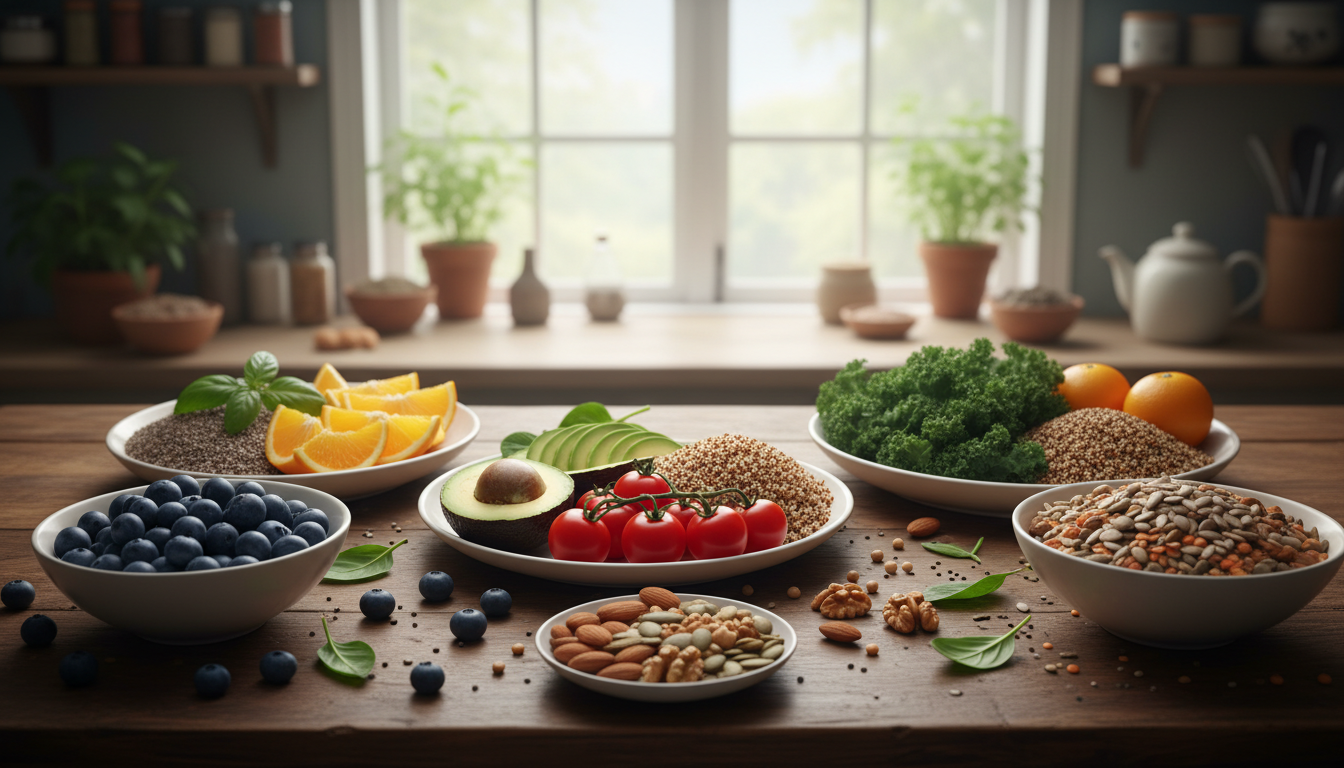
Most people focus too much on numbers on food labels. But true wellness comes from looking deeper at what you eat. By changing your focus from just counting calories to understanding how ingredients work together, you can boost your daily energy. This is called nutrient synergy.
When you mix certain foods, you unlock their full potential. For instance, adding healthy fats to leafy greens makes vitamins more available. These absorption hacks help your body get the most out of your meals.
Pairing Vitamin C with plant-based iron can also increase iron intake. Seeing your food as a system, not just a list of numbers, makes every meal powerful. It’s a smart way to reach your health goals without feeling limited.
Key Takeaways
- Move beyond calorie counting to focus on how ingredients interact.
- Combine healthy fats with vegetables to increase vitamin uptake.
- Use Vitamin C to help your body process plant-based iron.
- View your plate as a system to maximize daily energy levels.
- Small changes in how you combine items lead to better long-term results.
Beyond the Calorie: Rethinking Your Nutritional Strategy
Your body values the quality of food more than its calorie count. Counting calories is common for weight control, but it misses the health benefits. Switching to a nutrient-rich diet can lead to a healthier lifestyle.
The Limitations of Traditional Calorie Counting
Calorie counting treats all foods the same, but your body doesn’t. A calorie from a snack affects you differently than one from a vegetable. This method can cause hidden deficiencies, even if you eat the right amount.
“The quality of the food you eat is far more important than the quantity of calories you consume. True health is found in the synergy of vitamins, minerals, and phytonutrients.”
When you focus on calories, you might miss out on important nutrients. This can make you feel tired or sluggish, even if you eat enough. Eating nutrient-rich foods is key to feeling your best.
Shifting Focus to Nutrient Density and Bioavailability
Choosing nutrient-dense foods nourishes your body at a deep level. These foods are rich in vitamins, minerals, and antioxidants. They give your cells the tools they need to work well.
Bioavailability is also crucial. It means your body can use the nutrients you eat. A nutrient-rich diet is about more than what you eat. It’s about how well your body can use those nutrients. Here’s a comparison of calorie-focused and nutrient-focused diets.
| Feature | Calorie-Focused | Nutrient-Focused |
|---|---|---|
| Primary Goal | Weight management | Systemic health |
| Food Selection | Low-calorie processed | Whole, nutrient-dense foods |
| Metabolic Impact | Often ignores hormones | Supports metabolic balance |
| Long-term Result | Potential deficiencies | Optimal vitality |
Thinking this way helps you build a lasting lifestyle, not just a quick fix. Eating nutrient-dense foods makes you feel full and energized. This change can improve your relationship with food.
Understanding Nutrient Synergy and Bioavailability
Nutritional science shows that combining ingredients can boost how well your body absorbs nutrients. By focusing on nutrient synergy, you go beyond counting calories. You focus on the quality of your food.
This approach unlocks hidden health benefits. It pairs foods that naturally support each other.
Defining the Science of Food Synergy
Food synergy is about how whole foods offer more health benefits when combined than when consumed alone. When you eat certain compounds together, they can improve how your body absorbs them. Using nutrient synergy strategies helps your body better absorb the vitamins and minerals in your meals.
Many people miss these interactions, but they’re key to how we process energy. Learning nutrient synergy techniques helps you make meals that boost your health. It’s a simple way to improve your diet without supplements.
How Your Body Processes and Absorbs Nutrients
Your digestive system breaks down food through complex chemical pathways. Bioavailability is the extent to which a nutrient is absorbed and used by your body. Enhancing nutrient synergy means ensuring these nutrients reach your bloodstream effectively.
Understanding nutrient synergy in diet means seeing how different foods work together during digestion. The table below shows how certain combinations can boost your health.
| Combination Type | Primary Benefit | Biological Mechanism |
|---|---|---|
| Fat + Fat-Soluble Vitamins | Increased Absorption | Lipid-based transport |
| Iron + Vitamin C | Enhanced Uptake | Chemical reduction |
| Protein + Fiber | Sustained Energy | Glycemic regulation |
| Spices + Nutrients | Improved Bioavailability | Enzyme stimulation |
By learning these basics, you can control your health. Choosing foods that support nutrient synergy will keep you more energized and nourished throughout the day.
The Foundation of Fat-Soluble Vitamin Absorption
To get the most from your veggies, learn about fat-soluble vitamins. Vitamins A, D, E, and K need dietary fat to work properly. By focusing on enhancing nutrient uptake, your body gets the fuel it needs.
Why Healthy Fats are Essential for Vitamin Uptake
Your gut can’t break down fat-soluble vitamins on its own. These vitamins don’t mix with water. Without fat in your meal, they often leave your body without being absorbed.
Healthy fats act as a necessary vehicle for these nutrients. When you eat fats, your body makes bile. This breaks down the fat, allowing your intestines to absorb the vitamins more effectively. This step is key to good health.
Pairing Avocado and Kale for Maximum Impact
Pairing leafy greens with healthy fats is a great idea. Kale is full of vitamins A and K, but they’re hard to get without fat. Adding avocado to your salad unlocks these nutrients.
This combo is more than a trend; it’s science-backed. Eating kale with avocado boosts the absorption of its vitamins and antioxidants. You’re teaching your body to get more from each bite.
The Role of Monounsaturated Fats in Nutrient Transport
Monounsaturated fats are great for moving nutrients around your cells. They help form micelles, tiny structures that carry vitamins through your gut. Choosing the best food combinations for nutrient absorption boosts this process.
Adding olive oil, nuts, or avocado to your diet helps nourish your cells. This strategic approach to eating keeps your energy up and supports your health. Your meals become a tool for better health with these pairings.
Unlocking Plant-Based Iron with Vitamin C
Unlocking plant-based iron is easy with a simple trick. Plants are rich in essential minerals, but our bodies often struggle to absorb them. Learning to enhance nutrient absorption is key to keeping your energy up and blood healthy.
The Challenge of Non-Heme Iron Absorption
Plant foods contain non-heme iron, which our bodies have difficulty breaking down. Without the right support, much of this iron is lost. It’s like your body can’t grab onto it.
“The bioavailability of non-heme iron is significantly lower than that of heme iron, making strategic food combinations essential for those following plant-forward diets.”
Strategic Pairings: Lemon, Spinach, and Bell Peppers
Start by pairing your favorite greens with Vitamin C sources. For example, lemon juice on spinach boosts iron absorption. This simple trick helps your body better use iron.
Bell peppers are also a great source of Vitamin C. Add them to salads or stir-fries. Mixing these veggies with iron-rich foods makes a meal that boosts your health. It’s a smart way to maximize nutrient absorption every day.
Creating Acidic Environments for Better Mineral Uptake
Vitamin C’s acidity is the secret. It lowers the pH of your digestive tract, making it more favorable for mineral absorption. This way, your body can absorb nutrients more effectively.
| Plant-Based Iron Source | Vitamin C Partner | Preparation Tip |
|---|---|---|
| Spinach | Lemon Juice | Drizzle fresh juice over raw leaves |
| Lentils | Red Bell Peppers | Dice and mix into a warm salad |
| Kale | Strawberries | Add sliced berries to a kale salad |
By using these techniques, you can maximize nutrient absorption efficiency. Your body will thank you. Small changes make a big difference in how you feel every day.
Enhancing Nutrient Synergy with Spices and Herbs
Transform your meals into health tools by picking the right herbs and spices. Many plants contain compounds that our bodies can’t absorb on their own. By adopting an anti-inflammatory diet, you can unlock hidden nutrients from common pantry items.
The Power of Piperine in Black Pepper
Black pepper is more than just a seasoning. It contains a compound called piperine, which boosts nutrient absorption. Adding fresh black pepper to your food helps piperine work its magic.
This magic slows down nutrient breakdown in your body. It keeps nutrients in your blood longer. This food synergy for better health makes every bite more valuable.
Combining Turmeric and Black Pepper for Anti-Inflammatory Benefits
Turmeric is famous for its curcumin, a strong anti-inflammatory. But curcumin’s bioavailability is low when eaten alone. Your body often gets rid of it before it can help.
Pairing turmeric with black pepper creates a powerful nutritional synergy. The piperine in black pepper boosts curcumin absorption by up to 2,000 percent. These nutritional synergy tips are key to maximizing your meals’ health benefits.
| Spice Combination | Primary Benefit | Synergy Effect |
|---|---|---|
| Turmeric + Black Pepper | Inflammation reduction | Enhanced curcumin uptake |
| Ginger + Garlic | Immune support | Improved antioxidant activity |
| Cinnamon + Cloves | Blood sugar balance | Optimized food synergy for health |
Optimizing Your Plate for System-Wide Health
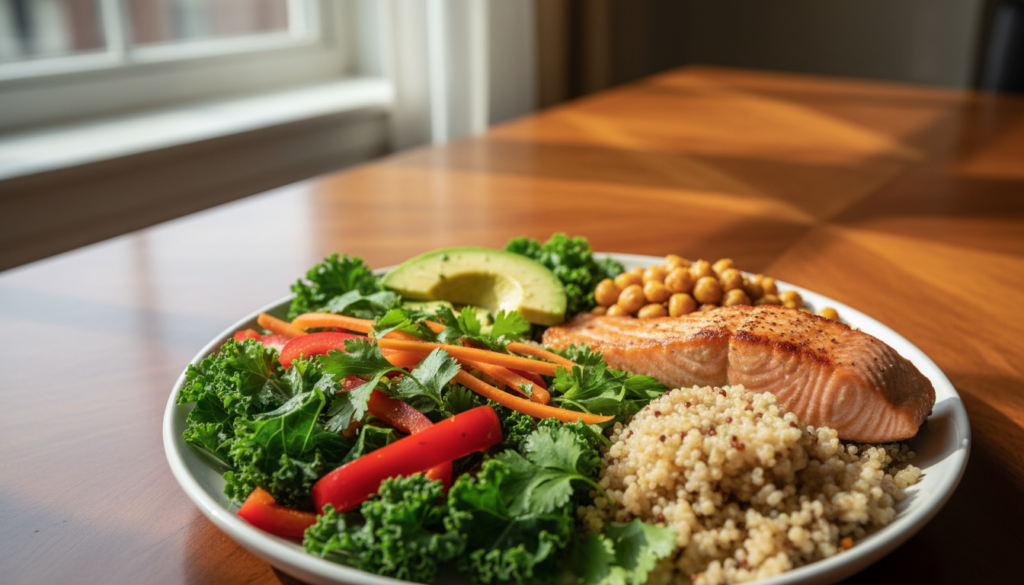
Think of your plate as a system that works together for your health. Instead of focusing on each food alone, see how they interact. This holistic perspective is key to pairing foods for better health.
Building Meals That Work Harder for Your Goals
To make your meals more effective, pick foods with clear functional benefits. Pair foods that boost each other’s absorption or metabolism. This way, your body gets the most from every meal.
By focusing on nutrient combinations, you go beyond just counting calories. You focus on the quality and how foods work together. This helps you reach your health goals faster and more consistently.
The Importance of Diverse Food Combinations
It’s crucial to try different food pairings for a balanced diet. Eating the same foods can limit your nutrient intake. Diversifying your diet builds a strong foundation for overall health.
For true optimal nutrition, look at your whole diet. Include a variety of colors, textures, and food groups. This not only prevents deficiencies but also keeps your energy up all day.
| Category | Nutrient-Rich Food Combinations | Primary Nutrient Combination Benefits |
|---|---|---|
| Plant-Based | Spinach and Citrus | Enhanced iron absorption |
| Healthy Fats | Avocado and Carrots | Improved vitamin uptake |
| Spices | Turmeric and Black Pepper | Increased bioavailability |
| Proteins | Beans and Brown Rice | Complete amino acid profile |
Common Nutrient Absorption Hacks for Daily Meals
Boost your health with these nutrient absorption techniques in your kitchen. Small changes in food prep can greatly improve how your body uses vitamins and minerals. These absorption hacks help your body get the most from every meal.
Pairing Proteins with Fiber for Sustained Energy
Pairing proteins with fiber-rich veggies is a top strategy for improving nutrient absorption. This combo slows digestion and stabilizes blood sugar. It prevents energy crashes after meals.
For example, grilled chicken with steamed broccoli or a fresh lentil salad keeps you energized. This method keeps you full and helps your body better digest amino acids. Using these nutrient absorption tips keeps your energy up all day.
Managing Phytates and Oxalates Through Preparation
Plant-based foods contain compounds such as phytates and oxalates that can block mineral absorption. But you can use enhanced nutrient absorption strategies to reduce these inhibitors. Soaking, sprouting, or boiling can lower their levels, making minerals like iron and calcium more available.
Proper preparation is key to better nutrient absorption. A few extra minutes to prep grains, legumes, and greens unlocks their full nutritional value. The table below shows how different prep methods affect nutrient availability in your diet.
| Preparation Method | Target Anti-Nutrient | Primary Benefit |
|---|---|---|
| Soaking | Phytates | Increases mineral bioavailability |
| Boiling | Oxalates | Reduces mineral-binding compounds |
| Sprouting | Phytates | Enhances enzyme activity |
| Fermentation | Phytates | Improves overall nutrient profile |
Using these nutrient absorption methods changes how you view food. Your body will feel more energized and nourished. Start by adding one or two of these nutrient absorption strategies to your next meal.
Strategies for Maximizing Nutrient Bioavailability
Boosting nutrient bioavailability is easy with simple meal prep changes. The quality of your ingredients is key, but how you cook them matters more. By improving your cooking skills, you can unlock hidden nutritional value and help your body absorb more nutrients.
Cooking Methods That Enhance Nutrient Release
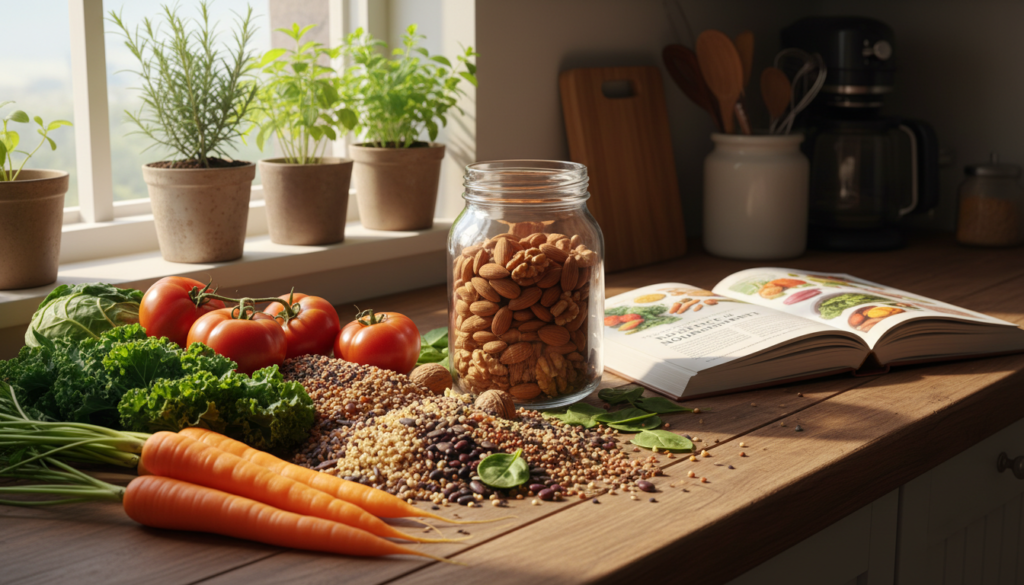
Heat is a powerful tool for enhancing nutrient bioavailability. For example, cooking tomatoes breaks down cell walls, making lycopene easier to digest. Light steaming of veggies like broccoli or carrots also softens the fibers, helping your body absorb vitamins more effectively.
Healthy fats play a big role in cooking, too. Since many vitamins are fat-soluble, adding olive oil or avocado to your dishes can significantly boost nutrient bioavailability. This simple trick helps your body absorb vital nutrients more effectively.
The Impact of Fermentation and Soaking on Nutrient Density
Soaking and fermentation also help maximize nutrient bioavailability. Soaking grains, nuts, and legumes in water reduces the levels of anti-nutrients like phytates. These compounds can block mineral absorption.
Fermentation goes further by adding beneficial bacteria that break down complex compounds. This natural process increases the bioavailability of nutrients in your food, making it easier on your gut. Adding fermented foods like sauerkraut or kimchi to your diet boosts nutrient bioavailability for better health.
Your goal is to create a kitchen that supports your wellness. By focusing on these strategies for nutrient bioavailability, you’ll get more energy and vitality from your daily meals.
Avoiding Common Pitfalls in Dietary Combining
You can improve your health by avoiding common mistakes that affect how your body uses nutrients. Even with high-quality foods, bad habits can hold you back. Learning about dietary combining is key to better nutrition and health goals.
Identifying Inhibitors That Block Nutrient Uptake
Some healthy foods have compounds that block nutrient absorption. For instance, tannins in tea and coffee can stop iron from being used. Phytates in grains and legumes also reduce the absorption of zinc and calcium.
Understanding these inhibitors is crucial for optimizing nutrient intake. By changing when you eat these foods, you can avoid nutrient loss. This is a basic step in optimizing nutrient absorption.
Balancing Your Intake for Optimal Nutrient Utilization
To use nutrients well, plan your meals carefully. Think about the whole plate, not just one food. A mix of foods can counteract inhibitors, improving your health.
Using optimal nutrient absorption techniques is easy. Try drinking less high-tannin drinks and eating iron-rich foods at different times. This simple change can boost nutrient absorption all day. Paying attention to these details makes every meal count.
Conclusion
True health is more than just counting calories. You can turn your meals into powerful fuel by understanding nutrient synergy.
Your body works best with the right mix of vitamins and minerals. Making small changes to your diet can make a big difference. This way, you get more energy and feel better overall.
Try these pairing strategies next time you shop at Whole Foods or your local market. Pick colorful fruits and veggies and add healthy fats or spices. This will unlock new health benefits.
By making these choices, you’re on your way to lasting wellness. Watch how your body reacts to these changes. Every meal is a chance to nourish your body with care. You can start feeling your best today.