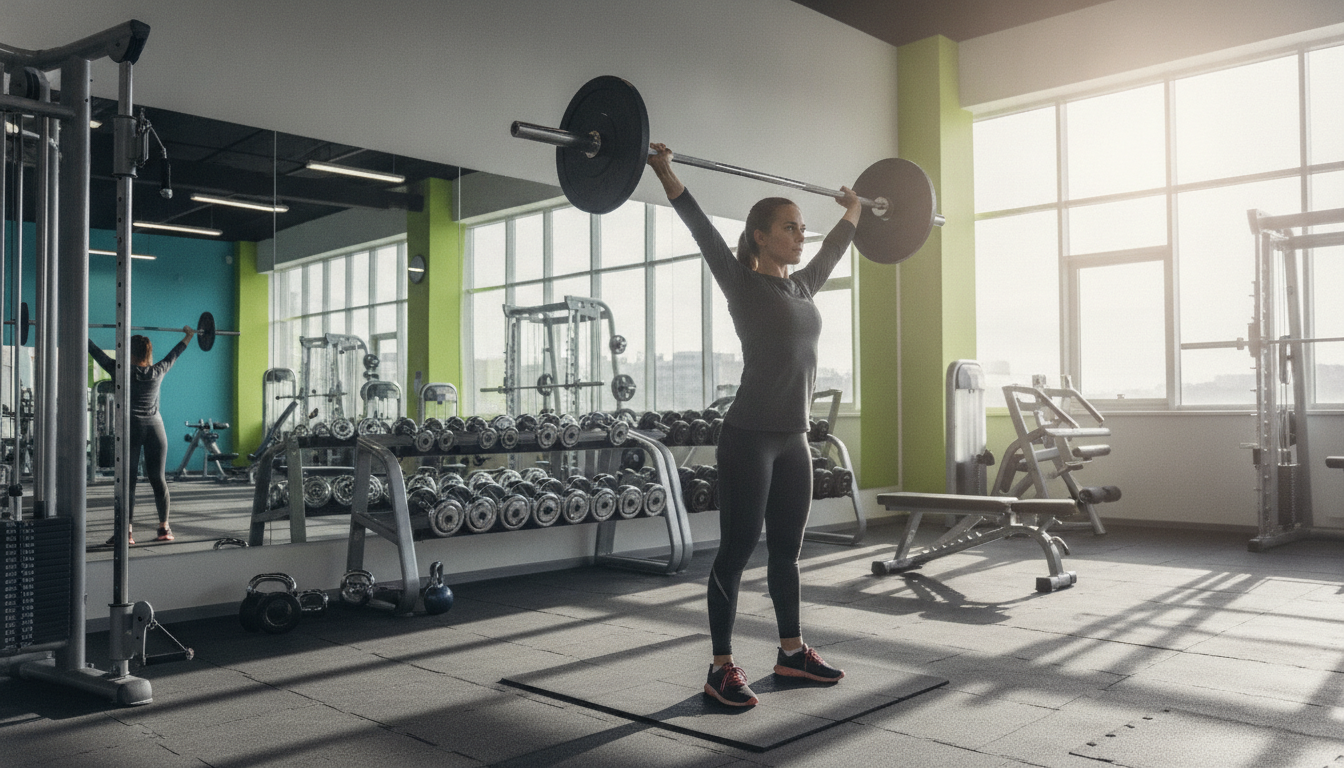
Are you looking to change your body and health? Many people only do cardio, but weightlifting is a better way to lose weight. Regular strength training can change your body shape.
When you build muscle, your body needs more energy to keep it. This means you burn fat even when you’re not moving. Using weightlifting to lose weight helps you lose fat without losing muscle. This improves your metabolism and helps you keep the results for a long time.
Key Takeaways
- Muscle tissue consumes more calories than fat at rest.
- Regular exercise helps preserve lean mass during a caloric deficit.
- Metabolic rates increase as you gain functional physical power.
- Combining movement with nutrition creates a sustainable health plan.
- Focusing on body composition delivers better results than tracking scale numbers alone.
The Science Behind Weight Lifting for Weight Loss
Weight lifting is more than just lifting weights. It’s a biological process that changes your body’s chemistry. When you do resistance training, you’re not just working your muscles. You’re telling your body to burn more energy.
Understanding these processes helps you lose fat and stay healthy for the long term.
How Muscle Tissue Increases Your Resting Metabolic Rate
One major benefit of weight training is building lean muscle. Muscle burns more energy than fat, even when you’re not moving. As you build muscle, your body’s resting metabolic rate (RMR) goes up.
This means you burn more calories throughout the day, even while sleeping. By lifting weights, you make your body more efficient at using fuel. This is why strength training is better than cardio for keeping weight off.
Understanding the Afterburn Effect and EPOC
Weight lifting also has an afterburn effect. This is known as Excess Post-Exercise Oxygen Consumption, or EPOC. It keeps your metabolism high for hours after you work out.
During intense weight training, your body needs more oxygen to recover. It works hard to repair muscles, restore hormone levels, and replenish energy. This extra work makes your body a fat-burning furnace even after you’re done exercising.
| Training Type | Primary Benefit | Metabolic Impact |
|---|---|---|
| Strength Training | Muscle Growth | High (Long-term RMR increase) |
| Steady-State Cardio | Heart Health | Moderate (Short-term burn) |
| High-Intensity Intervals | EPOC Activation | High (Short-term spike) |
Adding strength training to your routine keeps your body efficient. Being consistent is key to getting these metabolic benefits and reaching your fitness goals.
Setting Your Body Composition Goals
Defining your body composition goals is key to getting a toned body. Many people start by looking only at the scale. But real change comes from focusing on how your body is built.
By changing your mindset, you can build lean muscle and burn fat well.
Distinguishing Between Weight Loss and Fat Loss
Weight loss and fat loss are different. Weight loss means a reduction in total body mass, which can include water, muscle, and fat. On the other hand, fat loss through weight lifting aims to reduce fat while keeping or growing lean muscle.
Strength training helps keep muscles. This is important because muscle burns more energy than fat, even when you’re not moving.
Why the Scale Does Not Tell the Whole Story
The scale number often doesn’t show your real progress. Muscle is denser than fat, so your weight might not change even if you look different. This means your body composition is getting better.
Don’t rely only on the scale. Use body measurements, progress photos, and how your clothes fit to see your progress. Muscle-toning and full-body exercises aim to change your shape, not just lower a number.
Your goal should be to lose fat and build a strong body. Focus on body composition for lasting health. Stay consistent and trust the changes your body will go through over time.
Essential Equipment for Your Strength Training Routine
Your journey to increased metabolism and muscle growth starts with the right tools. Choosing the right gear is key to a consistent fitness routine that shows results. Whether at home or the gym, the right equipment makes your strength training safe and effective.
Utilizing Free Weights for Functional Strength
Free weights like dumbbells and kettlebells are essential for weightlifting and weight loss. They make you work harder, engage more muscles, and boost your strength. Adding these weightlifting exercises to your routine challenges your body in natural ways.
Incorporating Resistance Bands for Versatility
Resistance bands are great for those who need something portable. They offer constant tension, perfect for building lean muscle. They’re light and easy to carry, making them perfect for keeping up with your fitness workouts on the go.
Leveraging Weight Machines for Targeted Muscle Growth
Weight machines are great for beginners or those focusing on specific muscles. They provide stability, allowing you to safely challenge yourself. They’re a great addition to any fitness workout aimed at improving body composition.
| Equipment Type | Primary Benefit | Best For |
|---|---|---|
| Free Weights | Functional Strength | Compound Movements |
| Resistance Bands | Portability | Home/Travel Training |
| Weight Machines | Muscle Isolation | Targeted Growth |
For the best results, aim to do strength workouts 2–3 times a week. Mix and match these tools to keep your weight training sessions interesting and challenging. Sticking with your chosen equipment will lead to long-term success.
Mastering Compound Movements for Maximum Calorie Expenditure
Compound exercises turn your body into a fat-burning machine. They are key to any strength-training plan. By doing these exercises, you burn more calories and get stronger and leaner.
Perfecting the Squat for Lower Body Power
The squat is a top exercise for losing weight. Stand with your feet apart and lower your hips as if sitting in an invisible chair. Keep your chest up and your weight over your heels.
Doing squats right works your glutes, quads, and core. It’s important for losing fat through weightlifting. Make sure your knees are over your toes to avoid injury and maintain proper form.
Executing Push-ups to Engage the Upper Body
Push-ups are a key full-body exercise for your chest, shoulders, and triceps. Holding a plank position works your core, too. This helps you burn more calories and keep muscle.
- Keep your hands slightly wider than shoulder-width.
- Lower your body until your chest nearly touches the floor.
- Push back up with controlled, explosive power.
Performing Lunges to Improve Stability and Fat Burning
Lunges are great for building muscle and burning calories. Step forward with one leg and lower your hips until both knees are bent at about 90 degrees. This makes your workout more intense.
| Exercise | Primary Muscles | Calorie Impact |
|---|---|---|
| Squats | Quads, Glutes | High |
| Push-ups | Chest, Triceps | Moderate |
| Lunges | Legs, Core | High |
Adding these weight training exercises to your routine boosts fat loss. Focus on your form first, then increase the intensity for better results. Mastering these exercises keeps your body burning fat.
Structuring Your Weekly Strength Training Schedule
Creating a weekly schedule is key to weightlifting for weight loss. It turns vague goals into a real weight training program that fits your life. Consistency is crucial for lasting fitness success.
Determining the Ideal Frequency for Beginners
As a beginner, you don’t need to spend all day in the gym. Aim for strength workouts 2–3 times a week. This lets your body adjust without getting too tired.
Start with a simple beginner weight-lifting plan. Choose weightlifting programs that work your whole body. This way, you hit all major muscles and burn lots of calories.
Balancing Intensity and Recovery Periods
It’s important to challenge yourself, but muscles grow during rest. A good weight-lifting routine includes rest days. Always have at least 48 hours of rest between intense fitness workouts.
Good weight-loss workout routines use progressive overload. This means you need to be fresh for each workout. Alternate intense days with rest days to keep performing well. Remember, fitness training is a long-term effort, and rest is just as important as lifting.
Progressive Overload Techniques for Continuous Results
Progressive overload is key for ongoing strength gains in any fitness program. When you lift weights for weight loss, your body adapts to the stress. To keep seeing results, you must increase the demands on your muscles during strength training.
Increasing Resistance to Challenge Your Muscles
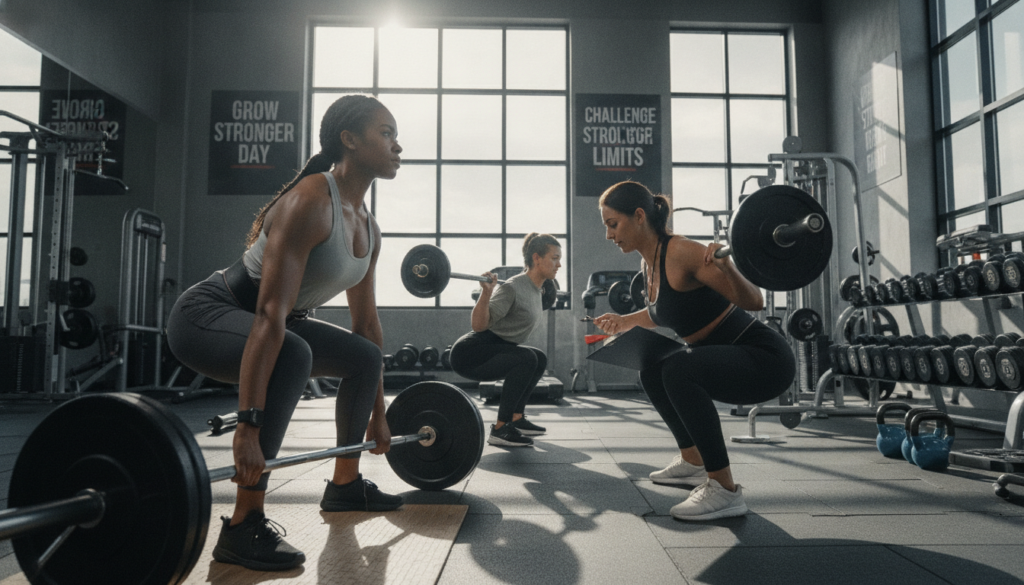
The best way to build muscle is to lift more weight. As you get stronger, your workouts will feel easier. Aim to add small amounts of weight to your muscle-building exercises every few weeks to keep challenging your body.
“The only way to grow is to consistently push past the boundaries of what you thought was possible yesterday.”
To build muscle, track your lifts closely. Here are ways to increase resistance:
- Add 2.5 to 5 pounds to your primary lifts.
- Use thicker resistance bands for more tension.
- Slow down your tempo to increase time under tension.
Adjusting Volume and Frequency Over Time
If adding more weight is hard, you can still improve by changing your volume. Doing more sets or reps is a great way to stimulate muscle development. This method helps refine your weight-lifting routines without needing heavier weights right away.
Consider changing how often you train a muscle group. If you train once a week, try twice a week for growth. Remember, your weight-lifting workouts need to be balanced with recovery to avoid burnout. Rotating your weightlifting routines keeps your training fresh and progress steady.
Nutrition Strategies to Support Muscle Retention
Proper nutrition is key to fueling your resistance training and keeping your muscle mass. When you lift weights for weight loss, your body needs certain nutrients to heal and adapt. Eating the right foods helps you lose fat without losing strength.
Prioritizing Protein Intake for Muscle Repair
Protein is crucial for building muscle and fixing tissues after hard workouts. Without enough protein, your body might not recover well. This can slow down your muscle growth.
Eating protein regularly helps keep your body in a state that supports muscle growth. Choose lean meats, plant-based proteins, or dairy to meet your daily needs. This helps support your fitness goals.
Managing Caloric Deficits Without Sacrificing Strength
Creating a caloric deficit is key to losing fat, but do it carefully. A small deficit lets you lose fat while still having energy for strength training. Cutting calories too much can slow your progress and harm your muscle development.
Stick to whole foods that give you energy for workouts. Include complex carbs and healthy fats with your protein. This way, you can keep your gym intensity up. Consistency is key to balancing your diet and workout energy.
Common Mistakes to Avoid in Your Fitness Routine
Knowing what not to do in strength training is crucial. The urge to burn fat can lead to mistakes. Spotting these errors early keeps your workouts effective and safe.
Preventing Overtraining and Injury
Not prioritizing recovery is a common mistake. Muscles grow when you rest, not when you lift. Ignoring this can lead to injury and slow down fat loss.
Pay attention to your body’s signals. If you’re feeling joint pain or extreme tiredness, it’s time for a rest day. Proper weight-lifting techniques mean knowing when to take a break.
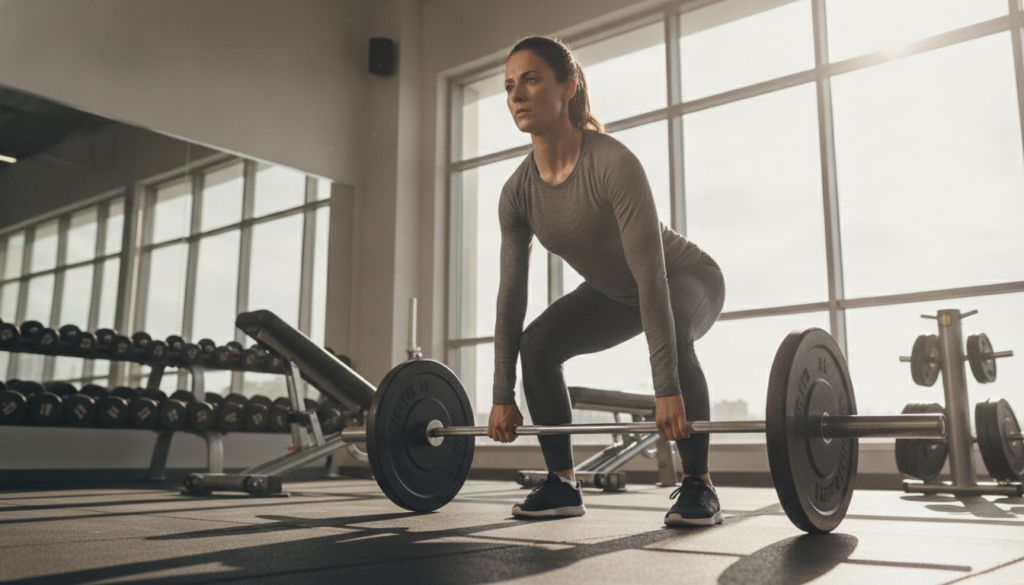
Here are key weight-lifting tips to avoid injuries:
- Always do a dynamic warm-up before lifting.
- Focus on how you move, not just the weight.
- Have at least one or two rest days a week for muscle repair.
- Keep a log to track your workouts and avoid too much too soon.
Avoiding the Trap of Neglecting Compound Exercises
Many beginners focus too much on single-muscle exercises. They overlook the most effective weight-loss exercises. Compound exercises are key because they work many muscles at once.
Movements like squats, push-ups, and lunges are crucial. They help you burn more calories and boost your metabolism. These exercises are essential for both women’s weightlifting and overall strength.
If you’re not seeing progress, check your routine. Adding compound lifts will help you build strength and burn fat. Consistent use of proper weightlifting techniques is vital for lasting success.
Tracking Your Progress Beyond the Scale
Using a bathroom scale alone can hide the amazing changes in your body. It doesn’t distinguish between muscle gain and fat loss. When you lift weights for weight loss, your body changes in ways the scale can’t show.
Looking at non-scale victories keeps you motivated. Paying attention to how your clothes fit and your energy levels gives a clearer picture of your health. True success comes from consistent habits rather than a single daily number.
Monitoring Strength Gains and Performance Metrics
Keeping a detailed log of your strength workouts is a reliable way to track progress. Whether using resistance bands or weight machines, recording your performance is key. Aim to increase the weight, reps, or sets over time to keep improving.
Seeing that you can lift heavier weights with better form shows significant strength gains. These improvements mean your body is getting more efficient and powerful. Tracking these metrics proves your strength training is effective.
Using Body Measurements and Photos to Track Fat Loss
Visual evidence is often more rewarding than any digital readout. Taking progress photos in the same lighting and from the same angles every few weeks shows changes in your body composition. You’ll likely see muscle definition as you lose fat through your fat loss workouts.
Using a measuring tape to track your waist, hips, and chest provides objective data. These measurements are great for monitoring fat loss because they reflect changes in your physical dimensions. Combining these methods gives a full view of your fat loss through weight lifting and keeps you focused on your body composition goals.
Adapting Your Program for Long-Term Success
Your journey to a toned body doesn’t stop at the first milestones. As your body gets used to your weight-training program, you need to adjust your approach. This is how you keep seeing results. Success over time means updating your strength training as you get stronger and more skilled.
Transitioning from Beginner to Intermediate Workouts
At the start of beginner weightlifting, you focused on learning form and building a base. Now, you should aim for more advanced weightlifting programs with more volume and complexity. This means moving from full-body workouts to split routines that target specific muscle groups.
Consider adding more complex movements or increasing the intensity of your gym workout routines. This keeps your muscles challenged, which is key to building muscle well. Even as you get better, remember the basics of weightlifting for beginners to ensure safety and proper form.
| Variable | Beginner Phase | Intermediate Phase |
|---|---|---|
| Training Frequency | 2-3 days per week | 4-5 days per week |
| Exercise Selection | Basic compound lifts | Compound + isolation work |
| Intensity Focus | Learning movement patterns | Progressive overload |
| Rest Periods | Longer recovery | Controlled, shorter rest |
Staying Consistent with Your Fitness Lifestyle
Consistency is key to any successful weight-lifting program. Life can get in the way, but treat your strength training programs as must-do appointments. Building these habits helps you stay on track, even when life gets busy.
Make small, doable changes to your daily routine rather than big ones. Whether you’re into powerlifting for beginners or just toning exercises, the main thing is to show up often. By putting your health first today, you’re investing in your future well-being.
Conclusion
Weight lifting for weight loss is a great way to reach your health goals. It makes your body work for you, even when you’re not moving. This leads to natural fat loss because your metabolism increases.
Choosing the right workout is key to burning fat. The benefits of weight training go beyond just looking good. You’ll feel more energetic and move better in your daily life.
Many find weight lifting helps them stay on track to get in shape. It builds a strong base for long-term health. The secret to success is sticking with it.
Try different workout routines to keep things interesting. Focusing on weight lifting lets you see progress in your performance. The rewards of weight lifting are yours to discover.
Begin your journey today for a stronger body. Your dedication to losing fat will greatly improve your life. Start your path to a healthier you now.